

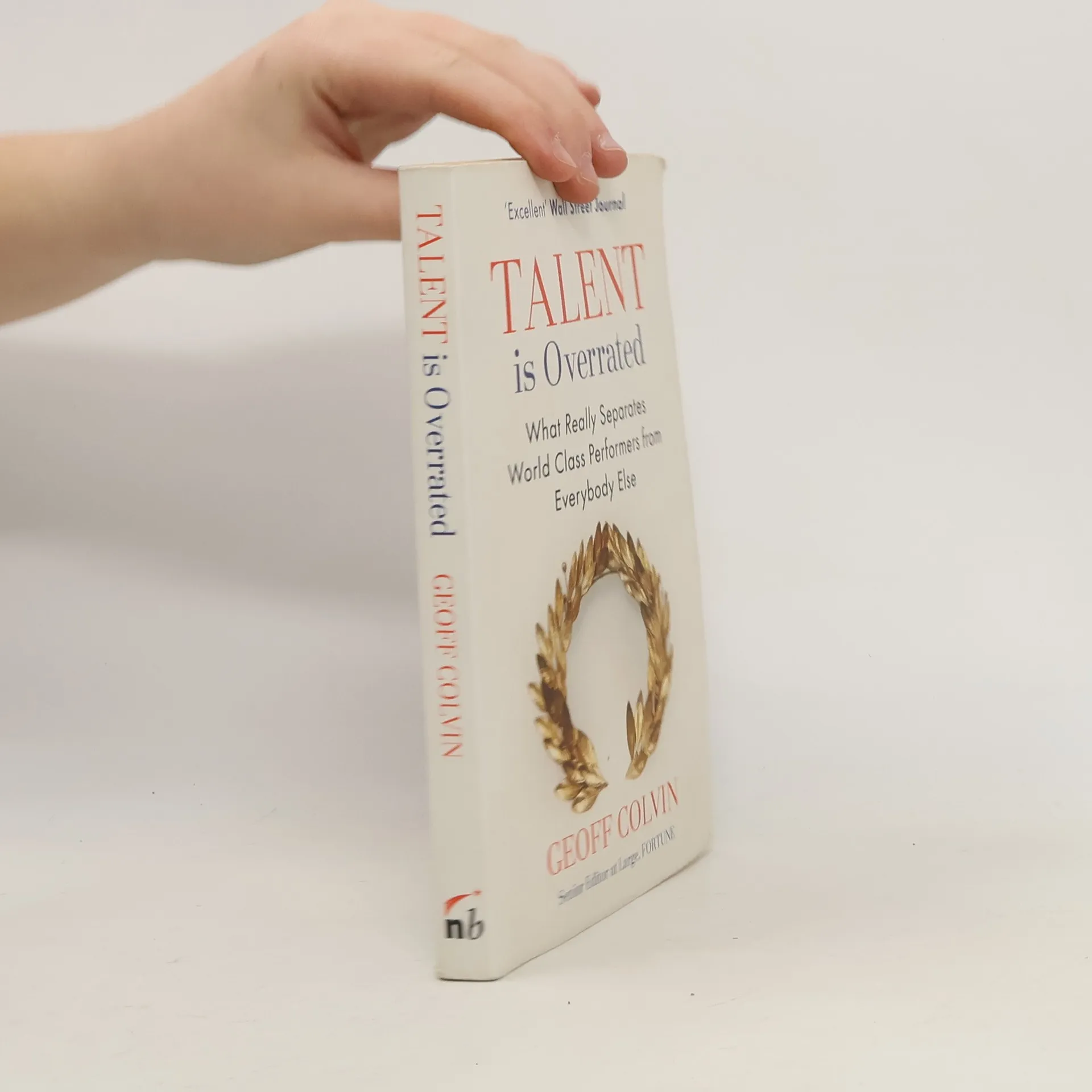
Asked to explain why a few people truly excel, most of us offer one of two answers: hard work or a natural talent. However, scientific evidence doesn't support the notion that specific natural talents make great performers. Expanding on one of the most popular Fortune articles in years, with much more scientific research and real-life examples, Geoff Colvin offered new evidence that top performers in any field - from Tiger Woods and Winston Churchill to Warren Buffett and Jack Welch - are not determined by their inborn talents. Greatness doesn't come from DNA but from practice and perseverance honed over decades. This 'deliberate practice' isn't the kind of hard work that your parents told you about. It's difficult. It hurts. But more of it equals better performance. Tons of it equals great performance. This new mindset, combined with Colvin's practical advice, will change the way you think about your life and work - and will inspire you to achieve more in everything you do.
Geoff Colvin Boeken



Humans Are Underrated
- 256bladzijden
- 9 uur lezen
In the dawning age of brilliant machines, what will people do better than computers? It's easy to imagine a frightening future in which technology takes over the jobs that we now get paid to do, working more accurately and for barely any cost. Computers can already perform surgery, drive vehicles, write articles and do intricate legal work, so what hope will there be for tomorrow's workforce? Drawing on a wealth of research, Geoff Colvin uncovers the skills that will be in great demand as technology advances - and how they can be developed. In this new machine age, we shouldn't try to beat computers at what they can do. We'll lose that contest. Instead we must look to unlikely places, learn from the best, and cultivate the human abilities that make us unique.
Contemplative Prayer at Work in Our Lives
- 156bladzijden
- 6 uur lezen
The book addresses the spiritual struggles faced by Christians who feel their prayer life has become routine and unfulfilling. It explores the sense of void and estrangement that some practitioners experience despite their desire for a deeper connection with God. The author seeks to guide readers towards revitalizing their prayer practices, moving beyond traditional forms that may no longer resonate, and discovering a more profound spiritual union.
Lidé jsou podceňováni: Co ani nejchytřejší počítače nikdy nebudou umět
- 232bladzijden
- 9 uur lezen
Co ani nejchytřejší počítače nikdy nebudou umět. Existují pádné důkazy o tom, že technický pokrok má podíl na stále rostoucí nezaměstnanosti, pomalém růstu mezd a na situaci, kdy absolventi vysokých škol přijímají místa, která nevyžadují ani titul bakaláře. Ale tato děsivá budoucnost není nevyhnutelná. Někteří lidé sice doplatili na to, že je technika připravila o zaměstnání, a další to ještě čeká. Doplácet ale nemusíme. Zásadní skutečnost, kterou je třeba pochopit, a která je závažnější, než si možná uvědomujeme, je fakt, že se mění sama podstata práce a mění se dovednosti, kterých si ekonomika cení. Podobné historické posuny jsme již párkrát zažili – tím nejznámějším byla průmyslová revoluce. Pokaždé ti, kteří onen posun nerozpoznali nebo se s ním odmítli smířit, odpadli. Ale ti, kteří jej přijali za svůj, získali přinejmenším šanci na daleko lepší život. A totéž se ději i tentokrát.
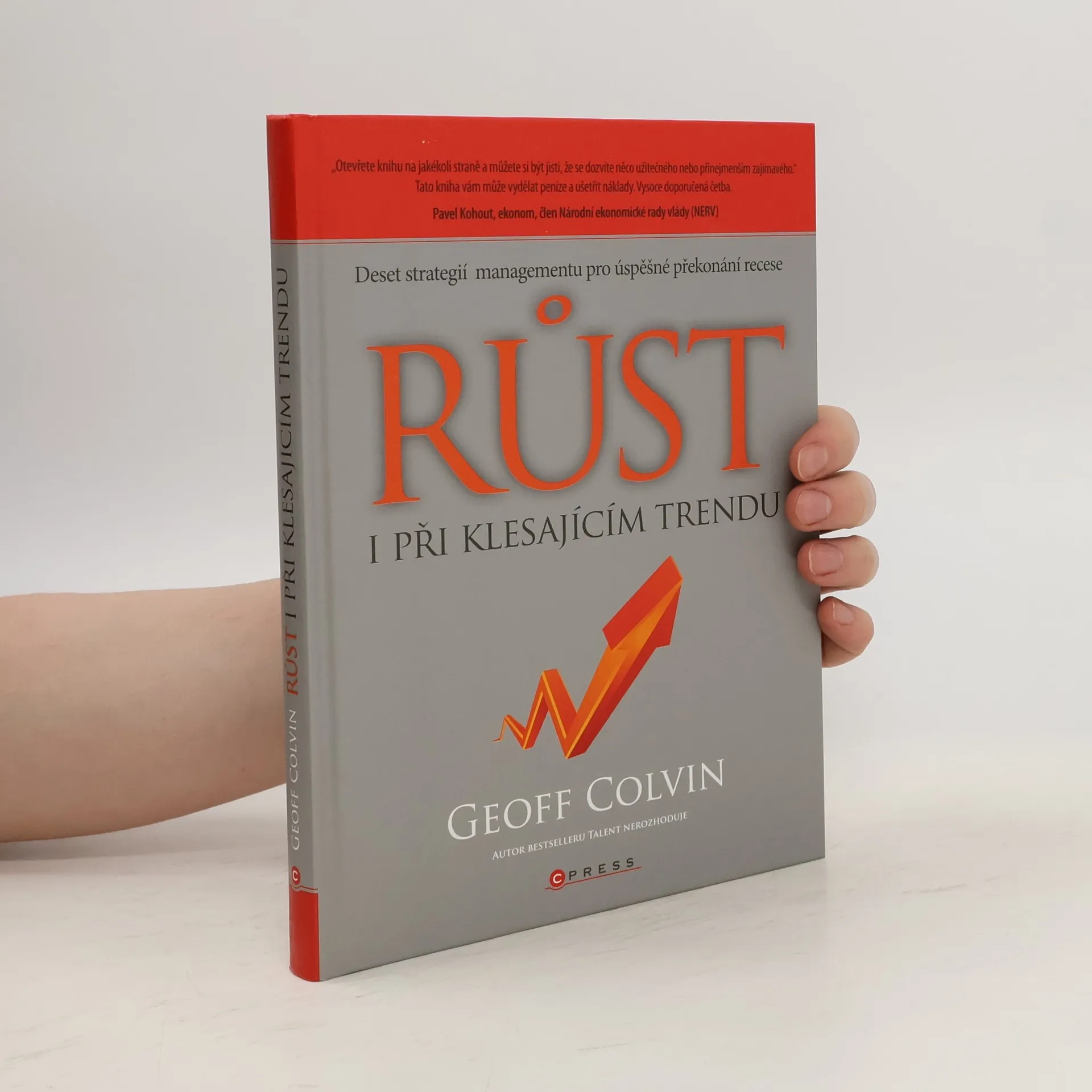
Růst i při klesajícím trendu
- 184bladzijden
- 7 uur lezen
Autor dokazuje, že krizová období nemusí být pro vaši firmu nutně pohromou. Vysvětluje důvody vedoucí k poslední hospodářské krizi a upozorňuje na změny a příležitosti, které s sebou přináší. Nabízí deset strategií, jak i v době recese nebo poklesu trhů nejen zůstat na vrcholu, ale dokonce ostatní přeběhnout. Hledáte-li cestu, jak obstát i v těžkých dobách, je to kniha přesně pro vás.