De figuur Faust is gebaseerd op de historische dokter Johannes Faust. De historische Johannes Faust werd ca. 1480 in Knitlingen in Duitsland geboren. Hij stierf rond 1536 in Staufen. Hij reisde rond als arts, astroloog en magiër. Zijn toverkunsten en horoscopen waren vaak aanleiding om hem uit de stad te verjagen. Al tijdens zijn leven ontstonden er mythische verhalen rond zijn persoon, die door de duivel zelf - aan wie hij zijn ziel verkocht had - gewelddadig om het leven zou zijn gebracht. Hij werd een bron van inspiratie voor bijvoorbeeld Christopher Marlowe, Johan Wolfgang von Goethe en Thomas Mann. Goethes Faust behoort tot de meest vertaalde werken van de wereldliteratuur: de bibliografie brengt het tot duizend titels, verdeeld over vijftig talen. Onder de Nederlandse vertalingen nemen die van het eerste deel door Carel Steven Adama van Scheltema (1911) en van het tweede door Nico van Suchtelen (1920) een vooraanstaande plaats in.

Johann Wolfgang von Goethe Boeken


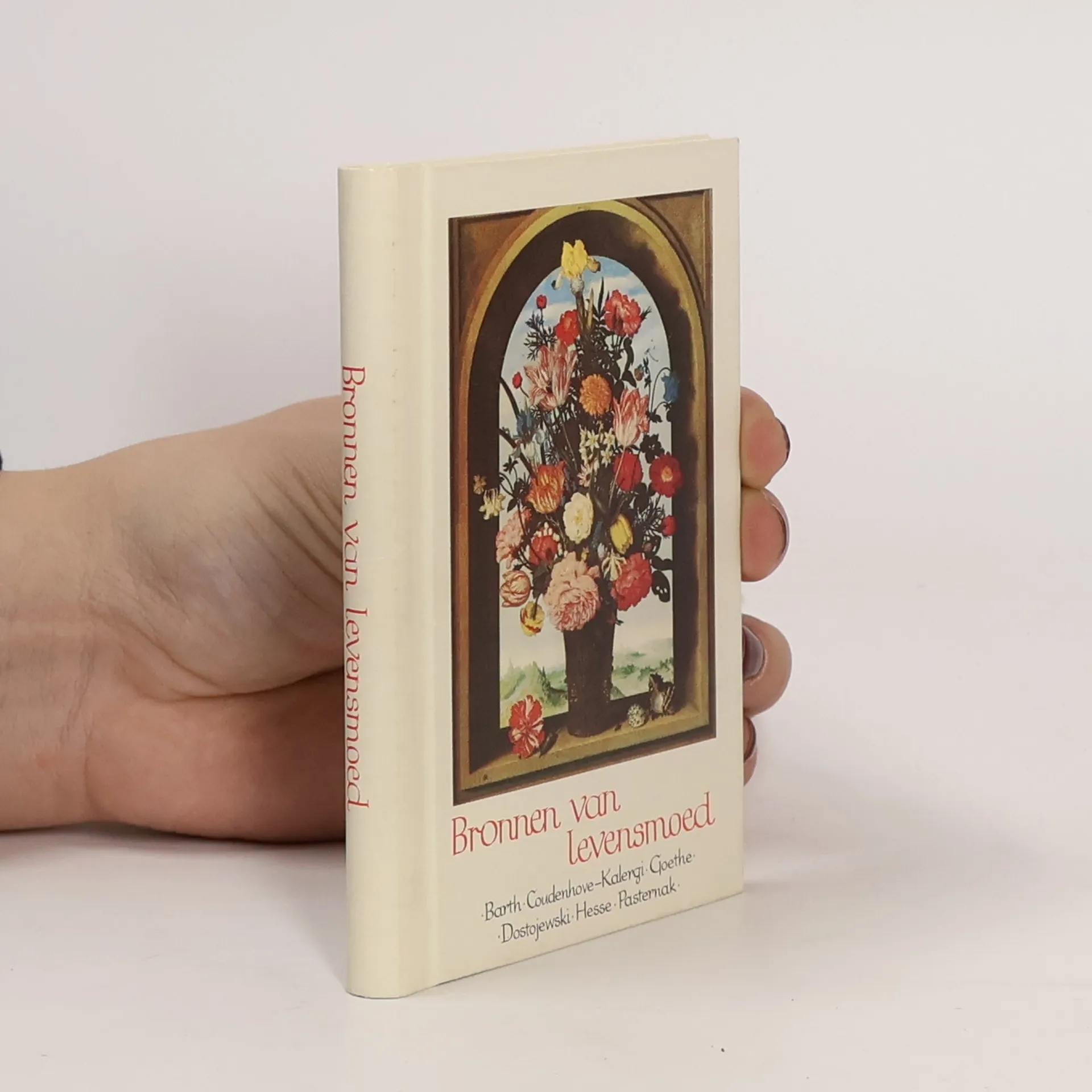
Bronnen van levensmoed
Karl Barth, R.N. Coudenhove-Kalergi, F.M. Dostojewski, J.W. Goethe, Hermann Hesse, Friedrich Nietzsche, Boris Pasternak en anderen
- 46bladzijden
- 2 uur lezen
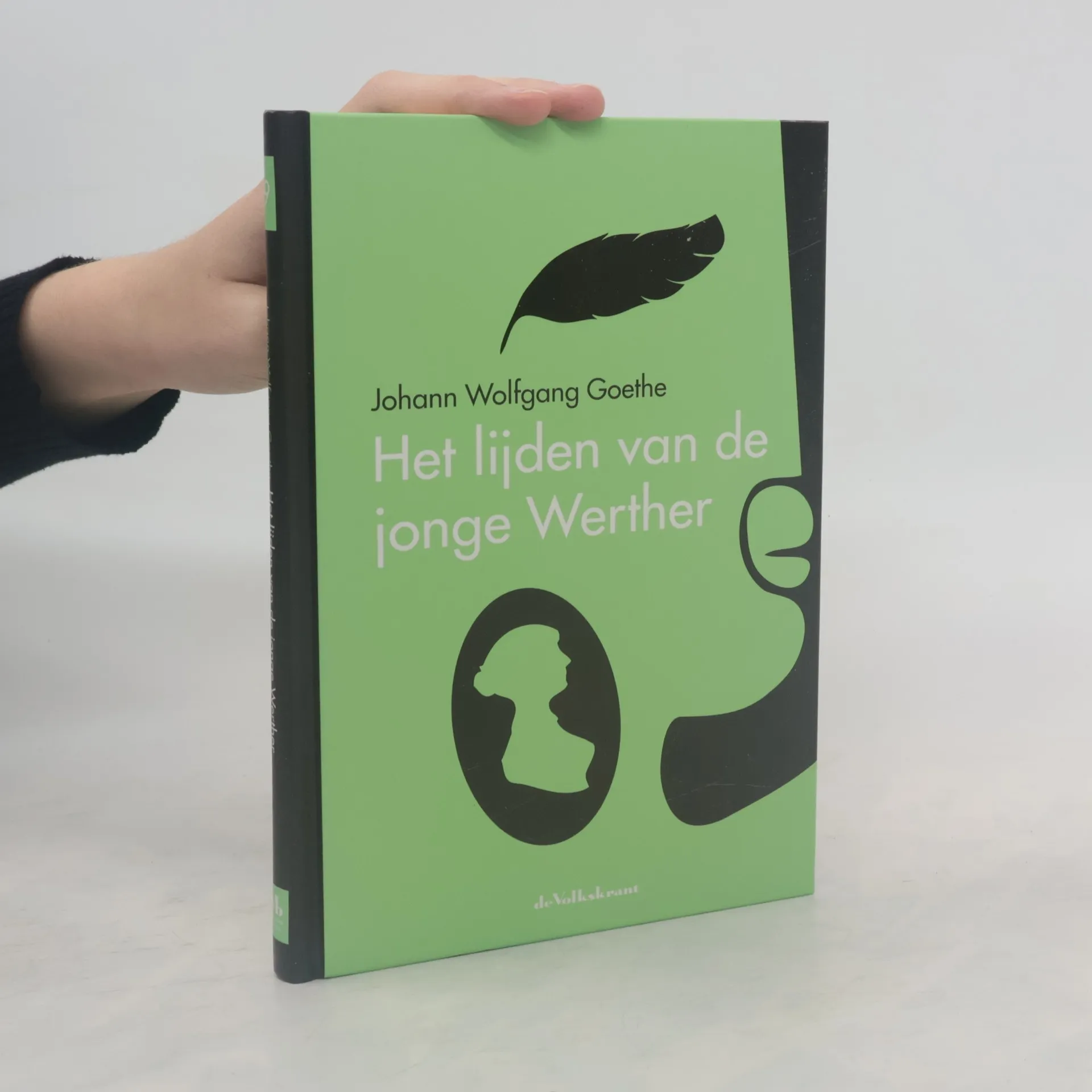
Een 18e-eeuwse jongeman wordt door zwaarmoedigheid bevangen als blijkt dat het meisje van zijn liefde al verloofd is.
Goethe's early plays bear witness to his urgent desire to enliven German theater--an ambition that followed him to the National Theater in Weimar, where he was named director in the early 1790s. This volume contains eight of these plays, written between 1771 and 1787. Not only do they demonstrate Goethe's unprecedented versatility in experimenting with new forms of dramatic expression, but they also give insight into his development from Sturm und Drang to classicism. These works include prose plays (Goetz von Berlichingen with the Iron Hand and Egmont), tragedies and comedies (Clavigo, Stella, and Brother and Sister), and dramatic verse forms (Prometheus, Jery and Betty, and Proserpina).
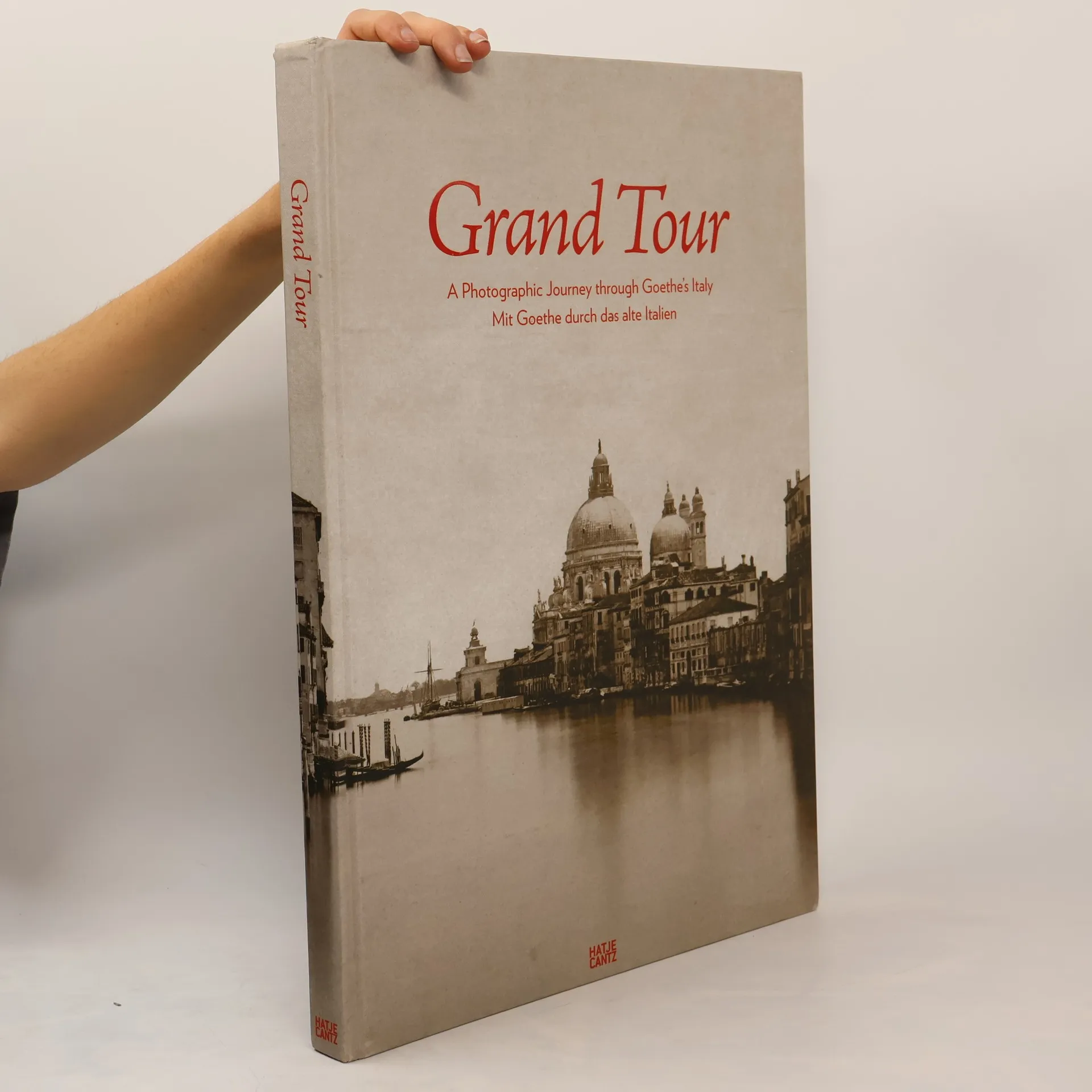
Grand tour
- 144bladzijden
- 6 uur lezen
»Kennst du das Land, wo die Zitronen blühn, im dunkeln Laub die Goldorangen glühn …« Eine Reise nach Italien galt im 17. und 18. Jahrhundert als unverzichtbarer Bestandteil der Erziehung junger Männer aus gutem Hause. Beschwerliche Kutschfahrten führten sie nach Florenz, Venedig, Rom und Neapel. Künstler folgten ihnen bald, und so führte 1786 bis 1788 auch Johann Wolfgang von Goethe die Sehnsucht gen Süden. Goethes Italienische Reise vermittelt sehr lebendig seine tiefe Begeisterung, schildert aber auch einen bereits gut organisierten frühen Tourismus. Nur siebzig Jahre später hielten erste Fotografen Stationen der Grand Tour auf silberbeschichteten Platten fest. Carlo Naya (1816–1882) oder dem, wie Goethe, aus Frankfurt am Main stammenden Giorgio Sommer (1834–1914) gelangen ungemein poetische Ansichten von Markusplatz, Kolosseum, Rauch spuckendem Vesuv und schönen Fischerinnen auf Capri. – Zeigen die träumerischen Bilder uns, was Goethe sah? Der Band im XL-Format stellt Goethe-Zitate den entsprechenden Fotografien gegenüber.
Goethe’s influential text, newly illustrated with stunning color photographs. The Metamorphosis of Plants, published in 1790, was Goethe’s first major attempt to describe what he called in a letter to a friend “the truth about the how of the organism.” Inspired by the diversity of flora he found on a journey to Italy, Goethe sought a unity of form in diverse structures. He came to see in the leaf the germ of a plant’s metamorphosis—“the true Proteus who can hide or reveal himself in all vegetal forms”—from the root and stem leaves to the calyx and corolla, to pistil and stamens. With this short book—123 numbered paragraphs, in the manner of the great botanist Linnaeus—Goethe aimed to tell the story of botanical forms in process, to present, in effect, a motion picture of the metamorphosis of plants. This MIT Press edition of The Metamorphosis of Plants illustrates Goethe’s text (in an English translation by Douglas Miller) with a series of stunning and starkly beautiful color photographs as well as numerous line drawings. It is the most completely and colorfully illustrated edition of Goethe’s book ever published. It demonstrates vividly Goethe’s ideas of transformation and interdependence, as well as the systematic use of imagination in scientific research—which influenced thinkers ranging from Darwin to Thoreau and has much to teach us today about our relationship with nature.
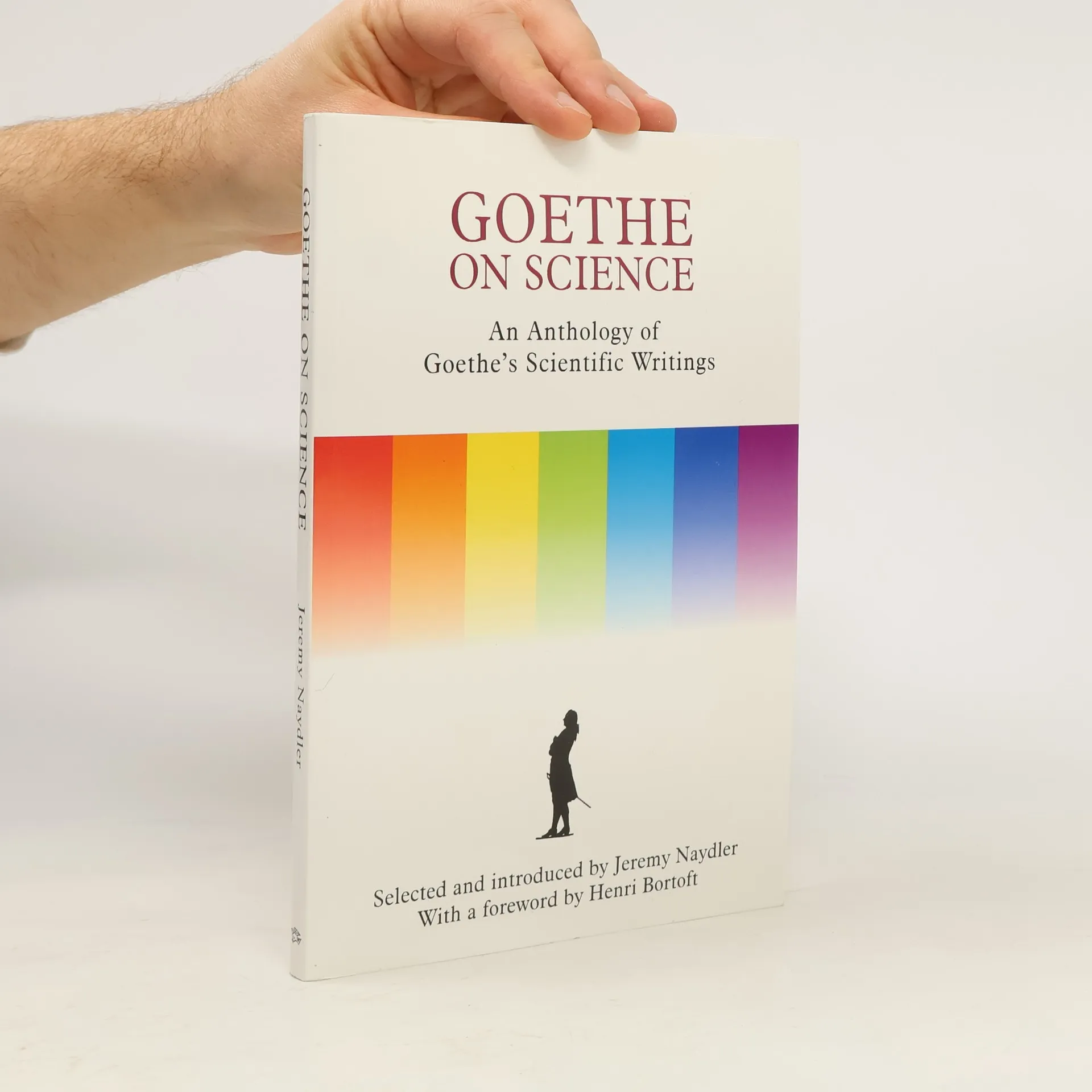
Goethe on science
- 141bladzijden
- 5 uur lezen
Johann Wolfgang von Goethe is most famous for his work on color theory, but he was also an accomplished all-round scientist, studying and writing on anatomy, geology, botany, zoology and meteorology. This book draws together, in Goethe's own words, his key ideas on nature, science and scientific method. Goethe believed that we should study our world and nature as people at home in it, rather than removedly, as if we were aliens from another planet. He adopted a qualitative approach to science at odds with Newton's quantitative methods that were so popular in his day. His is a sensitive science which does not ignore our relationship to nature. The extracts in this book are fascinating and essential reading for anyone who feels that we've lost our spiritual connection to nature.
Goethe's Theory of Colours
- 482bladzijden
- 17 uur lezen
This work by Goethe (1749-1832) was translated into English in 1840 by Sir Charles Eastlake (1793-1865), painter and later keeper of the National Gallery. Eastlake's clear translation of Goethe's observations and experiments on colour and light will appeal to anyone interested in our responses to art.
A brief analysis of the development, style, and protagonists of Faust is included with Goethe's classic tale about a troubled man who sells his soul to the devil.
One of the great classics of European literature, Faust is Goethe's most complex and profound work. To tell the dramatic and tragic story of one man’s pact with the Devil in exchange for knowledge and power, Goethe drew from an immense variety of cultural and historical material, and a wealth of poetic and theatrical traditions. What results is a tour de force illustrating Goethe’s own moral and artistic development, and a symbolic, cautionary tale of Western humanity striving restlessly and ruthlessly for progress. Capturing the sense, poetic variety, and tonal range of the German original in present-day English, Stuart Atkins’s translation presents the formal and rhythmic dexterity of Faust in all its richness and beauty, without recourse to archaisms or interpretive elaborations. Featuring a new introduction by David Wellbery, this Princeton Classics edition of Faust is the definitive English version of a timeless masterpiece.