

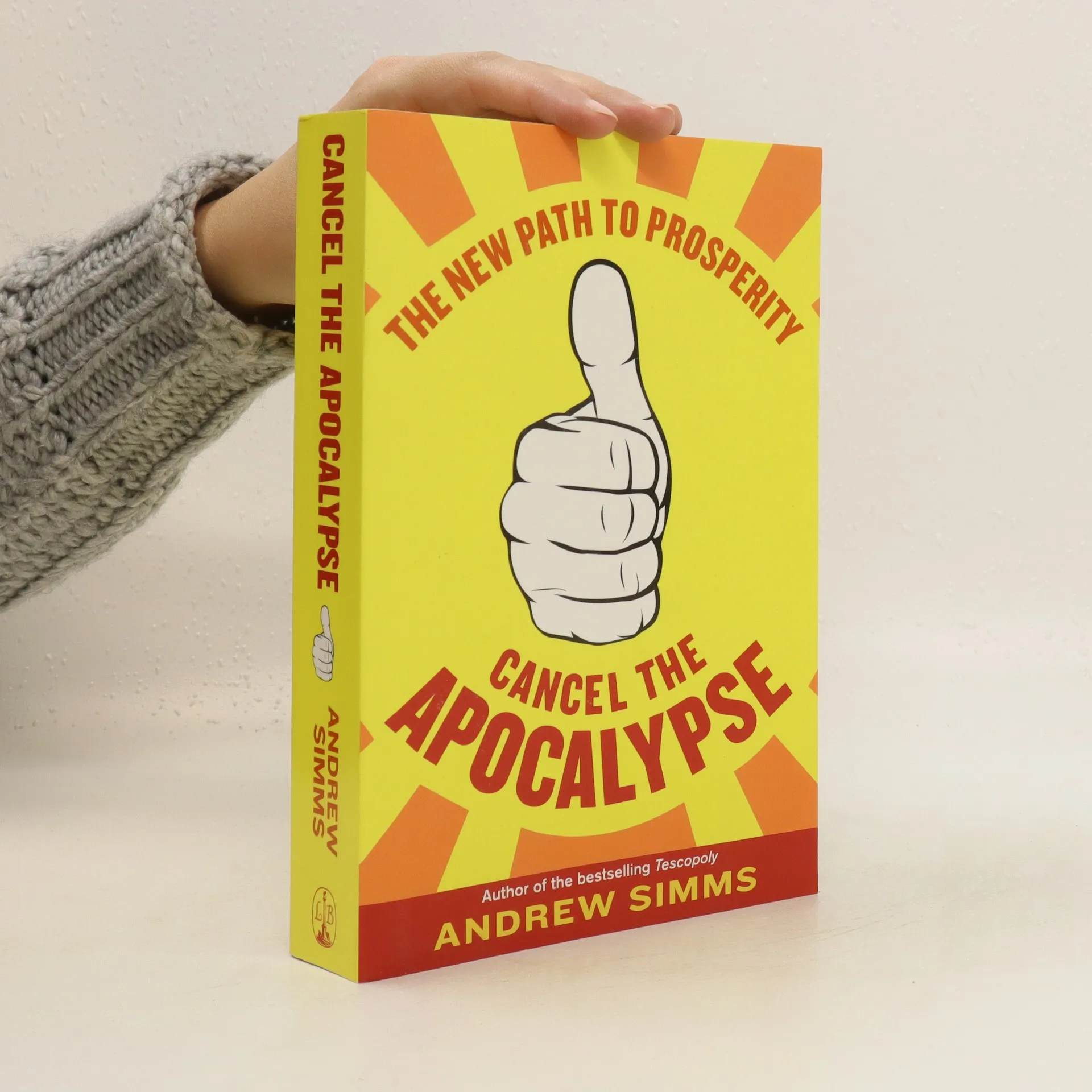
A fascinating look at a world in which we have become obsessed with economic growth at theexpense of quality of life, and what we can do to change Ever get the feeling that things are falling apart? You're not alone. From bad banks to global warming it can all look hopeless, but what if everything could turn out, well, even better than before? What if the only thing holding us back is a lack of imagination and a surplus of old orthodoxies? In fascinating and iconoclastic detail—on everything from the cash in your pocket to the food on your plate and the shape of our working lives—this book describes how the relentless race for economic growth is not always one worth winning, how excessive materialism has come at a terrible cost to our environment, and how it hasn't even made us any happier in the process. The author believes passionately in the human capacity for change, and shows how the good life remains in our grasp. While global warming and financial meltdown might feel like modern day horsemen of the apocalypse, this book shows how such end of the world scenarios offer us the chance for a new beginning.
Andrew Simms Boeken
Andrew Simms is de auteur van een boek dat ecologische schuld en de opwarming van de aarde in relatie tot de rijkdom van naties onderzoekt. Hij richt zich op de diepere economische en ecologische verbanden die onze wereld vormgeven. Zijn werk roept op tot een herwaardering van de huidige economische modellen en hun impact op de planeet. Simms' benadering biedt een kritisch perspectief op de relatie tussen economie en ecologie.

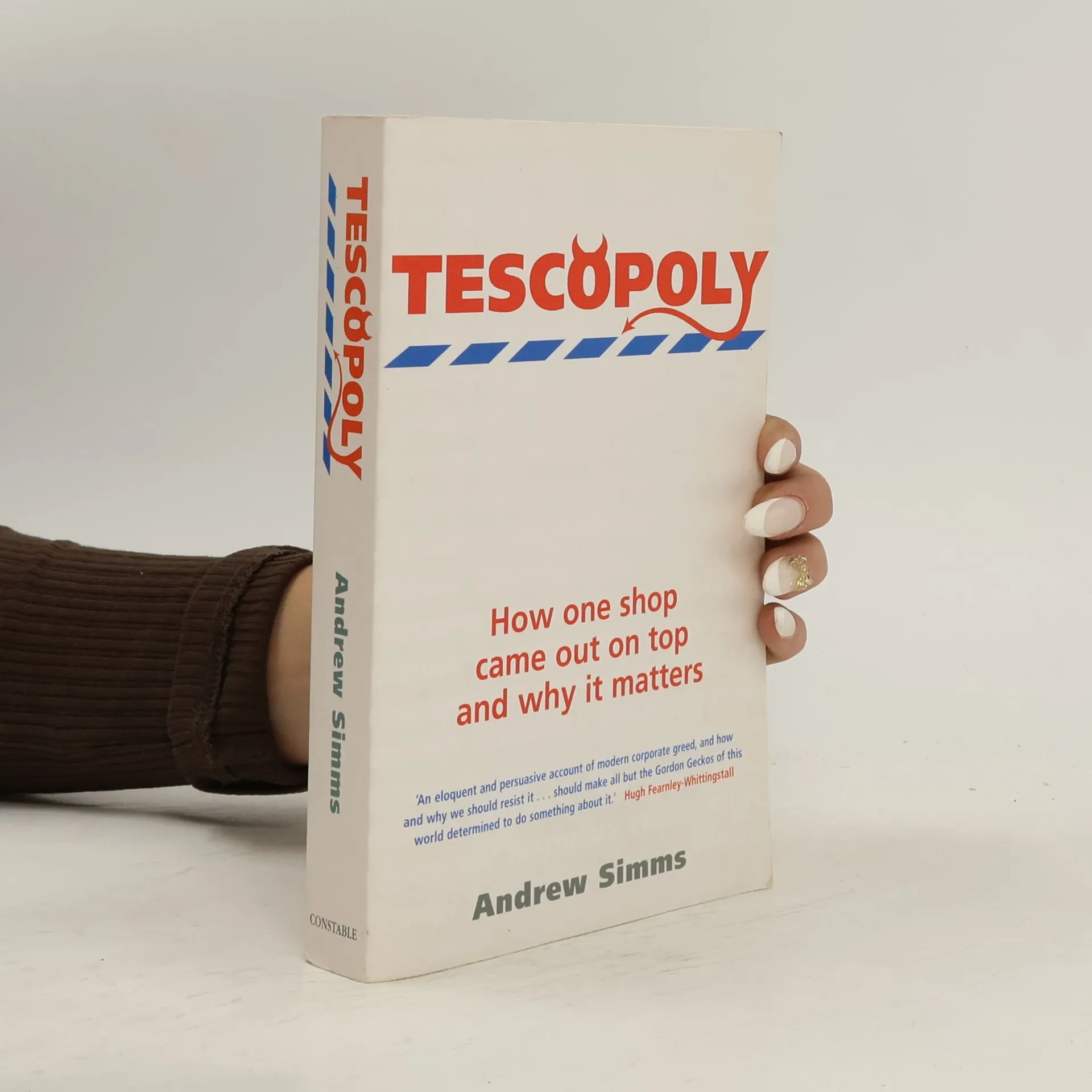
Tescopoly
- 256bladzijden
- 9 uur lezen
In his analysis, Andrew Simms, director of the acclaimed think-and-do-tank the New Economics Foundation, and in association with tescopoly.org, tackles a subject that none of us can afford to ignore - what supermarkets in general, and Tesco in particular, are doing to the way we think we live our lives.
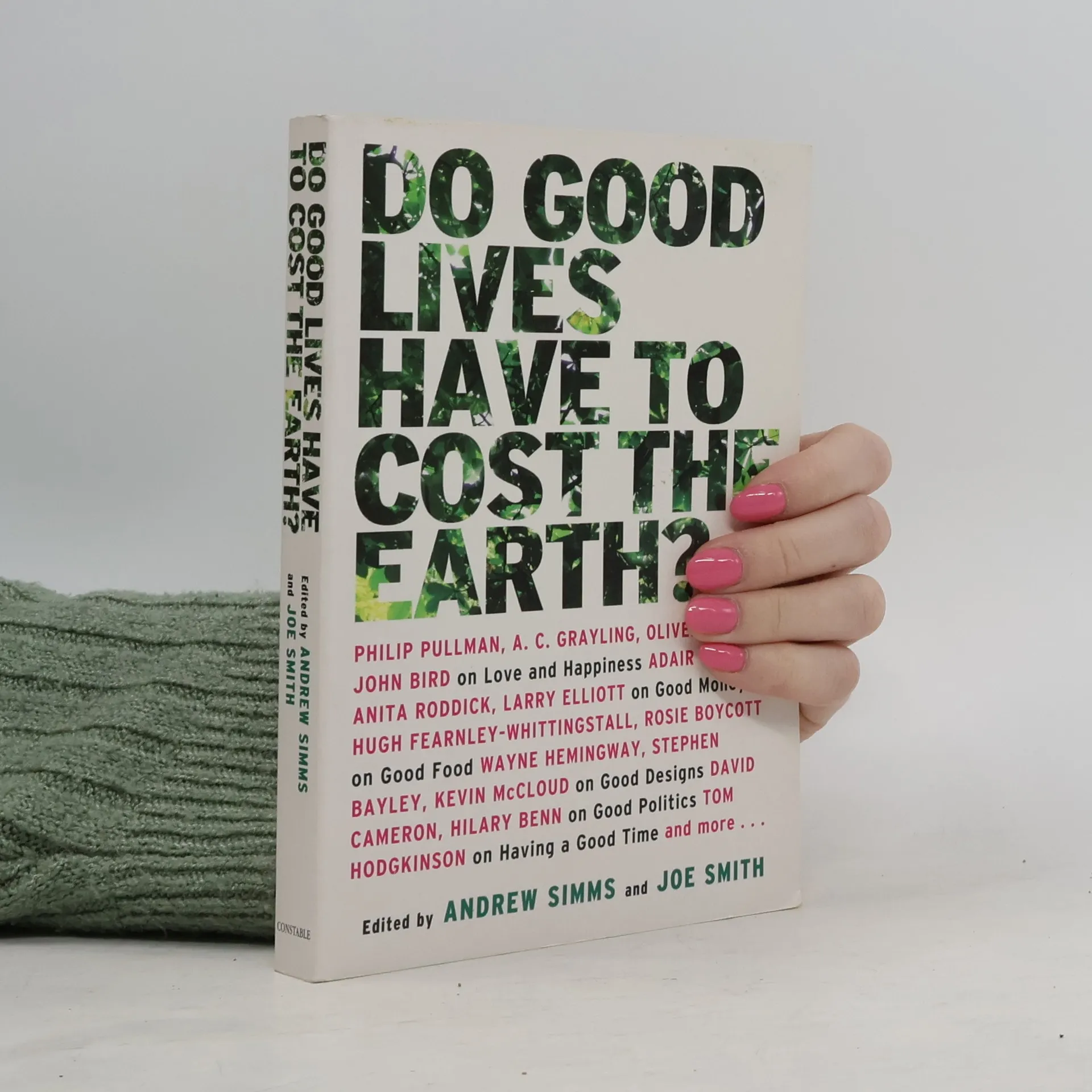
Do Good Lives Have to Cost the Earth?
- 320bladzijden
- 12 uur lezen
Climate change is often portrayed as an overwhelming threat requiring significant sacrifices for a sustainable lifestyle. However, this book challenges that notion, presenting a collective vision from prominent figures who believe that living well doesn't have to come at such a cost. It explores diverse areas, including architecture, politics, food, and happiness, aiming to reshape perceptions of climate change and personal responsibility. Rather than focusing on despair, contributors argue that this crisis offers a unique opportunity to tackle various interconnected issues with creativity and optimism. If approached correctly, we could transition from an environmental catastrophe to a scenario where we enjoy fulfilling lives while effectively addressing pressing challenges. Notable contributions include insights on love and happiness from Phillip Pullman, A. C. Grayling, and Oliver James; discussions on design by Kevin McCloud and Nic Marks; sustainable food perspectives from Hugh Fearnley-Whittingstall and Colin Tudge; political insights from David Cameron and Caroline Lucas; and reflections on enjoyment from Tom Hodgkinson and David Boyle. Additionally, perspectives on ethical business practices are provided by Anita Roddick, Adair Turner, and others, emphasizing that a better future is possible without compromising our quality of life.