Fasting for Renewal of Life
- 314bladzijden
- 11 uur lezen


Deze auteur onderzocht de diepe verbinding tussen lichaam en natuur, waarbij hij de principes van Natuurlijke Hygiëne promootte en zich verzette tegen de gevestigde geneeskunde. Zijn uitgebreide oeuvre, dat tientallen publicaties omvat en toezicht hield op meer dan 30.000 vastenperiodes, gaat diep in op de aangeboren genezende vermogens van het lichaam. Hij was een visionair die een holistische benadering van welzijn bepleitte, vaak ten koste van zichzelf. Zijn nalatenschap blijft degenen inspireren die alternatieve paden naar gezondheid zoeken.

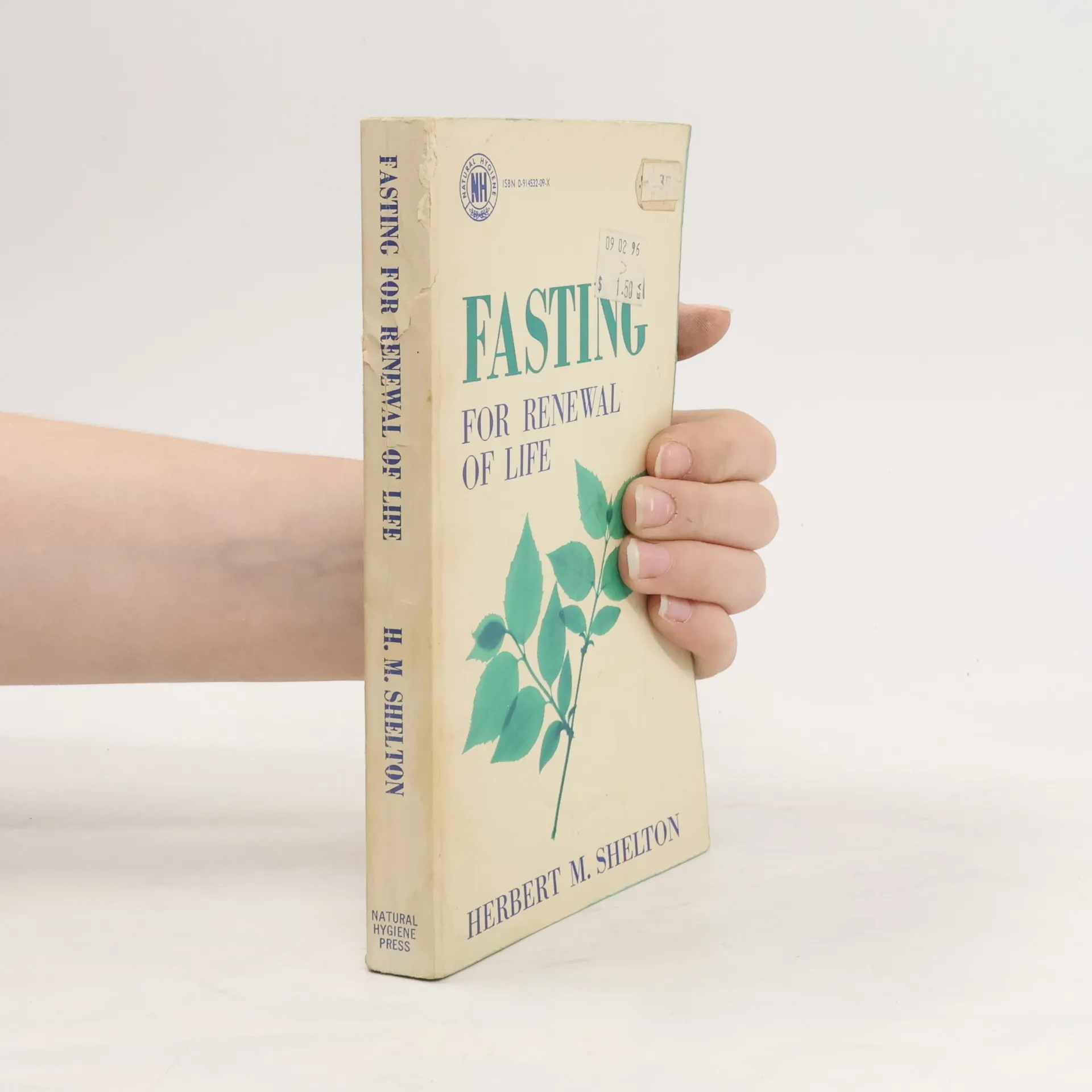
The book is a facsimile reprint of a scarce antiquarian work, preserving its historical significance despite potential imperfections like marks and flawed pages. It highlights a commitment to protecting and promoting literature by providing an affordable, high-quality edition that remains true to the original text. This initiative reflects the importance of cultural preservation in making classic works accessible to modern readers.
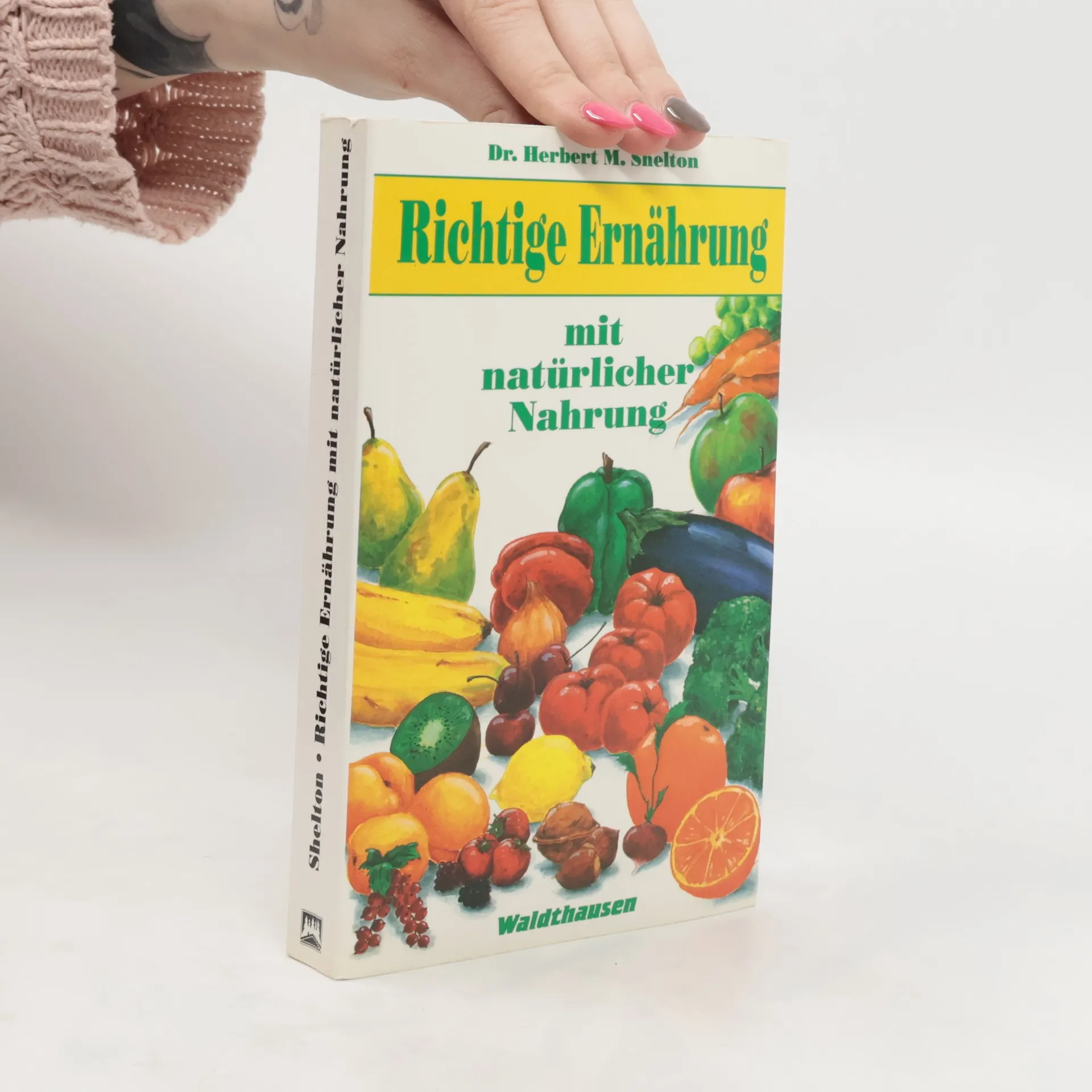
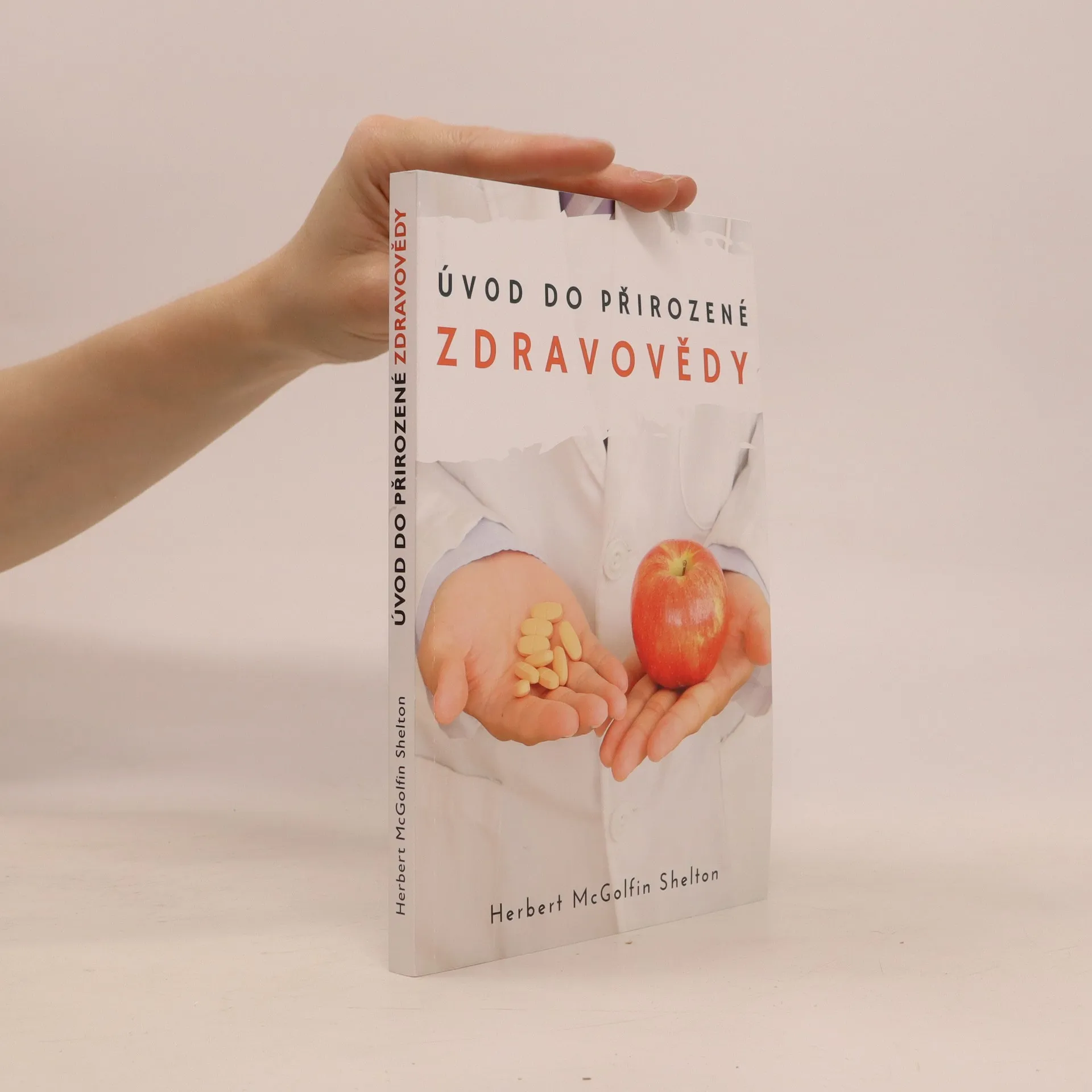
Focusing on the holistic approach to health, this book delves into the principles of natural hygiene, emphasizing the body's innate healing abilities. It traces the historical roots of natural hygiene from ancient Greece to modern times, discussing essential concepts such as a whole foods, plant-based diet, exercise, and mental well-being. The text also offers practical guidance for integrating these principles into daily life, including meal planning and stress management. This resource is ideal for those seeking a comprehensive understanding of natural health practices.
2013 Reprint of 1951 Edition. Full facsimile of the original edition, not reproduced with Optical Recognition Software. Written by Herbert Shelton, the founder of the natural hygiene movement, this classic has been the leading primer for anyone wanting guidance on which foods should and should not be eaten at the same meal for over sixty years. Readers will learn why combinations of acids, fats, starches, sugars, and proteins disrupt the normal processes of digestion. Shelton was known as the father of food combining and was among the first to advocate fasting and raw foods as healing therapies. Shelton was nominated by the American Vegetarian Party to run as its candidate for President of the United States in 1956. He saw himself as the champion of original Natural hygiene ideas from the 1830s.
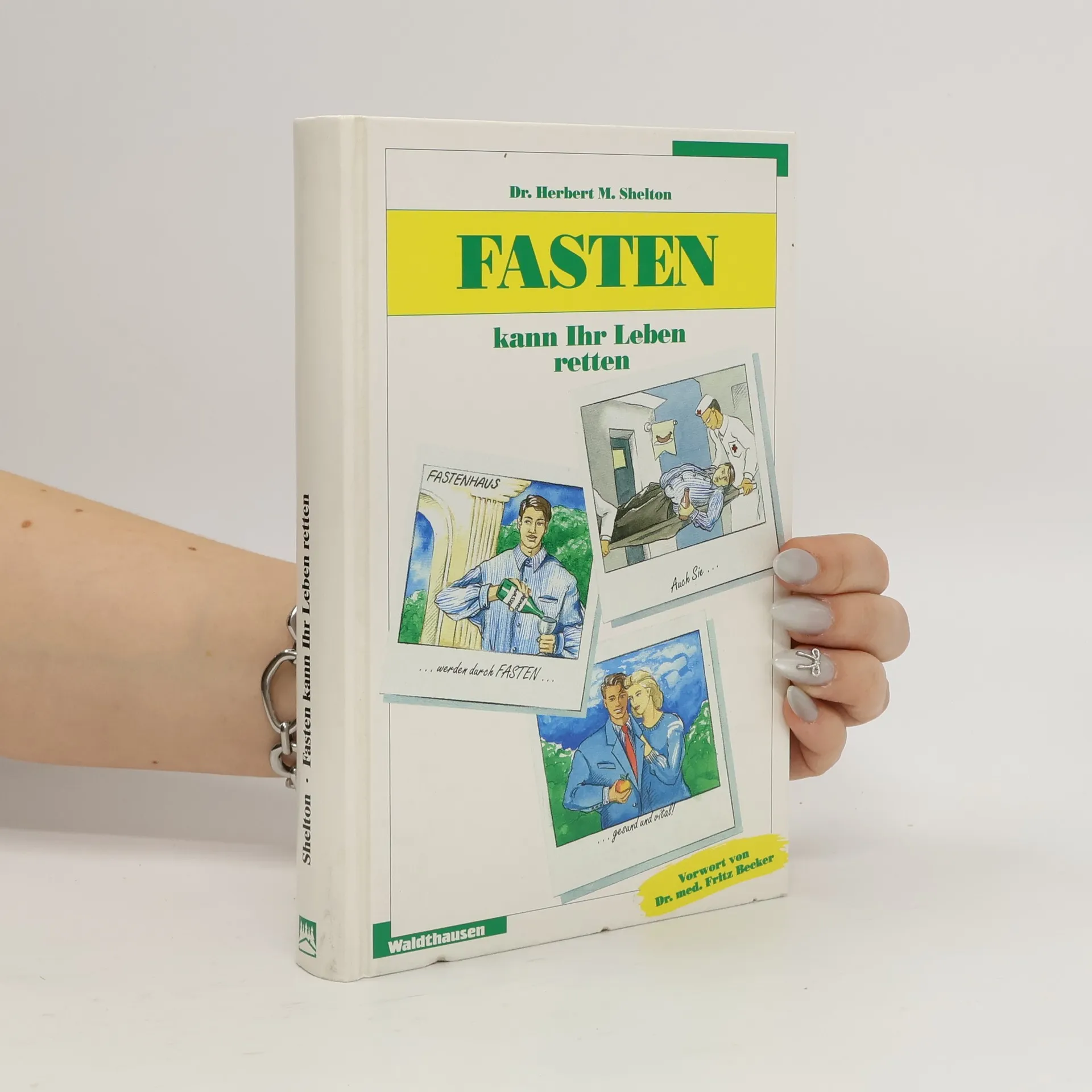
This book is a reprint of Herbert Shelton's work on fasting, focusing on its role in natural hygiene. Shelton, a pioneer in health education, argues that fasting aids in healing by allowing the body to repair itself and eliminate toxins. It covers various aspects of fasting, its benefits, and practical guidance for conducting a fast.
Focusing on the principles of fasting, this work by Herbert Shelton outlines the significance of fasting in promoting healing and restoring balance within the body. Shelton, a prominent figure in natural hygiene, emphasizes that fasting allows the body to utilize its own tissues for nutrition, redirecting energy towards repair and detoxification. The text provides detailed guidance on conducting fasts of varying lengths, addressing physiological changes, mental effects, and the role of fasting in chronic disease management. It serves as a comprehensive resource for understanding and implementing fasting as a therapeutic practice.