

Meer over het boek
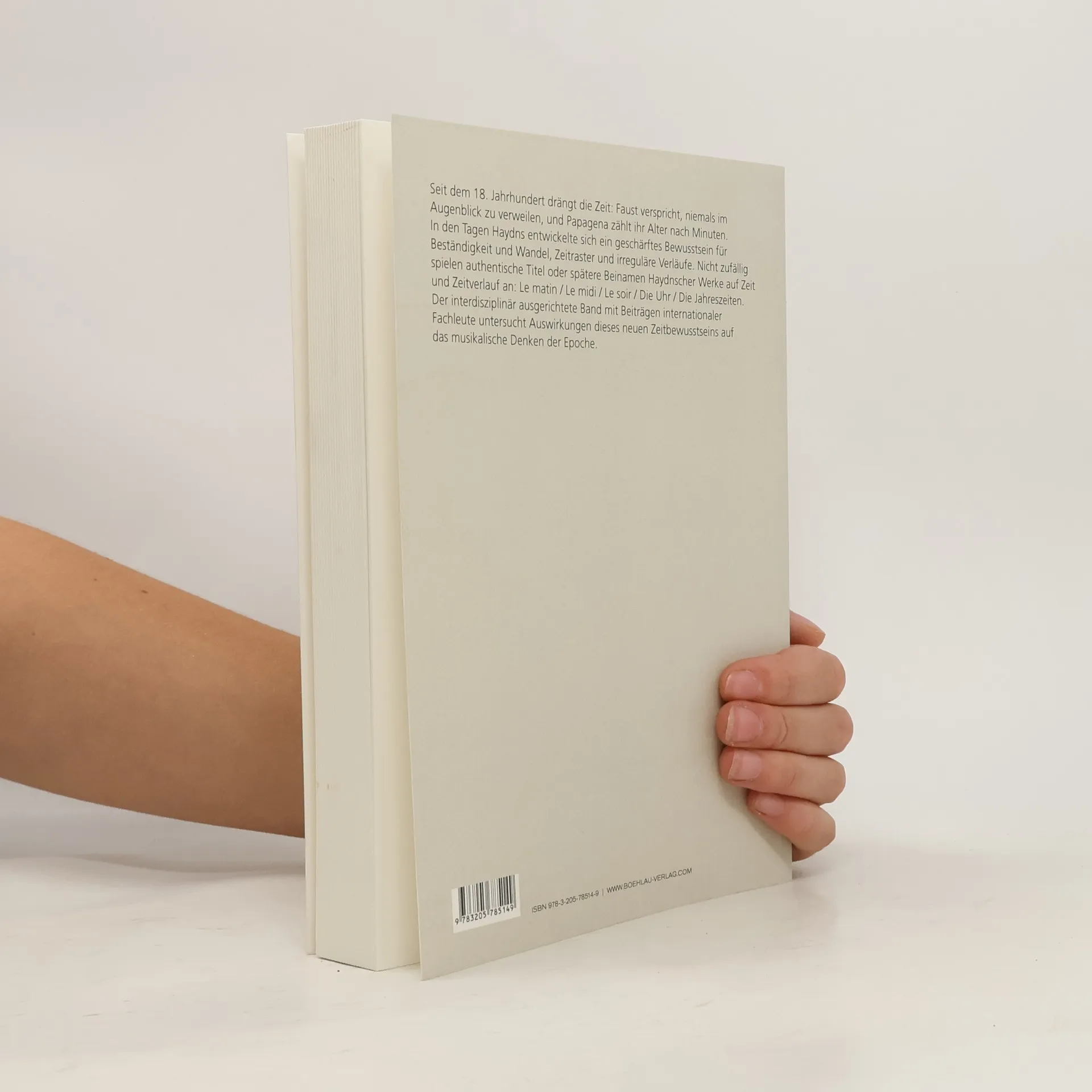
Since the 18th century, Faust promises never to linger in the moment, and Papagena pays her age by the minute. With industrialization, time became money, and revolutions toppled the old order. In Haydn's days, a sharpened awareness of permanence and change, time grids, and irregular courses developed. Authentic titles or later names of Haydn's works reference time and the passage of time: Le matin/Le midi/Le soir/Die Uhr/Die Jahreszeiten. This interdisciplinary volume, featuring contributions from international experts, examines the impact of this new awareness of time on the musical thinking of the era. Drawing from various approaches, it bridges the perception of time in the period and Haydn's personal experience of time, contemporary ideas of progress and acceleration, and the composer's narrative strategies, as well as the technical developments alongside the fascination that clocks and automatons held for contemporaries and Haydn's rhythmic finesse. The collected essays thus locate aspects of musical time design in both compositional history and cultural studies.
Een boek kopen
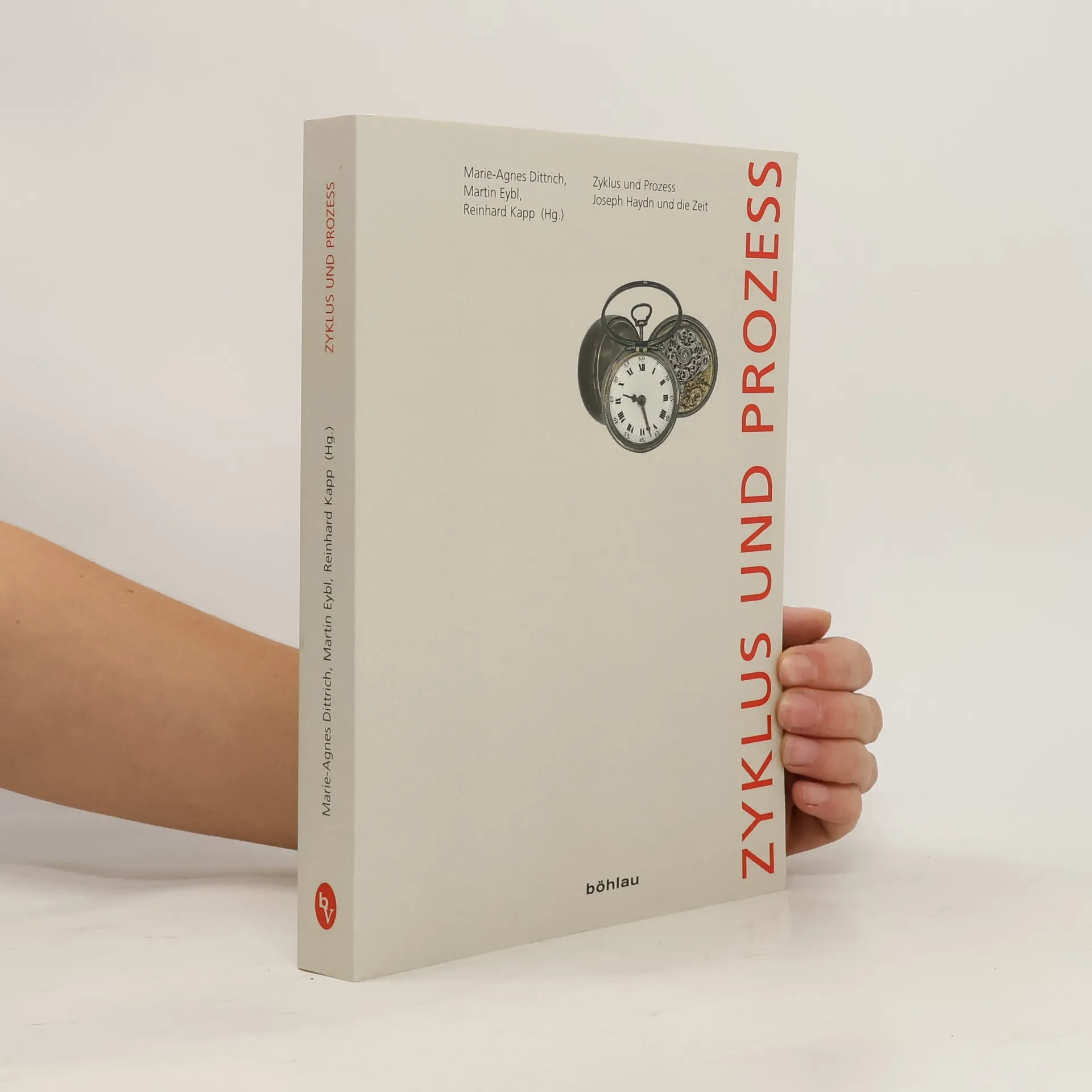
Zyklus und Prozess, Marie Agnes Dittrich
- Taal

- Jaar van publicatie
- 2012
- Bindwijze
- (Paperback)
Betaalmethoden
Nog niemand heeft beoordeeld.
- Titel
- Zyklus und Prozess
- Ondertitel
- Joseph Haydn und die Zeit
- Taal
- Engels
- Auteurs
- Marie Agnes Dittrich
- Uitgever
- Böhlau
- Jaar van publicatie
- 2012
- Formaat
- Paperback
- Aantal pagina's
- 338
- ISBN10
- 3205785142
- ISBN13
- 9783205785149
- Reeks
- Categorieën
- Aantekening
- Since the 18th century, Faust promises never to linger in the moment, and Papagena pays her age by the minute. With industrialization, time became money, and revolutions toppled the old order. In Haydn's days, a sharpened awareness of permanence and change, time grids, and irregular courses developed. Authentic titles or later names of Haydn's works reference time and the passage of time: Le matin/Le midi/Le soir/Die Uhr/Die Jahreszeiten. This interdisciplinary volume, featuring contributions from international experts, examines the impact of this new awareness of time on the musical thinking of the era. Drawing from various approaches, it bridges the perception of time in the period and Haydn's personal experience of time, contemporary ideas of progress and acceleration, and the composer's narrative strategies, as well as the technical developments alongside the fascination that clocks and automatons held for contemporaries and Haydn's rhythmic finesse. The collected essays thus locate aspects of musical time design in both compositional history and cultural studies.