

Meer over het boek
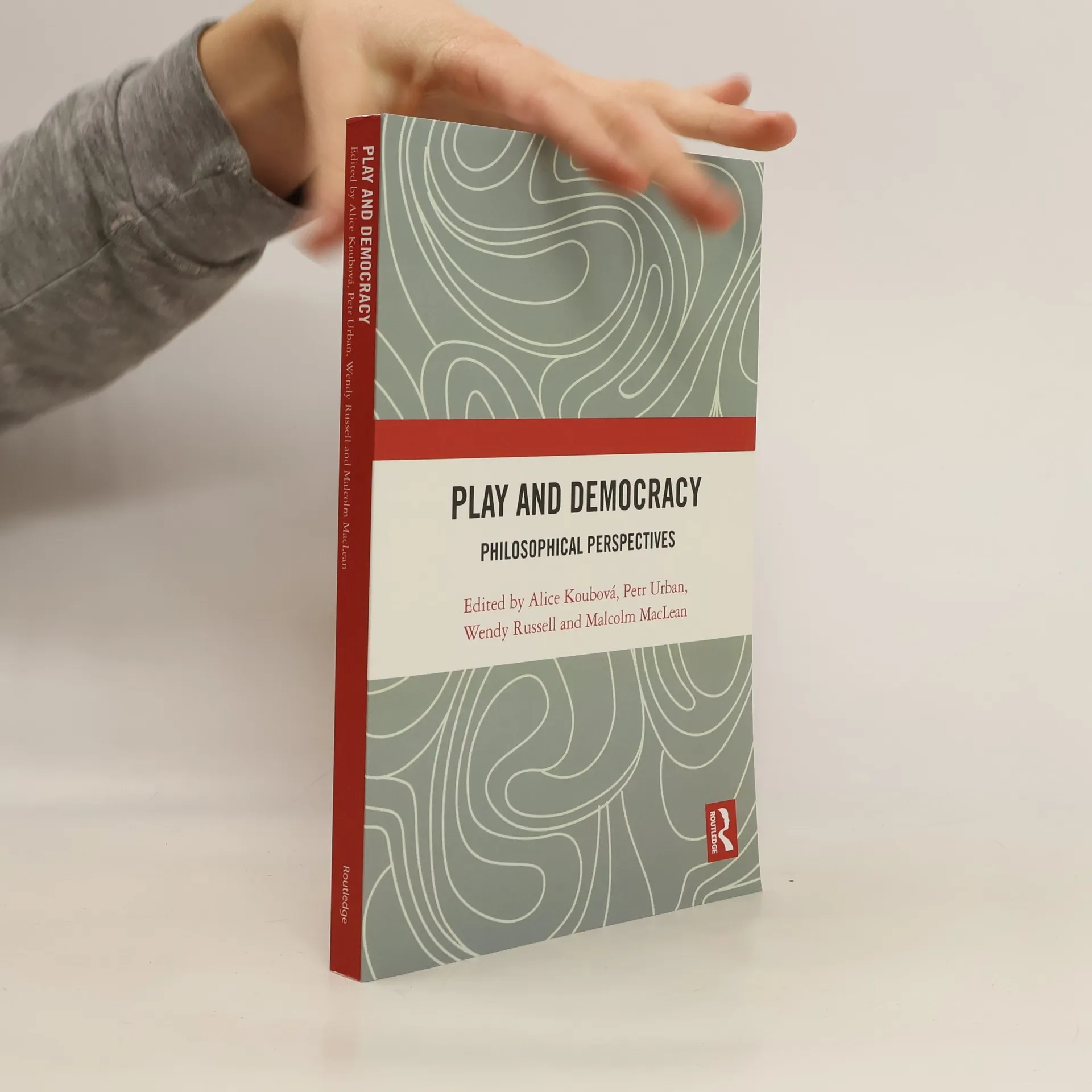
This book delves into the intricate relationships between democracy and play, presenting significant new theoretical and empirical research. It forges connections between philosophical inquiry and various fields, including the arts, political activism, children’s play, education, and political science. The work addresses four main themes. First, it conceptualizes the interplay between play and democracy, reflecting on issues of normativity, ethics, and political power. Second, it investigates play in urban environments, focusing on activism, aesthetic experiences, political carnivals, and performances. Third, it provides examples of how playful artistic performances can serve as forms of democratic resistance against dominant power structures. Lastly, it explores the paradoxes of play in fostering democratic sensibilities and resisting authority within educational contexts. These themes are examined through chapters on aesthetic practice, pedagogy, various forms of activism, and urban experiences, highlighting how play and playfulness can create opportunities for democratic practice and change. This book enriches our understanding of play as a potent political, cultural, and social force, making it essential reading for students and researchers interested in play, philosophy, politics, sociology, arts, sport, or education.
Een boek kopen
Play and Democracy. Philosophical Perspectives, Auteurscollectief
- Taal

- Jaar van publicatie
- 2022
- Bindwijze
- (Paperback)
Betaalmethoden
Nog niemand heeft beoordeeld.
- Titel
- Play and Democracy. Philosophical Perspectives
- Taal
- Engels
- Auteurs
- Auteurscollectief
- Uitgever
- Routledge
- Jaar van publicatie
- 2022
- Formaat
- Paperback
- Aantal pagina's
- 278
- ISBN10
- 0367641305
- ISBN13
- 9780367641306
- Reeks
- Categorieën
- Aantekening
- This book delves into the intricate relationships between democracy and play, presenting significant new theoretical and empirical research. It forges connections between philosophical inquiry and various fields, including the arts, political activism, children’s play, education, and political science. The work addresses four main themes. First, it conceptualizes the interplay between play and democracy, reflecting on issues of normativity, ethics, and political power. Second, it investigates play in urban environments, focusing on activism, aesthetic experiences, political carnivals, and performances. Third, it provides examples of how playful artistic performances can serve as forms of democratic resistance against dominant power structures. Lastly, it explores the paradoxes of play in fostering democratic sensibilities and resisting authority within educational contexts. These themes are examined through chapters on aesthetic practice, pedagogy, various forms of activism, and urban experiences, highlighting how play and playfulness can create opportunities for democratic practice and change. This book enriches our understanding of play as a potent political, cultural, and social force, making it essential reading for students and researchers interested in play, philosophy, politics, sociology, arts, sport, or education.