


Parameters
Meer over het boek
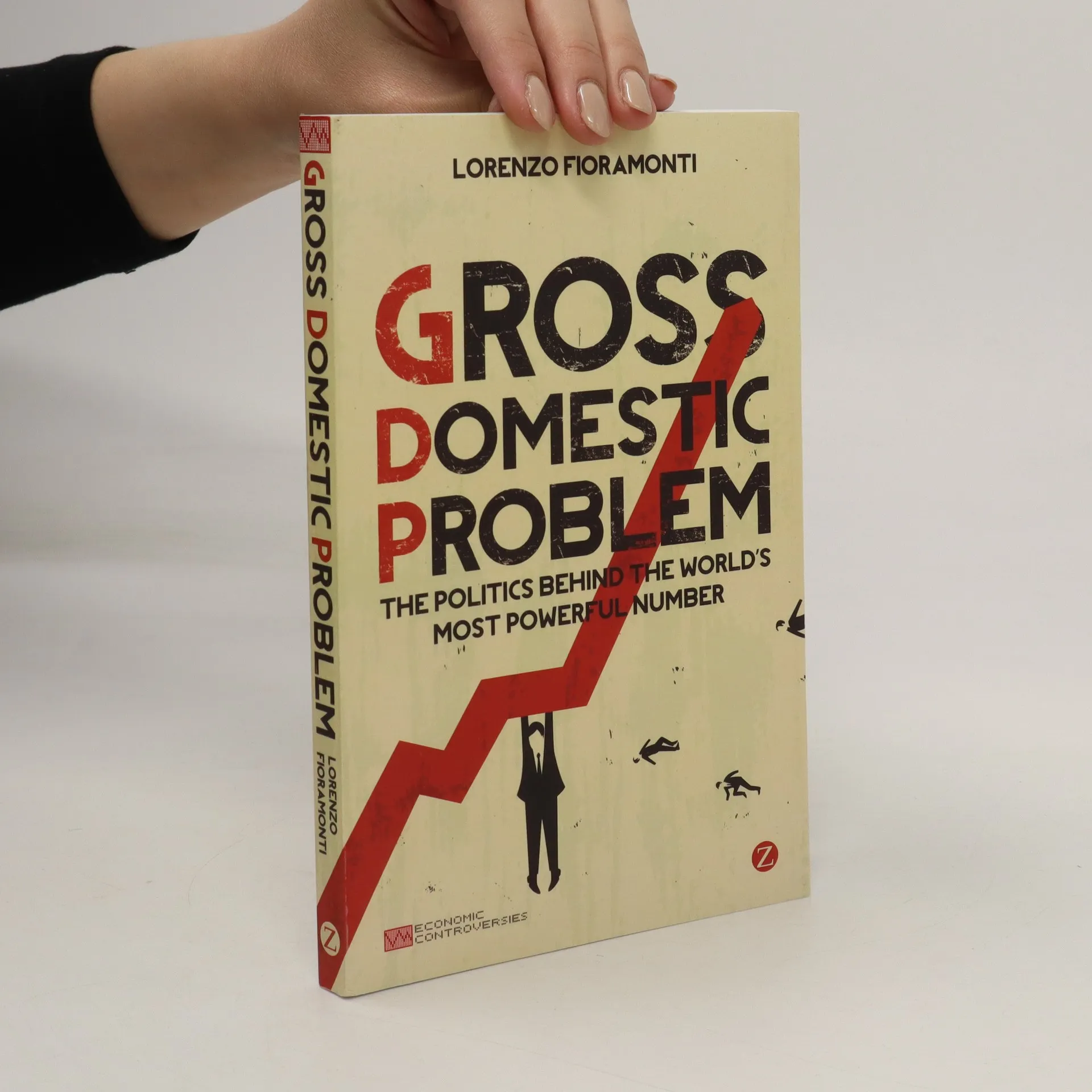
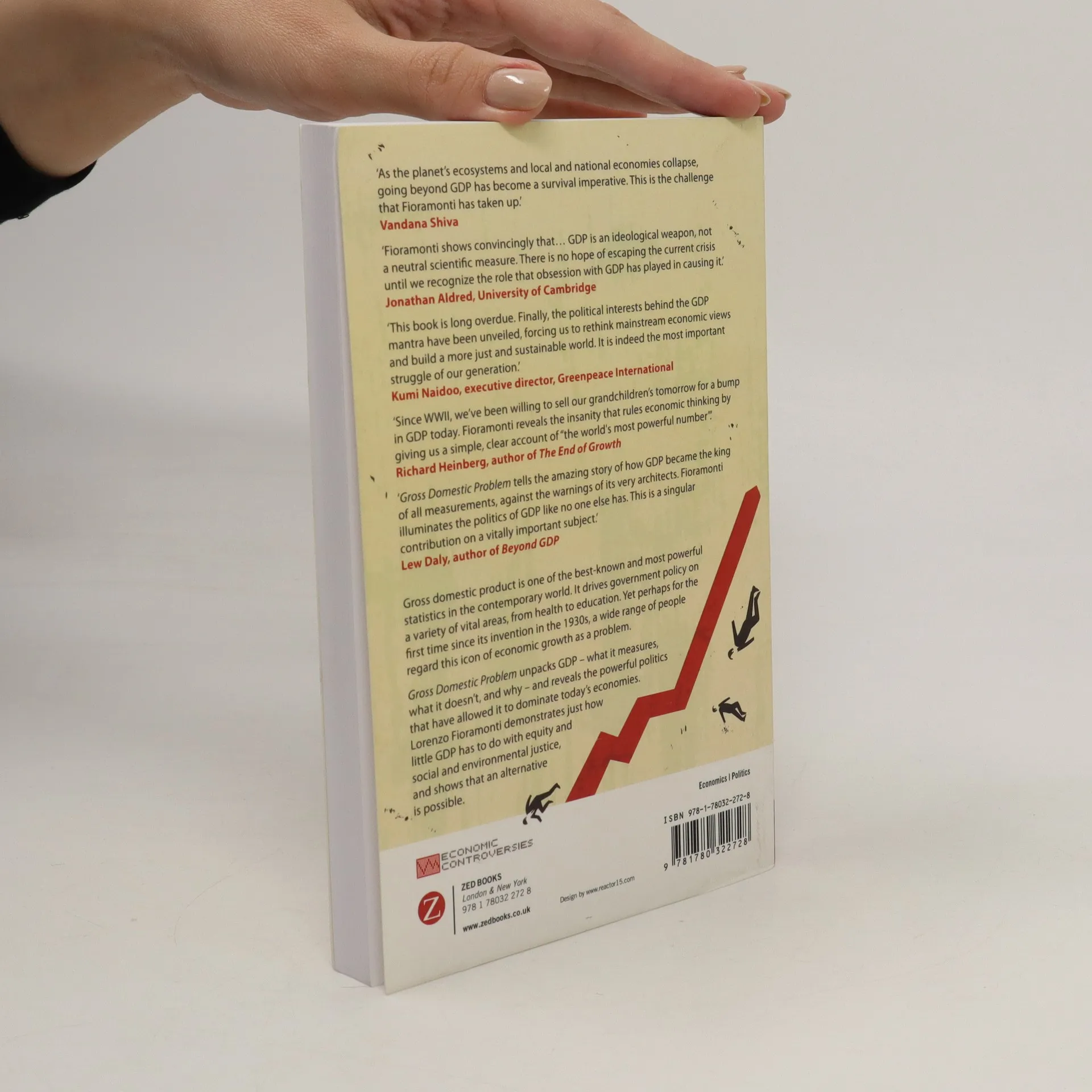
Gross domestic product is arguably the best-known statistic in the contemporary world, and certainly amongst the most powerful. It drives government policy and sets priorities in a variety of vital social fields - from schooling to healthcare. Yet for perhaps the first time since it was invented in the 1930s, this popular icon of economic growth has come to be regarded by a wide range of people as a 'problem'. After all, does our quality of life really improve when our economy grows 2 or 3 per cent? Can we continue to sacrifice the environment to safeguard a vision of the world based on the illusion of infinite economic growth? Lorenzo Fioramonti takes apart the 'content' of GDP - what it measures, what it doesn't and why - and reveals the powerful political interests that have allowed it to dominate today's economies. In doing so, he demonstrates just how little relevance GDP has to moral principles such as equity, social justice and redistribution, and shows that an alternative is possible, as evinced by the 'de-growth' movement and initiatives such as transition towns. A startling insight into the politics of a number that has come to dominate our everyday lives.
Een boek kopen
Gross domestic problem: the politics behind the world's most powerful number, Lorenzo Fioramonti
- Taal

- Jaar van publicatie
- 2013
- Bindwijze
- (Paperback)
Betaalmethoden
We missen je recensie hier.
- Titel
- Gross domestic problem: the politics behind the world's most powerful number
- Taal
- Engels
- Auteurs
- Lorenzo Fioramonti
- Uitgever
- Zed Books
- Jaar van publicatie
- 2013
- Formaat
- Paperback
- ISBN10
- 1780322720
- ISBN13
- 9781780322728
- Reeks
- Categorieën
- Beoordeling
- 3,95 van 5
- Aantekening
- Gross domestic product is arguably the best-known statistic in the contemporary world, and certainly amongst the most powerful. It drives government policy and sets priorities in a variety of vital social fields - from schooling to healthcare. Yet for perhaps the first time since it was invented in the 1930s, this popular icon of economic growth has come to be regarded by a wide range of people as a 'problem'. After all, does our quality of life really improve when our economy grows 2 or 3 per cent? Can we continue to sacrifice the environment to safeguard a vision of the world based on the illusion of infinite economic growth? Lorenzo Fioramonti takes apart the 'content' of GDP - what it measures, what it doesn't and why - and reveals the powerful political interests that have allowed it to dominate today's economies. In doing so, he demonstrates just how little relevance GDP has to moral principles such as equity, social justice and redistribution, and shows that an alternative is possible, as evinced by the 'de-growth' movement and initiatives such as transition towns. A startling insight into the politics of a number that has come to dominate our everyday lives.