



Meer over het boek
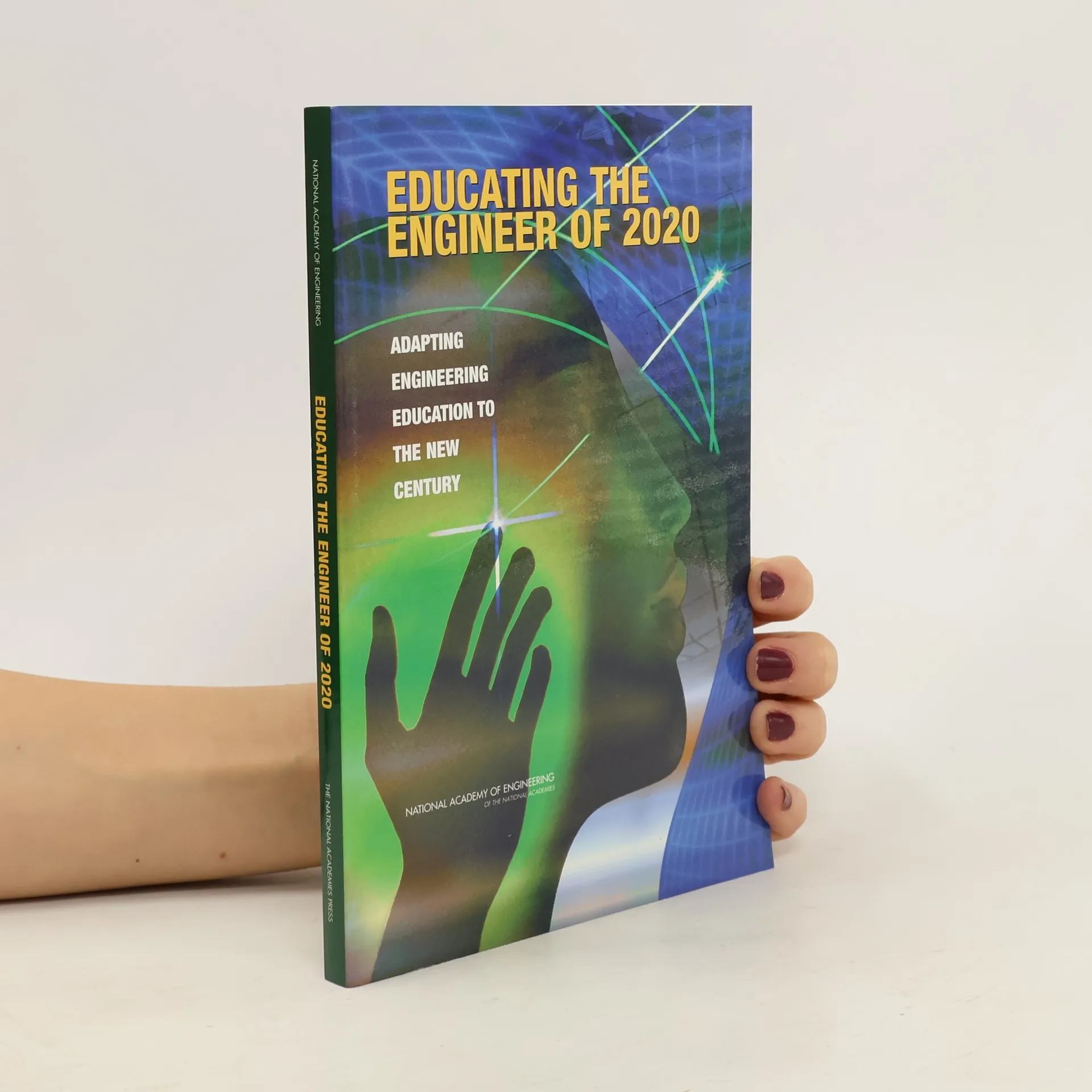
Educating the Engineer of 2020 is grounded by the observations, questions, and conclusions presented in the best-selling book The Engineer of 2020: Visions of Engineering in the New Century . This new book offers recommendations on how to enrich and broaden engineering education so graduates are better prepared to work in a constantly changing global economy. It notes the importance of improving recruitment and retention of students and making the learning experience more meaningful to them. It also discusses the value of considering changes in engineering education in the broader context of enhancing the status of the engineering profession and improving the public understanding of engineering. Although certain basics of engineering will not change in the future, the explosion of knowledge, the global economy, and the way engineers work will reflect an ongoing evolution. If the United States is to maintain its economic leadership and be able to sustain its share of high-technology jobs, it must prepare for this wave of change.
Een boek kopen
Educating the Engineer of 2020, Auteurscollectief
- Taal

- Jaar van publicatie
- 2005
- Bindwijze
- (Paperback)
Betaalmethoden
We missen je recensie hier.
- Titel
- Educating the Engineer of 2020
- Taal
- Engels
- Auteurs
- Auteurscollectief
- Uitgever
- National Academies Press
- Jaar van publicatie
- 2005
- Formaat
- Paperback
- Aantal pagina's
- 208
- ISBN10
- 0309096499
- ISBN13
- 9780309096492
- Reeks
- Categorieën
- Tags
- Beoordeling
- 3,8 van 5
- Aantekening
- Educating the Engineer of 2020 is grounded by the observations, questions, and conclusions presented in the best-selling book The Engineer of 2020: Visions of Engineering in the New Century . This new book offers recommendations on how to enrich and broaden engineering education so graduates are better prepared to work in a constantly changing global economy. It notes the importance of improving recruitment and retention of students and making the learning experience more meaningful to them. It also discusses the value of considering changes in engineering education in the broader context of enhancing the status of the engineering profession and improving the public understanding of engineering. Although certain basics of engineering will not change in the future, the explosion of knowledge, the global economy, and the way engineers work will reflect an ongoing evolution. If the United States is to maintain its economic leadership and be able to sustain its share of high-technology jobs, it must prepare for this wave of change.