

Meer over het boek
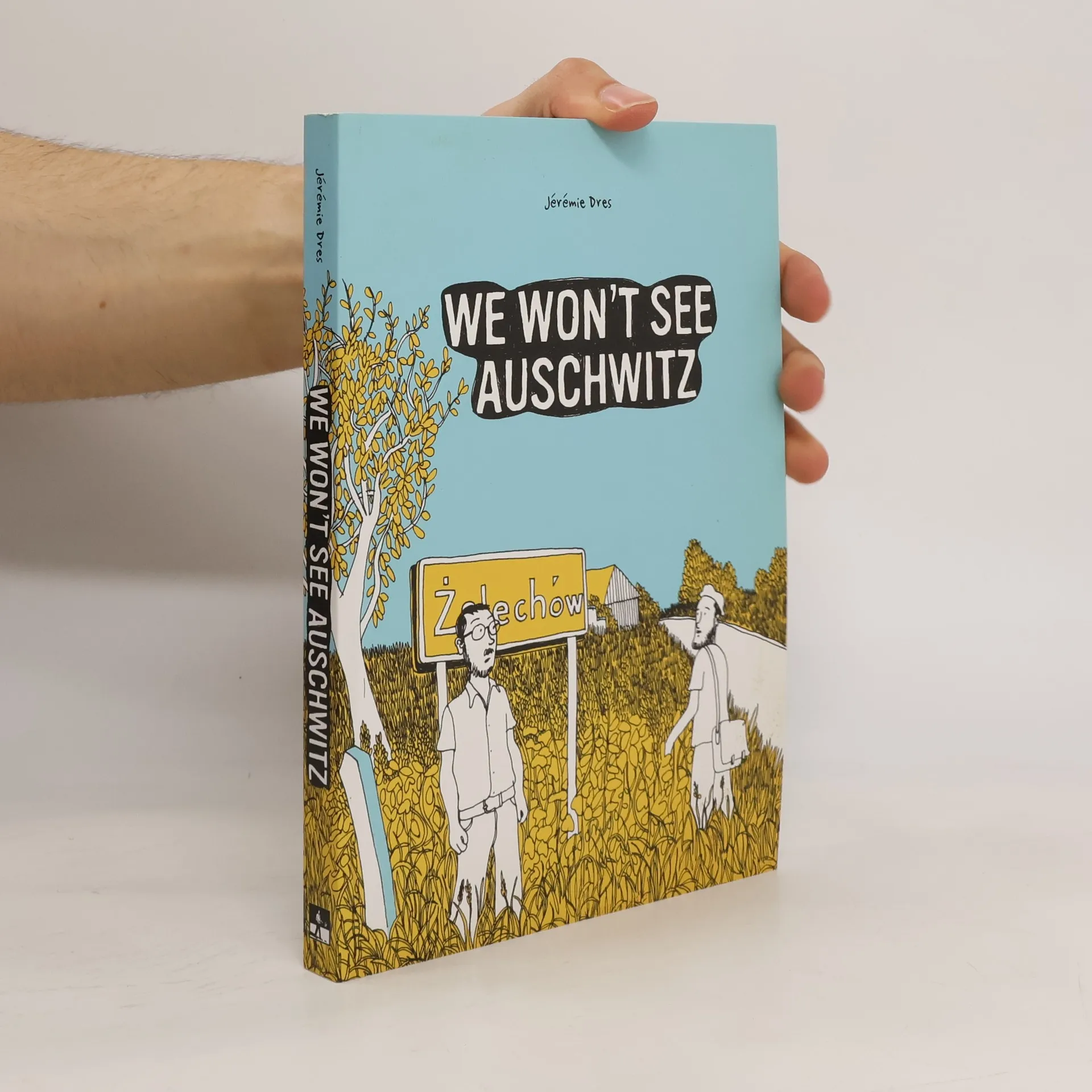
When his grandmother dies, Jeremie and his elder brother want to learn more about their family's Polish roots. But Jeremie is less interested in finding out about how the Holocaust affected his family, and more interested to understand what it means to be Jewish and Polish today. They decide not to do the Holocaust trail...they won't go to Auschwitz, but instead they go to a village Zelechow (where their grandfather was born), Warsaw (where their grandmother was raised) and Krakow, which hosts Europe's largest festival of Jewish culture. During the course of a week, they discover a country that is still affected by its past. The brothers talk to lots of people including progressive rabbis and young Jewish Orthodox artists. Using their grandmother's stories, they piece together pieces of their family history. This is a semi-autographical work: from a search for identity, emerges a profound optimism and a lust for life.
Een boek kopen
We Won't See Auschwitz (SelfMadeHero), Jérémie Dres
- Taal

- Jaar van publicatie
- 2013
- Bindwijze
- (Paperback)
Betaalmethoden
We missen je recensie hier.
- Titel
- We Won't See Auschwitz (SelfMadeHero)
- Taal
- Engels
- Auteurs
- Jérémie Dres
- Uitgever
- SelfMadeHero
- Jaar van publicatie
- 2013
- Formaat
- Paperback
- Aantal pagina's
- 199
- ISBN10
- 1906838631
- ISBN13
- 9781906838638
- Reeks
- Categorieën
- Beoordeling
- 3,25 van 5
- Aantekening
- When his grandmother dies, Jeremie and his elder brother want to learn more about their family's Polish roots. But Jeremie is less interested in finding out about how the Holocaust affected his family, and more interested to understand what it means to be Jewish and Polish today. They decide not to do the Holocaust trail...they won't go to Auschwitz, but instead they go to a village Zelechow (where their grandfather was born), Warsaw (where their grandmother was raised) and Krakow, which hosts Europe's largest festival of Jewish culture. During the course of a week, they discover a country that is still affected by its past. The brothers talk to lots of people including progressive rabbis and young Jewish Orthodox artists. Using their grandmother's stories, they piece together pieces of their family history. This is a semi-autographical work: from a search for identity, emerges a profound optimism and a lust for life.