


Meer over het boek
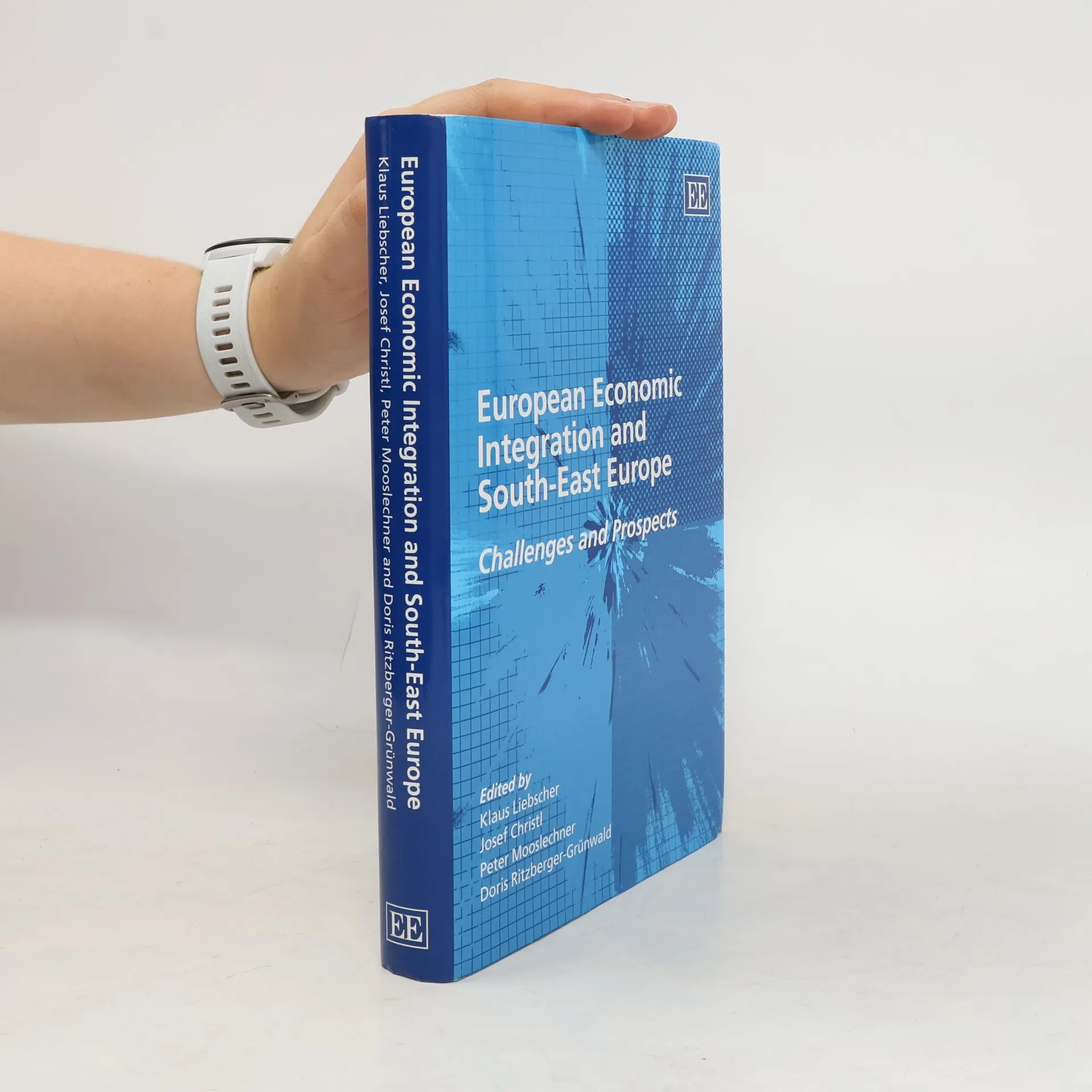
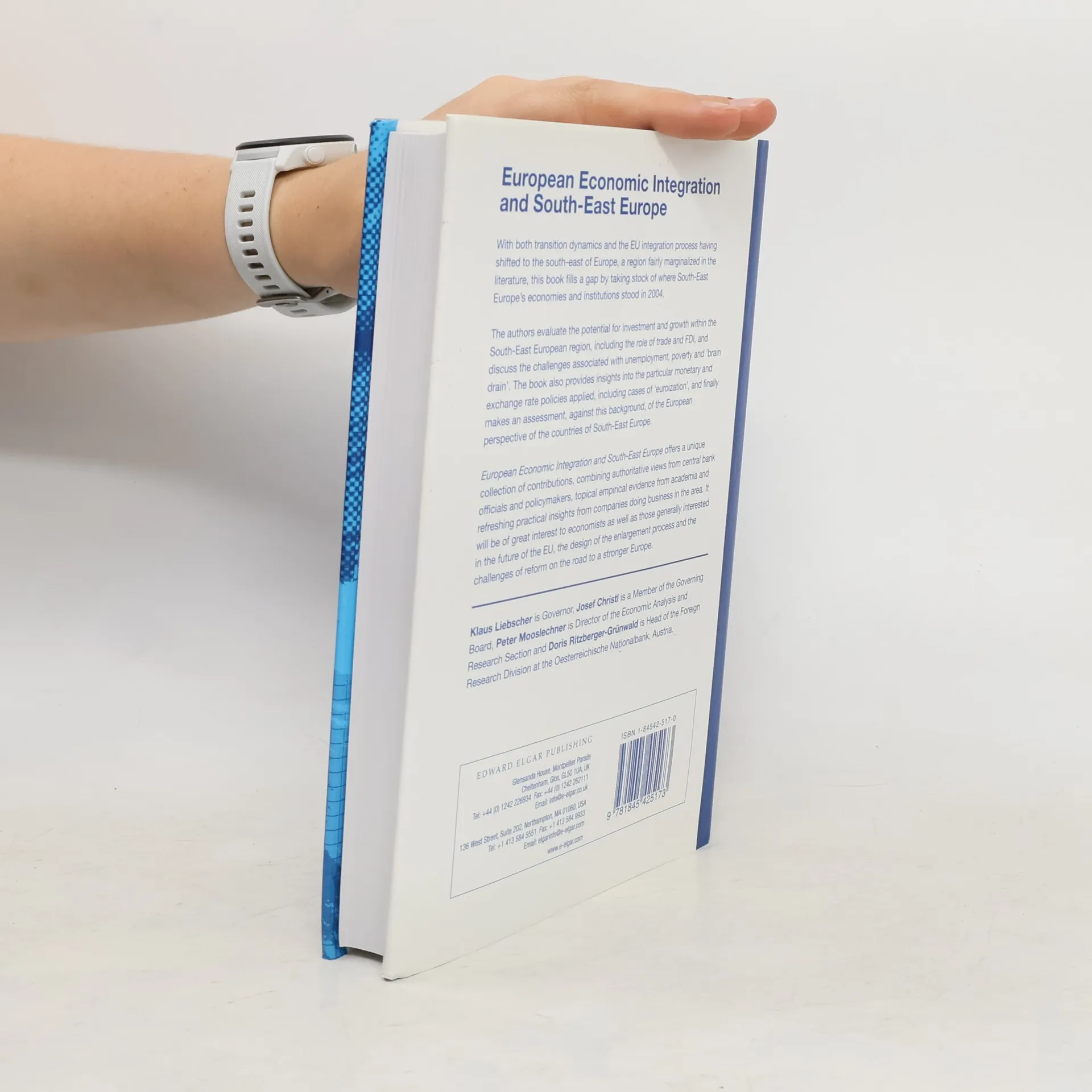
With both transition dynamics and the EU integration process having shifted to the south-east of Europe, a region fairly marginalized in the literature, this book fills a gap by taking stock of where South-East Europe's economies and institutions stood in 2004. The authors evaluate the potential for investment and growth within the South-East European region, including the role of trade and FDI, and discuss the challenges associated with unemployment, poverty and 'brain drain'. The book also provides insights into the particular monetary and exchange rate policies applied, including cases of 'euroization', and finally makes an assessment, against this background, of the European perspective of the countries of South-East Europe. European Economic Integration and South-East Europe offers a unique collection of contributions, combining authoritative views from central bank officials and policymakers, topical empirical evidence from academia and refreshing practical insights from companies doing business in the area. It will be of great interest to economists as well as those generally interested in the future of the EU, the design of the enlargement process and the challenges of reform on the road to a stronger Europe.
Een boek kopen
European Economic Integration and South-East Europe, Klaus Liebscher
- Taal

- Jaar van publicatie
- 2005
- Bindwijze
- (Hardcover)
Betaalmethoden
Nog niemand heeft beoordeeld.
- Titel
- European Economic Integration and South-East Europe
- Taal
- Engels
- Auteurs
- Klaus Liebscher
- Uitgever
- Edward Elgar
- Jaar van publicatie
- 2005
- Formaat
- Hardcover
- Aantal pagina's
- 416
- ISBN10
- 1845425170
- ISBN13
- 9781845425173
- Reeks
- Categorieën
- Tags
- Handel
- Aantekening
- With both transition dynamics and the EU integration process having shifted to the south-east of Europe, a region fairly marginalized in the literature, this book fills a gap by taking stock of where South-East Europe's economies and institutions stood in 2004. The authors evaluate the potential for investment and growth within the South-East European region, including the role of trade and FDI, and discuss the challenges associated with unemployment, poverty and 'brain drain'. The book also provides insights into the particular monetary and exchange rate policies applied, including cases of 'euroization', and finally makes an assessment, against this background, of the European perspective of the countries of South-East Europe. European Economic Integration and South-East Europe offers a unique collection of contributions, combining authoritative views from central bank officials and policymakers, topical empirical evidence from academia and refreshing practical insights from companies doing business in the area. It will be of great interest to economists as well as those generally interested in the future of the EU, the design of the enlargement process and the challenges of reform on the road to a stronger Europe.