

Meer over het boek
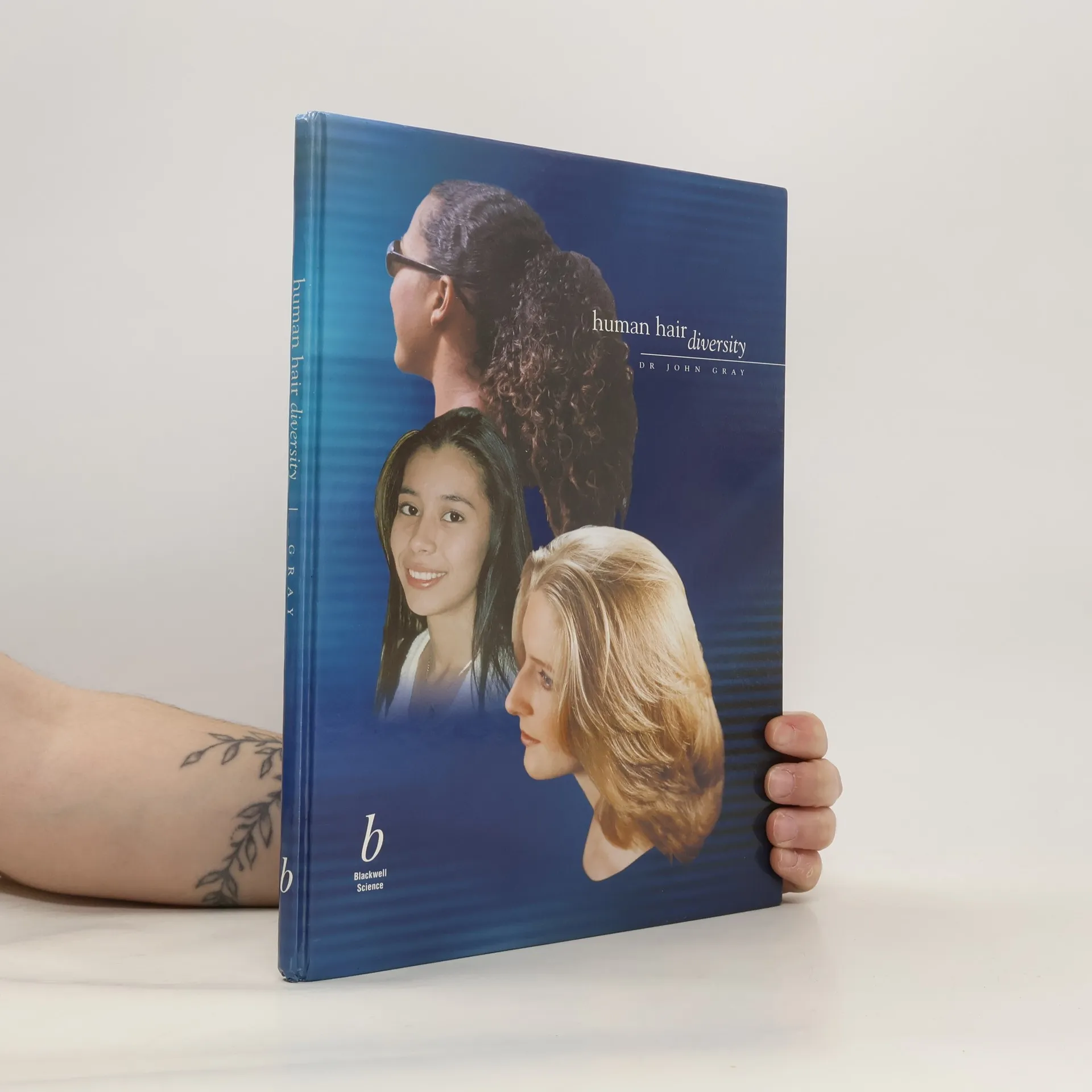
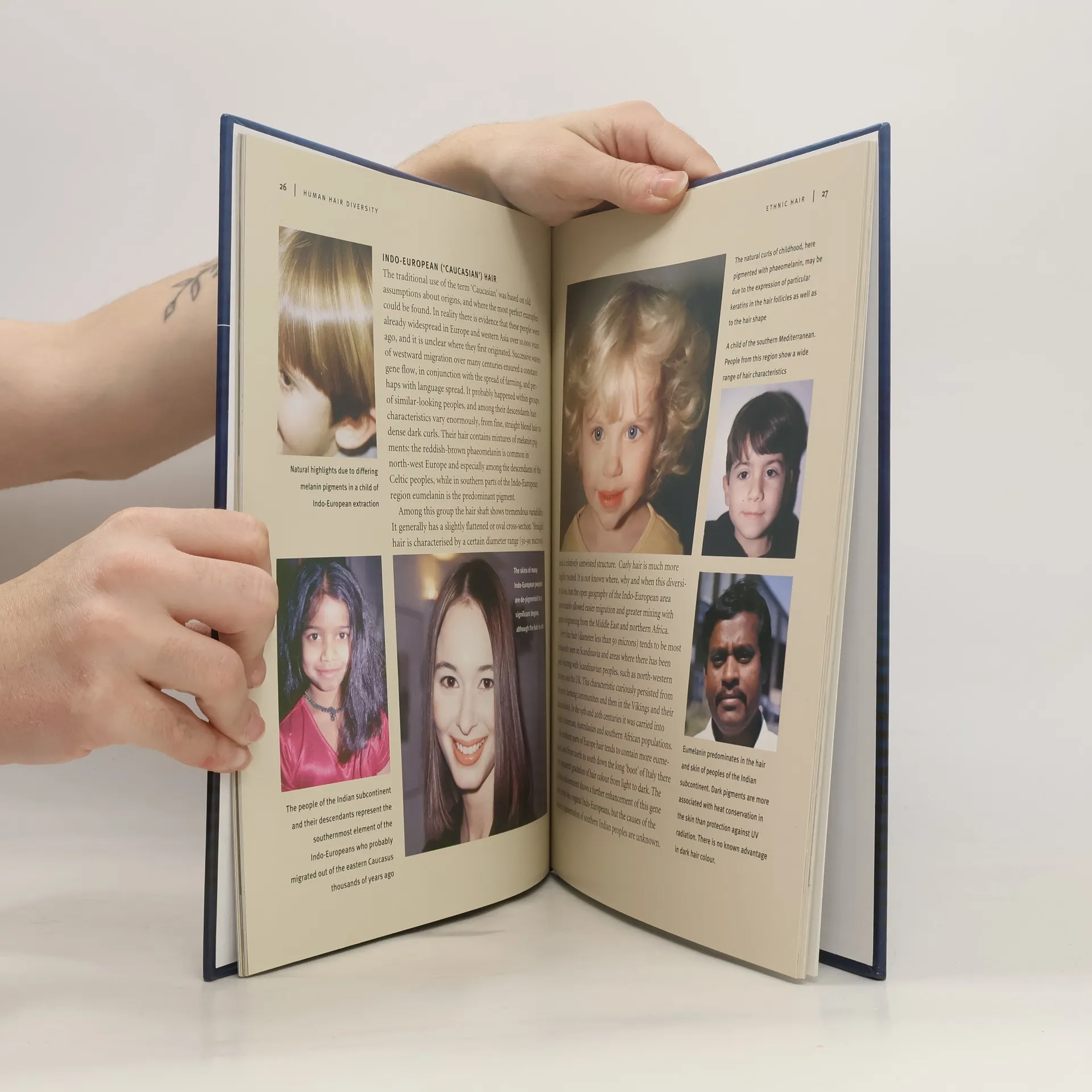
The book discusses the different basic hair types and how these have changed over thousands of years due to the movement and gradual blending of populations and more recently to the demands of fashion for straightening, colouring, curling or otherwise altering the hair.It begins with a description of the structure of different types of hair, and then describes how the spread of humans over the earth has led to so much hair diversity. The effect that differences in porosity, elasticity and texture have on different hair types is explained. Advice is given on how to treat hair to maintain its strength and condition and to avoid unnecessary hair loss, breakage or even scalp burn. The final chapters consider the various chemicals used in hair treatments, with their actions and interactions, and explains how to minimise the damage that careless treatment can inflict. Our hair is a unique asset, which we can use to represent an 'image', express rebellion, or even attract a mate.
Een boek kopen
Human Hair Diversity, John Gray
- Taal

- Jaar van publicatie
- 2001
- Bindwijze
- (Hardcover)
Betaalmethoden
Nog niemand heeft beoordeeld.
- Titel
- Human Hair Diversity
- Taal
- Engels
- Auteurs
- John Gray
- Uitgever
- Wiley-Blackwell
- Jaar van publicatie
- 2001
- Formaat
- Hardcover
- Aantal pagina's
- 80
- ISBN10
- 063205672X
- ISBN13
- 9780632056729
- Reeks
- Categorieën
- Aantekening
- The book discusses the different basic hair types and how these have changed over thousands of years due to the movement and gradual blending of populations and more recently to the demands of fashion for straightening, colouring, curling or otherwise altering the hair.It begins with a description of the structure of different types of hair, and then describes how the spread of humans over the earth has led to so much hair diversity. The effect that differences in porosity, elasticity and texture have on different hair types is explained. Advice is given on how to treat hair to maintain its strength and condition and to avoid unnecessary hair loss, breakage or even scalp burn. The final chapters consider the various chemicals used in hair treatments, with their actions and interactions, and explains how to minimise the damage that careless treatment can inflict. Our hair is a unique asset, which we can use to represent an 'image', express rebellion, or even attract a mate.