

Meer over het boek
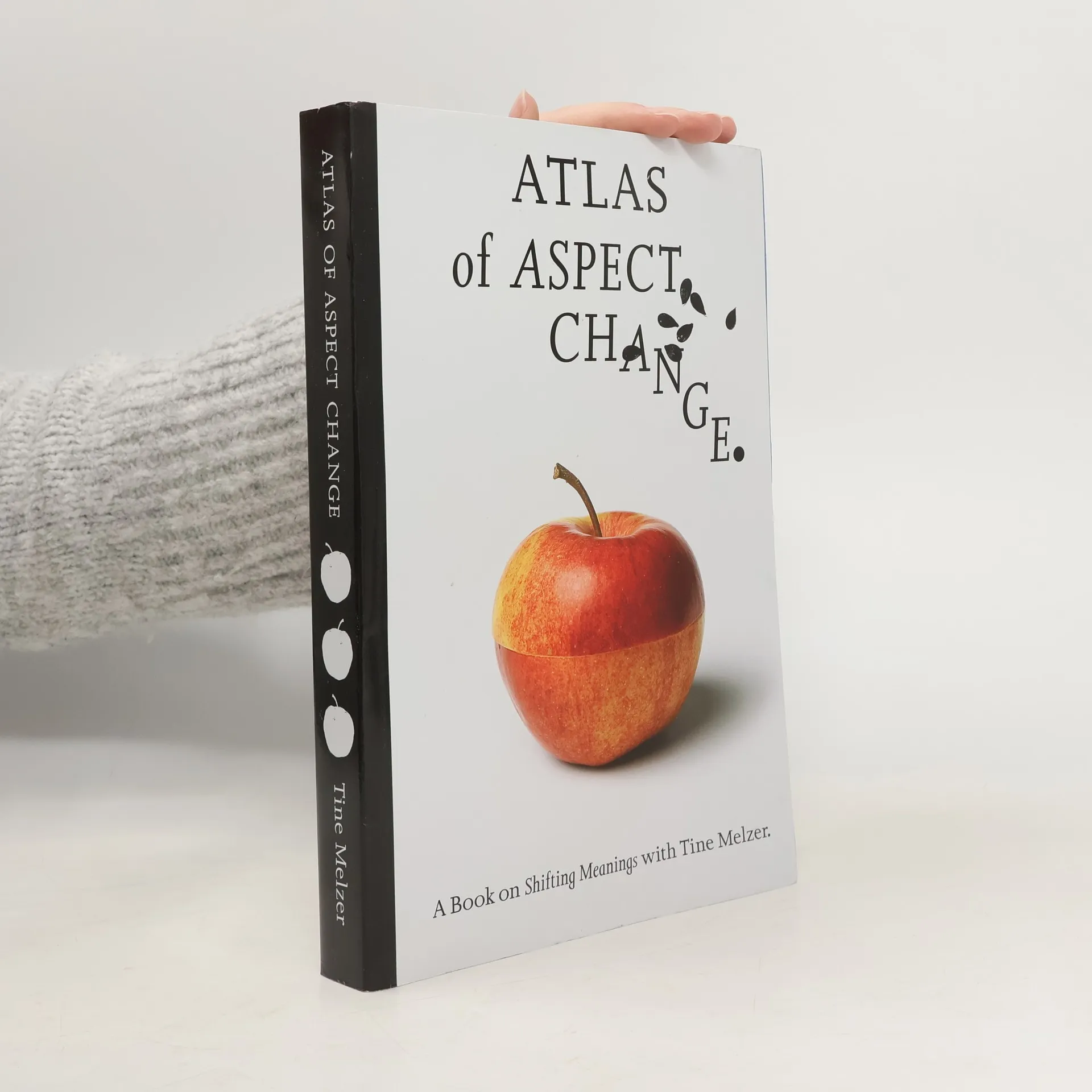
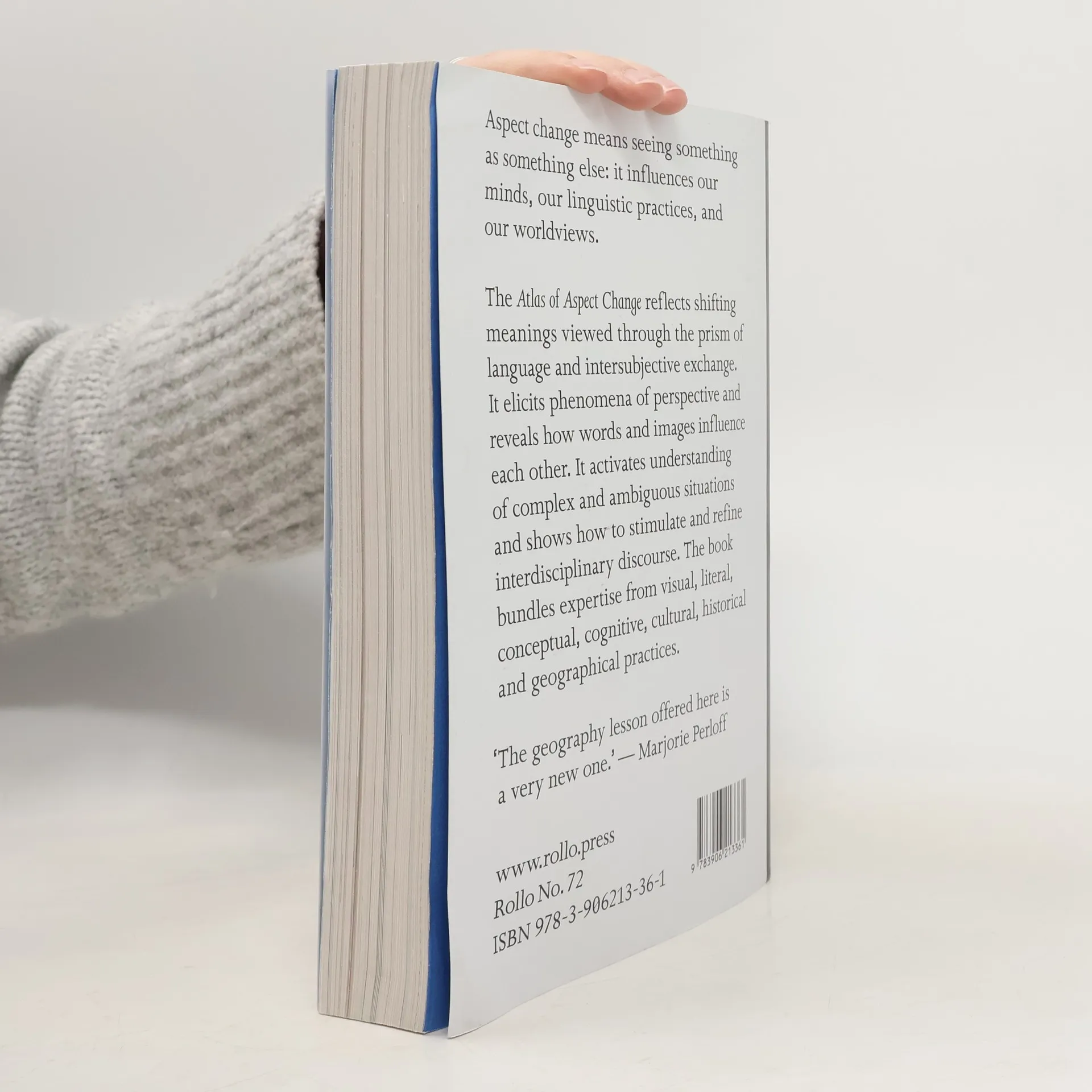
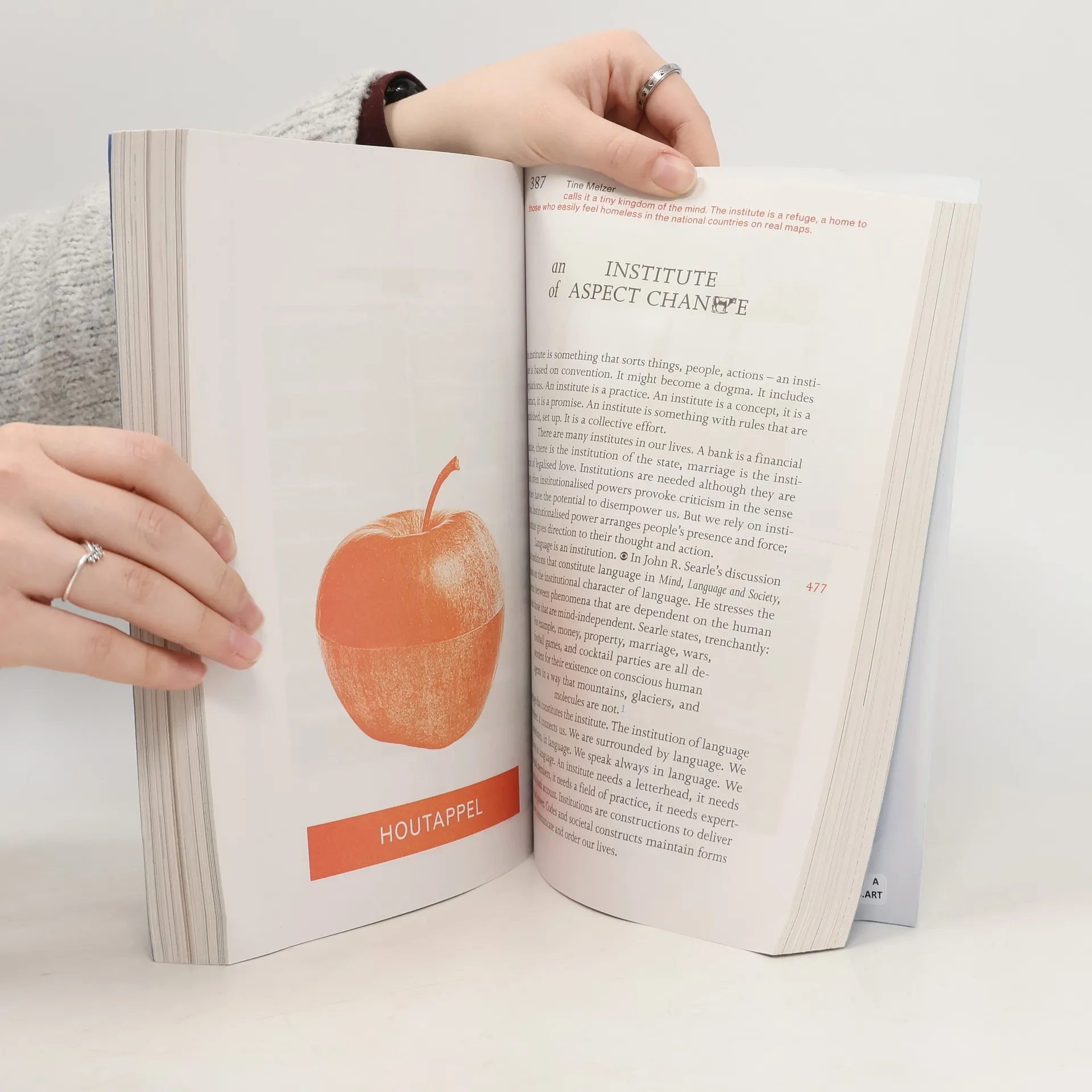
Aspect change means seeing something as something else: it influences our minds, our linguistic practices, and our worldviews. The 'Atlas of Aspect Change' reflects shifting meanings viewed through the prism of language and intersubjective exchange. It elicits phenomena of perspective and reveals how words and images influence each other. It activates understanding of complex and ambiguous situations and shows how to stimulate and refine interdisciplinary discourse. The book bundles expertise from visual, literal, conceptual, cognitive, cultural, historical and geographical practices. With a foreword by Marjorie Perloff and contributions by Martin Stokhof, Thomas Strässle, Batia Suter, Liza May Post, Sigurdur Gudmundsson, Benjamin Hennig, Nicholas Davey, Silvia Maier, Alexandra Leykauf, Uta Eisenreich, Christa-Maria Lerm Hayes, Kasper Andreasen, Tobias Servaas, Nils Röller, Arja Karhumaa, Frans Oosterhof, Ton Zwerver and many more.
Een boek kopen
Tine Melzer - Atlas of Aspect Change, Tine Melzer
- Taal

- Jaar van publicatie
- 2022
- Bindwijze
- (Paperback)
Betaalmethoden
Nog niemand heeft beoordeeld.
- Titel
- Tine Melzer - Atlas of Aspect Change
- Taal
- Engels
- Auteurs
- Tine Melzer
- Uitgever
- Rollo Press
- Jaar van publicatie
- 2022
- Formaat
- Paperback
- Aantal pagina's
- 626
- ISBN10
- 3906213366
- ISBN13
- 9783906213361
- Reeks
- Categorieën
- Tags
- Kunst
- Aantekening
- Aspect change means seeing something as something else: it influences our minds, our linguistic practices, and our worldviews. The 'Atlas of Aspect Change' reflects shifting meanings viewed through the prism of language and intersubjective exchange. It elicits phenomena of perspective and reveals how words and images influence each other. It activates understanding of complex and ambiguous situations and shows how to stimulate and refine interdisciplinary discourse. The book bundles expertise from visual, literal, conceptual, cognitive, cultural, historical and geographical practices. With a foreword by Marjorie Perloff and contributions by Martin Stokhof, Thomas Strässle, Batia Suter, Liza May Post, Sigurdur Gudmundsson, Benjamin Hennig, Nicholas Davey, Silvia Maier, Alexandra Leykauf, Uta Eisenreich, Christa-Maria Lerm Hayes, Kasper Andreasen, Tobias Servaas, Nils Röller, Arja Karhumaa, Frans Oosterhof, Ton Zwerver and many more.