

Parameters
Meer over het boek
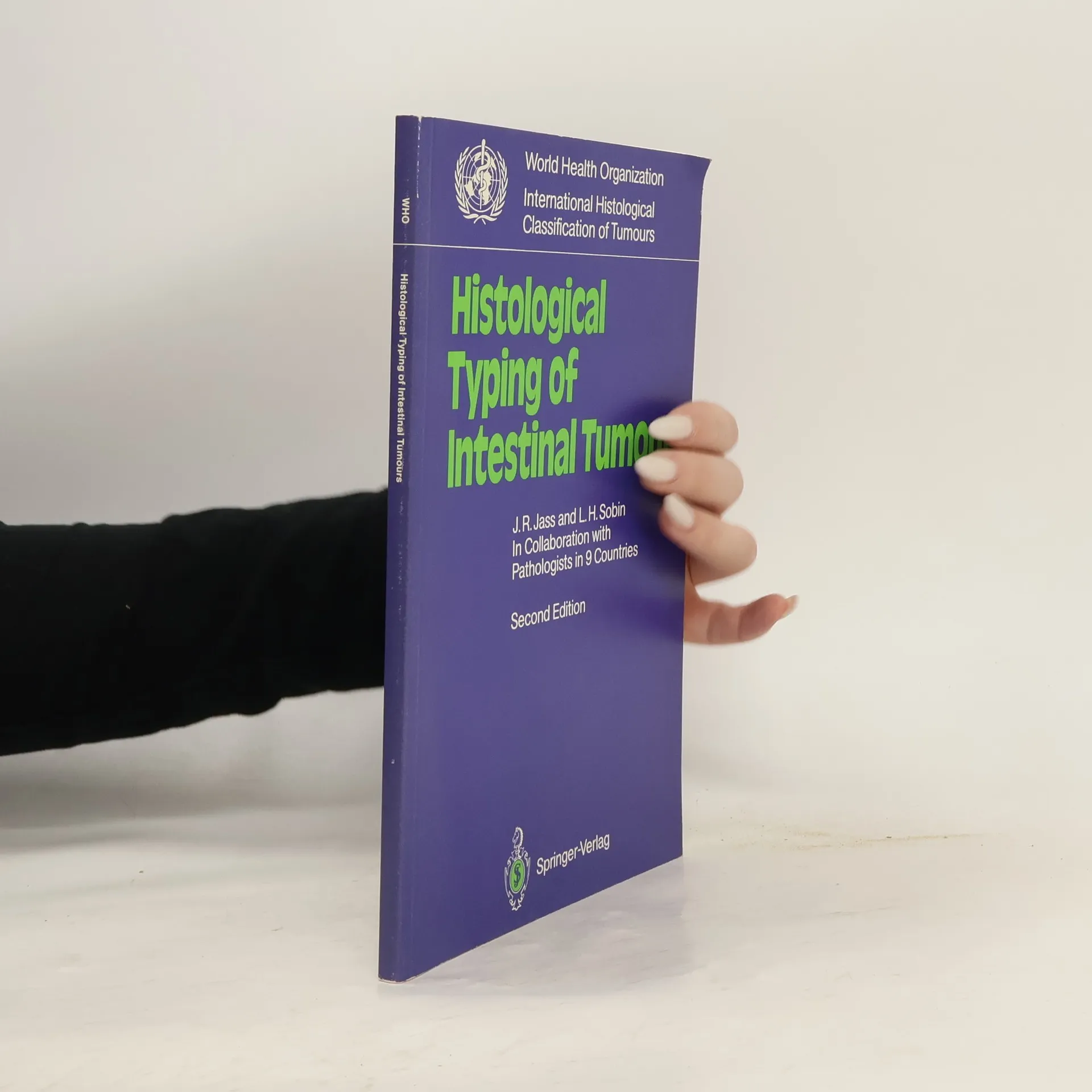
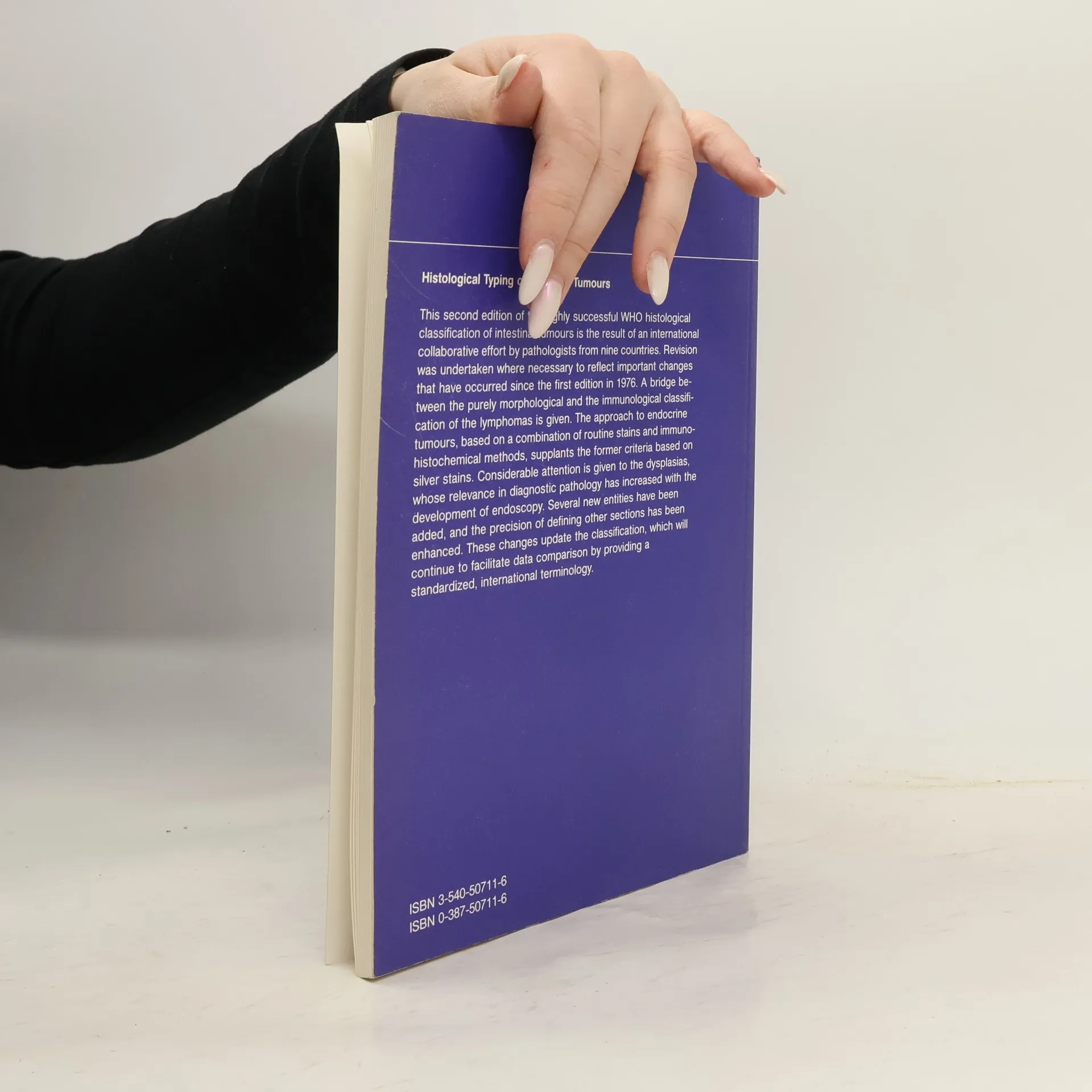
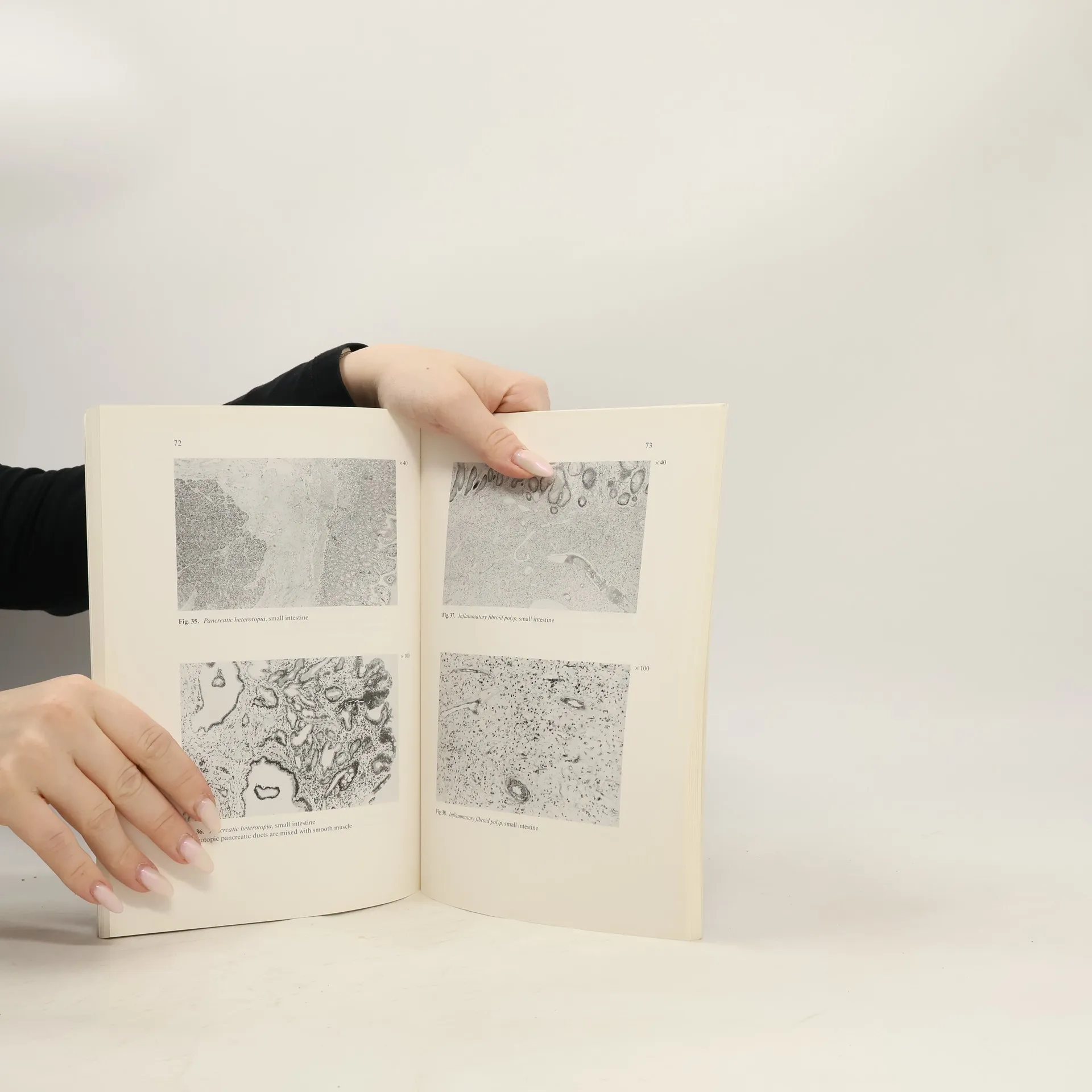
This classification is based primarily on the microscopic characteristics of tumours. It is therefore concerned with the identification of cell types and histological patterns as seen by conventional light microscopy. In general, time-honoured terms have been retained. Synonyms are listed only if they have been widely used or if they are considered to be important for understanding the disease process. In such cases, the preferred term is given first, followed by the synonym in parentheses. The individuality of a tumour manifests itself principally in its histological appearance and the extent of spread at the time of diagnosis. This volume is concerned only with the histological classification of tumours. The histological classification of a tumour depends on two main parameters, typing and grading, and a number of additional parameters which may apply to selected examples. Histological Typing divides tumours of a given organ into different types according to their direction of differentiation. Although this may frequently indicate the underlying histogenesis of the tumour, it may be difficult or impossible to identify the cell of origin. Note is taken of the structure and function of cell types, as well as the overall growth pattern of the tumour, with the aim of matching these features to those of a normal tissue found in the same organ.
Een boek kopen
Histological Typing of Intestinal Tumours, Leslie H. Sobin, Jeremy R. Jass
- Taal

- Jaar van publicatie
- Bindwijze
- (Paperback),
- Staat van het boek
- Goed
- Prijs
- € 4,09
Betaalmethoden
Nog niemand heeft beoordeeld.
- Titel
- Histological Typing of Intestinal Tumours
- Taal
- Engels
- Auteurs
- Leslie H. Sobin, Jeremy R. Jass
- Uitgever
- Springer
- Formaat
- Paperback
- ISBN10
- 3540507116
- ISBN13
- 9783540507116
- Reeks
- Categorieën
- Aantekening
- This classification is based primarily on the microscopic characteristics of tumours. It is therefore concerned with the identification of cell types and histological patterns as seen by conventional light microscopy. In general, time-honoured terms have been retained. Synonyms are listed only if they have been widely used or if they are considered to be important for understanding the disease process. In such cases, the preferred term is given first, followed by the synonym in parentheses. The individuality of a tumour manifests itself principally in its histological appearance and the extent of spread at the time of diagnosis. This volume is concerned only with the histological classification of tumours. The histological classification of a tumour depends on two main parameters, typing and grading, and a number of additional parameters which may apply to selected examples. Histological Typing divides tumours of a given organ into different types according to their direction of differentiation. Although this may frequently indicate the underlying histogenesis of the tumour, it may be difficult or impossible to identify the cell of origin. Note is taken of the structure and function of cell types, as well as the overall growth pattern of the tumour, with the aim of matching these features to those of a normal tissue found in the same organ.