



Parameters
- 461bladzijden
- 17 uur lezen
Meer over het boek
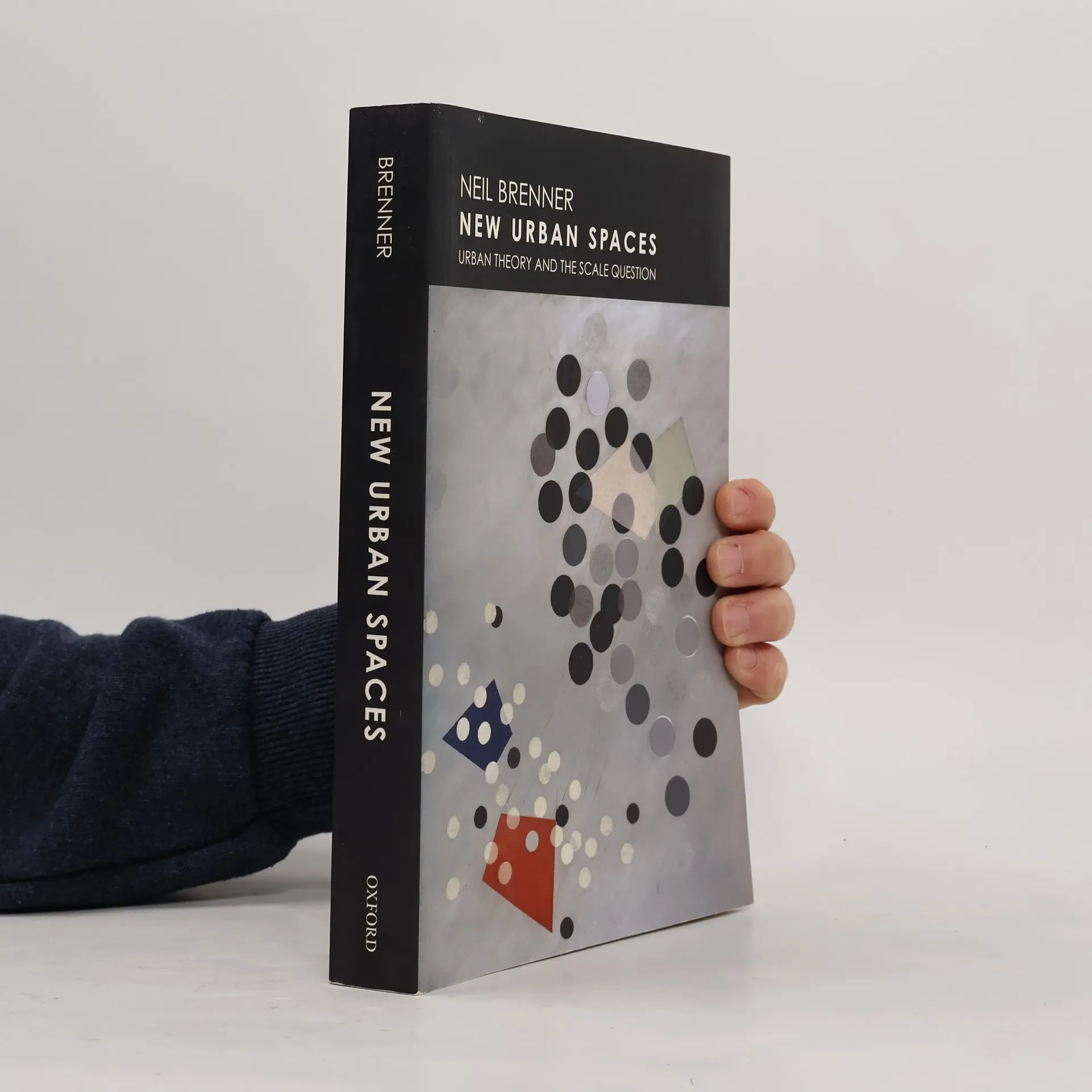
The urban condition is today being radically transformed. Urban restructuring is accelerating, new urban spaces are being consolidated, and new forms of urbanization are crystallizing. In New Urban Spaces, Neil Brenner argues that understanding these mutations of urban life requires not only concrete research, but new theories of urbanization. To this end, Brenner proposes an approach that breaks with inherited conceptions of the urban as a bounded settlement unit-the city or the metropolis-and explores the multiscalar constitution and periodic rescaling of the capitalist urban fabric. Drawing on critical geopolitical economy and spatialized approaches to state theory, Brenner offers a paradigmatic account of how rescaling processes are transforming inherited formations of urban space and their variegated consequences for emergent patterns and pathways of urbanization. The book also advances an understanding of critical urban theory as radically revisable: key urban concepts must be continually reinvented in relation to the relentlessly mutating worlds of urbanization they aspire to illuminate.
Een boek kopen
New Urban Spaces, Neil Brenner
- Taal

- Jaar van publicatie
- 2019
- Bindwijze
- (Paperback)
Betaalmethoden
We missen je recensie hier.
- Titel
- New Urban Spaces
- Ondertitel
- Urban Theory and the Scale Question
- Taal
- Engels
- Auteurs
- Neil Brenner
- Uitgever
- Oxford University Press
- Jaar van publicatie
- 2019
- Formaat
- Paperback
- Aantal pagina's
- 461
- ISBN10
- 0190627190
- ISBN13
- 9780190627195
- Reeks
- Categorieën
- Tags
- Natuurwetenschappen, Verenigde Staten, Ecologische thematiek, Wetenschappelijke literatuur, Politieke theorieën, Burgerlijk recht, Stedelijke Ontwikkeling, Gemeenten, Politieke Geografie
- Beoordeling
- 5 van 5
- Aantekening
- The urban condition is today being radically transformed. Urban restructuring is accelerating, new urban spaces are being consolidated, and new forms of urbanization are crystallizing. In New Urban Spaces, Neil Brenner argues that understanding these mutations of urban life requires not only concrete research, but new theories of urbanization. To this end, Brenner proposes an approach that breaks with inherited conceptions of the urban as a bounded settlement unit-the city or the metropolis-and explores the multiscalar constitution and periodic rescaling of the capitalist urban fabric. Drawing on critical geopolitical economy and spatialized approaches to state theory, Brenner offers a paradigmatic account of how rescaling processes are transforming inherited formations of urban space and their variegated consequences for emergent patterns and pathways of urbanization. The book also advances an understanding of critical urban theory as radically revisable: key urban concepts must be continually reinvented in relation to the relentlessly mutating worlds of urbanization they aspire to illuminate.