

Meer over het boek
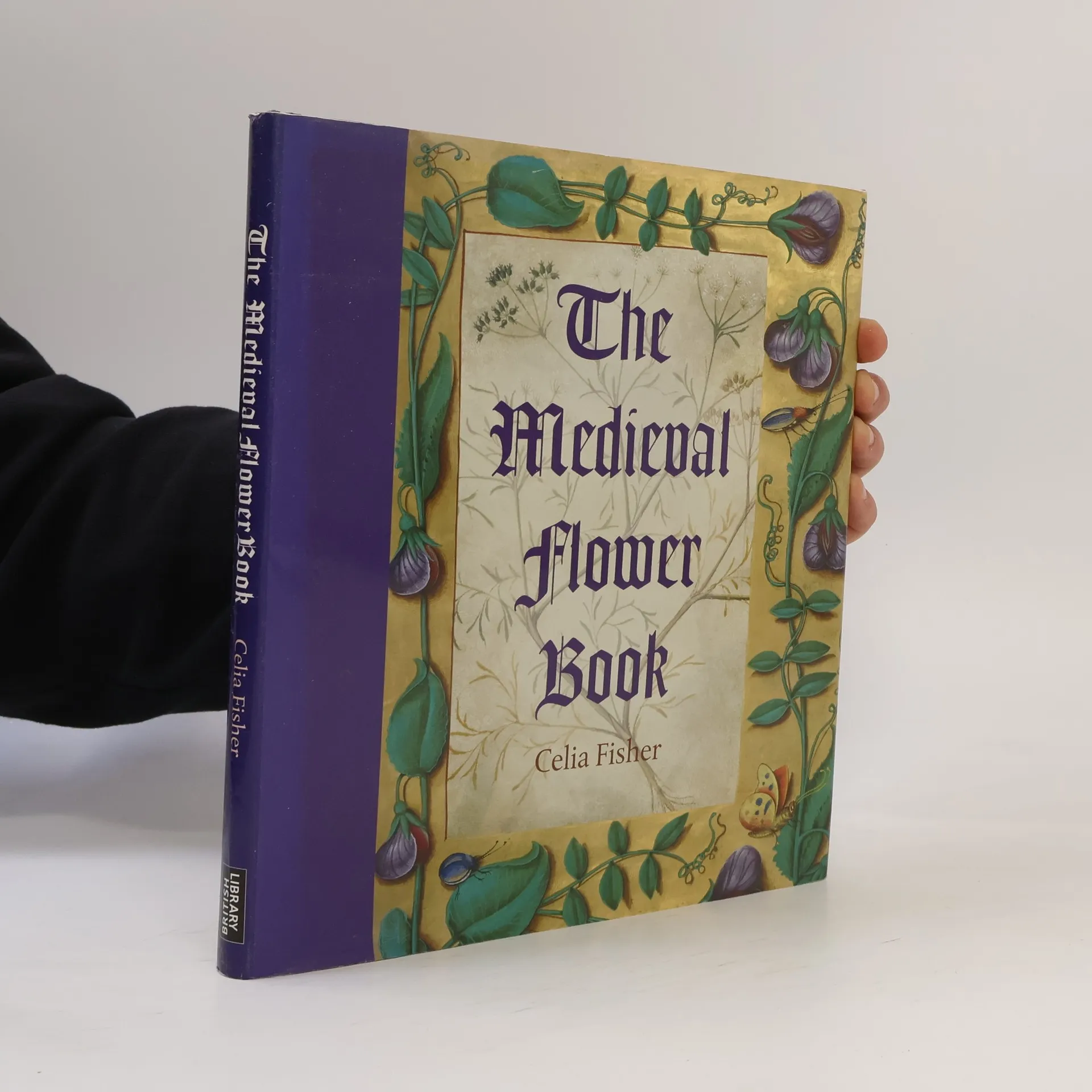
In this charming book, Celia Fisher explores the beautiful flower illustration in medieval herbals and manuscripts, illustrating around 140 different flowers and plants in glorious full color. Many of the illustrations come from herbals, in which plants began to be depicted with realism by artists in the 14th century. But in the 15th century a different kind of flower illustration emerged in the margins of illuminated manuscripts. From around 1480, flowers became the dominant feature of the decorative borders of Books of Hours created in the southern Netherlands. The wonderfully innovative style showed the flowers as if they had been plucked from their stems and scattered onto the page where they cast little trompe l'oeil shadows as if they were indeed three-dimensional. Flower lovers and those interested in medieval art and history will find this richly illustrated book informative, entertaining and, above all, a joy to behold.
Een boek kopen
The Medieval Flower Book, Celia Fisher
- Taal

- Jaar van publicatie
- 2007
- Bindwijze
- (Hardcover)
Betaalmethoden
Nog niemand heeft beoordeeld.
- Titel
- The Medieval Flower Book
- Taal
- Engels
- Auteurs
- Celia Fisher
- Uitgever
- British Library
- Jaar van publicatie
- 2007
- Formaat
- Hardcover
- Aantal pagina's
- 144
- ISBN10
- 0712349456
- ISBN13
- 9780712349451
- Reeks
- Aantekening
- In this charming book, Celia Fisher explores the beautiful flower illustration in medieval herbals and manuscripts, illustrating around 140 different flowers and plants in glorious full color. Many of the illustrations come from herbals, in which plants began to be depicted with realism by artists in the 14th century. But in the 15th century a different kind of flower illustration emerged in the margins of illuminated manuscripts. From around 1480, flowers became the dominant feature of the decorative borders of Books of Hours created in the southern Netherlands. The wonderfully innovative style showed the flowers as if they had been plucked from their stems and scattered onto the page where they cast little trompe l'oeil shadows as if they were indeed three-dimensional. Flower lovers and those interested in medieval art and history will find this richly illustrated book informative, entertaining and, above all, a joy to behold.