

Meer over het boek
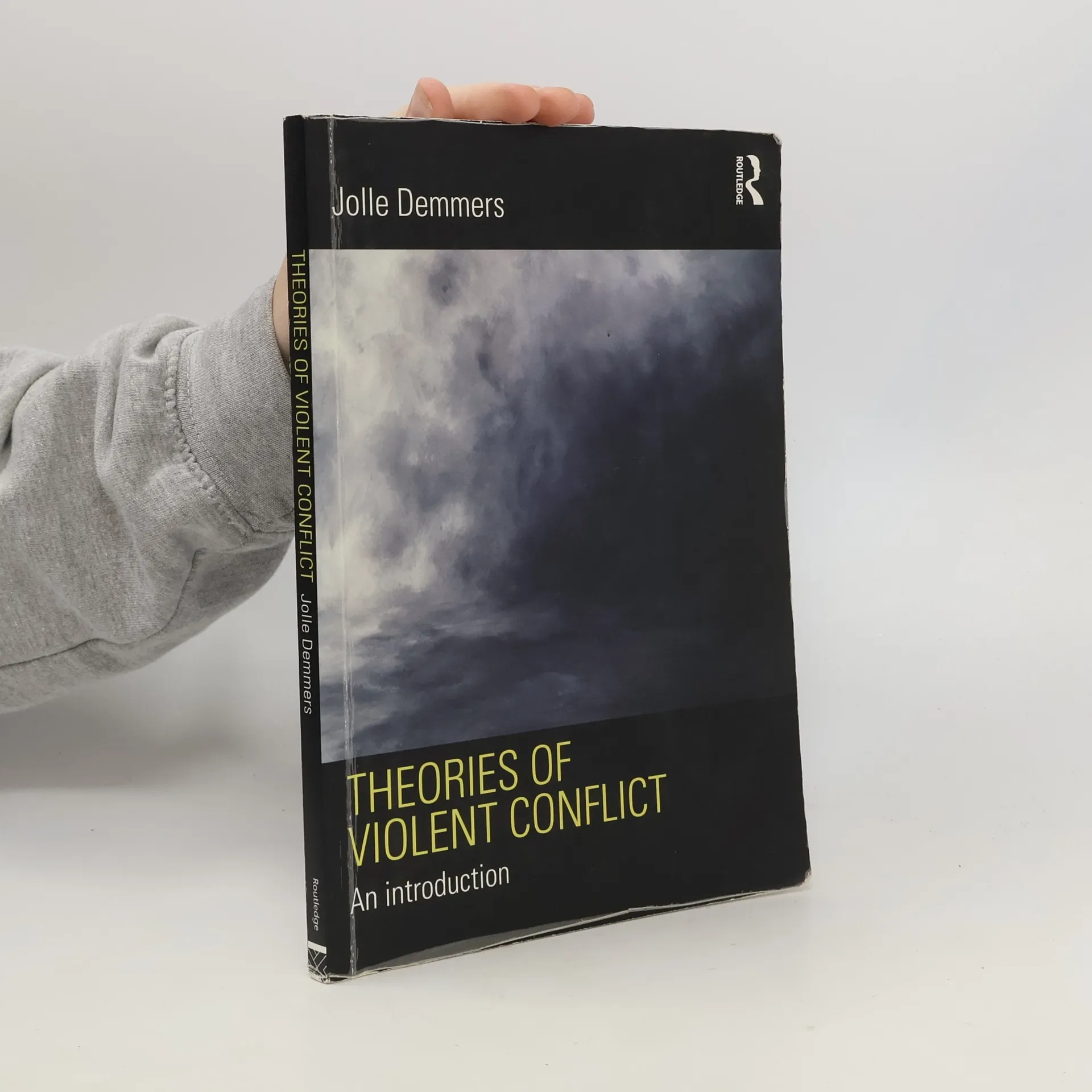
This textbook introduces students of violent conflict to a variety of prominent theoretical approaches, and examines the ontological stances and epistemological traditions underlying these approaches. Theories of Violent Conflict takes the centrality of the group as an actor in contemporary conflict as a point of departure, leaving us with three main questions: What makes a group? Why and how does a group resort to violence? Why and how do or don't they stop? The book examines and compares the ways by which these questions are addressed from a number of perspectives: constructivism, social identity theory, structuralism, political economy, human needs theory, relative deprivation theory, collective action theory, and rational-choice theory. The final chapter aims to synthesise structure and agency-based theories by proposing a critical discourse analysis of violent conflict. This book will be essential reading for students of war and conflict studies, peace studies, conflict analysis and conflict resolution, and ethnic conflict, as well as security studies and IR in general.
Een boek kopen
Theories of Violent Conflict, Jolle Demmers
- Taal

- Jaar van publicatie
- 2012
- Bindwijze
- (Paperback)
Betaalmethoden
Nog niemand heeft beoordeeld.
- Titel
- Theories of Violent Conflict
- Ondertitel
- An Introduction
- Taal
- Engels
- Auteurs
- Jolle Demmers
- Uitgever
- Routledge
- Jaar van publicatie
- 2012
- Formaat
- Paperback
- Aantal pagina's
- 168
- ISBN10
- 0415555345
- ISBN13
- 9780415555340
- Reeks
- Tags
- Geweld, Sociale aspecten
- Aantekening
- This textbook introduces students of violent conflict to a variety of prominent theoretical approaches, and examines the ontological stances and epistemological traditions underlying these approaches. Theories of Violent Conflict takes the centrality of the group as an actor in contemporary conflict as a point of departure, leaving us with three main questions: What makes a group? Why and how does a group resort to violence? Why and how do or don't they stop? The book examines and compares the ways by which these questions are addressed from a number of perspectives: constructivism, social identity theory, structuralism, political economy, human needs theory, relative deprivation theory, collective action theory, and rational-choice theory. The final chapter aims to synthesise structure and agency-based theories by proposing a critical discourse analysis of violent conflict. This book will be essential reading for students of war and conflict studies, peace studies, conflict analysis and conflict resolution, and ethnic conflict, as well as security studies and IR in general.