



Meer over het boek
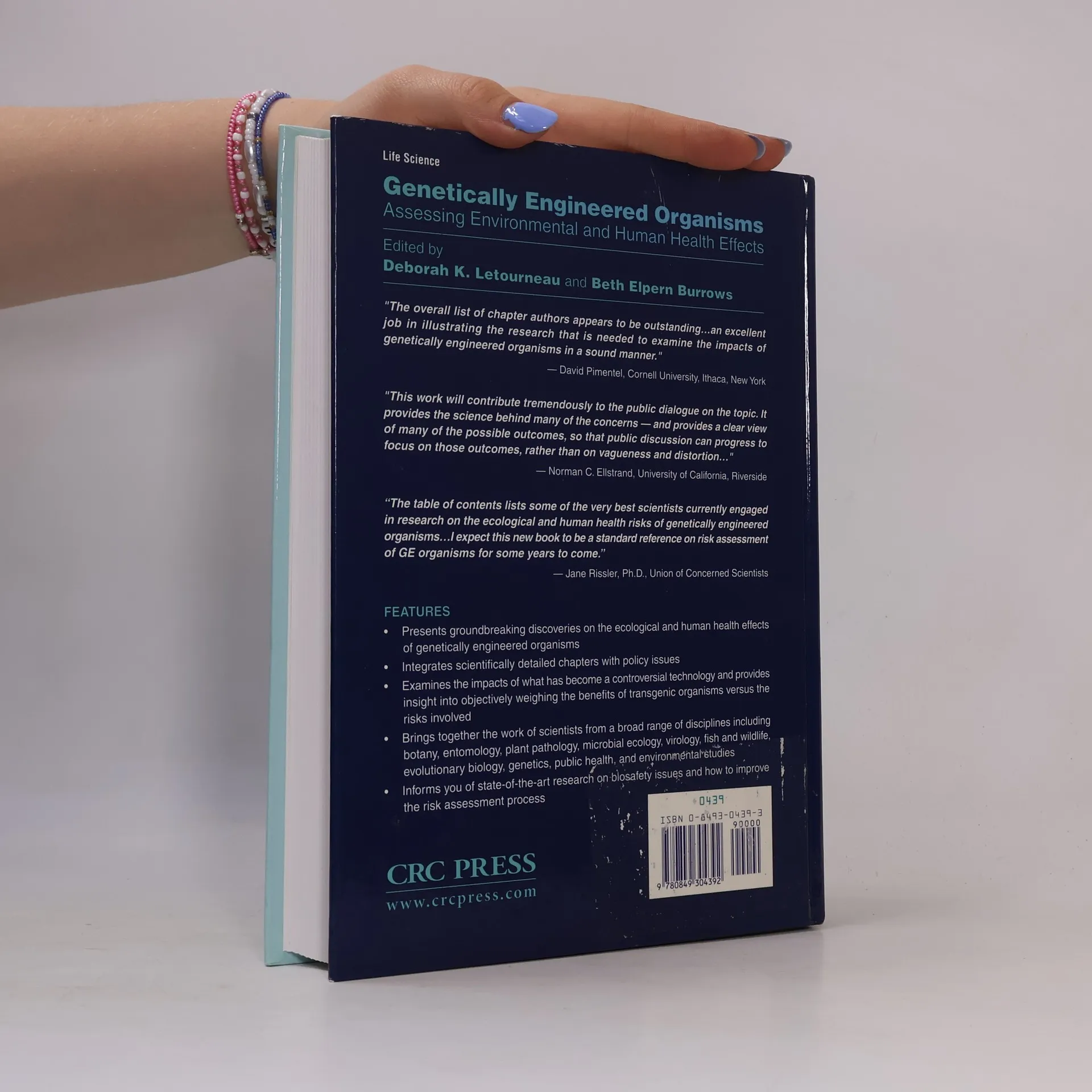
Genetic engineering opens new possibilities for creating beneficial products but also raises significant environmental and public health risks. Identifying these hazards is complex and crucial for effective risk assessment and management. This process is often hindered by the lack of detailed information. The book emphasizes the importance of rigorous scientific investigation to understand the ecological and health impacts of genetic engineering, rather than engaging in debate over these effects. Authored by experts in fields like botany, entomology, and plant pathology, it delves into essential research on topics such as pollen movement, transgene spread, fitness effects, resistance development, and unforeseen impacts on both target and non-target organisms. It covers a range of case studies, including Bt corn, viral-resistant oats, transgenic salmon, and modified malaria vectors. Several chapters highlight theoretical and informational gaps that challenge biosafety questions, while others provide historical context that influences risk assessment and management decisions at local, national, and international levels. This comprehensive exploration aims to enhance understanding and inform decision-making regarding the implications of genetic engineering.
Een boek kopen
Genetically Engineered Organisms, Deborah K. Letourneau, Beth Elpern Burrows
- Taal

- Jaar van publicatie
- 2001
- Bindwijze
- (Hardcover)
Betaalmethoden
Nog niemand heeft beoordeeld.
- Titel
- Genetically Engineered Organisms
- Ondertitel
- Assessing Environmental and Human Health Effects
- Taal
- Engels
- Uitgever
- CRC Press
- Jaar van publicatie
- 2001
- Formaat
- Hardcover
- Aantal pagina's
- 456
- ISBN10
- 0849304393
- ISBN13
- 9780849304392
- Reeks
- Categorieën
- Tags
- Natuur, Wetenschap, Geneeskunde, Ecologische thematiek, Milieuwetenschappen, Biotechnologie, Genetische engineering
- Aantekening
- Genetic engineering opens new possibilities for creating beneficial products but also raises significant environmental and public health risks. Identifying these hazards is complex and crucial for effective risk assessment and management. This process is often hindered by the lack of detailed information. The book emphasizes the importance of rigorous scientific investigation to understand the ecological and health impacts of genetic engineering, rather than engaging in debate over these effects. Authored by experts in fields like botany, entomology, and plant pathology, it delves into essential research on topics such as pollen movement, transgene spread, fitness effects, resistance development, and unforeseen impacts on both target and non-target organisms. It covers a range of case studies, including Bt corn, viral-resistant oats, transgenic salmon, and modified malaria vectors. Several chapters highlight theoretical and informational gaps that challenge biosafety questions, while others provide historical context that influences risk assessment and management decisions at local, national, and international levels. This comprehensive exploration aims to enhance understanding and inform decision-making regarding the implications of genetic engineering.