

Meer over het boek
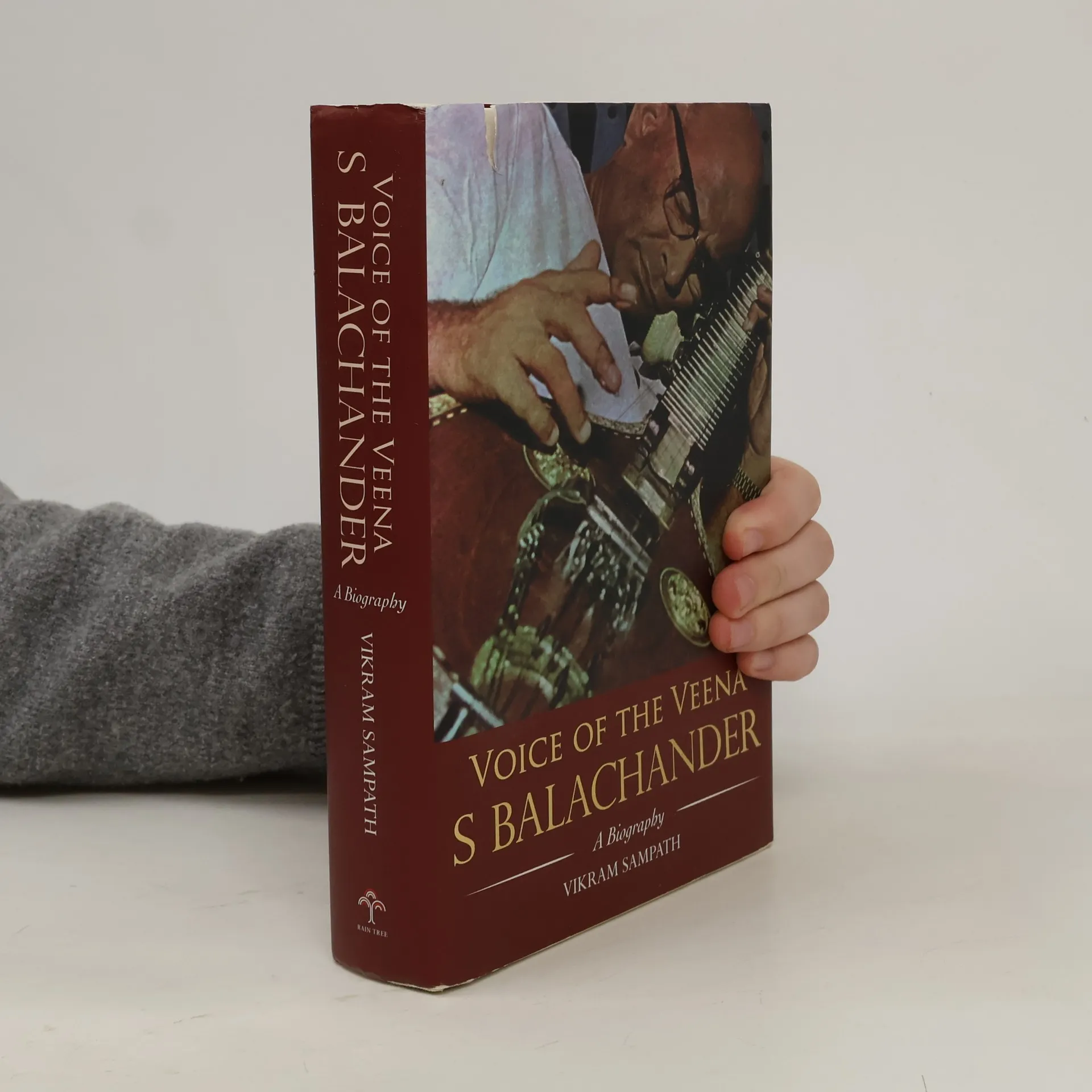
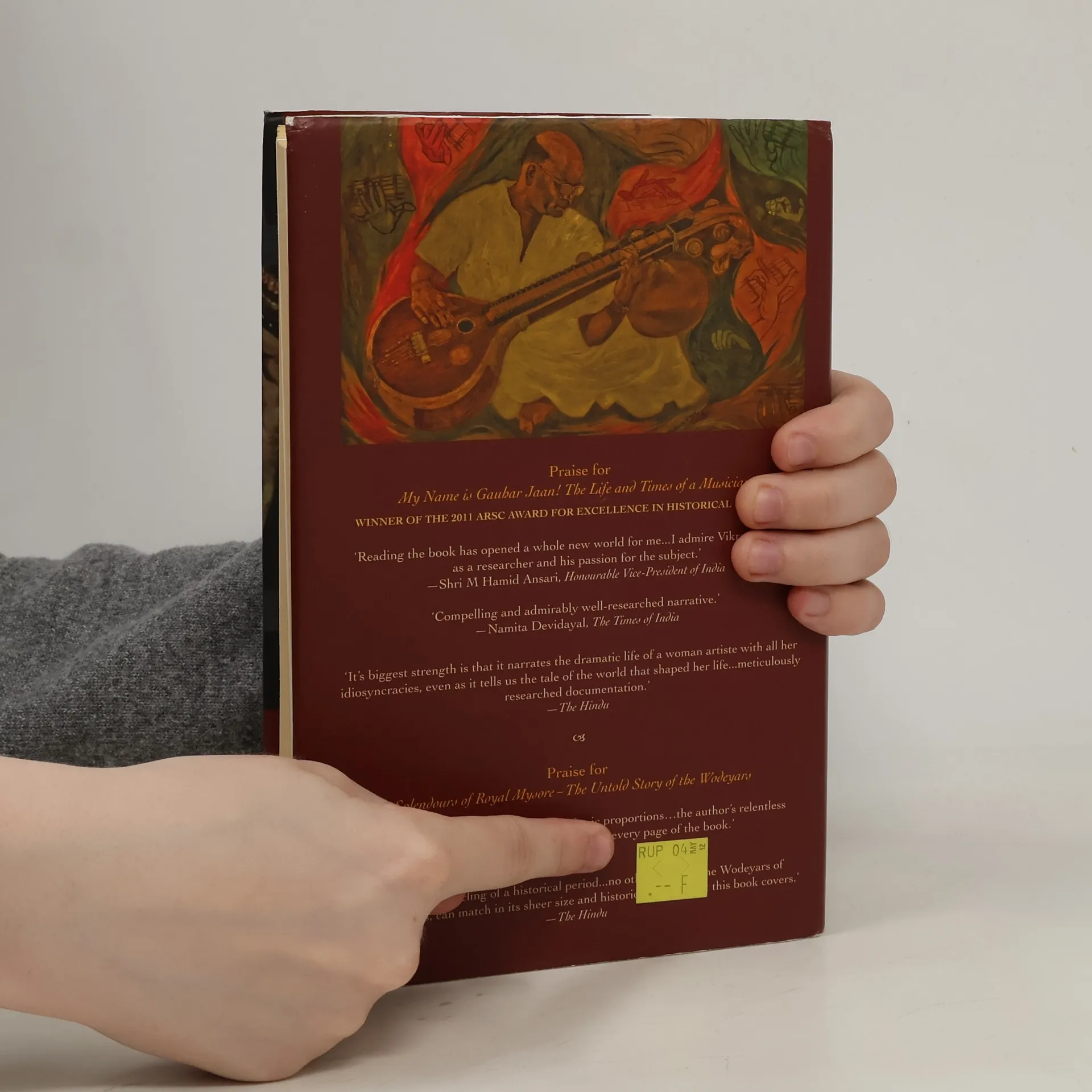
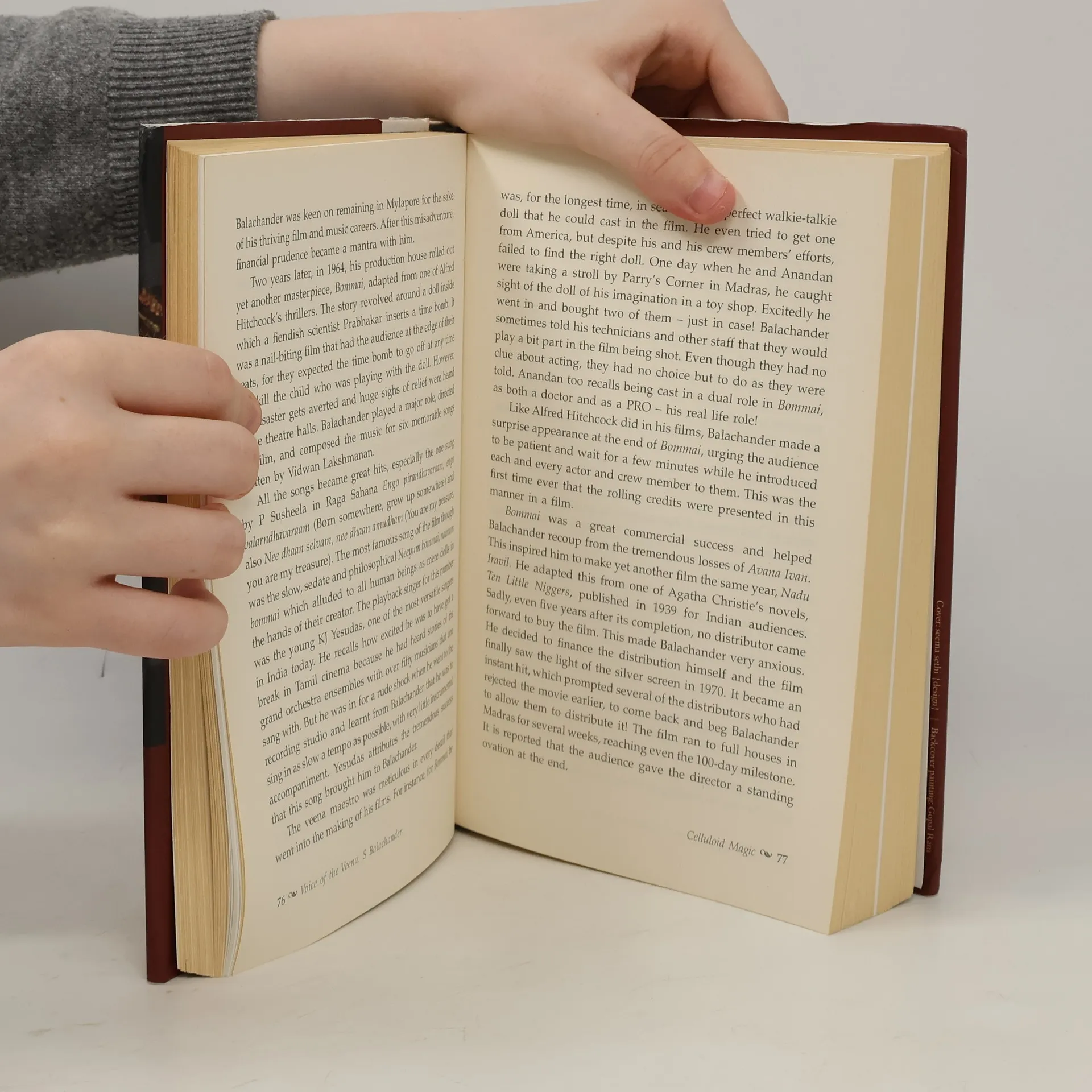
From the 1930s to the 1980s, one figure in Carnatic music stood out: S Balachander. Born in 1927 in Madras, he was a child prodigy and self-taught musician who began performing at age 5 on the kanjira. He mastered various instruments, including the tabla and sitar, and was the first to play Carnatic music on the sitar, even giving concerts and radio shows. Balachander also had a brief career as a child actor and was an exceptional chess player. His fascination with the majestic veena led him to focus solely on it, and within two years, he became a highly respected veena player. At a time when vocalists dominated, Balachander carved out a unique niche as a veena soloist, transforming the traditional approach to instrumental music and establishing the Balachander bani, or style. Despite his achievements, his iconoclastic nature often put him at odds with the Carnatic music community, as he pursued perfection and truth. The narrative explores whether Balachander was a beloved genius or a misunderstood maverick through extensive research, personal diaries, and interviews with contemporaries and family. His passing in 1990 left a significant void, yet his legacy endures among music lovers, encapsulated in his own words: "Veena is Balachander, Balachander is Veena."
Een boek kopen
Voice of the Veena S Balachander, Vikram Sampath
- Taal

- Jaar van publicatie
- 2012
- Bindwijze
- (Hardcover),
- Staat van het boek
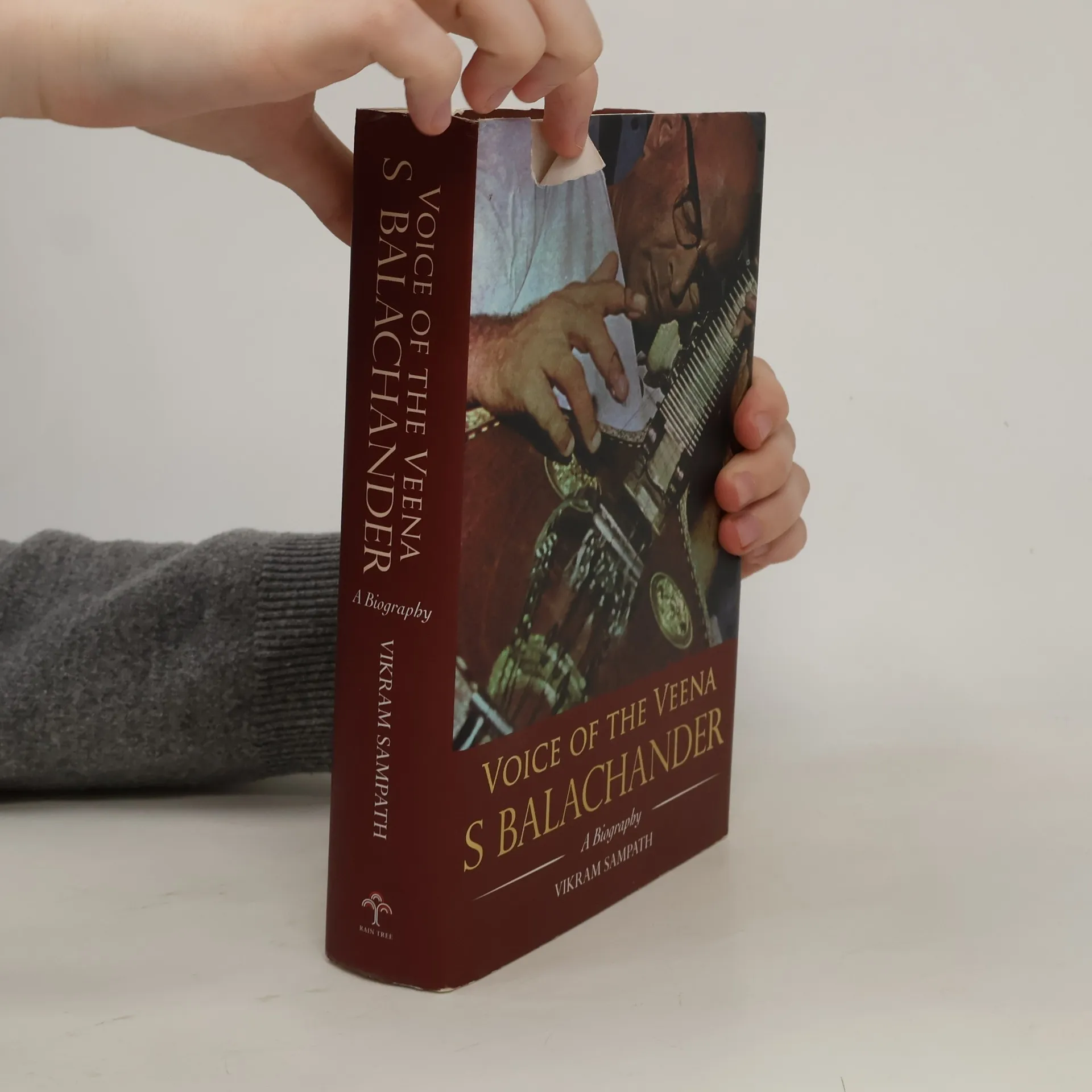
- Beschadigd
- Prijs
- € 3,55
Betaalmethoden
Nog niemand heeft beoordeeld.
- Ondertitel
- A Biography
- Taal
- Engels
- Auteurs
- Vikram Sampath
- Uitgever
- Rain Tree
- Jaar van publicatie
- 2012
- Formaat
- Hardcover
- Aantal pagina's
- 446
- ISBN10
- 8129119366
- ISBN13
- 9788129119360
- Reeks
- Categorieën
- Aantekening
- From the 1930s to the 1980s, one figure in Carnatic music stood out: S Balachander. Born in 1927 in Madras, he was a child prodigy and self-taught musician who began performing at age 5 on the kanjira. He mastered various instruments, including the tabla and sitar, and was the first to play Carnatic music on the sitar, even giving concerts and radio shows. Balachander also had a brief career as a child actor and was an exceptional chess player. His fascination with the majestic veena led him to focus solely on it, and within two years, he became a highly respected veena player. At a time when vocalists dominated, Balachander carved out a unique niche as a veena soloist, transforming the traditional approach to instrumental music and establishing the Balachander bani, or style. Despite his achievements, his iconoclastic nature often put him at odds with the Carnatic music community, as he pursued perfection and truth. The narrative explores whether Balachander was a beloved genius or a misunderstood maverick through extensive research, personal diaries, and interviews with contemporaries and family. His passing in 1990 left a significant void, yet his legacy endures among music lovers, encapsulated in his own words: "Veena is Balachander, Balachander is Veena."