

Meer over het boek
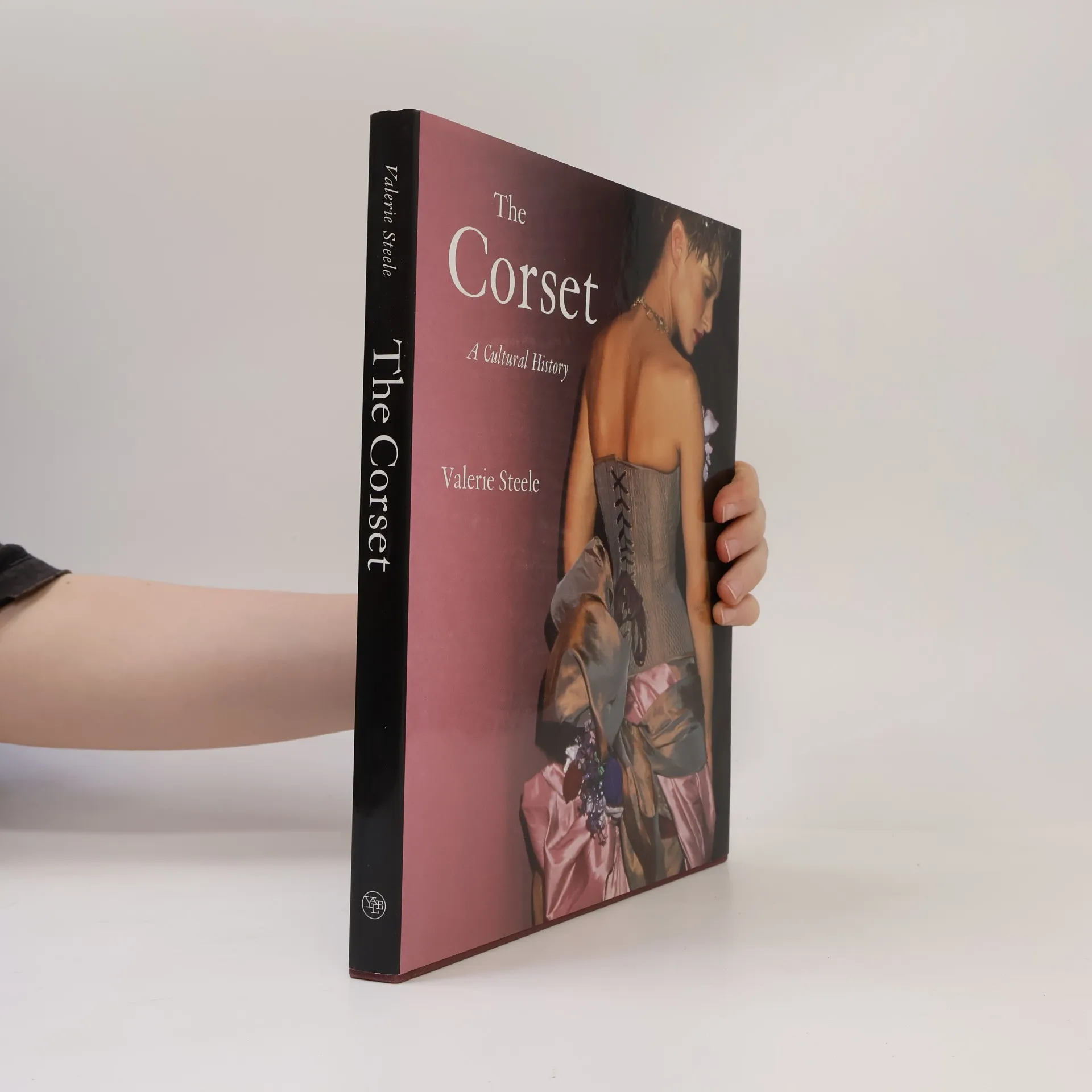
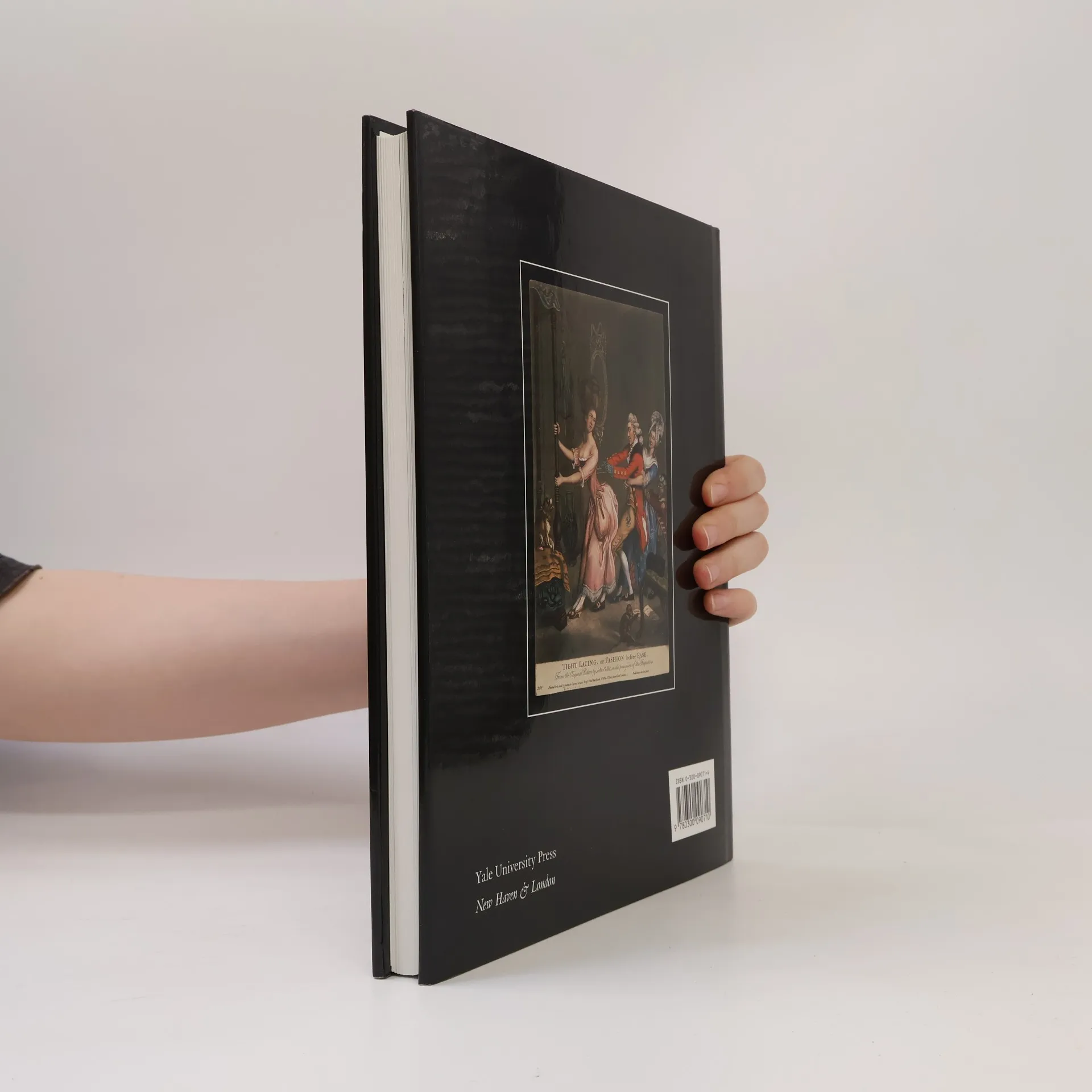
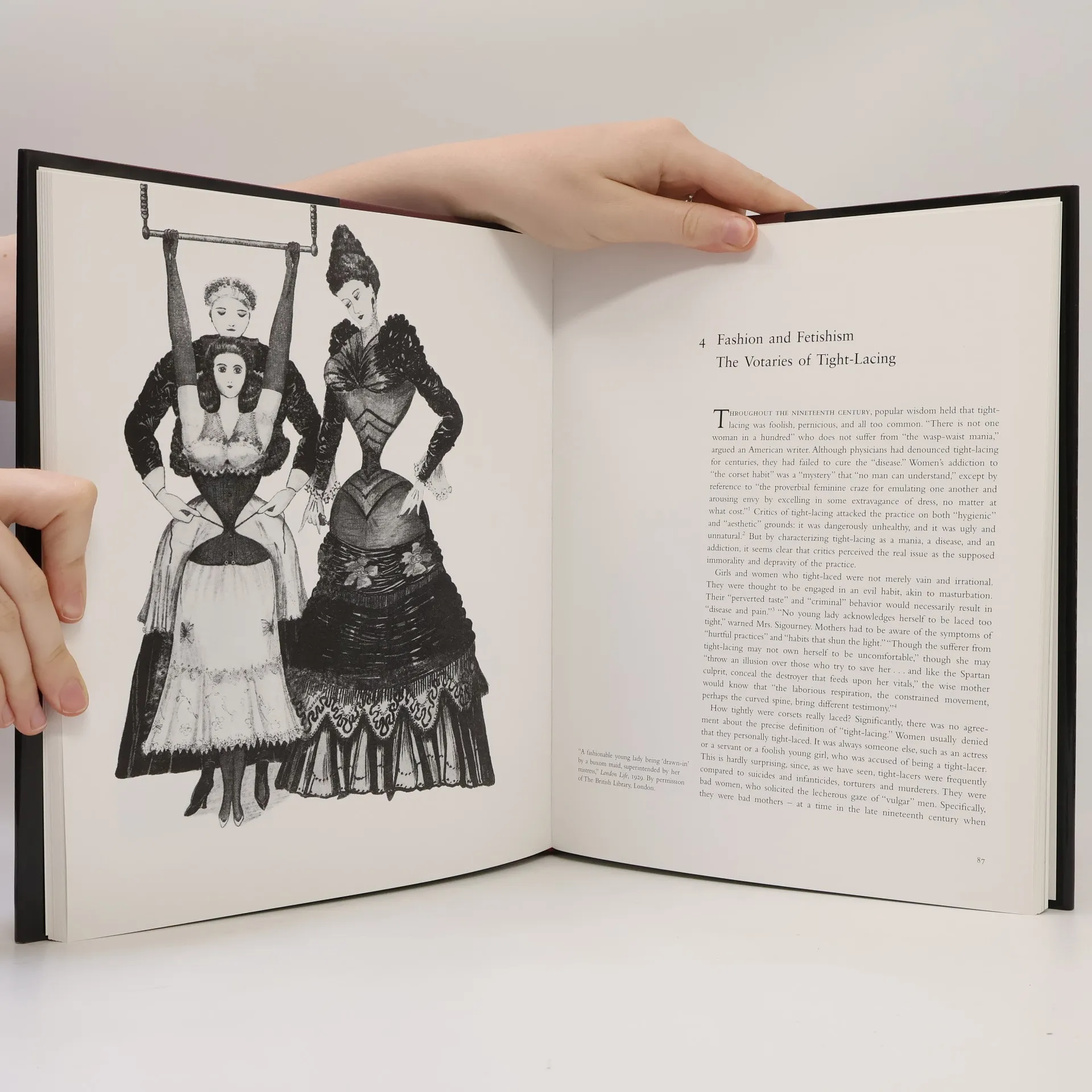
The corset stands as one of fashion's most controversial garments, viewed as both essential and torturous from the Renaissance to the twentieth century. This richly illustrated exploration delves into why women wore steel and whalebone corsets for four centuries and why they eventually abandoned them. Valerie Steele, a leading fashion historian, investigates the cultural history of the corset, debunking myths and revealing its evolving significance. Unlike many historians who frame the corset's history as a struggle between oppression and liberation, Steele argues that women's experiences with corsetry were diverse and complex. Through extensive research, she challenges the notion that corsets were inherently unhealthy or solely oppressive. Instead, women continued to wear them due to their associations with social status, self-discipline, youth, and beauty, despite opposition from male authorities. Although the corset fell out of fashion in the twentieth century, Steele notes its legacy persists, as women now substitute it with diet, exercise, and plastic surgery. The book concludes with thought-provoking analyses of the corset's recent reinterpretation as a symbol of rebellion and empowerment, its revival in high fashion, and its evolution from underwear to outerwear.
Een boek kopen
The Corset, Valerie Steele
- Taal

- Jaar van publicatie
- 2001
- Bindwijze
- (Hardcover)
Betaalmethoden
Nog niemand heeft beoordeeld.
- Titel
- The Corset
- Ondertitel
- A Cultural History
- Taal
- Engels
- Auteurs
- Valerie Steele
- Uitgever
- Yale University Press
- Jaar van publicatie
- 2001
- Formaat
- Hardcover
- Aantal pagina's
- 199
- ISBN10
- 0300090714
- ISBN13
- 9780300090710
- Reeks
- Categorieën
- Aantekening
- The corset stands as one of fashion's most controversial garments, viewed as both essential and torturous from the Renaissance to the twentieth century. This richly illustrated exploration delves into why women wore steel and whalebone corsets for four centuries and why they eventually abandoned them. Valerie Steele, a leading fashion historian, investigates the cultural history of the corset, debunking myths and revealing its evolving significance. Unlike many historians who frame the corset's history as a struggle between oppression and liberation, Steele argues that women's experiences with corsetry were diverse and complex. Through extensive research, she challenges the notion that corsets were inherently unhealthy or solely oppressive. Instead, women continued to wear them due to their associations with social status, self-discipline, youth, and beauty, despite opposition from male authorities. Although the corset fell out of fashion in the twentieth century, Steele notes its legacy persists, as women now substitute it with diet, exercise, and plastic surgery. The book concludes with thought-provoking analyses of the corset's recent reinterpretation as a symbol of rebellion and empowerment, its revival in high fashion, and its evolution from underwear to outerwear.