




Parameters
- 548bladzijden
- 20 uur lezen
Meer over het boek
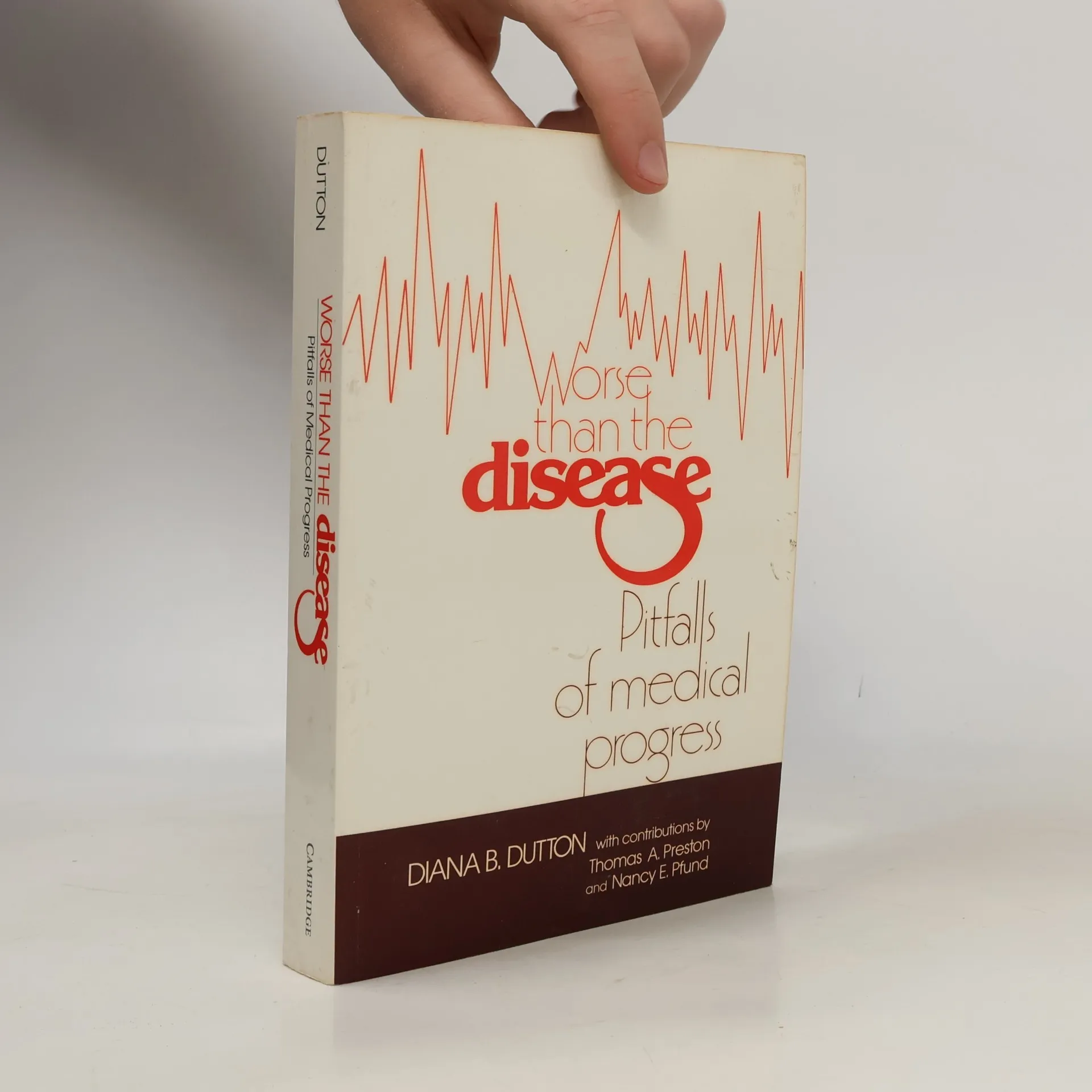
This book examines four medical innovations that epitomize the pitfalls of progress: DES, a synthetic estrogen prescribed to millions of women to prevent miscarriages, which produced devastating side effects; the artificial heart; the 1976 swine flu immunization program; and genetic engineering. Dutton and the contributors trace the human choices that govern medical and scientific innovation and explore the political, economic, and social factors that influence those choices. In the process, they reveal a deep gulf between the priorities of medical innovation and the concerns of the general public. They then propose concrete policy changes to help bridge that gulf.
Een boek kopen
Worse Than The Disease, Diana Barbara Dutton, Thomas A. Preston, Nancy E. Pfund
- Taal

- Jaar van publicatie
- 1992
- Bindwijze
- (Paperback)
Betaalmethoden
Nog niemand heeft beoordeeld.
- Titel
- Worse Than The Disease
- Ondertitel
- Pitfalls Of Medical Progress
- Taal
- Engels
- Uitgever
- Cambridge University Press
- Jaar van publicatie
- 1992
- Formaat
- Paperback
- Aantal pagina's
- 548
- ISBN10
- 0521395577
- ISBN13
- 9780521395571
- Reeks
- Categorieën
- Tags
- Historisch thema, Wetenschap, Geneeskunde, Geschiedenis van de wetenschap, Geneeskunde Geschiedenis, Geneeskundige Ethiek
- Aantekening
- This book examines four medical innovations that epitomize the pitfalls of progress: DES, a synthetic estrogen prescribed to millions of women to prevent miscarriages, which produced devastating side effects; the artificial heart; the 1976 swine flu immunization program; and genetic engineering. Dutton and the contributors trace the human choices that govern medical and scientific innovation and explore the political, economic, and social factors that influence those choices. In the process, they reveal a deep gulf between the priorities of medical innovation and the concerns of the general public. They then propose concrete policy changes to help bridge that gulf.