

Meer over het boek
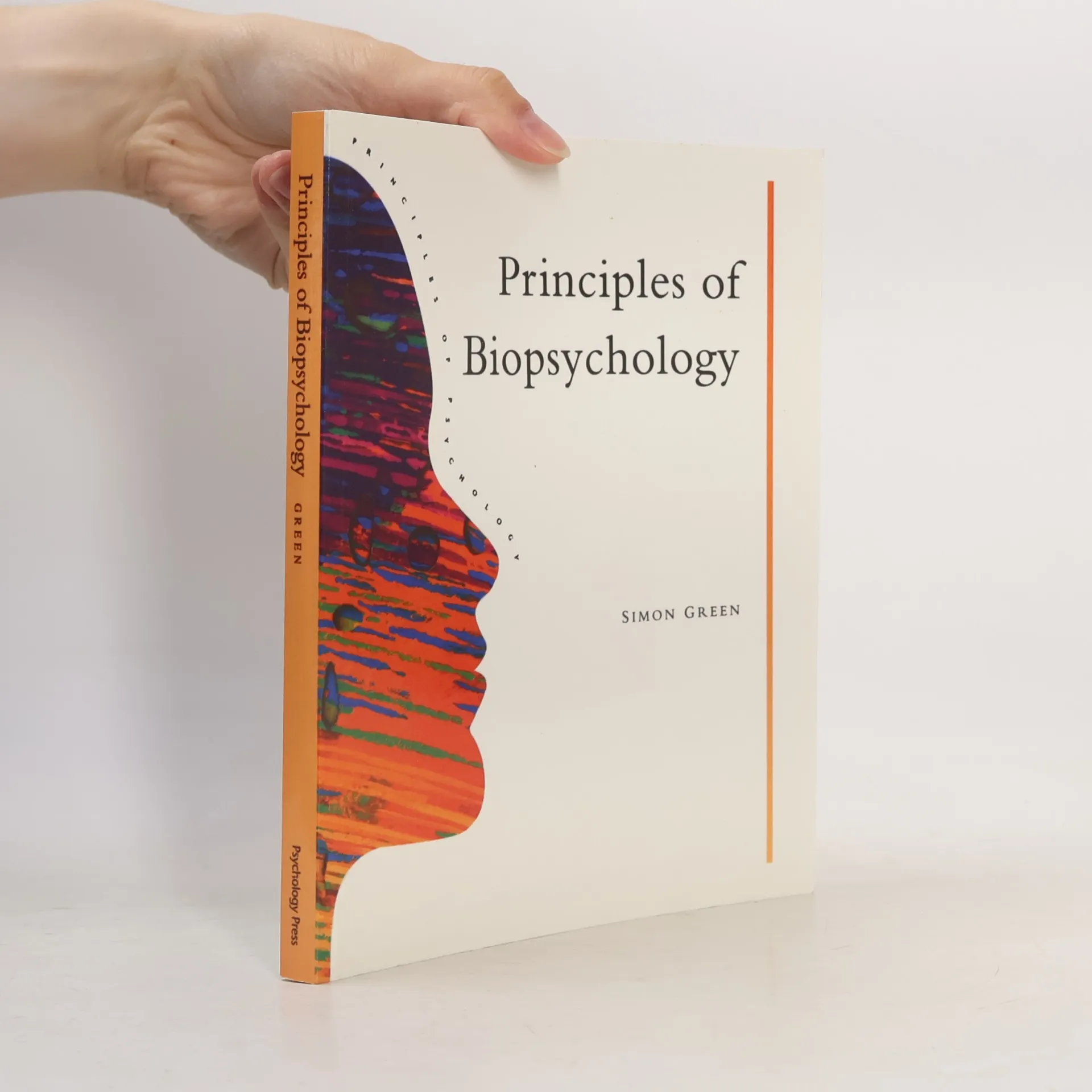
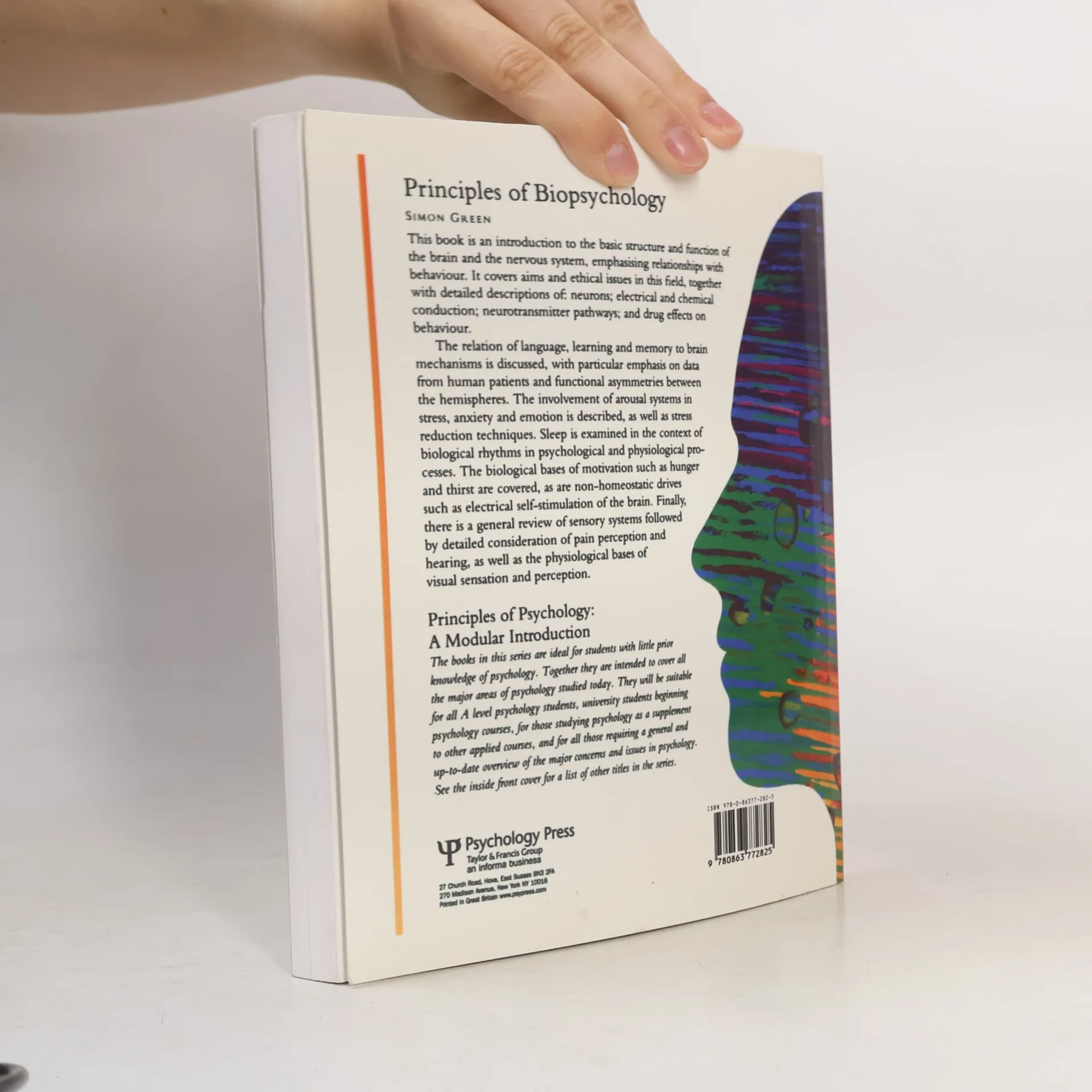
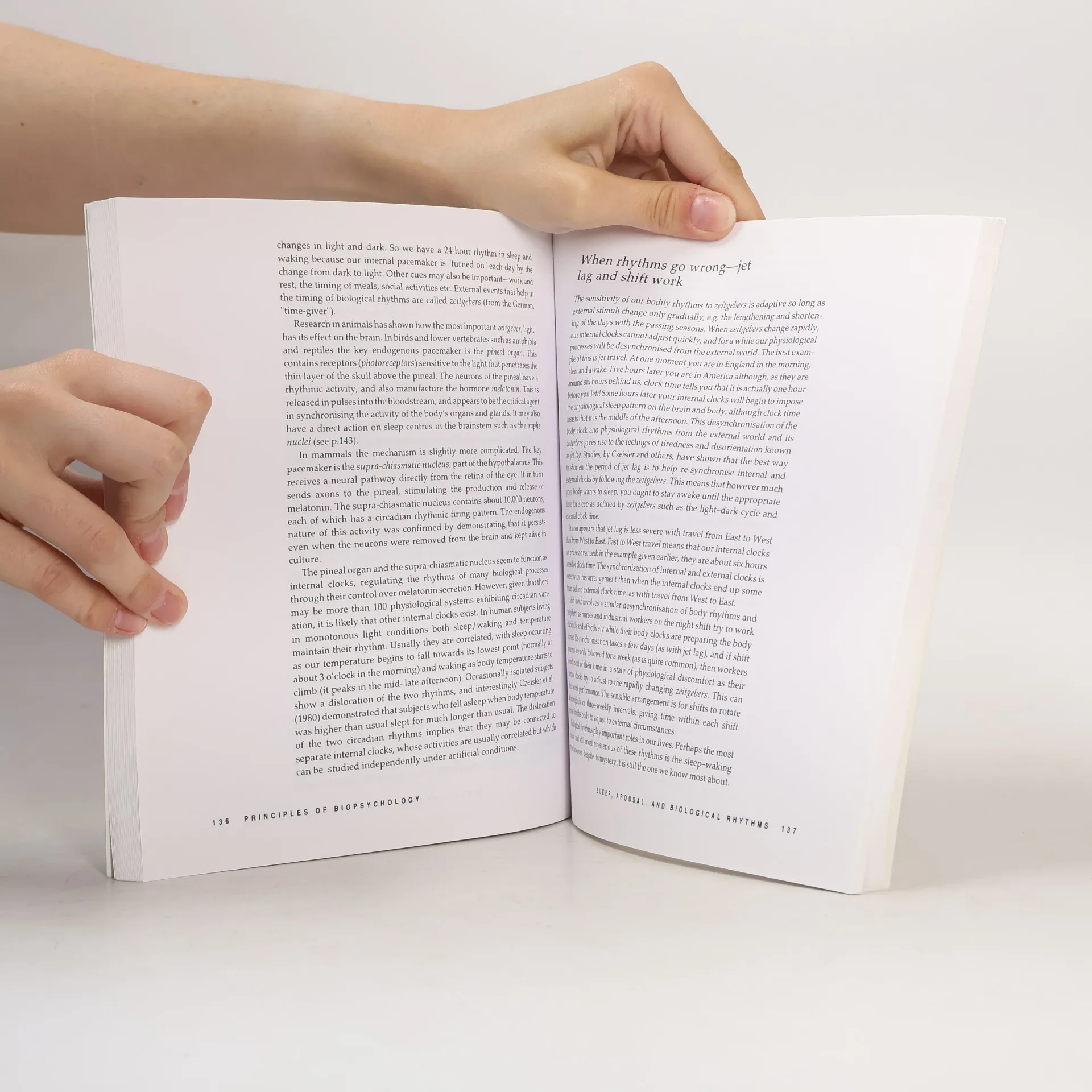
This book serves as an introduction to the brain and nervous system's structure and function, highlighting their relationship with behavior. The first chapter outlines the field's aims, objectives, and ethical considerations. Chapter 2 delves into neurons, detailing electrical and chemical conduction, neurotransmitter pathways, and the impact of drugs on behavior. Following a general overview of the nervous system's behavioral organization in chapter 3, subsequent chapters explore the connections between language, learning, and memory with brain mechanisms, emphasizing clinical data and hemispheric asymmetries. The next chapter discusses arousal systems in relation to stress, anxiety, and emotion, along with stress reduction techniques. Chapter 8 continues the arousal theme by examining sleep within the context of biological rhythms affecting psychological and physiological processes. Chapter 9 addresses the biological bases of motivational states like hunger and thirst, including homeostasis and non-homeostatic drives such as brain self-stimulation. Finally, chapter 10 reviews sensory processes, focusing on pain perception and the brain mechanisms involved in visual sensation and perception. This material is designed to meet the requirements of A-level Psychology syllabi and introductory undergraduate courses in psychobiology.
Een boek kopen
Principles of Biopsychology, Simon Green
- Taal

- Jaar van publicatie
- 1994
- Bindwijze
- (Paperback),
- Staat van het boek
- Goed
- Prijs
- € 6,09
Betaalmethoden
Nog niemand heeft beoordeeld.
- Titel
- Principles of Biopsychology
- Taal
- Engels
- Auteurs
- Simon Green
- Uitgever
- Psychology Press
- Jaar van publicatie
- 1994
- Formaat
- Paperback
- Aantal pagina's
- 224
- ISBN10
- 086377282X
- ISBN13
- 9780863772825
- Reeks
- Categorieën
- Tags
- Wetenschap
- Aantekening
- This book serves as an introduction to the brain and nervous system's structure and function, highlighting their relationship with behavior. The first chapter outlines the field's aims, objectives, and ethical considerations. Chapter 2 delves into neurons, detailing electrical and chemical conduction, neurotransmitter pathways, and the impact of drugs on behavior. Following a general overview of the nervous system's behavioral organization in chapter 3, subsequent chapters explore the connections between language, learning, and memory with brain mechanisms, emphasizing clinical data and hemispheric asymmetries. The next chapter discusses arousal systems in relation to stress, anxiety, and emotion, along with stress reduction techniques. Chapter 8 continues the arousal theme by examining sleep within the context of biological rhythms affecting psychological and physiological processes. Chapter 9 addresses the biological bases of motivational states like hunger and thirst, including homeostasis and non-homeostatic drives such as brain self-stimulation. Finally, chapter 10 reviews sensory processes, focusing on pain perception and the brain mechanisms involved in visual sensation and perception. This material is designed to meet the requirements of A-level Psychology syllabi and introductory undergraduate courses in psychobiology.