

Meer over het boek
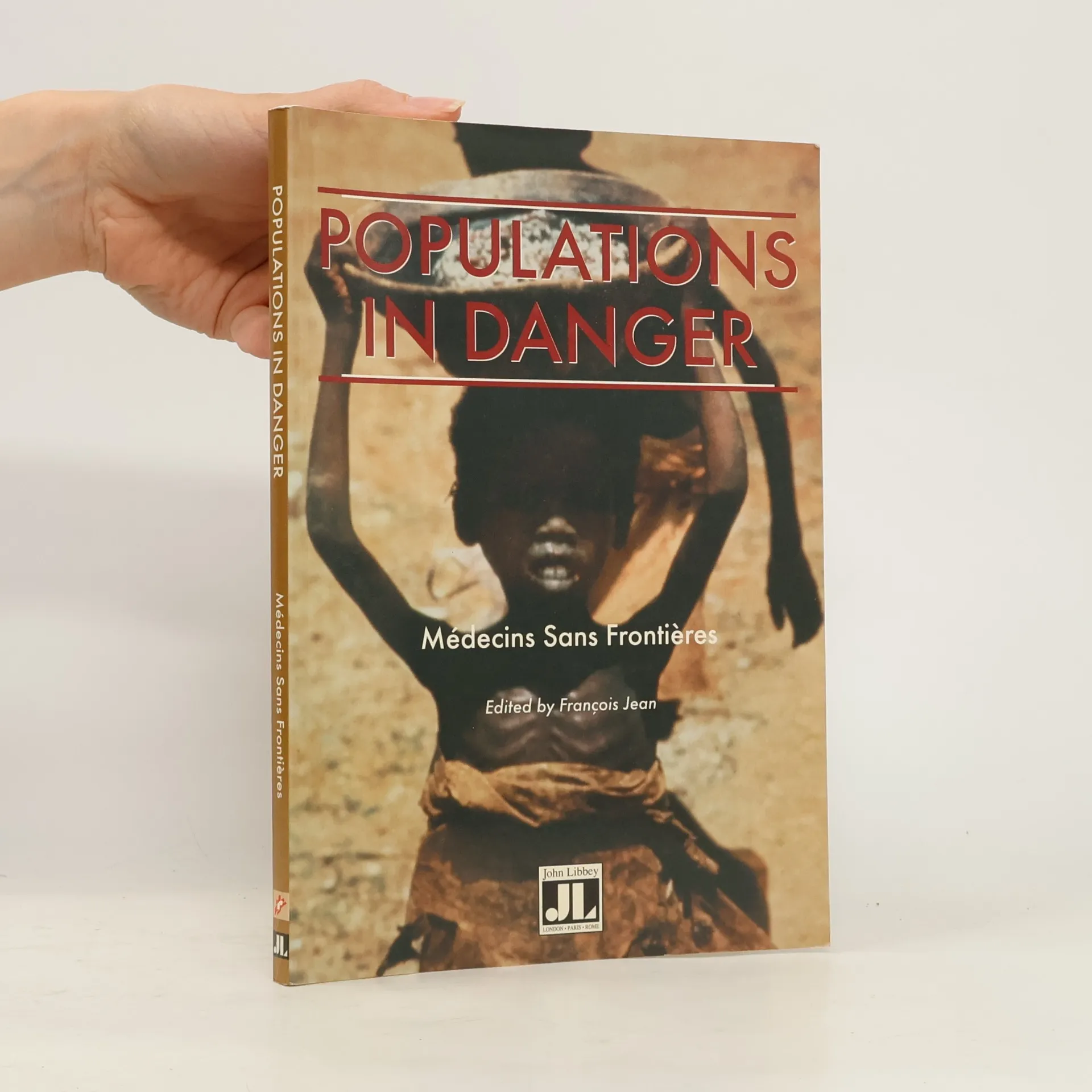
Only fifty years after the Holocaust the world has allowed another genocide to take place - this time in Rwanda. In 1994 governments and the United Nations sat back and did nothing when as many as a million Tutsis and political opponents of the regime were butchered before the very eyes of a token contingent of Blue Helmets.This report shows that the international community "aid only" response to crises will only condemn the world to further suffering. On its own humanitarian assistance is a face-saving excercise. Political action and justice are also needed.Populations in Danger documents the five most serious crises of today : Burundi, Rwanda, Zaire, Haiti and Bosnia. It also includes a humanitarian atlas, compiled by the Paris-based Laboratoire d'etudes politiques et d'analyses cartographiques (LEPAC), which presents a unique visual analysis of today's major humanitarian problems : war, famine, epidemics and population displacement.Medecins Sans Frontieres is the world's largest independent agency for emergency medical aid. Two thousand of its volunteers are currently at work in 70 countries world-wide.
Een boek kopen
Médecins Sans Frontières: Populations in Danger, François Jean, Médecins Sans Frontières
- Taal

- Jaar van publicatie
- 1992
- Bindwijze
- (Paperback)
Betaalmethoden
Nog niemand heeft beoordeeld.
- Titel
- Médecins Sans Frontières: Populations in Danger
- Taal
- Engels
- Uitgever
- John Libbey & Company
- Jaar van publicatie
- 1992
- Formaat
- Paperback
- Aantal pagina's
- 160
- ISBN10
- 086196392X
- ISBN13
- 9780861963928
- Reeks
- Categorieën
- Tags
- Verenigde Staten, Geneeskunde, Vluchtelingen, Irak, Joegoslavië, Peru, Ontwikkelingslanden, Demografie, Soedan, Myanmar, Somalië, Hongersnood, West-Afrika, Mozambique, Oorlogs slachtoffers
- Aantekening
- Only fifty years after the Holocaust the world has allowed another genocide to take place - this time in Rwanda. In 1994 governments and the United Nations sat back and did nothing when as many as a million Tutsis and political opponents of the regime were butchered before the very eyes of a token contingent of Blue Helmets.This report shows that the international community "aid only" response to crises will only condemn the world to further suffering. On its own humanitarian assistance is a face-saving excercise. Political action and justice are also needed.Populations in Danger documents the five most serious crises of today : Burundi, Rwanda, Zaire, Haiti and Bosnia. It also includes a humanitarian atlas, compiled by the Paris-based Laboratoire d'etudes politiques et d'analyses cartographiques (LEPAC), which presents a unique visual analysis of today's major humanitarian problems : war, famine, epidemics and population displacement.Medecins Sans Frontieres is the world's largest independent agency for emergency medical aid. Two thousand of its volunteers are currently at work in 70 countries world-wide.