



Meer over het boek
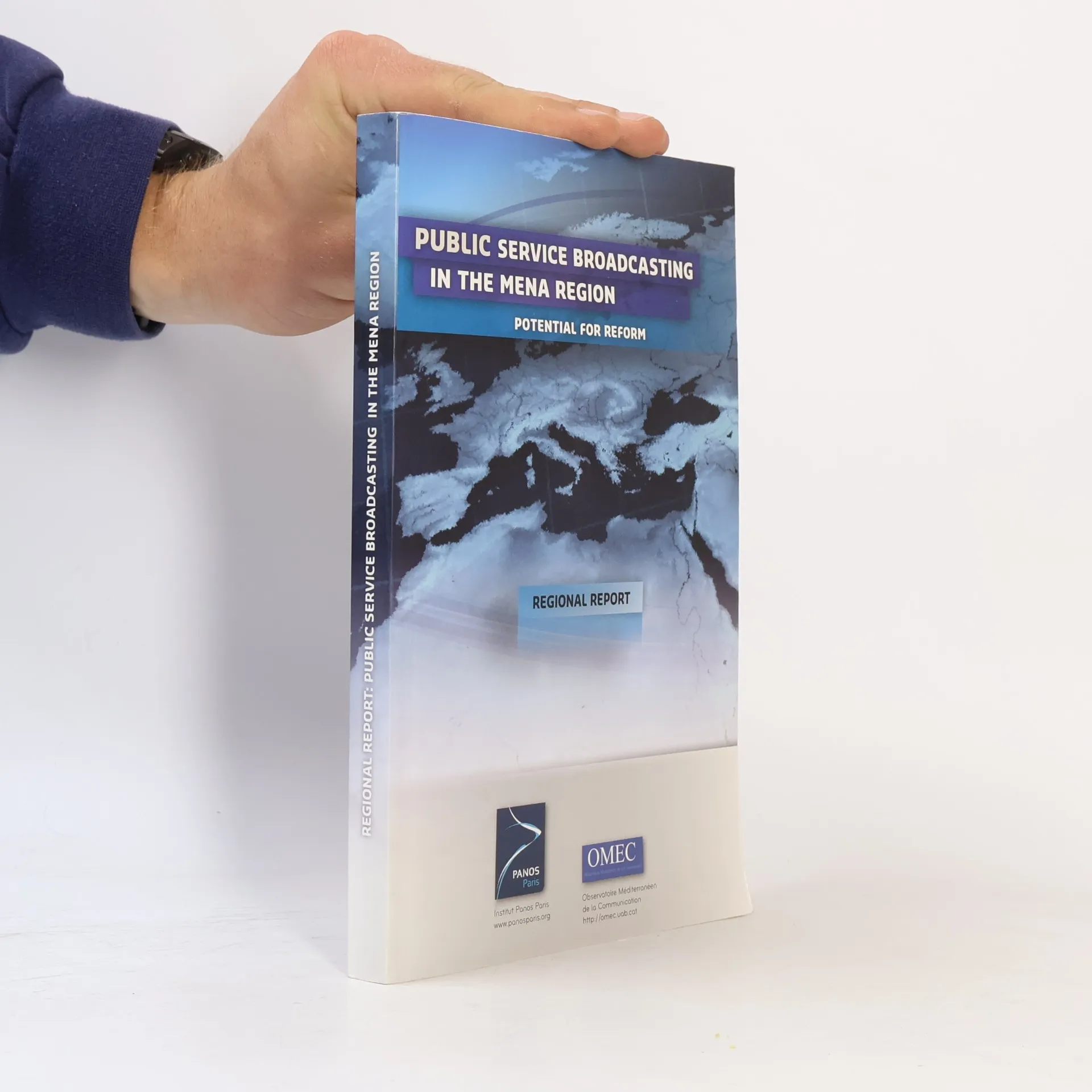
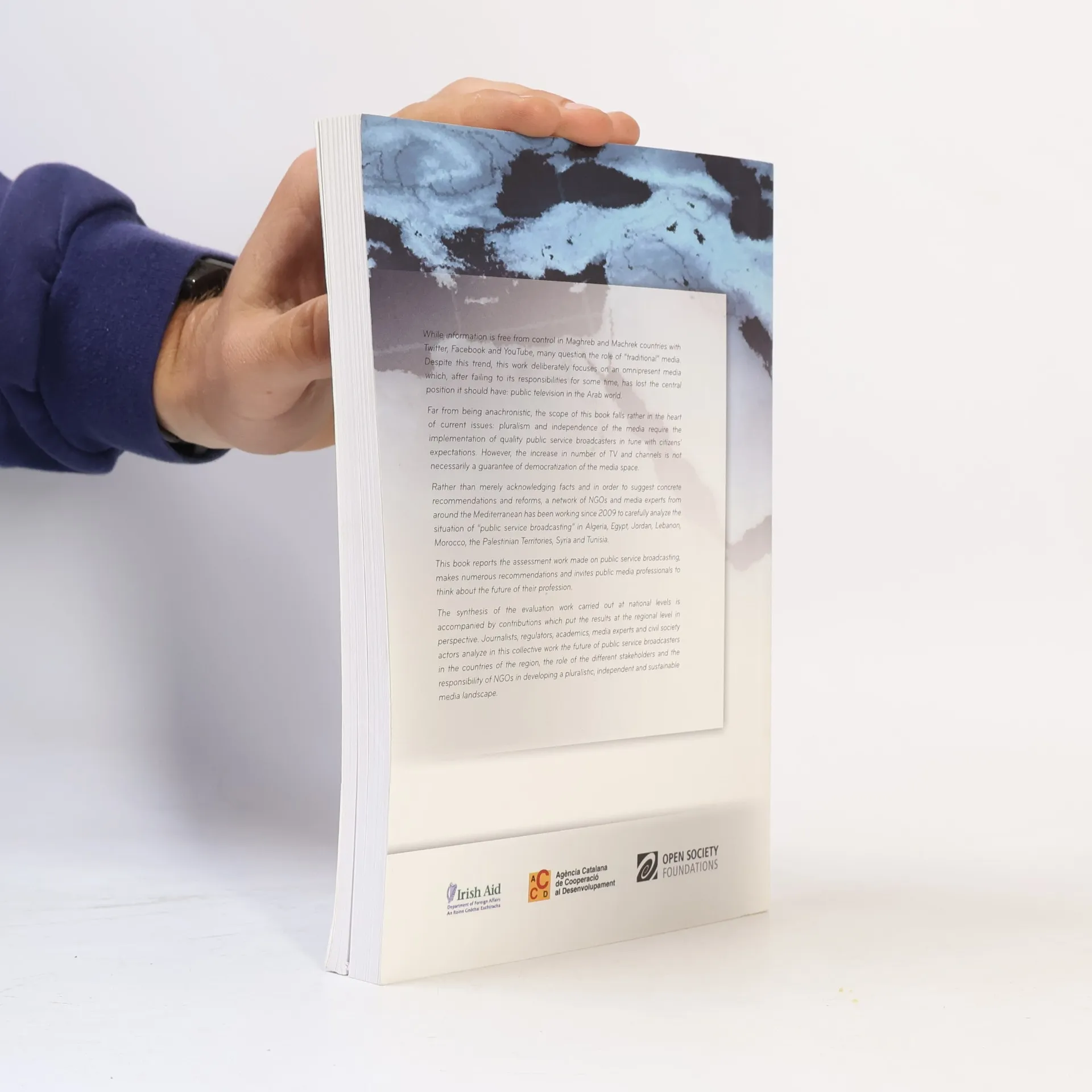
In Maghreb and Machrek countries, while platforms like Twitter, Facebook, and YouTube allow for free information flow, the role of traditional media is increasingly scrutinized. This work focuses on public television in the Arab world, which has struggled to fulfill its responsibilities and maintain its essential role. The book emphasizes that the need for quality public service broadcasters is crucial for achieving media pluralism and independence that align with citizens' expectations. The proliferation of TV channels does not automatically lead to media democratization. Since 2009, a network of NGOs and media experts has been analyzing the state of public service broadcasting in Algeria, Egypt, Jordan, Lebanon, Morocco, the Palestinian Territories, Syria, and Tunisia. This book presents their assessments, offers concrete recommendations for reform, and encourages public media professionals to contemplate the future of their field. It synthesizes national evaluations and includes contributions that contextualize the findings regionally. Journalists, regulators, academics, and civil society actors collectively explore the future of public service broadcasters, the roles of various stakeholders, and the responsibilities of NGOs in fostering a pluralistic, independent, and sustainable media landscape.
Een boek kopen
Public Service Broadcasting in the Mena Region, Auteurscollectief
- Taal

- Jaar van publicatie
- 2012
- Bindwijze
- (Paperback),
- Staat van het boek
- Goed
- Prijs
- € 2,79
Betaalmethoden
Nog niemand heeft beoordeeld.
- Titel
- Public Service Broadcasting in the Mena Region
- Ondertitel
- Potential for Reform - Regional Report
- Taal
- Engels
- Auteurs
- Auteurscollectief
- Jaar van publicatie
- 2012
- Formaat
- Paperback
- ISBN10
- 8493967408
- ISBN13
- 9788493967406
- Reeks
- Aantekening
- In Maghreb and Machrek countries, while platforms like Twitter, Facebook, and YouTube allow for free information flow, the role of traditional media is increasingly scrutinized. This work focuses on public television in the Arab world, which has struggled to fulfill its responsibilities and maintain its essential role. The book emphasizes that the need for quality public service broadcasters is crucial for achieving media pluralism and independence that align with citizens' expectations. The proliferation of TV channels does not automatically lead to media democratization. Since 2009, a network of NGOs and media experts has been analyzing the state of public service broadcasting in Algeria, Egypt, Jordan, Lebanon, Morocco, the Palestinian Territories, Syria, and Tunisia. This book presents their assessments, offers concrete recommendations for reform, and encourages public media professionals to contemplate the future of their field. It synthesizes national evaluations and includes contributions that contextualize the findings regionally. Journalists, regulators, academics, and civil society actors collectively explore the future of public service broadcasters, the roles of various stakeholders, and the responsibilities of NGOs in fostering a pluralistic, independent, and sustainable media landscape.