



Meer over het boek
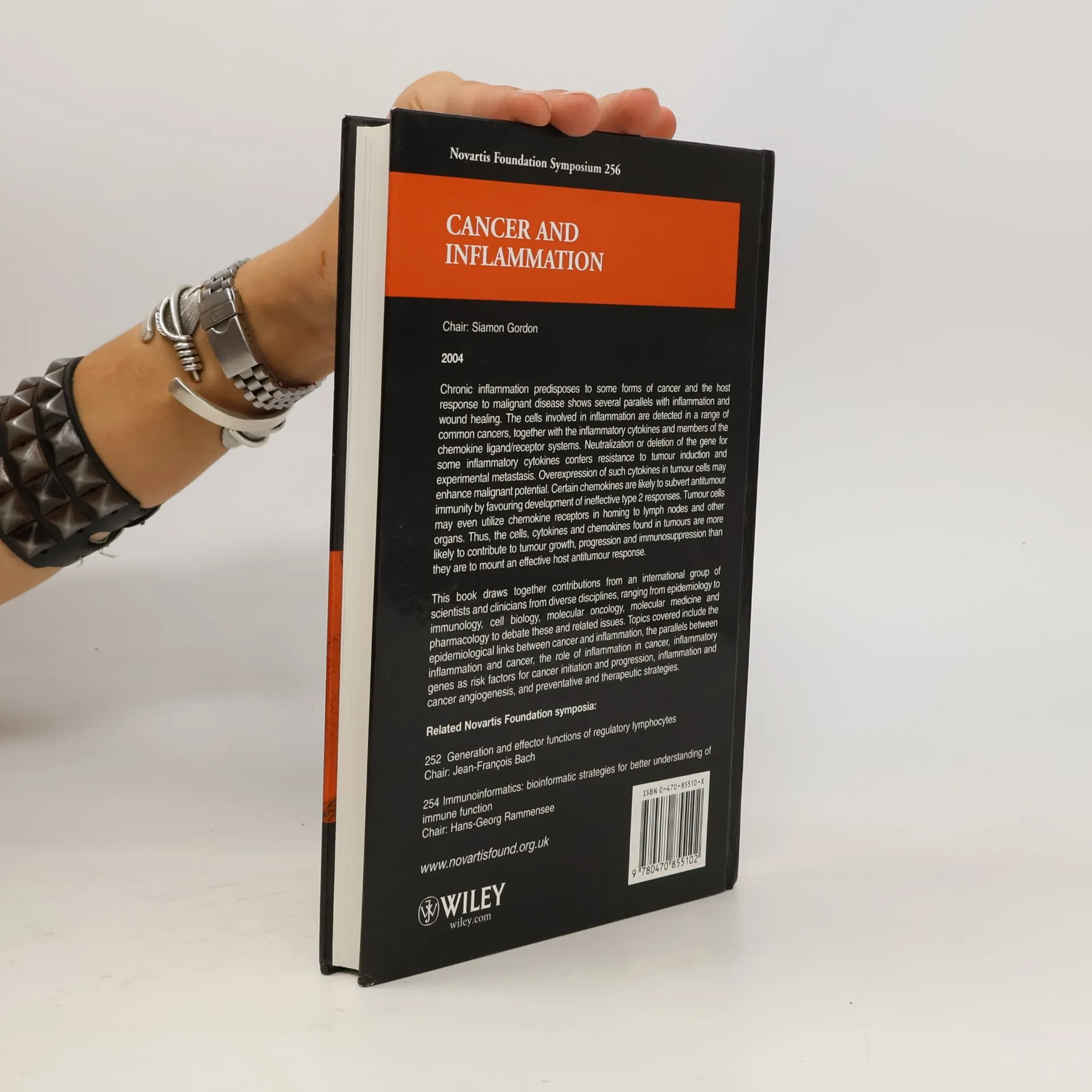
Chronic inflammation is linked to certain cancers, with the host's response to malignancy sharing similarities with inflammation and wound healing. Inflammation-related cells, cytokines, and chemokine systems are present in various common cancers. Neutralizing or deleting genes for specific inflammatory cytokines can provide resistance to tumor formation and metastasis, while over-expressing these cytokines in tumor cells may increase malignancy. Some chemokines may hinder antitumor immunity by promoting ineffective Type 2 responses, and tumor cells can exploit chemokine receptors to migrate to lymph nodes and other organs. Consequently, the components associated with inflammation in tumors tend to facilitate tumor growth, progression, and immunosuppression rather than an effective antitumor response. This book compiles insights from an international array of scientists and clinicians across fields such as epidemiology, immunology, cell biology, molecular oncology, and pharmacology to explore these topics. Discussions include the epidemiological connections between cancer and inflammation, the role of inflammation in cancer development, inflammatory genes as cancer risk factors, the relationship between inflammation and cancer angiogenesis, and strategies for prevention and treatment.
Een boek kopen
Novartis Foundation Symposia: Cancer and Inflammation, Jamie A. Goode, Derek J. Chadwick, Novartis Foundation
- Taal

- Jaar van publicatie
- 2004
- Bindwijze
- (Hardcover),
- Staat van het boek
- Goed
- Prijs
- € 6,09
Betaalmethoden
Nog niemand heeft beoordeeld.
- Titel
- Novartis Foundation Symposia: Cancer and Inflammation
- Taal
- Engels
- Uitgever
- WILEY
- Jaar van publicatie
- 2004
- Formaat
- Hardcover
- Aantal pagina's
- 296
- ISBN10
- 047085510X
- ISBN13
- 9780470855102
- Reeks
- Categorieën
- Tags
- Natuurwetenschappen, Wetenschap, Geneeskunde, Wetenschappelijke literatuur, Kanker, tumoren, Verzet, weerstand, Microbiologie, Biochemie, Grondslagen, Interne Geneeskunde, Oncologie, Pathologie, Moleculaire biologie, Immunologie, Inflammatoire aandoeningen
- Aantekening
- Chronic inflammation is linked to certain cancers, with the host's response to malignancy sharing similarities with inflammation and wound healing. Inflammation-related cells, cytokines, and chemokine systems are present in various common cancers. Neutralizing or deleting genes for specific inflammatory cytokines can provide resistance to tumor formation and metastasis, while over-expressing these cytokines in tumor cells may increase malignancy. Some chemokines may hinder antitumor immunity by promoting ineffective Type 2 responses, and tumor cells can exploit chemokine receptors to migrate to lymph nodes and other organs. Consequently, the components associated with inflammation in tumors tend to facilitate tumor growth, progression, and immunosuppression rather than an effective antitumor response. This book compiles insights from an international array of scientists and clinicians across fields such as epidemiology, immunology, cell biology, molecular oncology, and pharmacology to explore these topics. Discussions include the epidemiological connections between cancer and inflammation, the role of inflammation in cancer development, inflammatory genes as cancer risk factors, the relationship between inflammation and cancer angiogenesis, and strategies for prevention and treatment.