

Meer over het boek
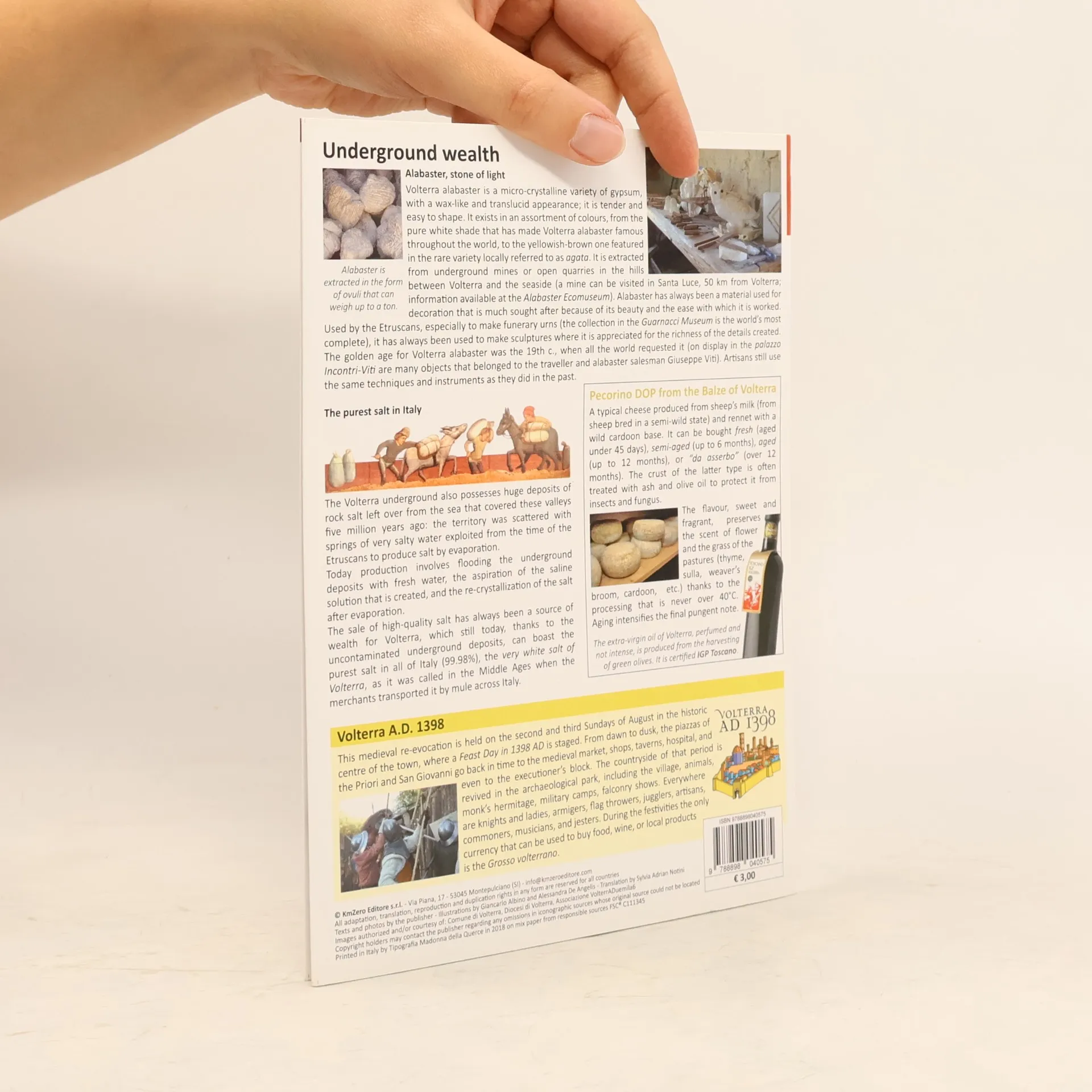
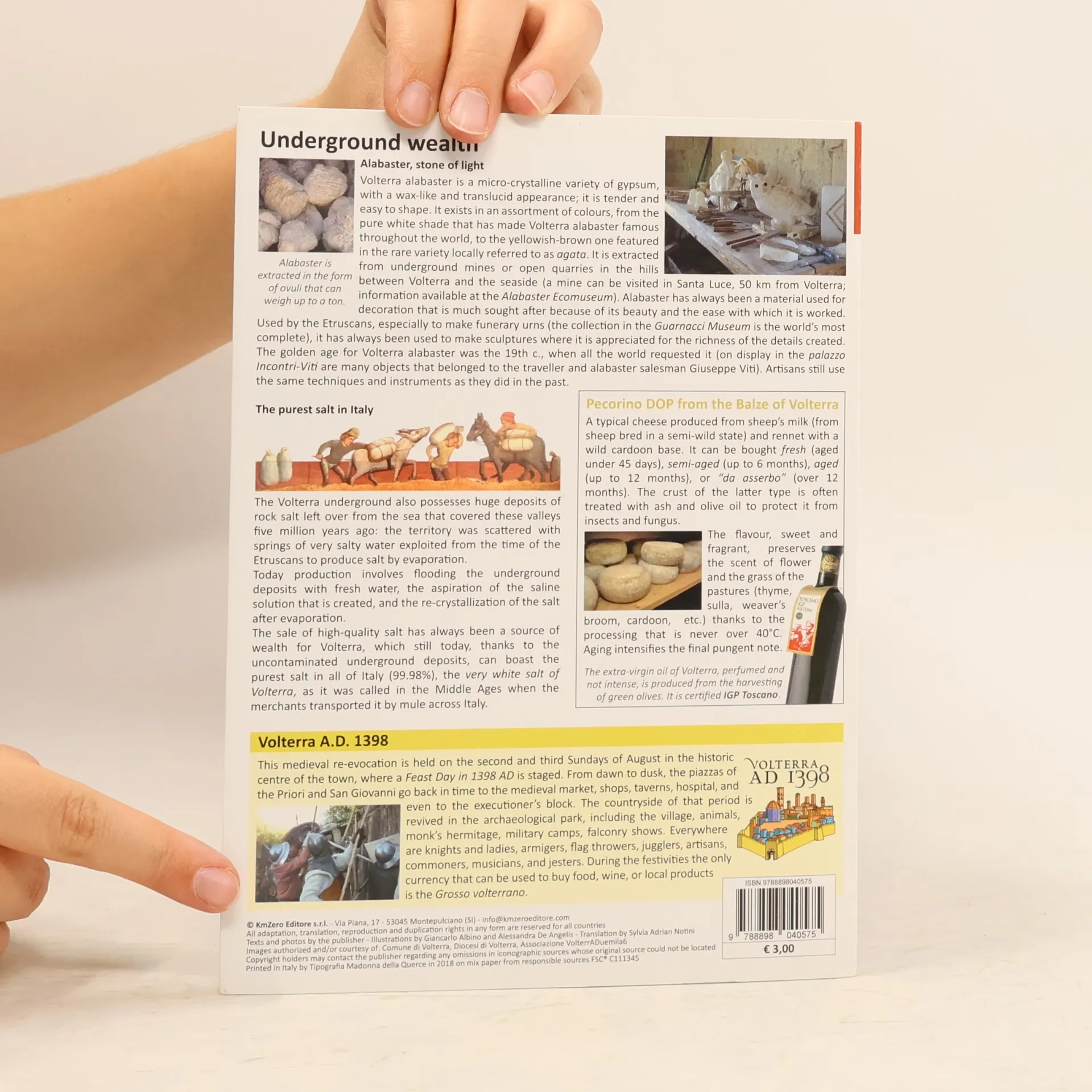
Alabaster is extracted as ovuli, weighing up to a ton, and is renowned for its wax-like, translucent appearance. This micro-crystalline gypsum varies in color, from pure white to yellowish-brown, known locally as agata. It is mined from underground or open quarries in the hills between Volterra and the seaside, with a visitable mine in Santa Luce. Historically, alabaster has been prized for decoration due to its beauty and workability, used by the Etruscans for funerary urns and sculptures, with a peak in demand during the 19th century. Artisans continue to employ traditional techniques and tools. The region also boasts significant deposits of rock salt from ancient seas, with Etruscans exploiting salty springs for evaporation. Modern production involves flooding these deposits and re-crystallization, yielding Italy's purest salt (99.98%). Volterra is also known for Pecorino DOP cheese, made from semi-wild sheep's milk, available in various aging stages. The crust of the aged variety is treated with ash and olive oil for preservation. The region produces fragrant extra-virgin olive oil, certified IGP Toscano. A medieval re-enactment occurs every August, transforming the historic center into a vibrant market reminiscent of 1398 AD, featuring knights, artisans, and performers. The only currency accepted during this event is the Grosso volterrano, adding to the immersive experience.
Een boek kopen
Volterra, Auteurscollectief
- Taal

- Jaar van publicatie
- 2018
- Bindwijze
- (Zadel steek ),
- Staat van het boek
- Zeer goed
- Prijs
- € 7,39
Betaalmethoden
Nog niemand heeft beoordeeld.
- Titel
- Volterra
- Taal
- Engels
- Auteurs
- Auteurscollectief
- Uitgever
- KmZero Editore
- Jaar van publicatie
- 2018
- Formaat
- Zadel steek
- ISBN10
- 8898040571
- ISBN13
- 9788898040575
- Reeks
- Aantekening
- Alabaster is extracted as ovuli, weighing up to a ton, and is renowned for its wax-like, translucent appearance. This micro-crystalline gypsum varies in color, from pure white to yellowish-brown, known locally as agata. It is mined from underground or open quarries in the hills between Volterra and the seaside, with a visitable mine in Santa Luce. Historically, alabaster has been prized for decoration due to its beauty and workability, used by the Etruscans for funerary urns and sculptures, with a peak in demand during the 19th century. Artisans continue to employ traditional techniques and tools. The region also boasts significant deposits of rock salt from ancient seas, with Etruscans exploiting salty springs for evaporation. Modern production involves flooding these deposits and re-crystallization, yielding Italy's purest salt (99.98%). Volterra is also known for Pecorino DOP cheese, made from semi-wild sheep's milk, available in various aging stages. The crust of the aged variety is treated with ash and olive oil for preservation. The region produces fragrant extra-virgin olive oil, certified IGP Toscano. A medieval re-enactment occurs every August, transforming the historic center into a vibrant market reminiscent of 1398 AD, featuring knights, artisans, and performers. The only currency accepted during this event is the Grosso volterrano, adding to the immersive experience.