



Parameters
- 350bladzijden
- 13 uur lezen
Meer over het boek
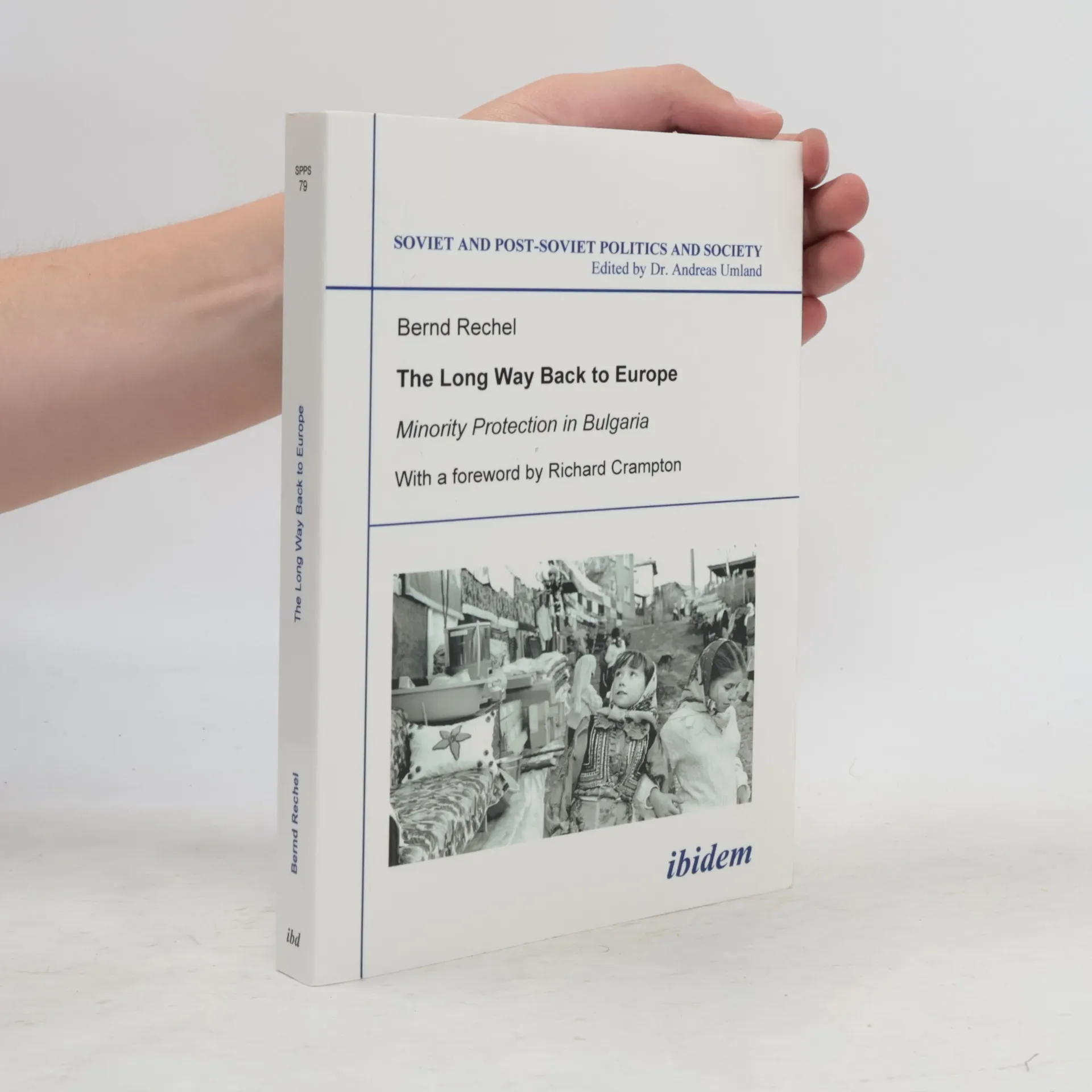
The protection of minorities in Bulgaria presents a paradox. Although minority protection played a prominent role in the accession of the country to the European Union, hardly any positive minority rights were adopted in post-communist Bulgaria. Apart from the reversal of communist assimilation campaigns, only limited progress has been made in the area of minority protection. Positive minority rights have remained very restricted, some minorities, notably Pomaks and Macedonians, have been denied recognition, and the formal adoption of legislation or policy documents has often not been followed by implementation. By charting minority rights policies in Bulgaria in the period between 1989 and 2004, this study clarifies the main reasons for the limited progress in the post-communist period. While, in contrast to some other countries in Central and Eastern Europe, minority “kin-states” did not play a major role in post-communist Bulgaria, the European Union and the Council of Europe were instrumental in putting minority questions on the agenda of Bulgarian governments. However, their impact was smaller than much of the literature on enlargement and conditionality would suggest. Domestic factors were crucial in shaping minority rights policies in post-communist Bulgaria. Of particular importance was the communist legacy, which acted as a brake on the development of minority rights.
Een boek kopen
Soviet and Post-Soviet Politics and Society - 79: The Long Way Back to Europe, Bernd Rechel, Andreas Umland, Richard Crampton
- Taal

- Jaar van publicatie
- 2008
- Bindwijze
- (Paperback),
- Staat van het boek
- Goed
- Prijs
- € 19,99
Betaalmethoden
Nog niemand heeft beoordeeld.
- Titel
- Soviet and Post-Soviet Politics and Society - 79: The Long Way Back to Europe
- Taal
- Engels
- Auteurs
- Bernd Rechel, Andreas Umland, Richard Crampton
- Uitgever
- Ibidem-Verl.
- Jaar van publicatie
- 2008
- Formaat
- Paperback
- Aantal pagina's
- 350
- ISBN10
- 3898218635
- ISBN13
- 9783898218634
- Reeks
- Aantekening
- The protection of minorities in Bulgaria presents a paradox. Although minority protection played a prominent role in the accession of the country to the European Union, hardly any positive minority rights were adopted in post-communist Bulgaria. Apart from the reversal of communist assimilation campaigns, only limited progress has been made in the area of minority protection. Positive minority rights have remained very restricted, some minorities, notably Pomaks and Macedonians, have been denied recognition, and the formal adoption of legislation or policy documents has often not been followed by implementation. By charting minority rights policies in Bulgaria in the period between 1989 and 2004, this study clarifies the main reasons for the limited progress in the post-communist period. While, in contrast to some other countries in Central and Eastern Europe, minority “kin-states” did not play a major role in post-communist Bulgaria, the European Union and the Council of Europe were instrumental in putting minority questions on the agenda of Bulgarian governments. However, their impact was smaller than much of the literature on enlargement and conditionality would suggest. Domestic factors were crucial in shaping minority rights policies in post-communist Bulgaria. Of particular importance was the communist legacy, which acted as a brake on the development of minority rights.