

Parameters
- 291bladzijden
- 11 uur lezen
Meer over het boek
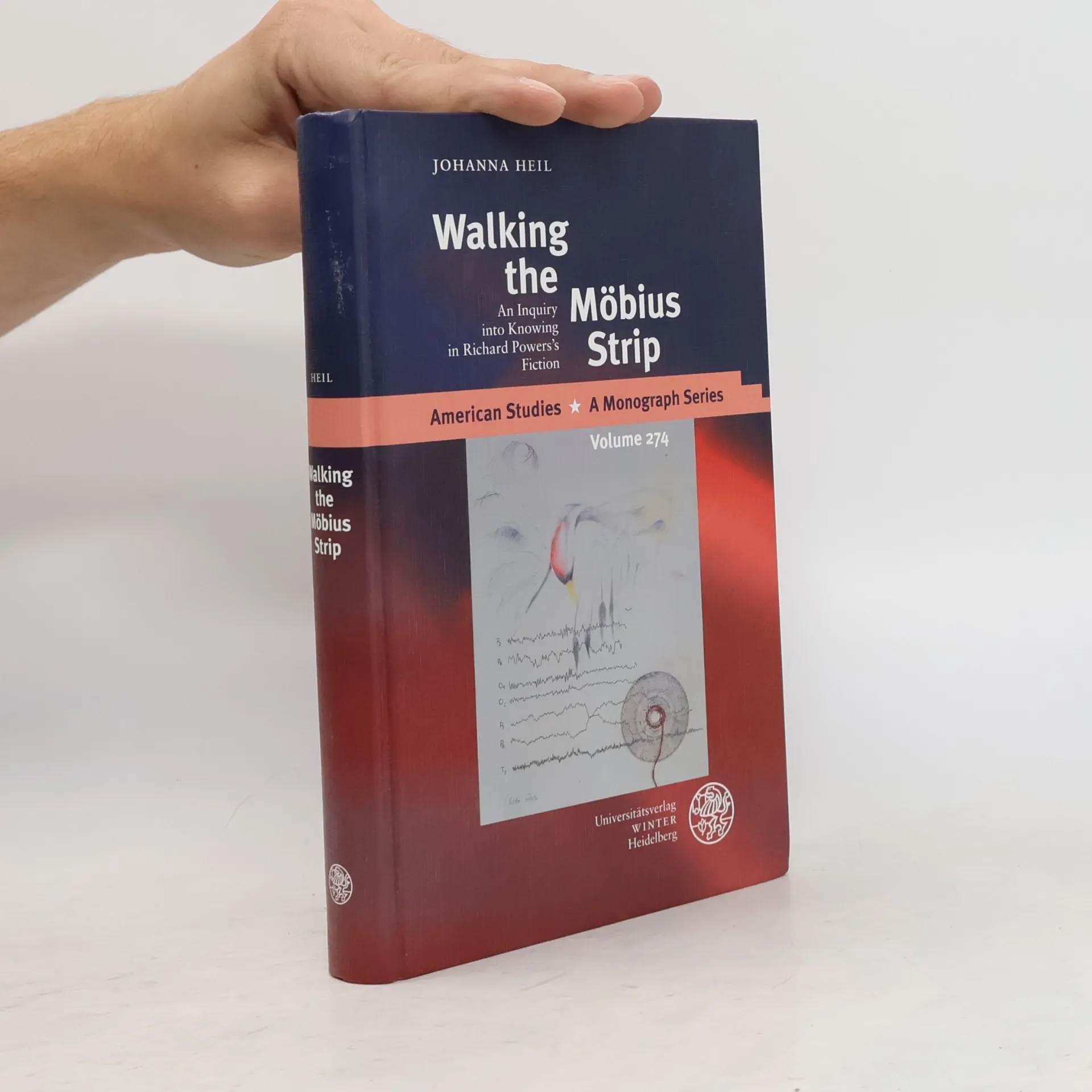
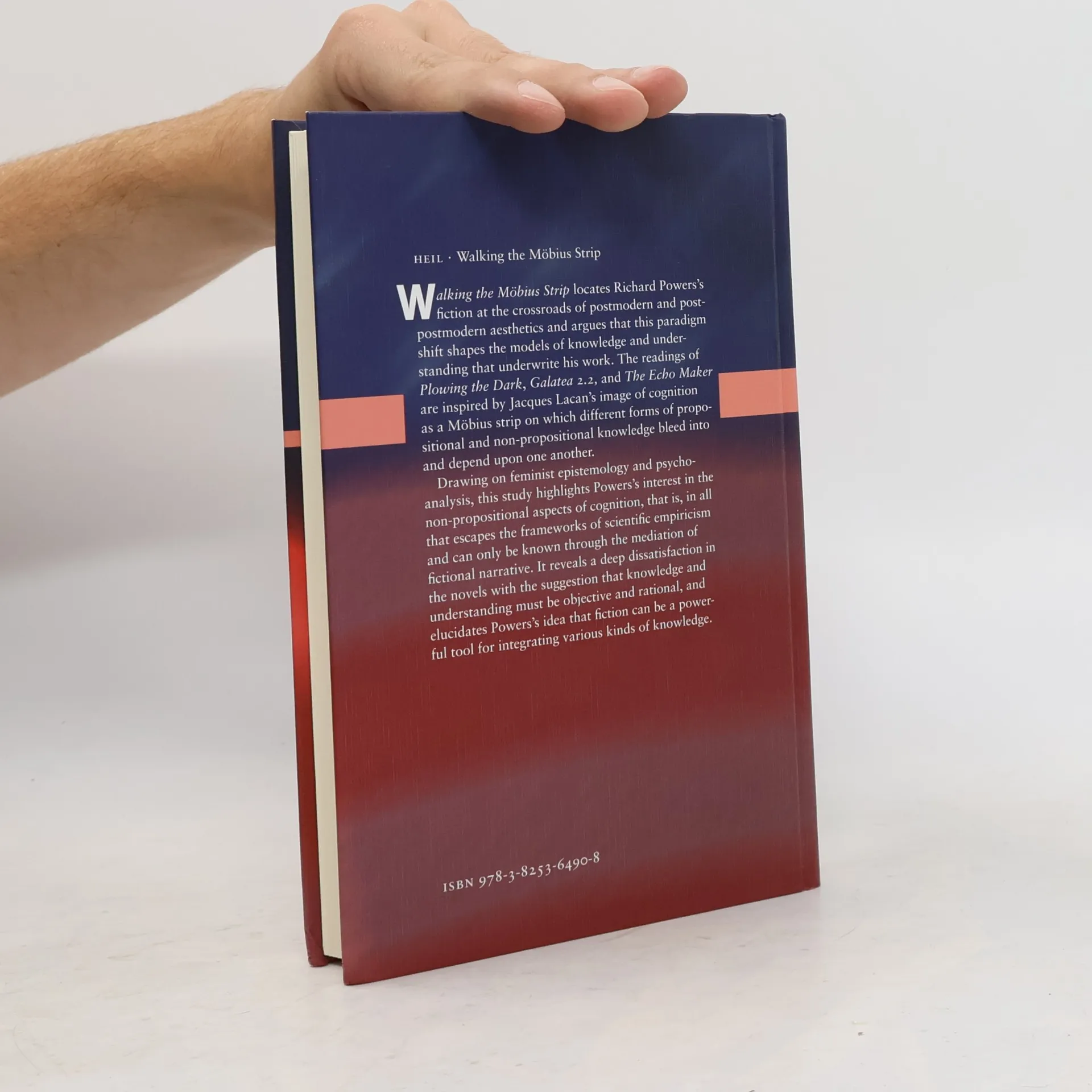
‘Walking the Möbius Strip’ locates Richard Powers’s fiction at the crossroads of postmodern and post-postmodern aesthetics and argues that this paradigm shift shapes the models of knowledge and understanding that underwrite his work. The readings of ‘Plowing the Dark’, ‘Galatea 2.2’, and ‘The Echo Maker’ are inspired by Jacques Lacan’s image of cognition as a Möbius strip on which different forms of propositional and non-propositional knowledge bleed into and depend upon one another. Drawing on feminist epistemology and psychoanalysis, this study highlights Powers’s interest in the non-propositional aspects of cognition, that is, in all that escapes the frameworks of scientific empiricism and can only be known through the mediation of fictional narrative. It reveals a deep dissatisfaction in the novels with the suggestion that knowledge and understanding must be objective and rational, and elucidates Powers’s idea that fiction can be a powerful tool for integrating various kinds of knowledge.
Een boek kopen
American Studies: A Monograph Series - 274: Walking the Möbius Strip, Johanna Heil
- Taal

- Jaar van publicatie
- 2016
- Bindwijze
- (Hardcover),
- Staat van het boek
- Zeer goed
- Prijs
- € 17,89
Betaalmethoden
Nog niemand heeft beoordeeld.
- Titel
- American Studies: A Monograph Series - 274: Walking the Möbius Strip
- Ondertitel
- An Inquiry into Knowing in Richard Powers’s Fiction
- Taal
- Engels
- Auteurs
- Johanna Heil
- Uitgever
- Universitätsverlag Winter
- Jaar van publicatie
- 2016
- Formaat
- Hardcover
- Aantal pagina's
- 291
- ISBN10
- 3825364909
- ISBN13
- 9783825364908
- Reeks
- Categorieën
- Tags
- Kunst, Hedendaagse literatuur, Verenigde Staten, Duitsland, 20e Eeuw, Amerikaanse Literatuur, Feminisme, Literaire Critiek, 21e Eeuw, Postmoderne literatuur, Kennisleer
- Aantekening
- ‘Walking the Möbius Strip’ locates Richard Powers’s fiction at the crossroads of postmodern and post-postmodern aesthetics and argues that this paradigm shift shapes the models of knowledge and understanding that underwrite his work. The readings of ‘Plowing the Dark’, ‘Galatea 2.2’, and ‘The Echo Maker’ are inspired by Jacques Lacan’s image of cognition as a Möbius strip on which different forms of propositional and non-propositional knowledge bleed into and depend upon one another. Drawing on feminist epistemology and psychoanalysis, this study highlights Powers’s interest in the non-propositional aspects of cognition, that is, in all that escapes the frameworks of scientific empiricism and can only be known through the mediation of fictional narrative. It reveals a deep dissatisfaction in the novels with the suggestion that knowledge and understanding must be objective and rational, and elucidates Powers’s idea that fiction can be a powerful tool for integrating various kinds of knowledge.