


Meer over het boek
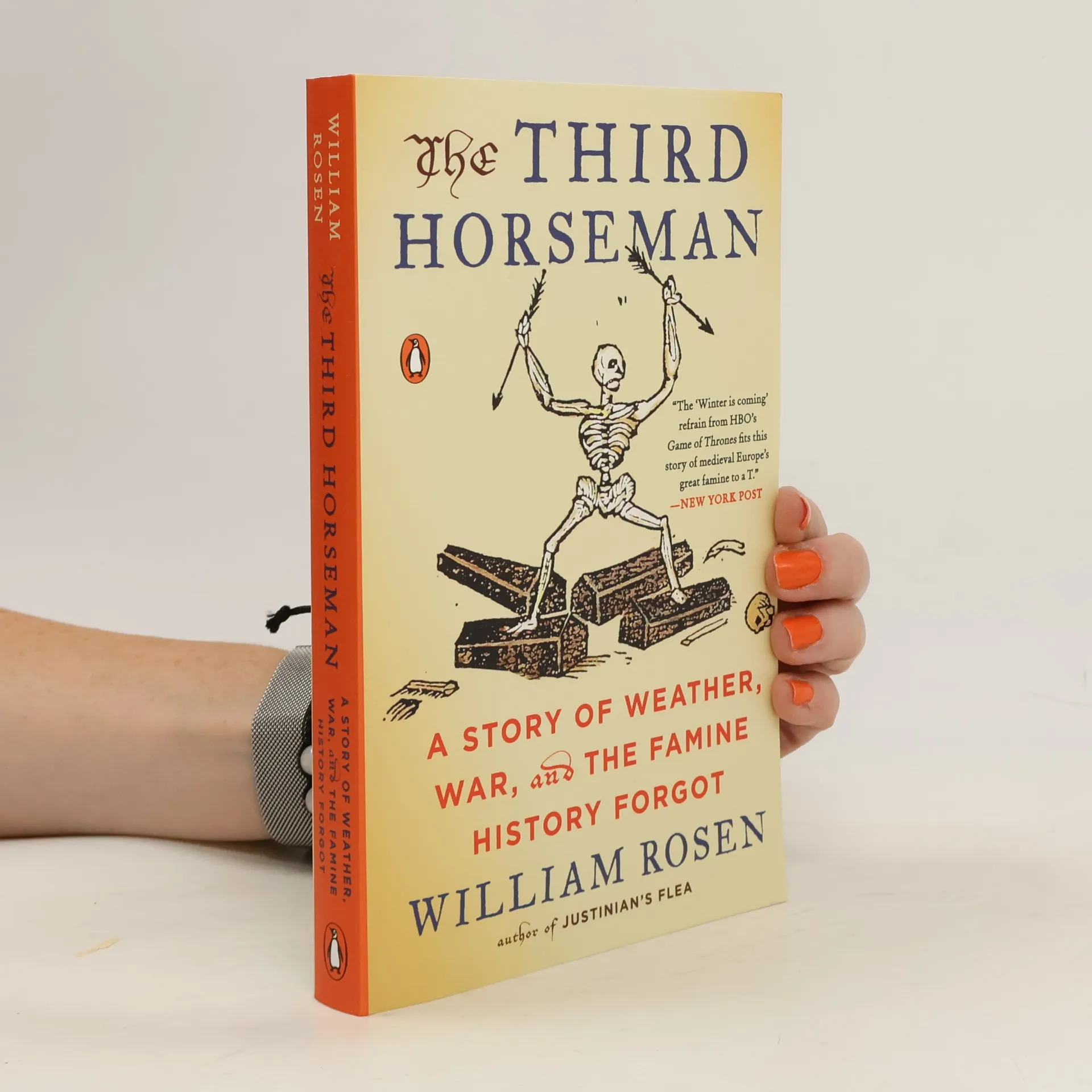
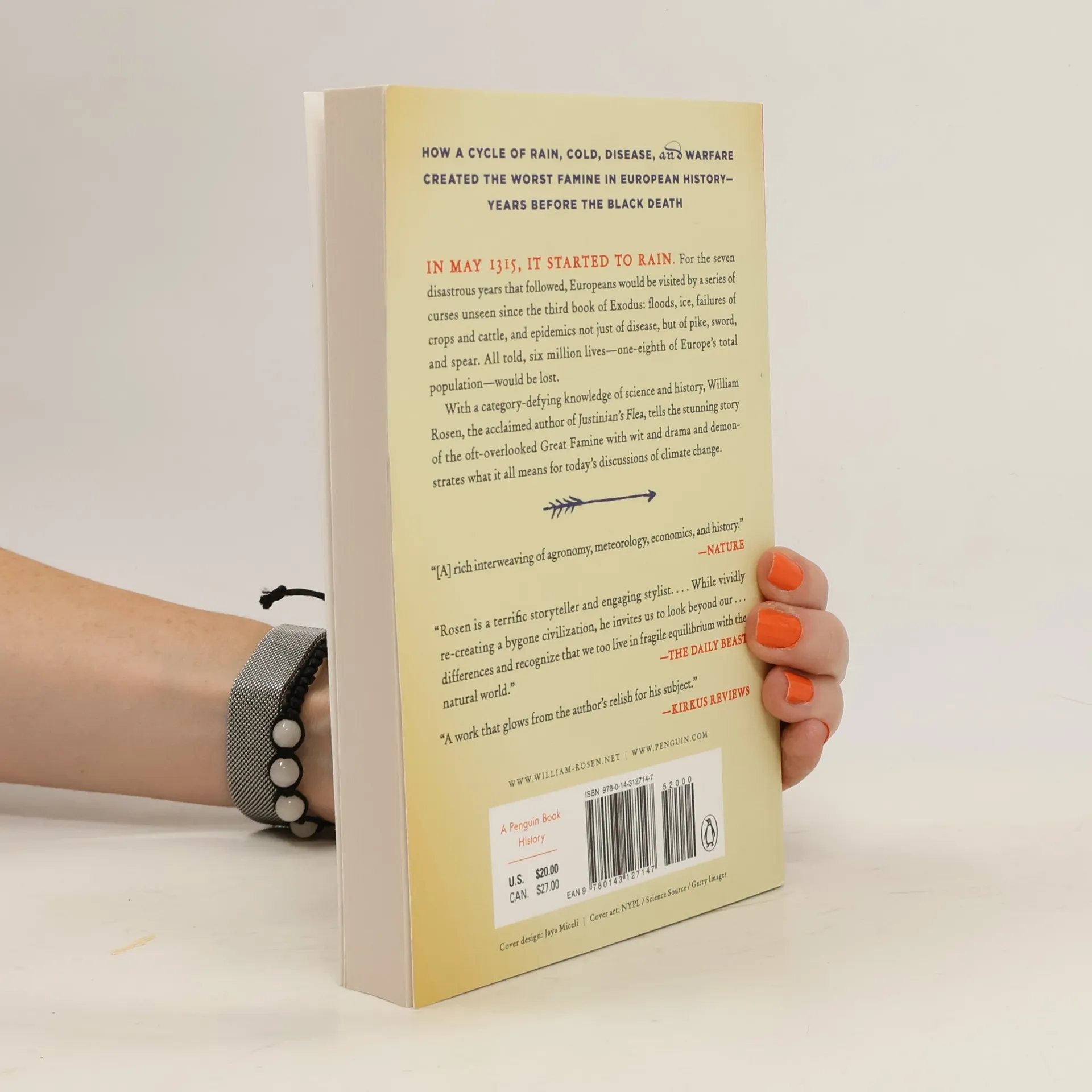
The incredible true story of how a cycle of rain, cold, disease, and warfare created the worst famine in European history—years before the Black Death, from the author of Justinian's Flea and the forthcoming Miracle Cure In May 1315, it started to rain. For the seven disastrous years that followed, Europeans would be visited by a series of curses unseen since the third book of Exodus: floods, ice, failures of crops and cattle, and epidemics not just of disease, but of pike, sword, and spear. All told, six million lives—one-eighth of Europe’s total population—would be lost. With a category-defying knowledge of science and history, William Rosen tells the stunning story of the oft-overlooked Great Famine with wit and drama and demonstrates what it all means for today’s discussions of climate change.
Een boek kopen
The Third Horseman, John M Lachin, William F Rosenberger, William Rosen
- Taal

- Jaar van publicatie
- 2015
- Bindwijze
- (Paperback),
- Staat van het boek
- Goed
- Prijs
- € 10,99
Betaalmethoden
Nog niemand heeft beoordeeld.
- Titel
- The Third Horseman
- Ondertitel
- A Story of Weather, War, and the Famine History Forgot
- Taal
- Engels
- Uitgever
- Penguin Putnam Inc
- Jaar van publicatie
- 2015
- Formaat
- Paperback
- Aantal pagina's
- 304
- ISBN10
- 0143127144
- ISBN13
- 9780143127147
- Reeks
- Categorieën
- Tags
- Historisch thema, Handleidingen en Gidsen, Wetenschap, Verenigde Staten, Oorlogen, School, Europa, Samenleving, Engeland, Verenigd Koninkrijk, Middeleeuwen, Geschiedenis van Europa, Sociale Geschiedenis, Civilisatie, Innovaties, Kastelen en Burchten, Geschiedenis van Engeland, Middeleeuwse literatuur, Hongersnood, Middeleeuwse kunst, Middeleeuwse Filosofie
- Aantekening
- The incredible true story of how a cycle of rain, cold, disease, and warfare created the worst famine in European history—years before the Black Death, from the author of Justinian's Flea and the forthcoming Miracle Cure In May 1315, it started to rain. For the seven disastrous years that followed, Europeans would be visited by a series of curses unseen since the third book of Exodus: floods, ice, failures of crops and cattle, and epidemics not just of disease, but of pike, sword, and spear. All told, six million lives—one-eighth of Europe’s total population—would be lost. With a category-defying knowledge of science and history, William Rosen tells the stunning story of the oft-overlooked Great Famine with wit and drama and demonstrates what it all means for today’s discussions of climate change.