



Parameters
- 248bladzijden
- 9 uur lezen
Meer over het boek
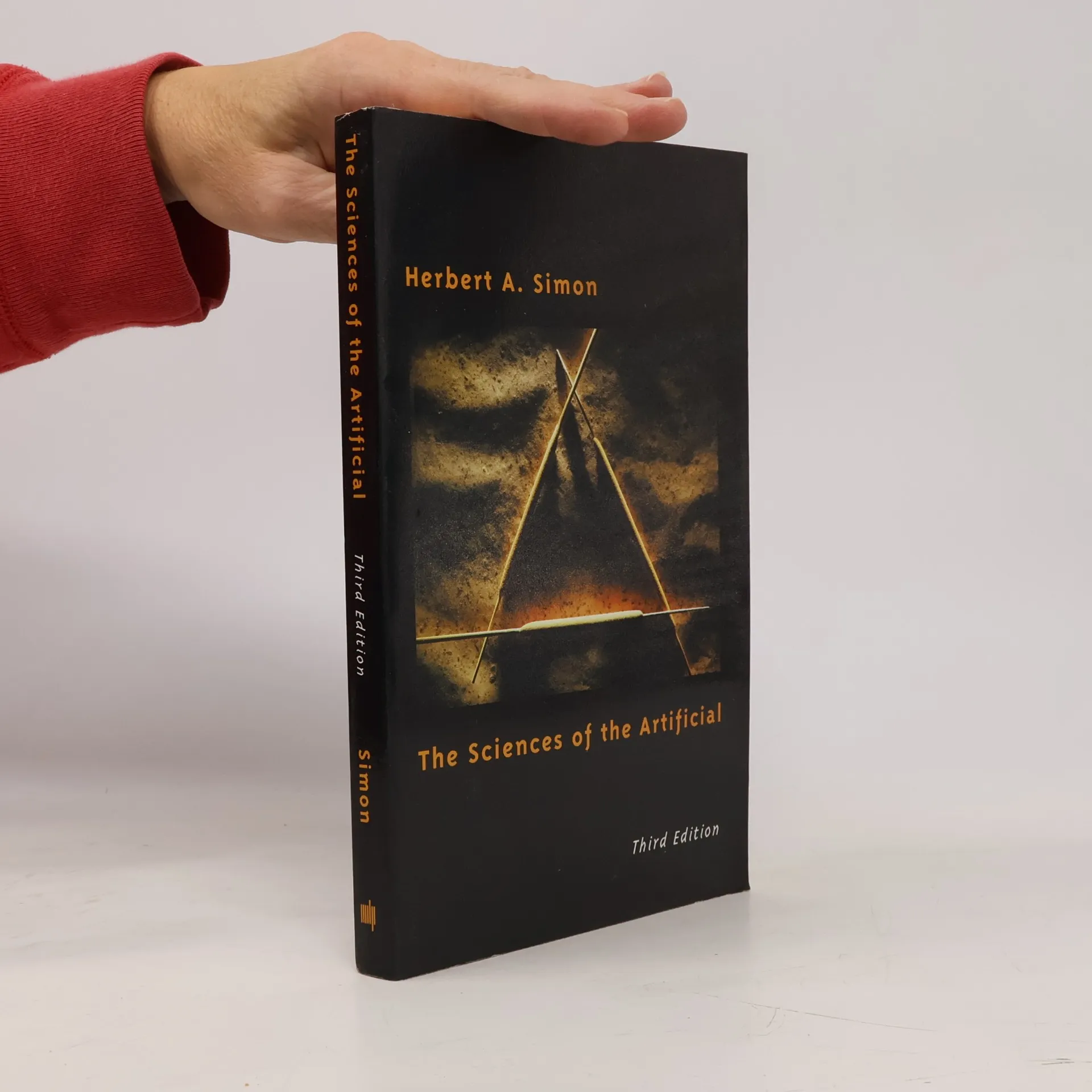
Continuing his exploration of the organization of complexity and the science of design, this new edition of Herbert Simon's classic work on artificial intelligence adds a chapter that sorts out the current themes and tools -- chaos, adaptive systems, genetic algorithms -- for analyzing complexity and complex systems. There are updates throughout the book as well. These take into account important advances in cognitive psychology and the science of design while confirming and extending the book's basic thesis: that a physical symbol system has the necessary and sufficient means for intelligent action. The chapter "Economic Reality" has also been revised to reflect a change in emphasis in Simon's thinking about the respective roles of organizations and markets in economic systems."People sometimes ask me what they should read to find out about artificial intelligence. Herbert Simon's book The Sciences of the Artificial is always on the list I give them. Every page issues a challenge to conventional thinking, and the layman who digests it well will certainly understand what the field of artificial intelligence hopes to accomplish. I recommend it in the same spirit that I recommend Freud to people who ask about psychoanalysis, or Piaget to those who ask about child psychology: If you want to learn about a subject, start by reading its founding fathers." -- George A. Miller
Een boek kopen
The Sciences of the Artificial, Herbert Alexander Simon
- Taal

- Jaar van publicatie
- 1996
- Bindwijze
- (Paperback),
- Staat van het boek
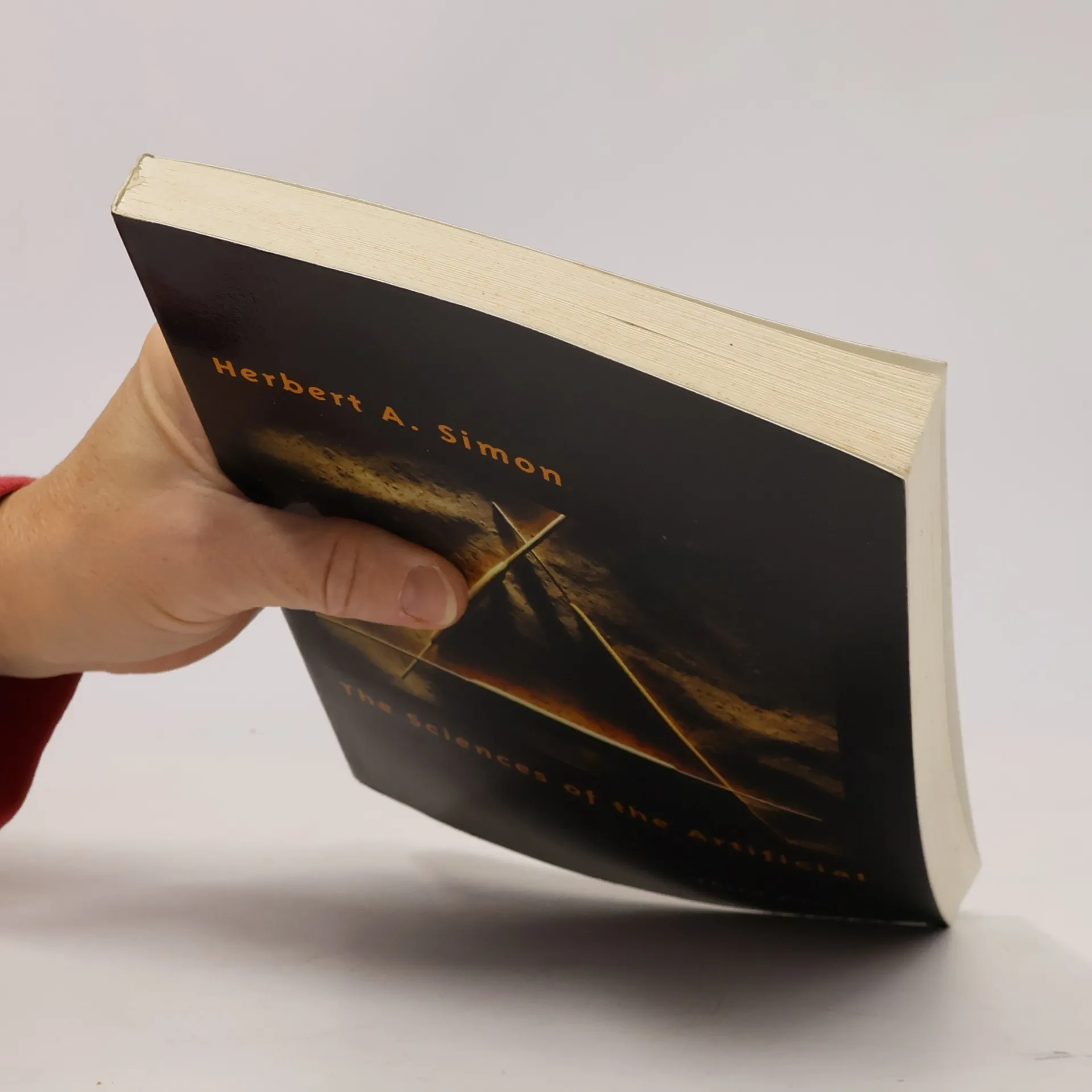
- Beschadigd
- Prijs
- € 15,49
Betaalmethoden
Nog niemand heeft beoordeeld.
- Titel
- The Sciences of the Artificial
- Ondertitel
- Third Edition
- Taal
- Engels
- Auteurs
- Herbert Alexander Simon
- Uitgever
- MIT Press
- Jaar van publicatie
- 1996
- Formaat
- Paperback
- Aantal pagina's
- 248
- ISBN10
- 0262691914
- ISBN13
- 9780262691918
- Reeks
- Tags
- Filosofisch thema, Wetenschap, Verenigde Staten, Technologie, Kunstmatige Intelligentie, Wetenschapsfilosofie, Machine Learning
- Aantekening
- Continuing his exploration of the organization of complexity and the science of design, this new edition of Herbert Simon's classic work on artificial intelligence adds a chapter that sorts out the current themes and tools -- chaos, adaptive systems, genetic algorithms -- for analyzing complexity and complex systems. There are updates throughout the book as well. These take into account important advances in cognitive psychology and the science of design while confirming and extending the book's basic thesis: that a physical symbol system has the necessary and sufficient means for intelligent action. The chapter "Economic Reality" has also been revised to reflect a change in emphasis in Simon's thinking about the respective roles of organizations and markets in economic systems."People sometimes ask me what they should read to find out about artificial intelligence. Herbert Simon's book The Sciences of the Artificial is always on the list I give them. Every page issues a challenge to conventional thinking, and the layman who digests it well will certainly understand what the field of artificial intelligence hopes to accomplish. I recommend it in the same spirit that I recommend Freud to people who ask about psychoanalysis, or Piaget to those who ask about child psychology: If you want to learn about a subject, start by reading its founding fathers." -- George A. Miller