Bernard Williams's remarkable essay on morality confronts the problems of writing moral philosophy.
Canto Classics Reeks
Deze serie presenteert een samengestelde selectie van de meest invloedrijke en gewaardeerde titels uit de uitgebreide catalogus van een vooraanstaande uitgeverij. Het biedt lezers een reis door baanbrekende werken die het intellectuele debat hebben gevormd en het publiek blijven boeien. Elk deel in deze zorgvuldig opnieuw ontworpen paperbackcollectie belooft een rijke leeservaring, die blijvende wijsheid combineert met toegankelijke wetenschap.



What is life?
- 184bladzijden
- 7 uur lezen
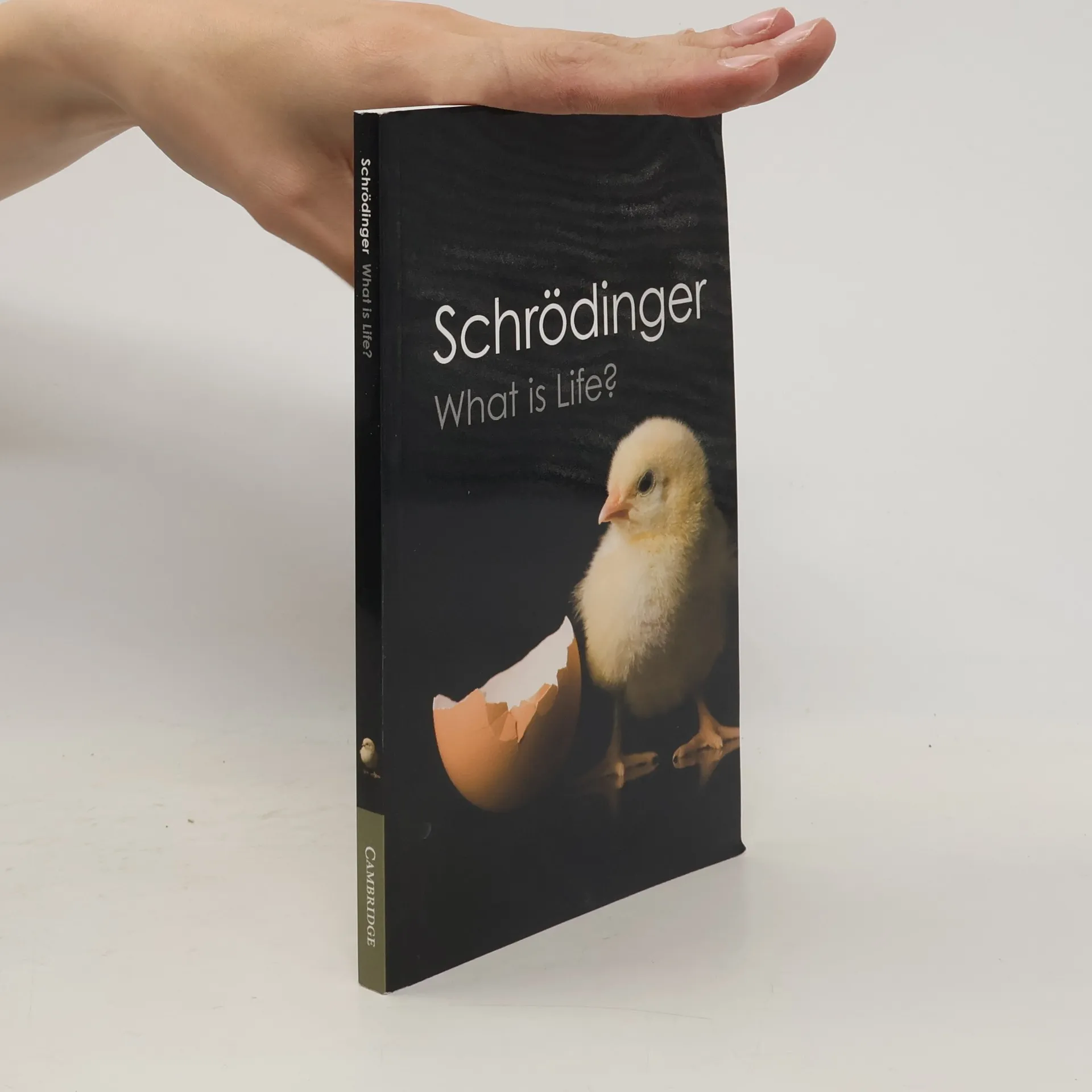
"What Is Life?" is Nobel laureate Erwin Schrödinger's exploration of the question which lies at the heart of biology. His essay, "Mind and Matter," investigates what place consciousness occupies in the evolution of life, and what part the state of development of the human mind plays in moral questions. "Autobiographical Sketches" offers a fascinating fragmentary account of his life as a background to his scientific writings.
D'Arcy Thompson's classic On Growth and Form looks at the way things grow and the shapes they take.
Aztecs an interpretation
- 414bladzijden
- 15 uur lezen
Inga Clendinnen creates a vivid and dramatic picture of life in the Aztec city of Tenochtitlan, once the nerve centre of the Aztec tribute empire. She explores the worlds of Aztec women, of priests and of warriors, in an extraordinary recreation of everyday life in the city. Contrasting the beauty and sophistication of Aztec culture with the savagery of human sacrifice, she attempts to explain the philosophy, rituals, and social structures that underpinned this remarkable empire.
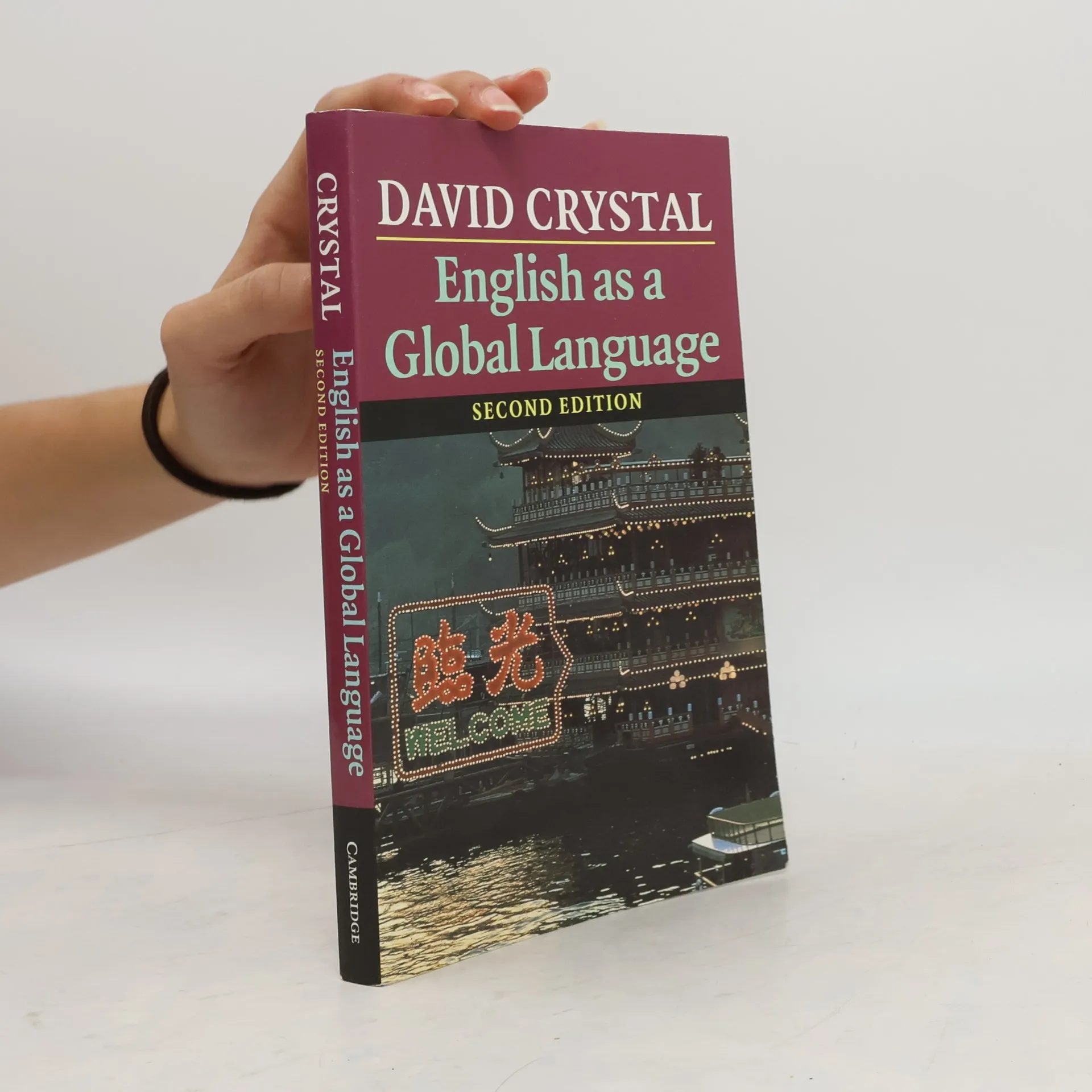
David Crystal, world authority on the English language, presents a lively and factual account of the rise of English as a global language and explores the whys and wherefores of the history, current status and future potential of English as the international language of communication. English has been lauded as the most 'successful' language ever, with 1,500 million speakers worldwide; but Crystal avoids taking sides and tells the story in a measured but engaging way, backed by facts and figures. This new edition of his classic book includes new material (on the vocabulary, grammar and pronunciation of New Englishes), footnotes, new tables, and a full bibliography. There are updates throughout. This is a book for anyone of any nationality concerned with English: teachers, students, language professionals, politicians, general readers and anyone with a love of the language.
The Two Cultures and the Scientific Revolution
- 66bladzijden
- 3 uur lezen
Exploring the divide between the sciences and the humanities, this influential lecture by C. P. Snow argues that this separation hinders societal progress and problem-solving. Originally delivered in 1959, the lecture sparked significant discussion and debate in both the UK and the US, highlighting the need for interdisciplinary understanding. This reprint preserves the original text, allowing contemporary readers to engage with Snow's critical insights into the intellectual landscape of Western society.
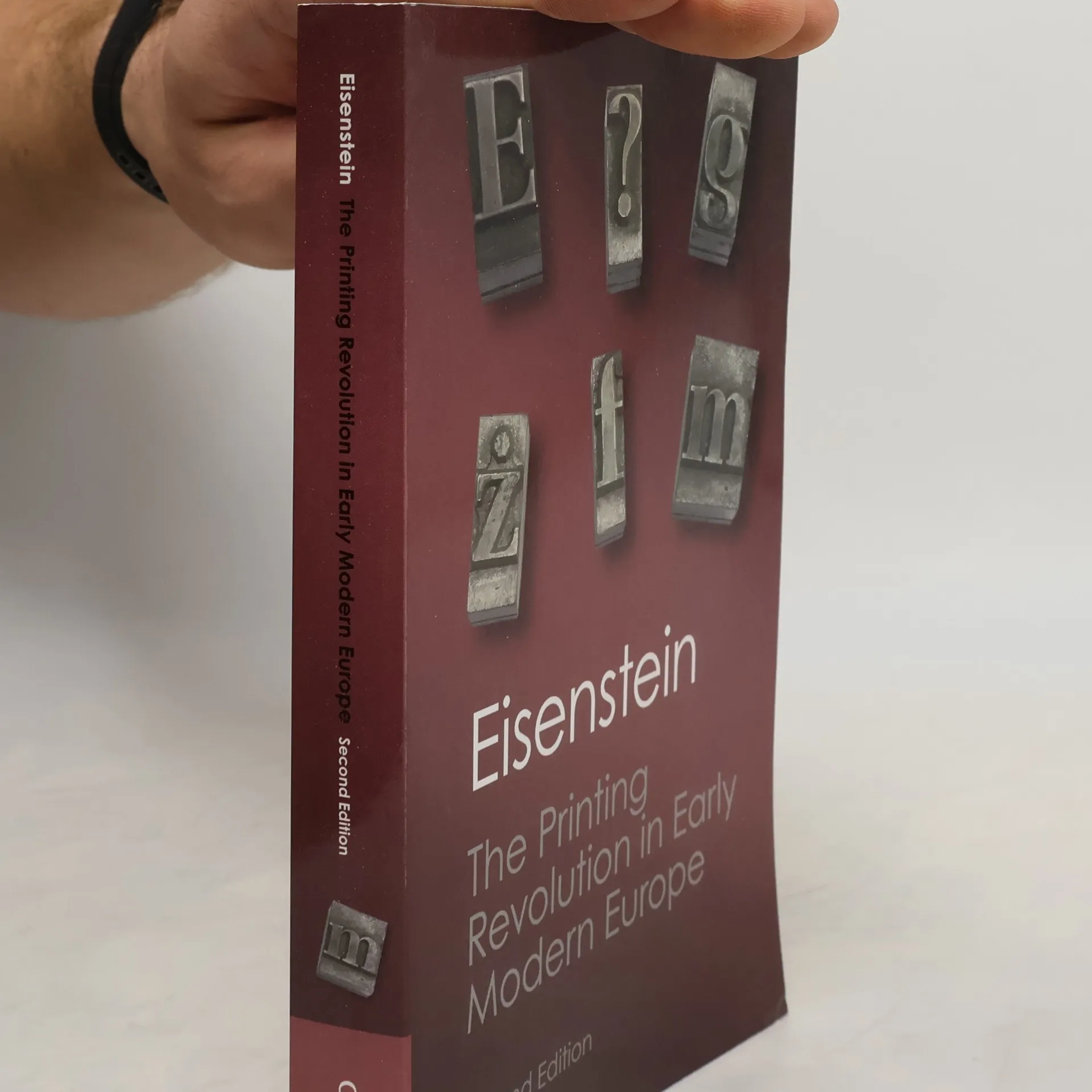
The printing revolution in early modern Europe
- 401bladzijden
- 15 uur lezen
Summarises the initial changes introduced by the establishment of printing shops and discusses how printing affected major cultural movements.
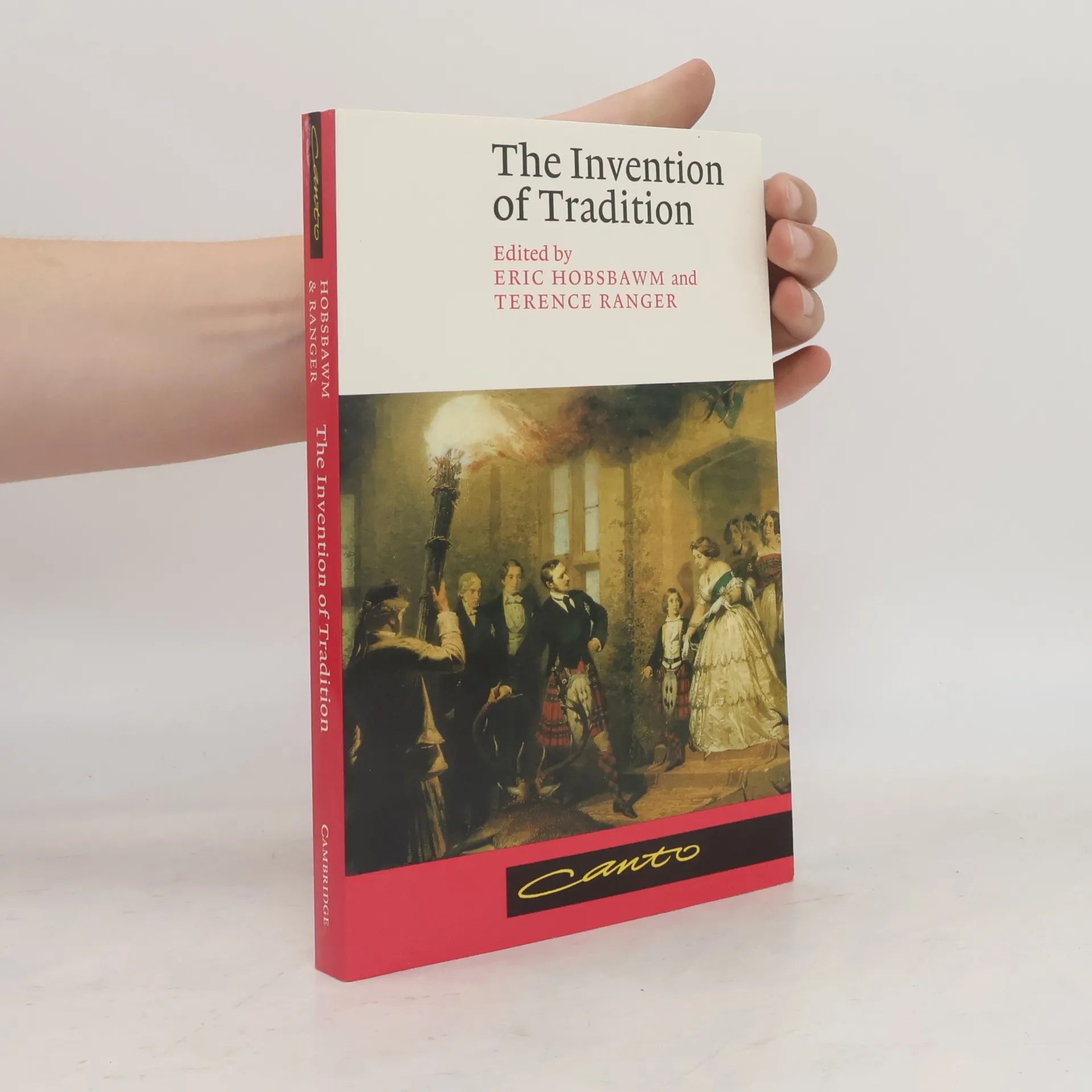
The Invention of Tradition
- 328bladzijden
- 12 uur lezen
Many of the traditions which we think of as very ancient in their origins were not in fact sanctioned by long usage over the centuries, but were invented comparatively recently. This book explores examples of this process of invention - the creation of Welsh and Scottish 'national culture'; the elaboration of British royal rituals in the nineteenth and twentieth centuries; the origins of imperial ritual in British India and Africa; and the attempts by radical movements to develop counter-traditions of their own. This book addresses the complex interaction of past and present, bringing together historicans and anthropologists in a fascinating study of ritual and symbolism which possess new questions for the understanding of our history.
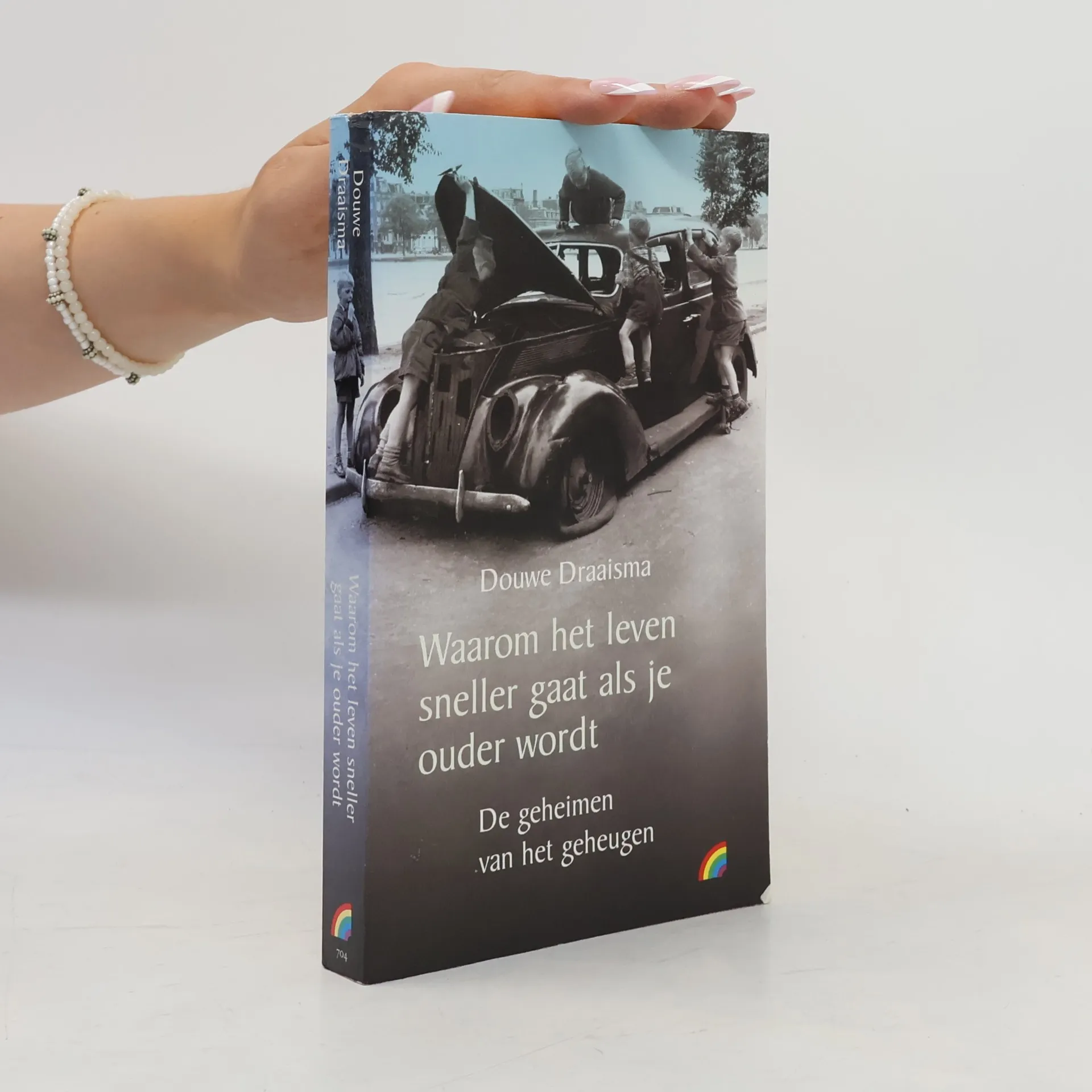
Waarom het leven sneller gaat als je ouder wordt
De geheimen van het geheugen - druk 2
- 329bladzijden
- 12 uur lezen
In ons autobiografische geheugen registreren we onze persoonlijke ervaringen. Het dient als een bron voor onze vroegste herinneringen, het huis van onze kindertijd en recent gelezen boeken. Dit geheugen ontwikkelt zich met ons mee en is onze meest intieme metgezel, maar roept ook vragen op. Waarom negeert het soms onze verzoeken, verliest het wat we willen bewaren, of brengt het terug wat we juist wilden vergeten? Waarom vergeten we bijna alles van voor ons derde of vierde levensjaar? Wat maakt dat geuren zulke krachtige herinneringen oproepen? Waarom onthouden we kwetsuren zo goed? Waarom lijkt de tijd sneller te verstrijken naarmate we ouder worden? Dit zijn slechts enkele van de alledaagse vragen. Psychologisch onderzoek naar autobiografisch geheugen probeert ook te verklaren waarom we ons precies herinneren waar we waren toen prinses Diana overleed, hoe déjà vu's ontstaan, en waarom onze herinneringen altijd vooruitgaan. Hoe kunnen schakers blind tientallen partijen tegelijk spelen? Waarom zien stervenden soms hun leven 'als een film' voorbijflitsen? De antwoorden komen uit de psychologie en zijn geworteld in de nieuwsgierigheid naar het geheugen dat ons verleden en onze identiteit vormt.
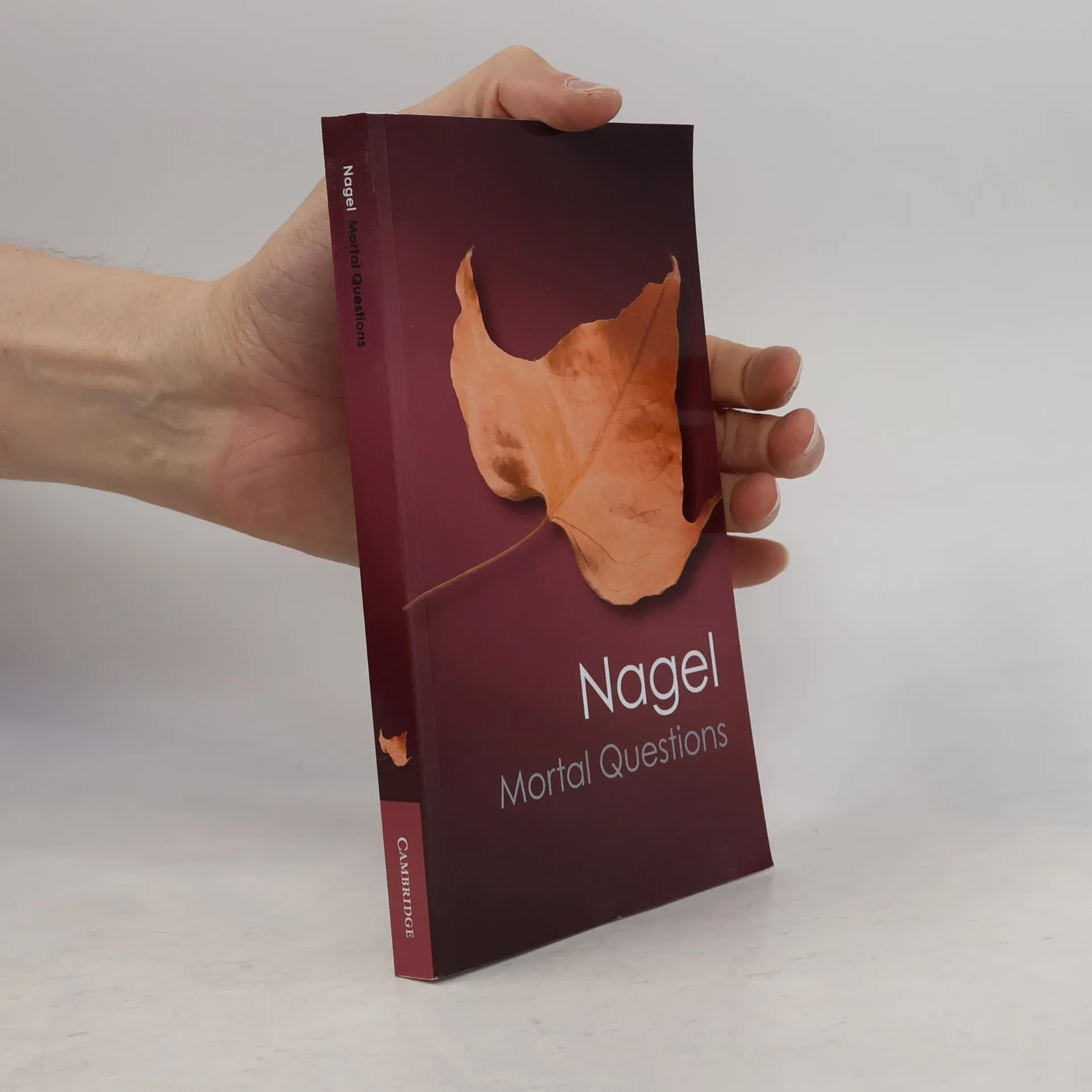
Mortal Questions
- 226bladzijden
- 8 uur lezen
Thomas Nagel's Mortal Questions explores some fundamental issues concerning the meaning, nature and value of human life.
Die geheimnisvolle Geschichte eines der furchtbarsten Inquisitionsprozesses der Geschichte. Im Oktober 1307 ließ König Philipp der Schöne sämtliche Tempelritter einkerkern und sie unter grausamen Folterungen verhören. Die Anklagepunkte lauteten: Ketzerei, Satanskult und Sodomie. Im August 1308 erreichten die Verfolgungen ihren Höhepunkt, und bald loderten die ersten Scheiterhaufen. Das rätselhafte Ende des Templerordens ließ zahllose Legenden und Mythen entstehen. Malcolm Barber, der das gesamte Urkundenmaterial, auch die geheimsten Quellen, akribisch ausgewertet hat, gibt Antwort auf die Frage: Was war der wahre Grund für die Vernichtung der Templer?
Schrödinger : Life and Thought
- 523bladzijden
- 19 uur lezen
This is a biography of the great scientist, Erwin Schrödinger (author of What is Life?), which draws upon recollections of his family and friends, as well as on contemporary records, diaries and letters. It aims to reveal the fundamental motives that drove him.
The British Isles
- 250bladzijden
- 9 uur lezen
This is a unique account of the British Isles from pre-Roman times to the twentieth century, distinguished by its stress on the fact that English history forms only part of a wider "history of four nations." To ignore this wider dimension is to distort our view of the past and hinder our understanding of the present. Wide-ranging, the book transforms and challenges traditional accounts of what constitutes national history.
This textbook deals with magic, both natural and demonic, within the broad context of medieval culture. Covering the years c. 500 to 1500, with a chapter on antiquity, it invesigates the way magic relates to the many other cultural forms of the time, such as religion and science, literature and art. The book begins with a full discussion of the social history of magic and of the ways in which magical beliefs borrowed from a diversity of cultures. Thereafter, within a wider study of the growth and development of the phenomenon, the author shows how magic served as a point of contact between the popular and elite classes, how the reality of beliefs is reflected in the fiction witchcraft led to changes in the law. The chapter on medieval literature, and how the permagicalsecution of magic and er on necromancy is the most original, based largely on unpublished manuscripts and arguing for a new interpretation of the material. Adopting an interdisciplinary approach Professor Kieckhefer has taken magic from its cultural isolation and placed it firmly at the crossroads of medieval culture, as a focal point for our understanding of many other aspects of medieval history.
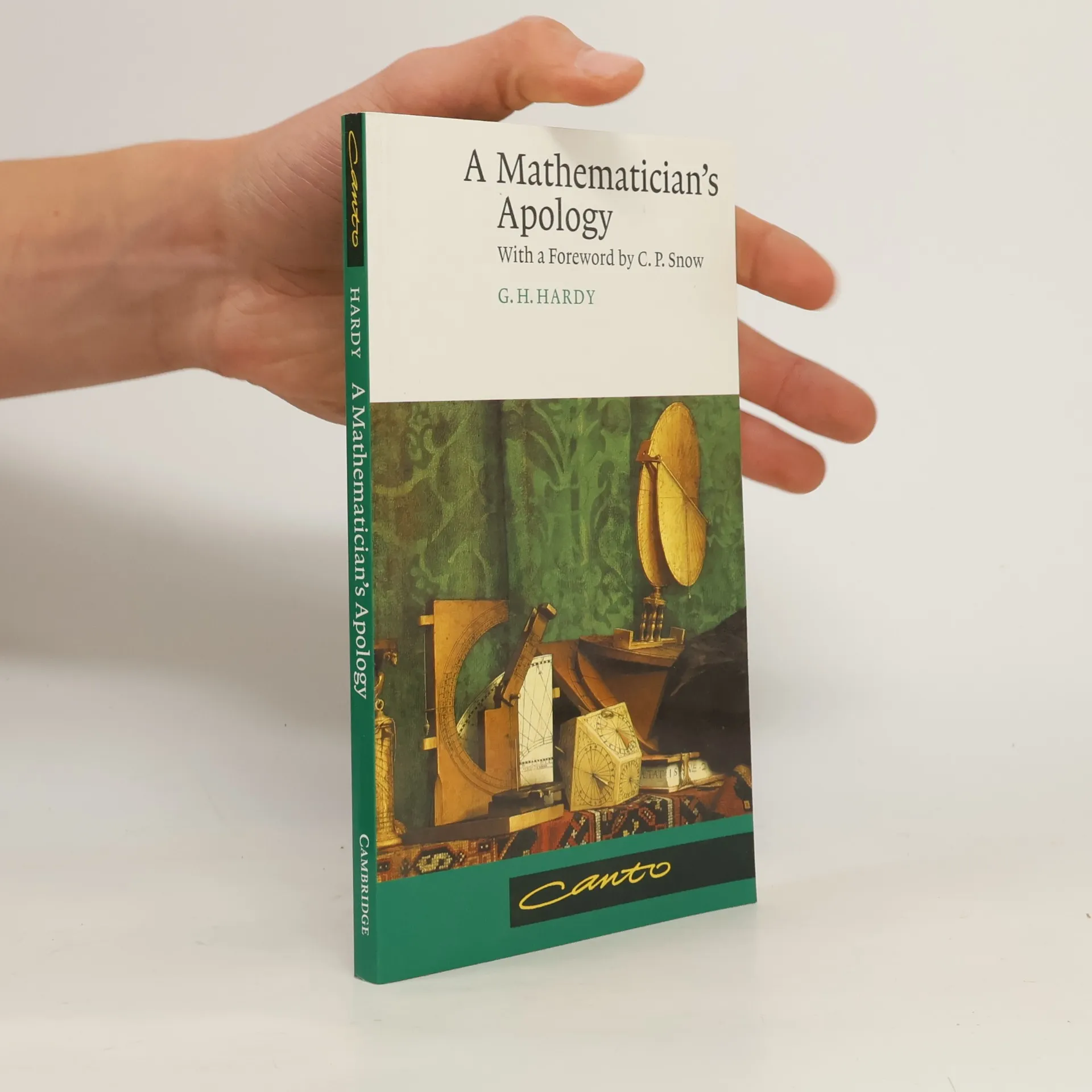
A Mathematician's Apology
- 158bladzijden
- 6 uur lezen
G. H. Hardy was one of this century's finest mathematical thinkers, renowned among his contemporaries as a 'real mathematician ... the purest of the pure'. He was also, as C. P. Snow recounts in his Foreword, 'unorthodox, eccentric, radical, ready to talk about anything'. This 'apology', written in 1940 as his mathematical powers were declining, offers a brilliant and engaging account of mathematics as very much more than a science; when it was first published, Graham Greene hailed it alongside Henry James's notebooks as 'the best account of what it was like to be a creative artist'. C. P. Snow's Foreword gives sympathetic and witty insights into Hardy's life, with its rich store of anecdotes concerning his collaboration with the brilliant Indian mathematician Ramanujan, his aphorisms and idiosyncrasies, and his passion for cricket. This is a unique account of the fascination of mathematics and of one of its most compelling exponents in modern times.
States and Social Revolutions
- 421bladzijden
- 15 uur lezen
Shows how state structures, international forces, and class relations combine to explain the origins and accomplishments of social-revolutionary transformations.
Language Death
- 276bladzijden
- 10 uur lezen
The endangerment and death of minority languages across the world is a matter of widespread concern. A leading commentator on language issues, David Crystal asks the question, 'why is language death so important?', reviews the reasons for the current crisis, and investigates what is being done to reduce its impact.
Information and the Nature of Reality
- 382bladzijden
- 14 uur lezen
Many scientists regard mass and energy as the primary currency of nature. In recent years, however, the concept of information has gained importance. Why? In this book, eminent scientists, philosophers and theologians chart various aspects of information, from quantum information to biological and digital information, in order to understand how nature works. Beginning with a historical treatment of the topic, the book also examines physical and biological approaches to information, and its philosophical, theological and ethical implications.
The Spanish Labyrinth
- 648bladzijden
- 23 uur lezen
The Spanish Labyrinth, first published in 1943, has become the classic account of the background to the Spanish Civil War.
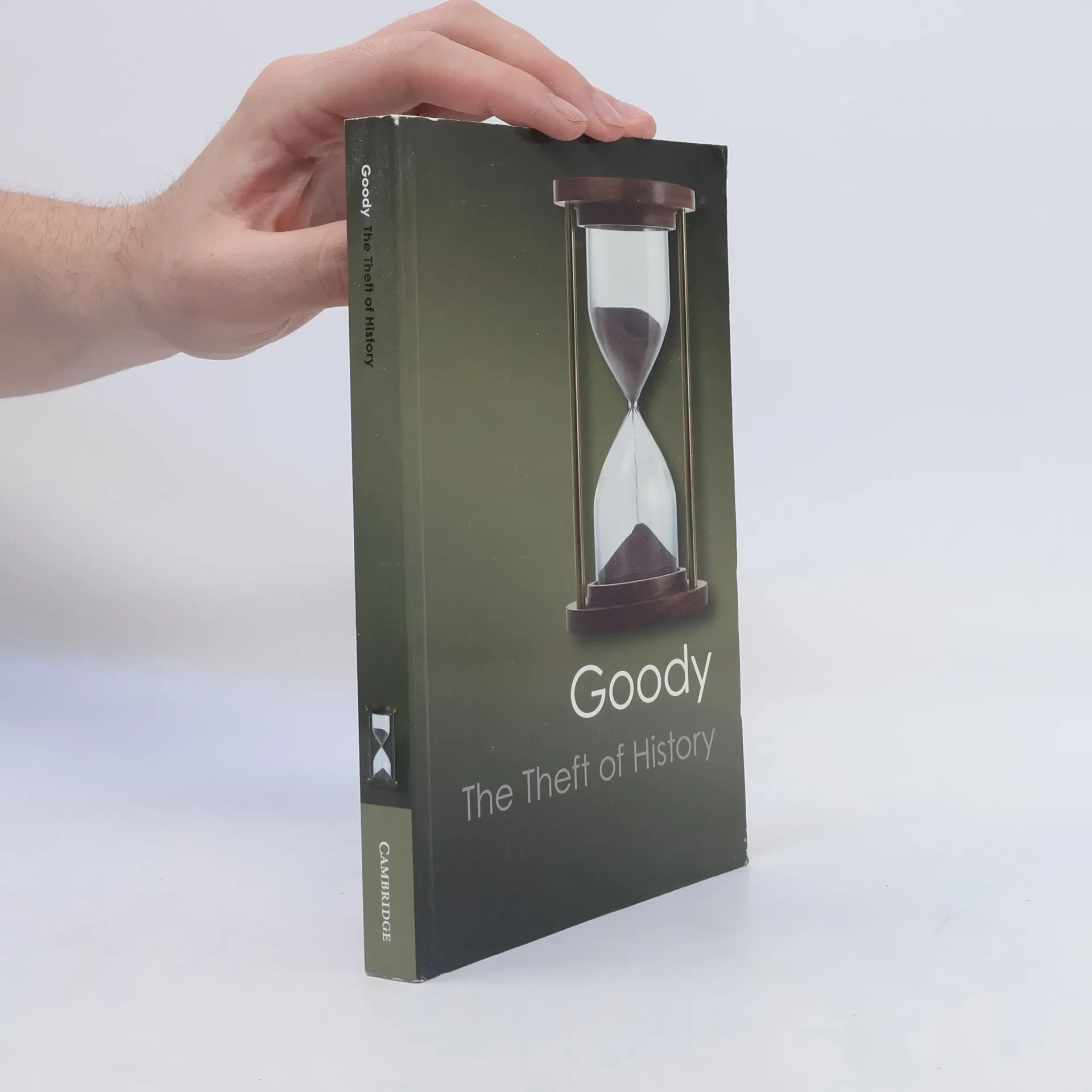
The Theft of History
- 352bladzijden
- 13 uur lezen
Goody raises questions about theorists, historians and methodology and proposes a new comparative approach to cross-cultural analysis.
Think On My Words
- 266bladzijden
- 10 uur lezen
David Crystal provides a lively and original introduction to Shakespeare's language, making his plays easily accessible to modern-day audiences.
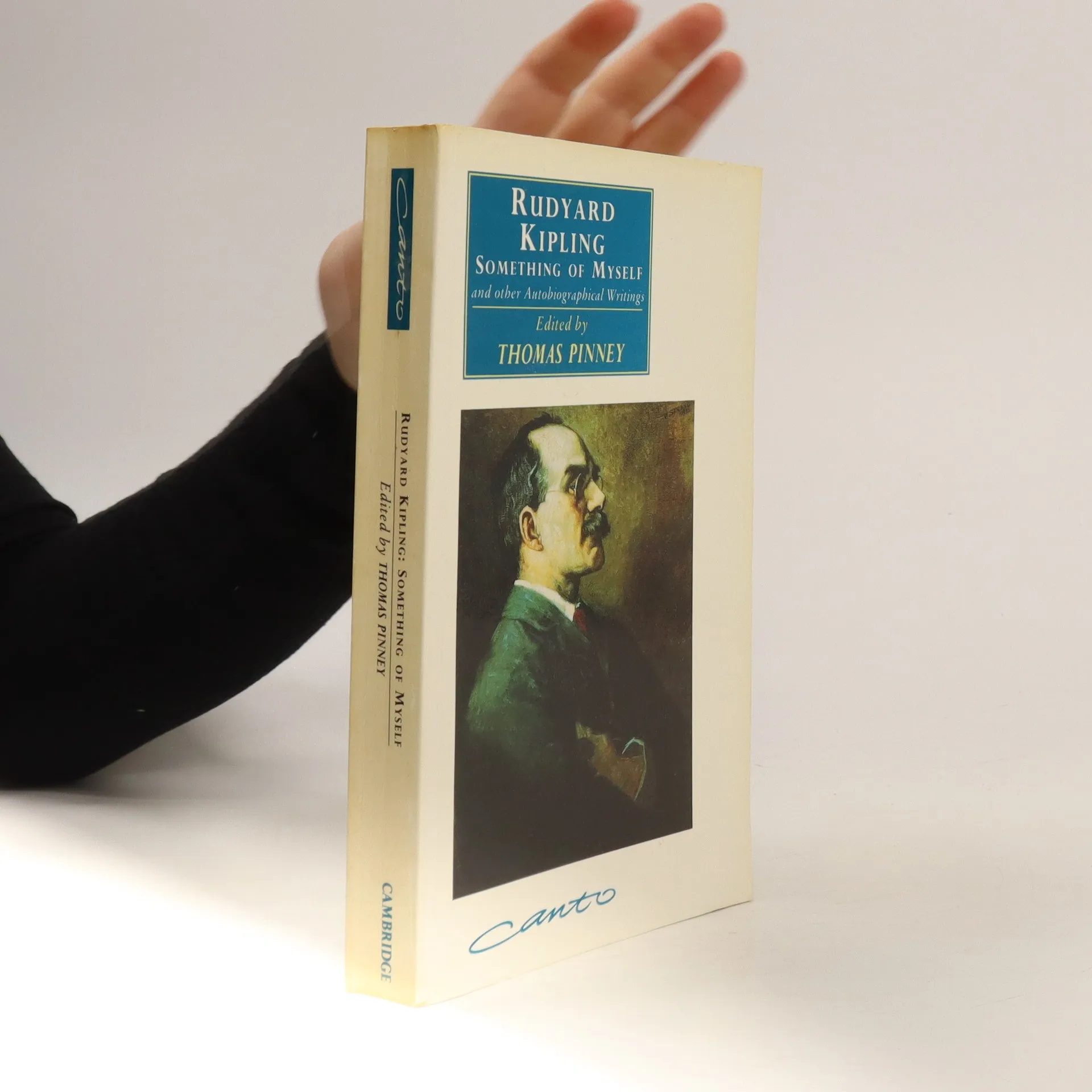
Rudyard Kipling's autobiography, Something of Myself, was the author's last work, but it has not received the serious attention it deserves. Thomas Pinney's edition of the work, supplemented by other autobiographical pieces, aims to change that. Professor Pinney, a leading textual editor currently engaged on Kipling's letters, has consulted the available source material relating to Something of Myself. He has constructed an outline of the book's composition; described the history of its publication; established a text and a set of variants; and given a critical account of the book's design and its main themes. His annotations to the work (and to the supplementary pieces) identify references and allusions, and provide a biographical context against which Kipling's selections, omissions, and distortions may clearly be seen. The extent to which Kipling's description of his life failed to match what actually happened is extraordinary. Two of the additional items presented here (Kipling's Indian diary of 1885 and the illustrations he made for his autobiographical story, 'Baa Baa, Black Sheep') are previously unpublished. Pinney shows how they, and other forms of autobiographical writing, reflect upon or complicate the narrative of Something of Myself. This carefully prepared edition sheds new light on Kipling as a man and writer.
Nations and nationalism since 1780 : programme, myth, reality
- 199bladzijden
- 7 uur lezen
Hobsbawm's classic account, revised in the light of recent political upheavals.
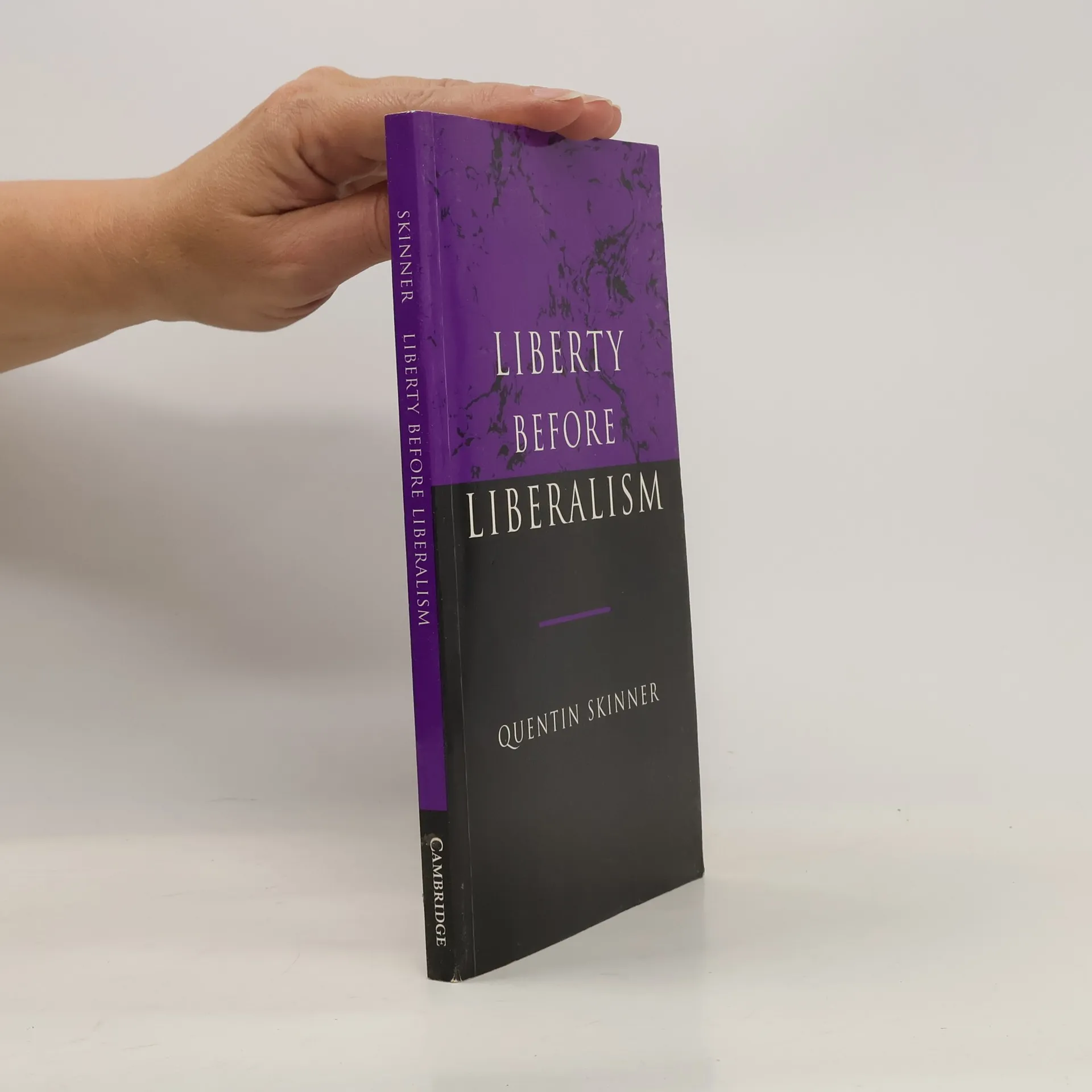
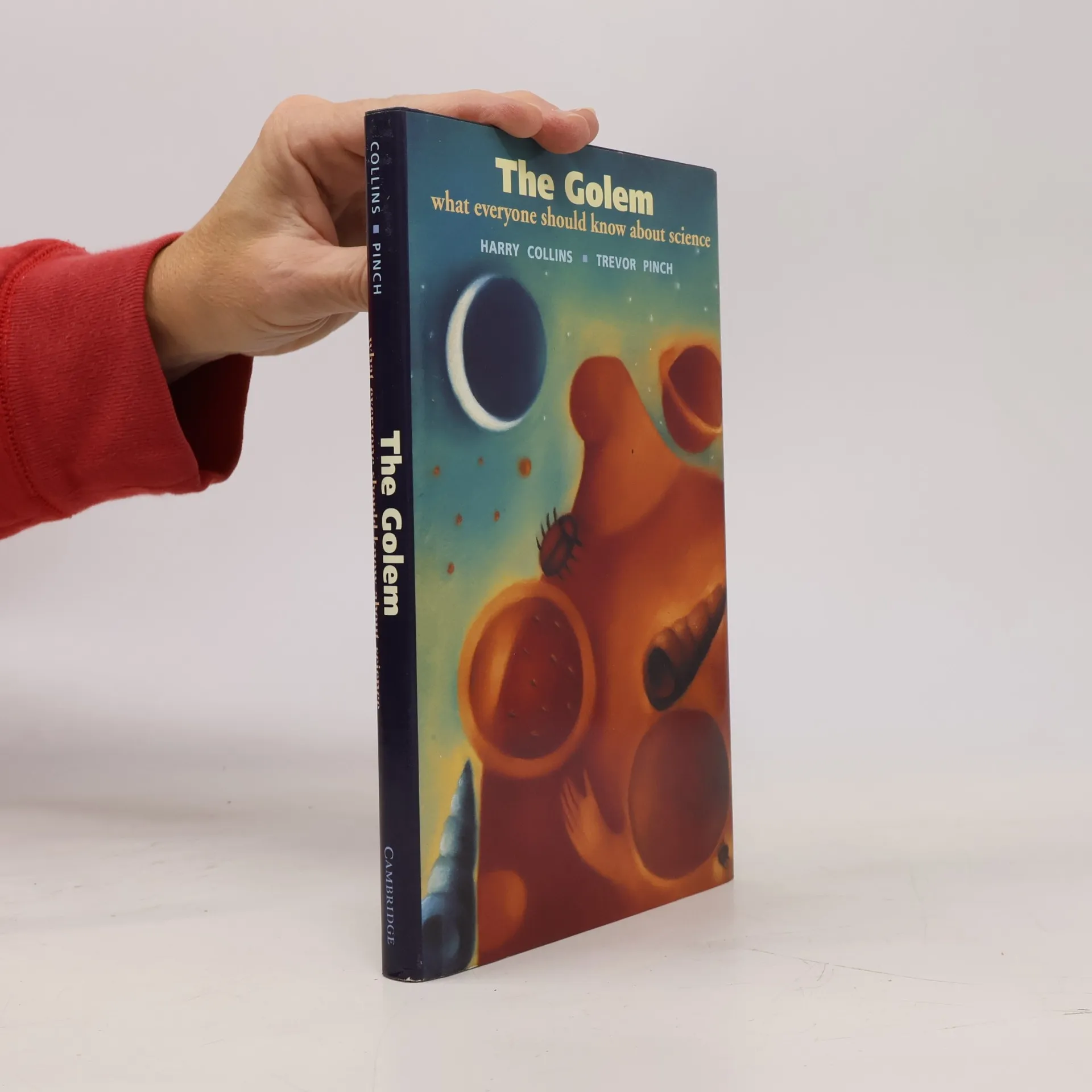
This extended essay by one of the world's leading historians seeks, in its first part, to excavate and vindicate the neo-Roman theory of free citizens and free states as it developed in early modern Britain. This analysis leads to a powerful defense of the nature, purposes and goals of intellectual history and the history of ideas. In this concise yet powerful account, derived from his inaugural lecture as Regius Professor at Cambridge, Quentin Skinner provides one of the most substantial statements yet made about the importance, relevance and excitement of this form of historical enquiry.
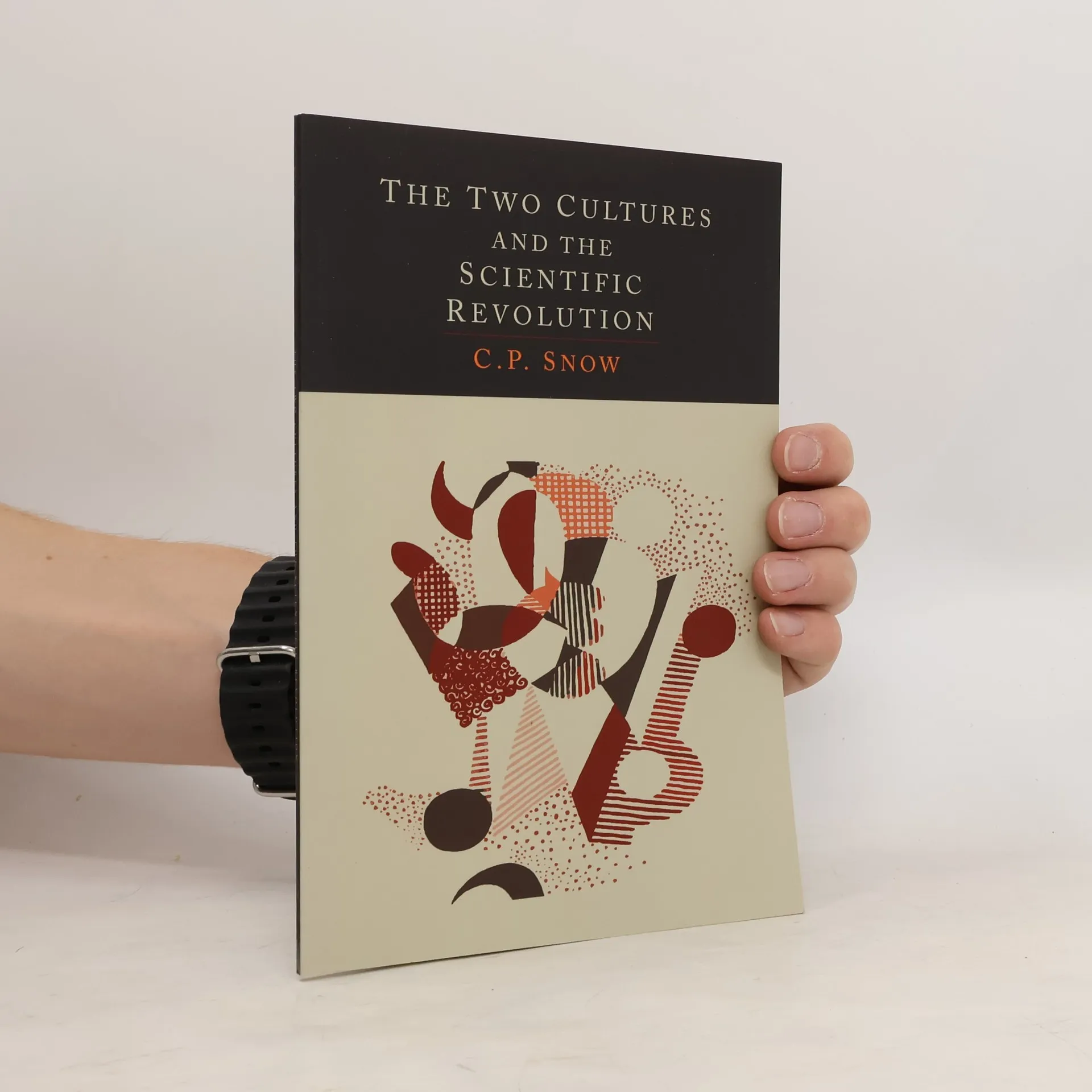
El exito obtenido por la Historia del tiempo, de Stephen Hawking, propicio la creacion, en 1991, de esta coleccion de divulgacion cientifica que fue dirigida durante largo tiempo por dos personas de formacion humanistica: de ahi ciertas contaminaciones al inicio de la coleccion. Sin embargo, cuando Jose Manuel Sanchez Ron se hizo cargo de ella, dio un aprobado a la gestion anterior. En esta coleccion, quiza la mas ambiciosa de todas las de divulgacion cientifica que se editan en espanol, se han publicado obras de Stephen Jay Gould, Carl Sagan, lan Stewart, Edward O. Wilson, Antonio Damasio, Luigi Luca Cavalli-Sforza, Ilya Prigogine, John D. Barrow, Rita Levi Montalcini, Richard P. Feynman, Roger Penrose, Steven Weinberg, Rachel Carson, Francisco Garcia Olmedo, Francisco Yndurain o Jose Manuel Sanchez Ron. Este fascinante libro parece a primera vista una coleccion de historias sobre episodios curiosos, discutibles o fraudulentos de la investigacion cientifica pero su finalidad no es la de divertir, sino la de mostrar como funciona en realidad la ciencia.