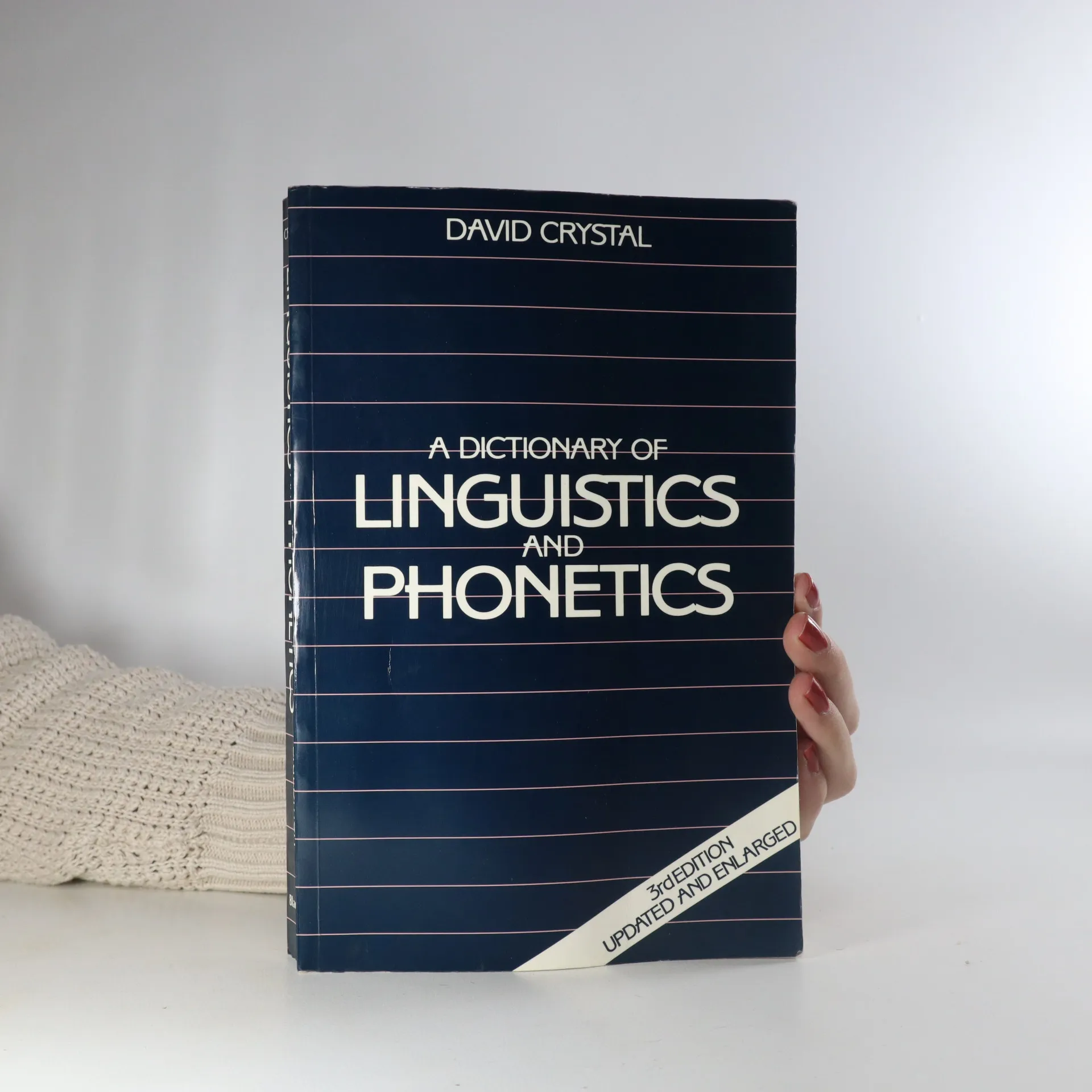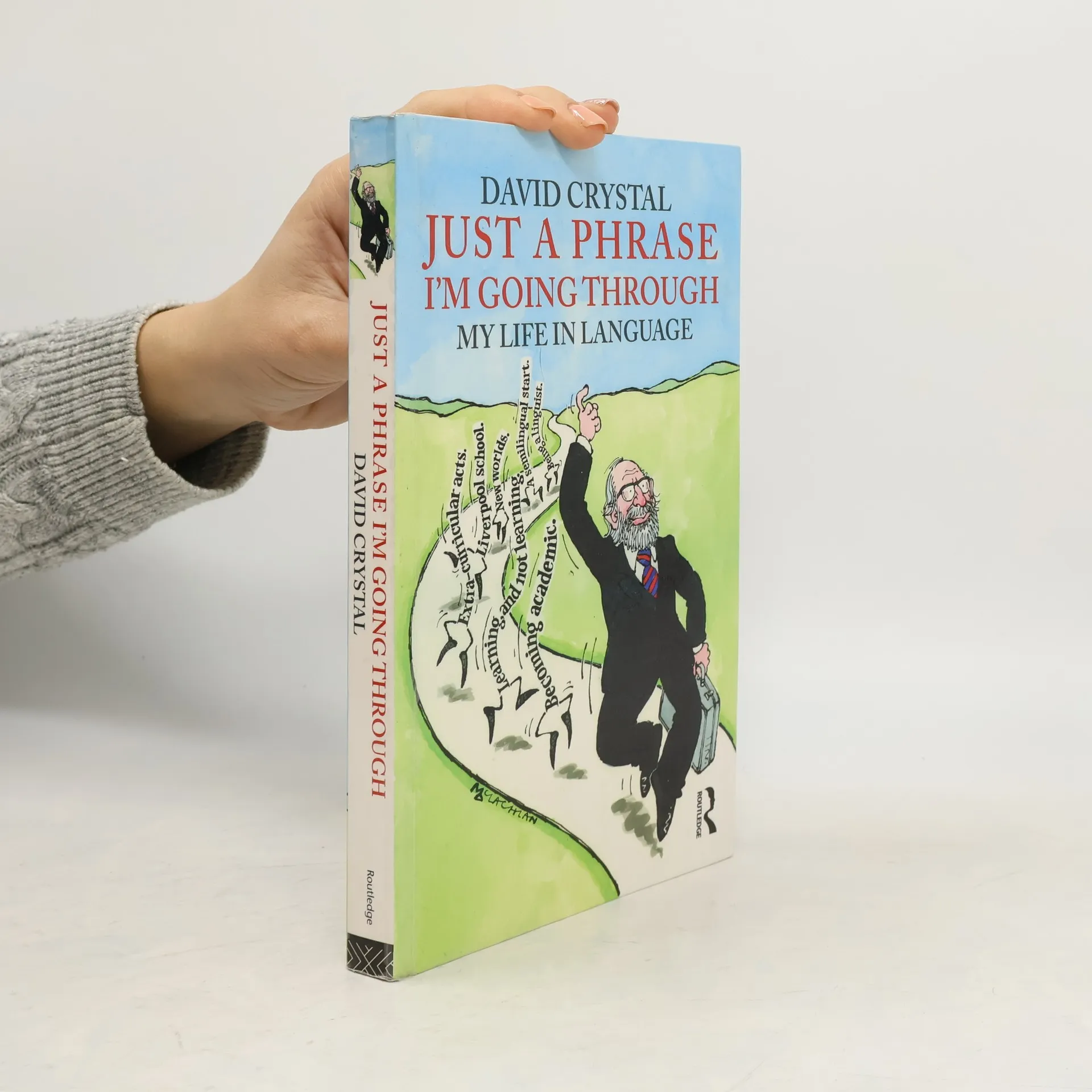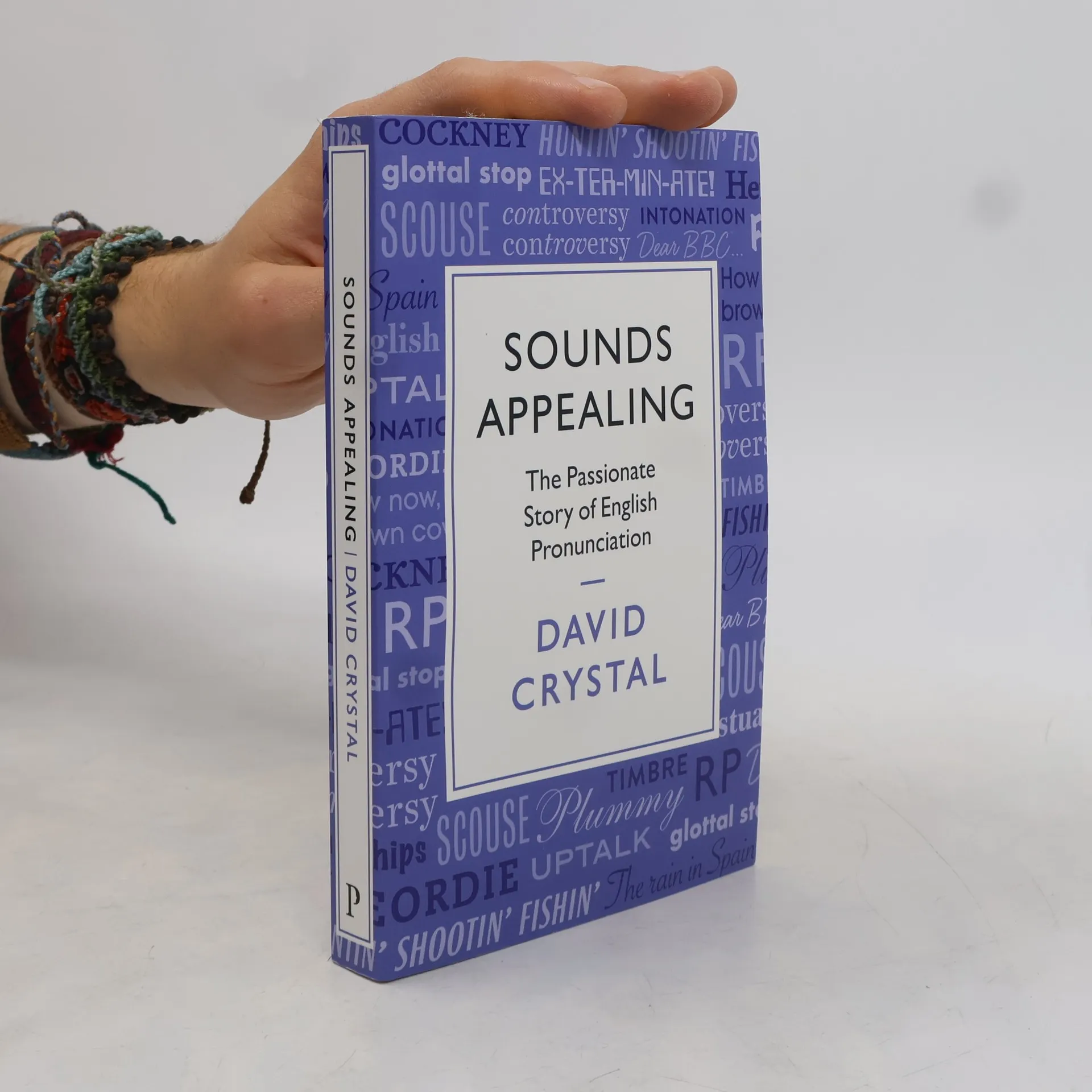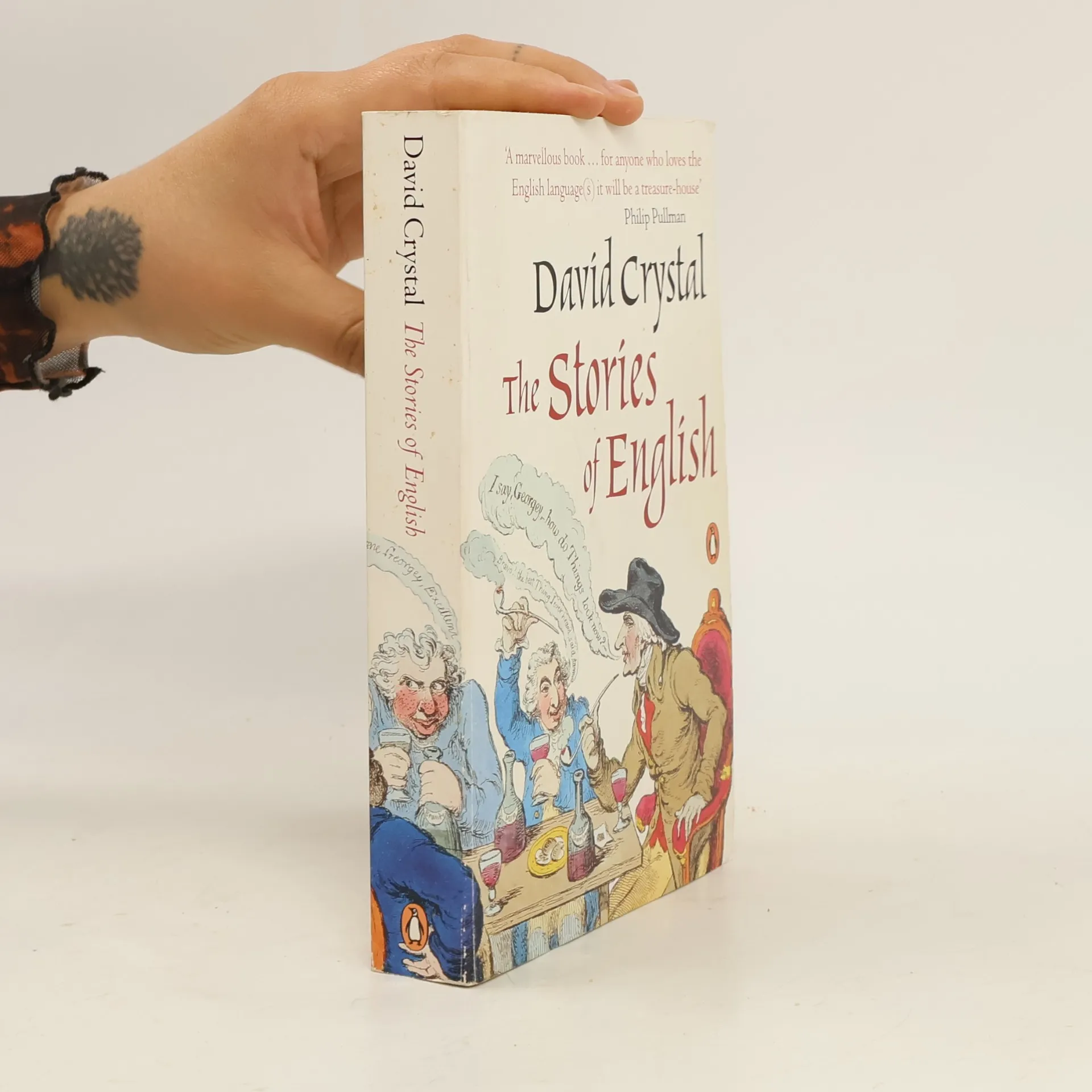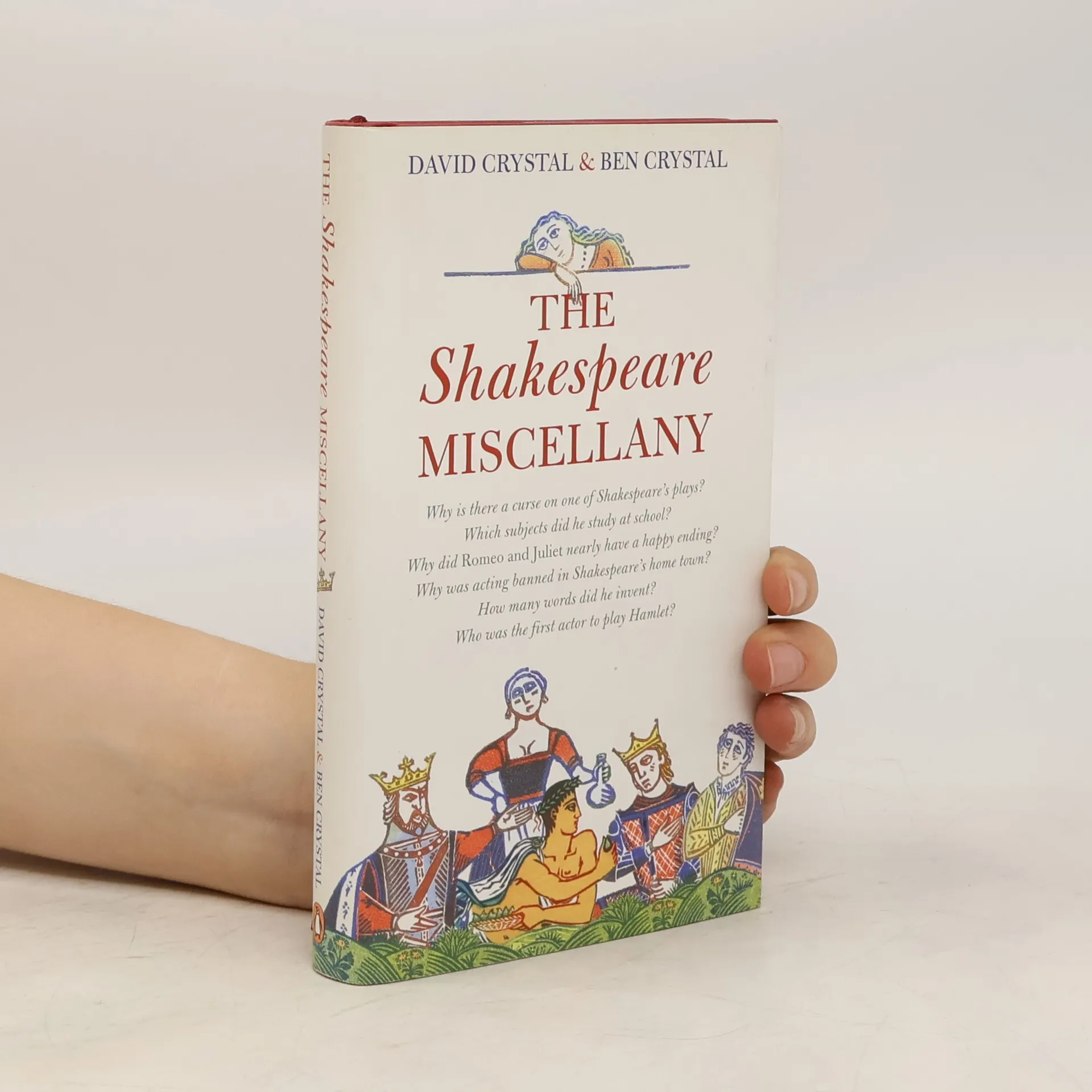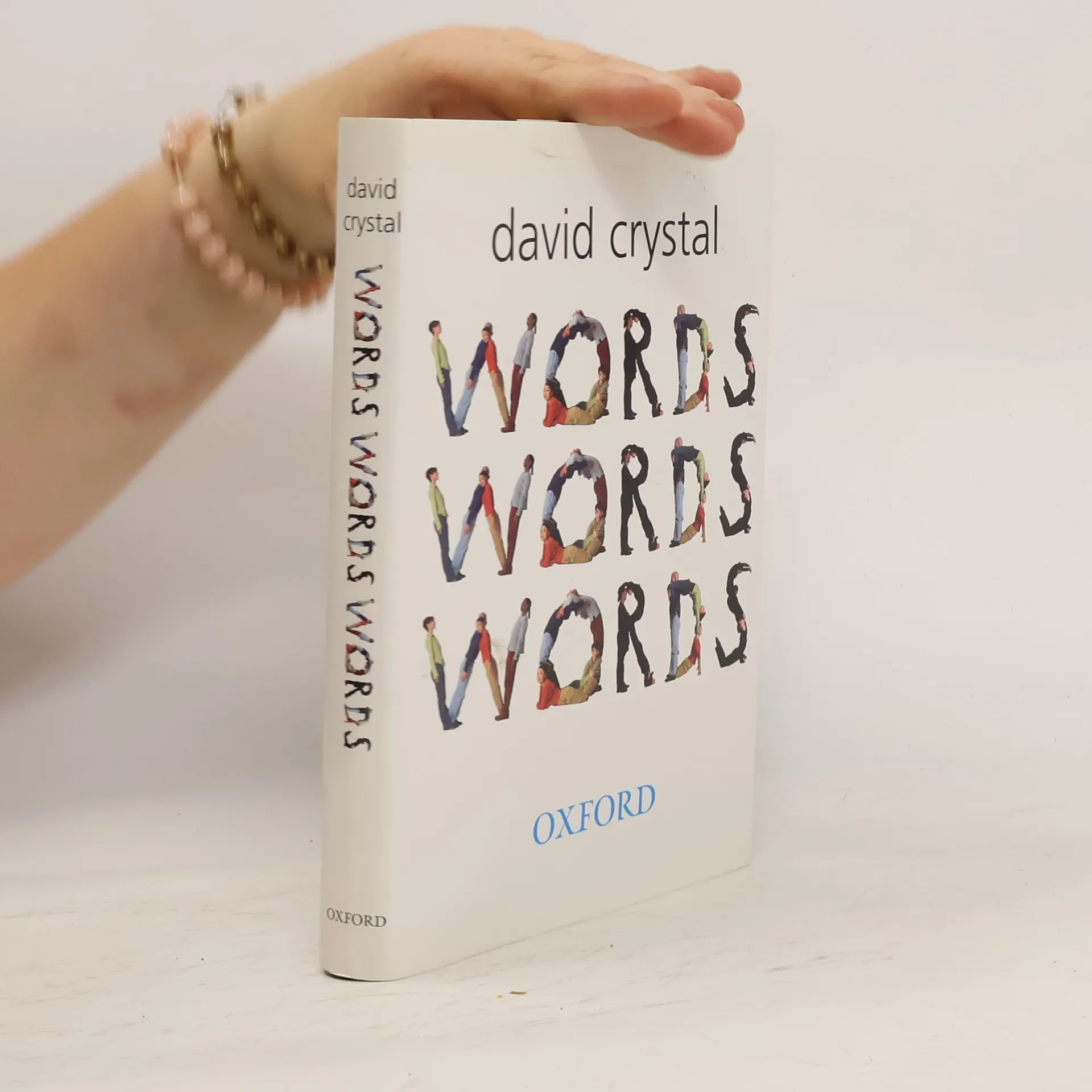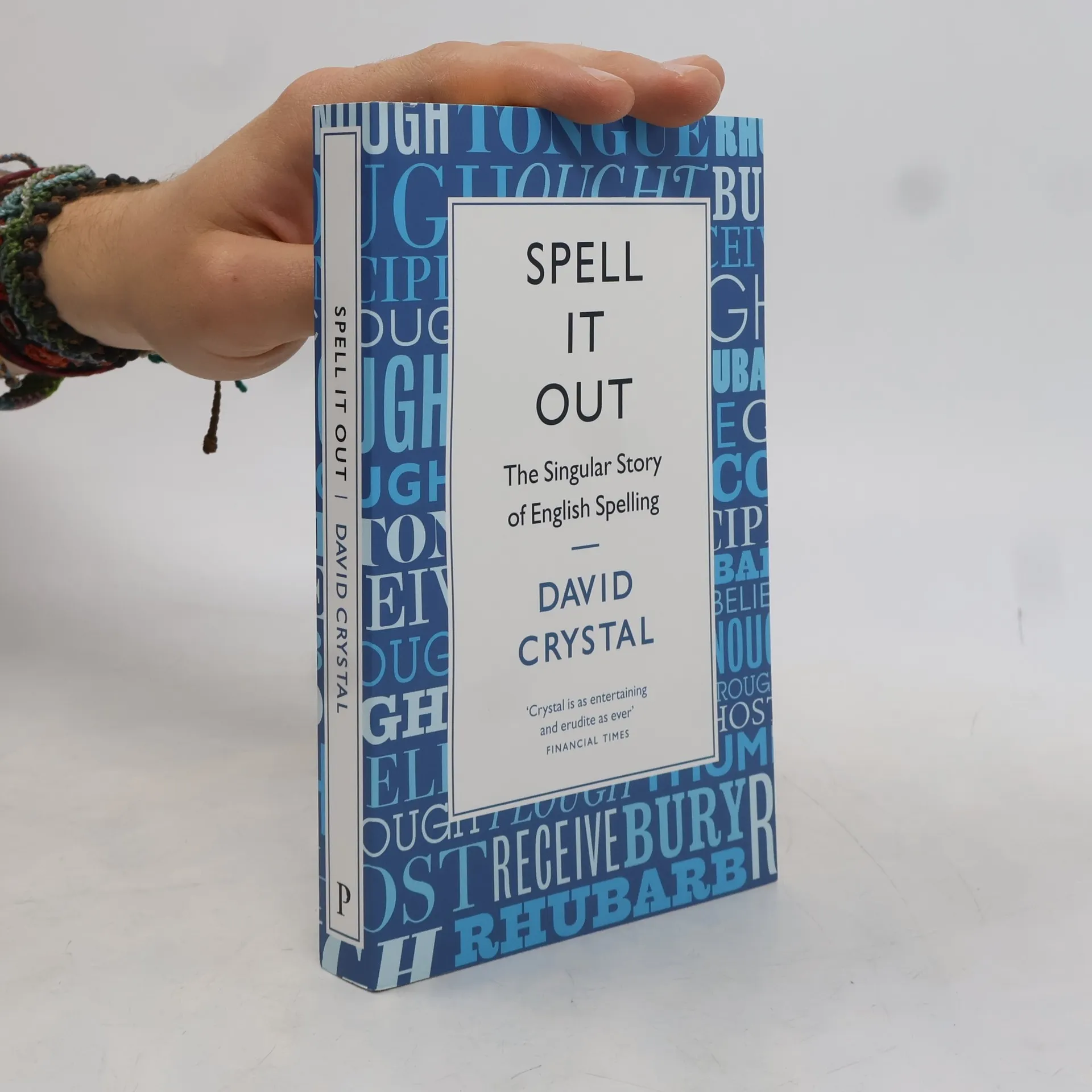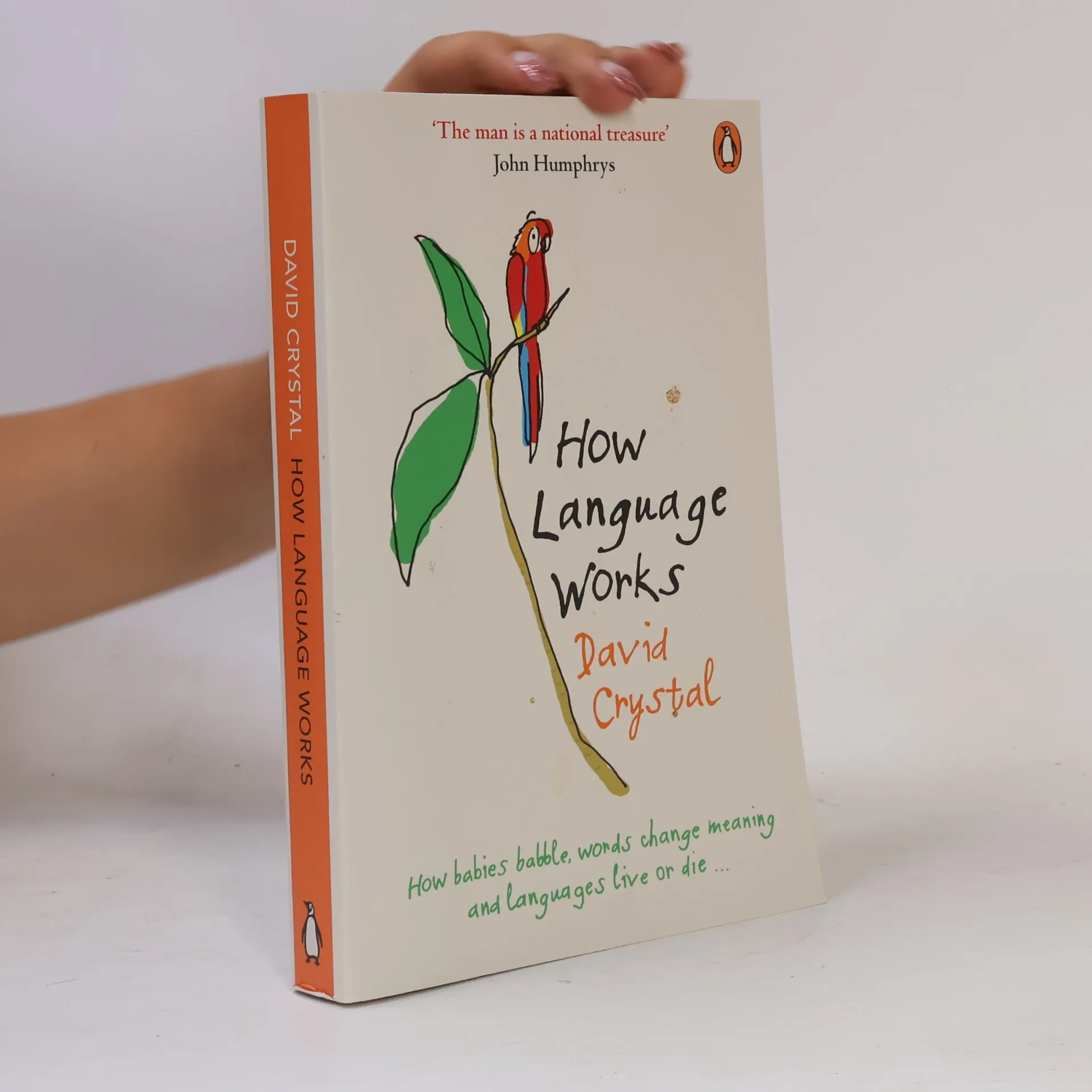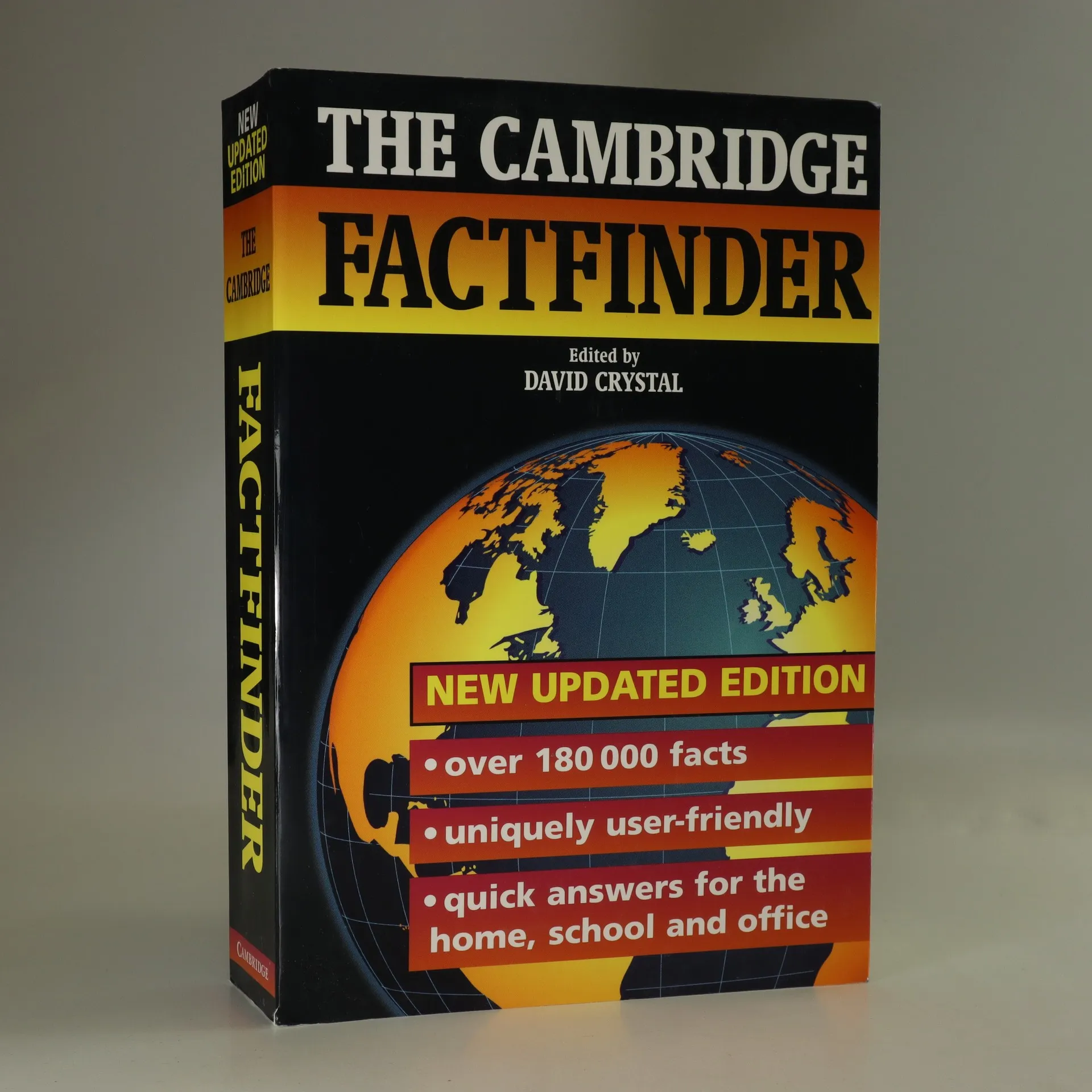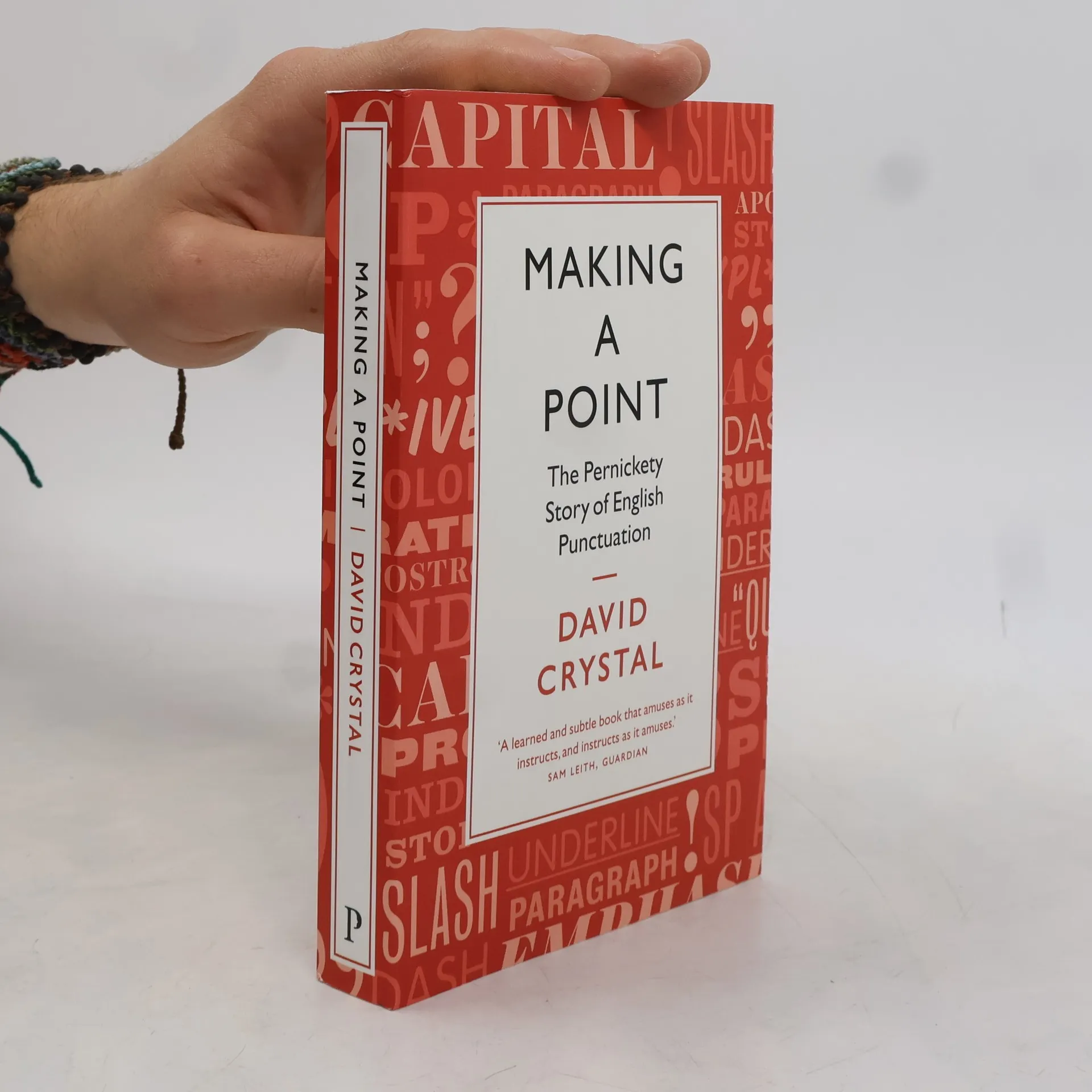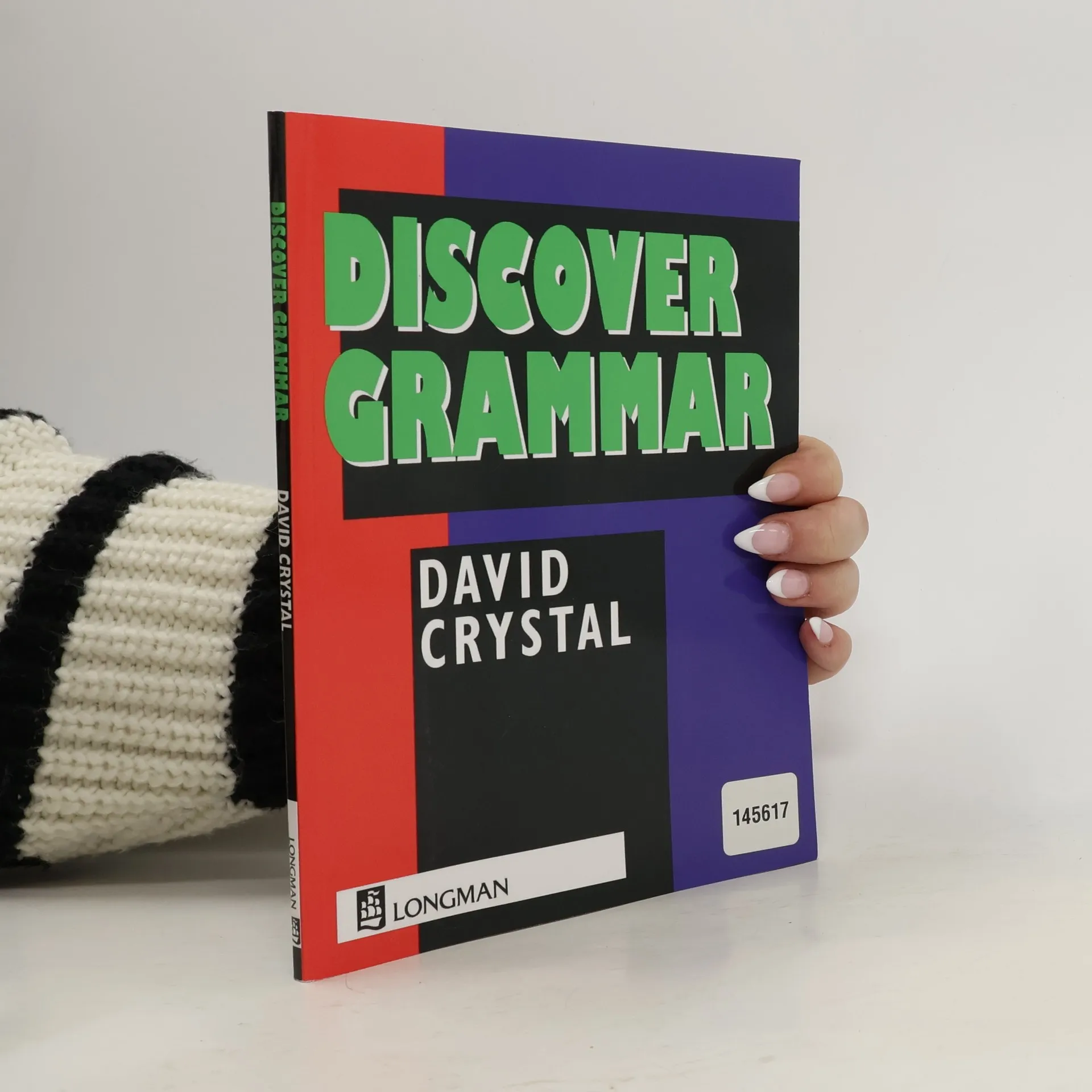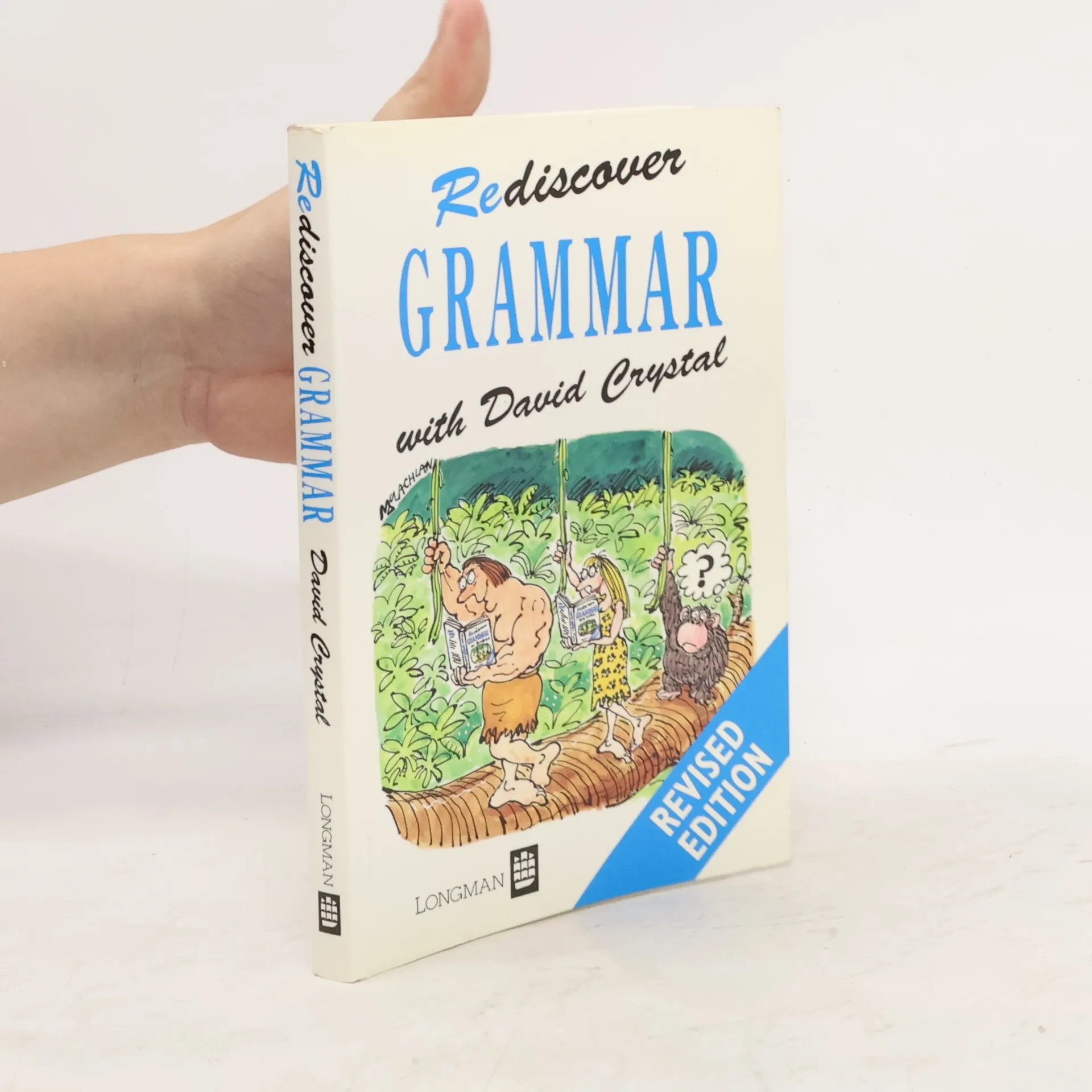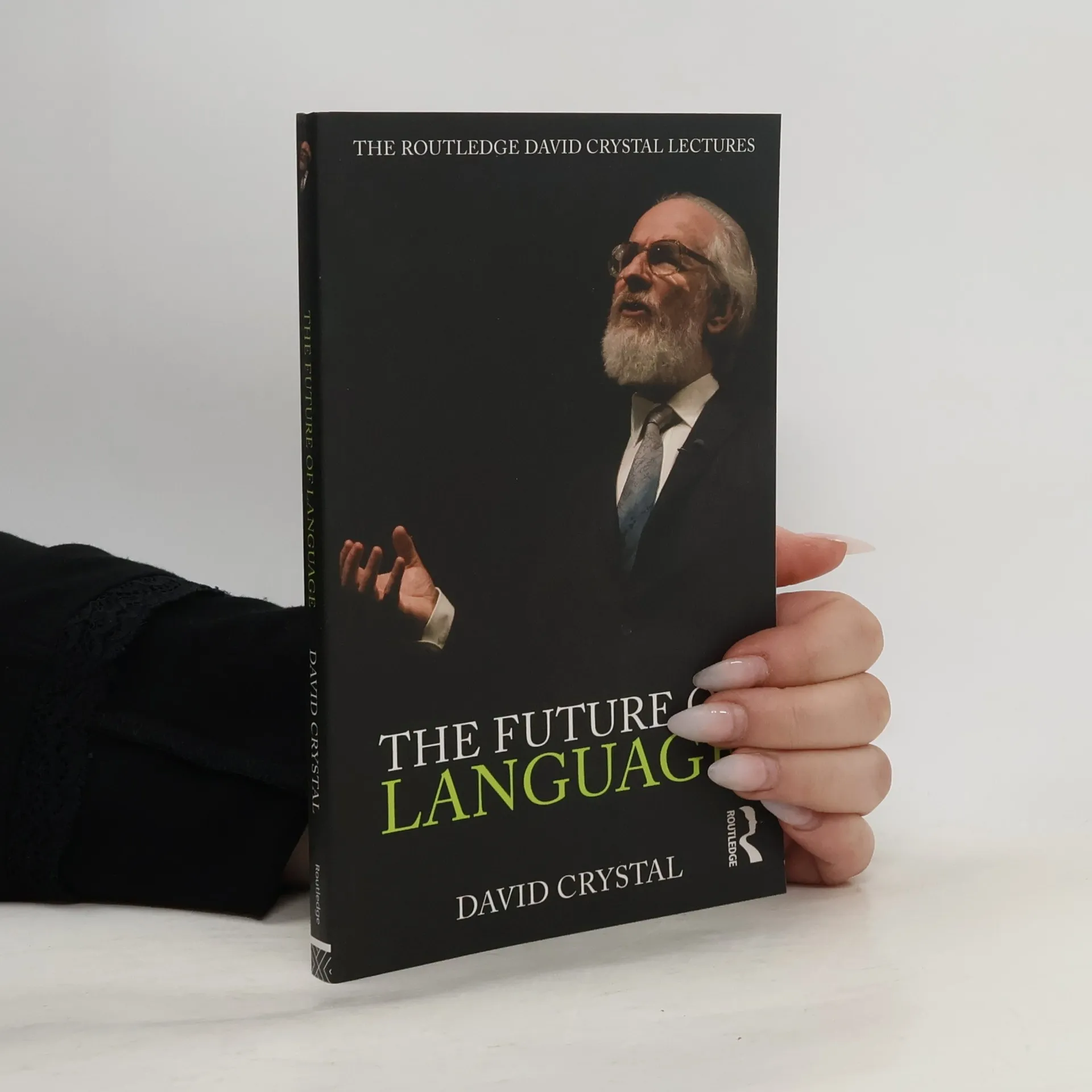
David Crystal provides concise, accessible answers to fifty questions about English language usage. In this compact, user-friendly book, David Crystal draws on his extensive knowledge and experience to answer questions from English language teachers and learners from around the world. The book covers topics ranging from general enquiries about the language as a whole to specific points of grammar, pronunciation, orthography, vocabulary, idiom and style. The author's responses are illustrated by personal anecdotes, placed within historical and literary context and supported by research and corpus data to provide unique, authentic insights.
David Crystal Boeken
David Crystal is een vooraanstaand linguïst en auteur wiens werk diep ingaat op de Engelse taal. Zijn onderzoek richt zich op nauwgezette analyses van intonatie, stilistiek en de praktische toepassingen van linguïstiek op diverse gebieden, waaronder religie, onderwijs en klinische contexten. Crystals geschriften worden gewaardeerd om hun diepgaande inzichten en helderheid bij het verkennen van de nuances en de evolutie van taal. Door zijn uitgebreide publicaties en lezingen draagt hij aanzienlijk bij aan een rijker begrip van linguïstische processen en hun maatschappelijke impact.


The Concise Oxford Dictionary
The Classic First Edition
The classic original edition of the Concise Oxford English Dictionary, first published in 1911 in a beautifully reproduced facsimile edition with a new introductory essay by David Crystal.
Suitable for scholars, students and actors, this book contains glosses and quotes for over 14,000 words that could be misunderstood by modern audience. It features different panels that look at such areas of Shakespeare's language as greetings, swear-words and terms of address. schovat popis
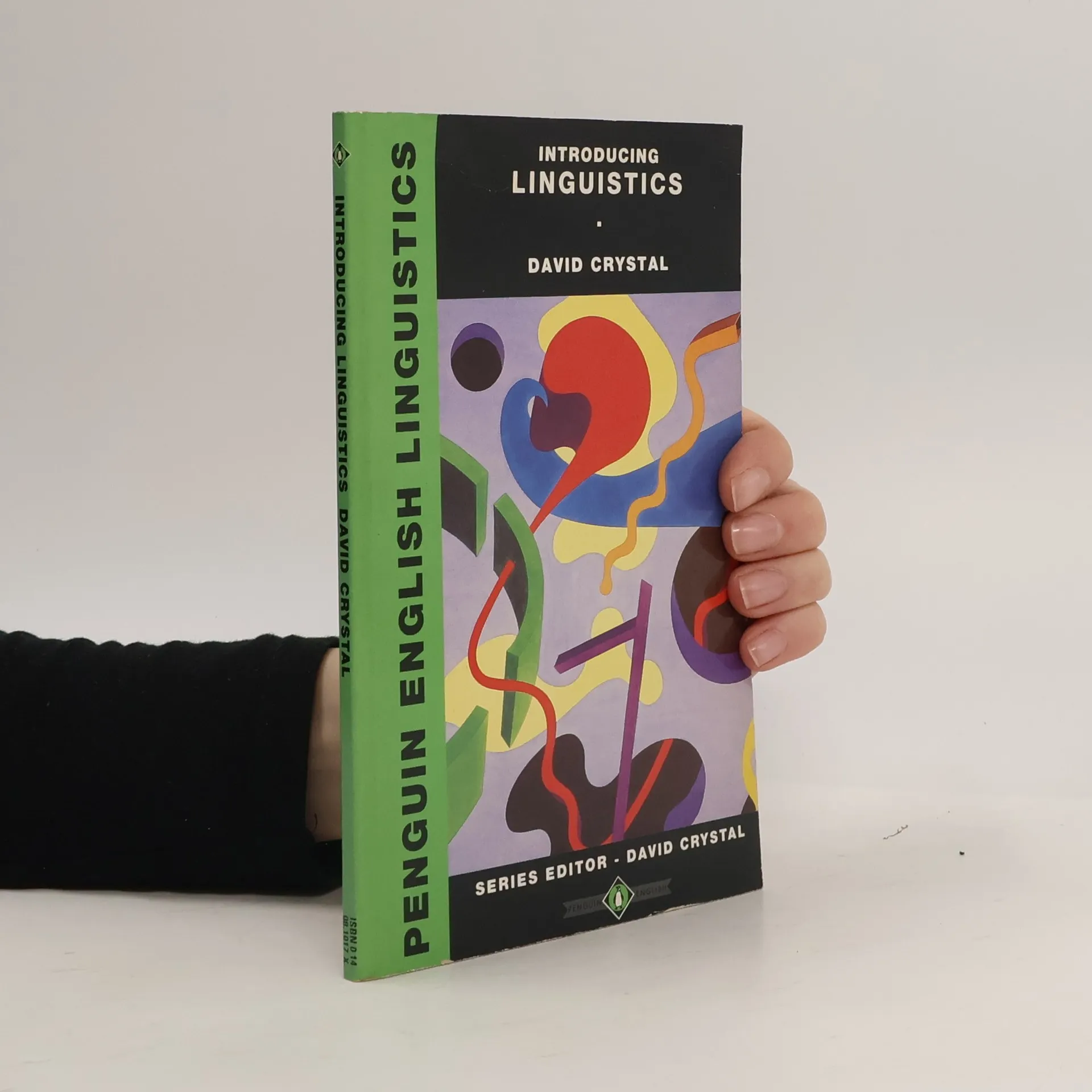
Penguin English Linguistics: Introducing Basic Linguistics
- 80bladzijden
- 3 uur lezen
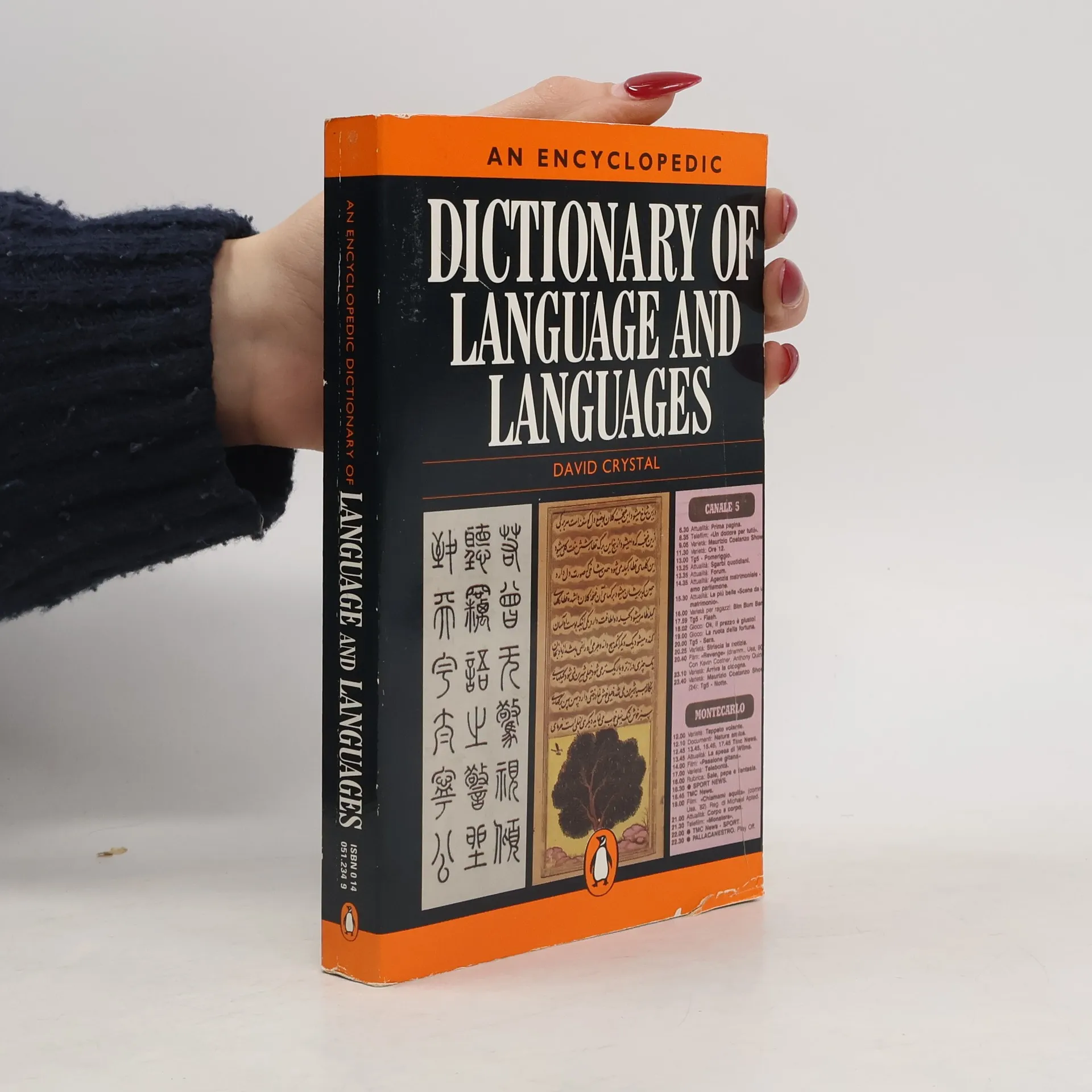
Presents a range of terms associated with the field of linguistics. It concentrates on terms which cut across subject boundaries and which are central to general linguistic theory and practice. It deliberately avoids terms which are dealt with in the other books in the series.
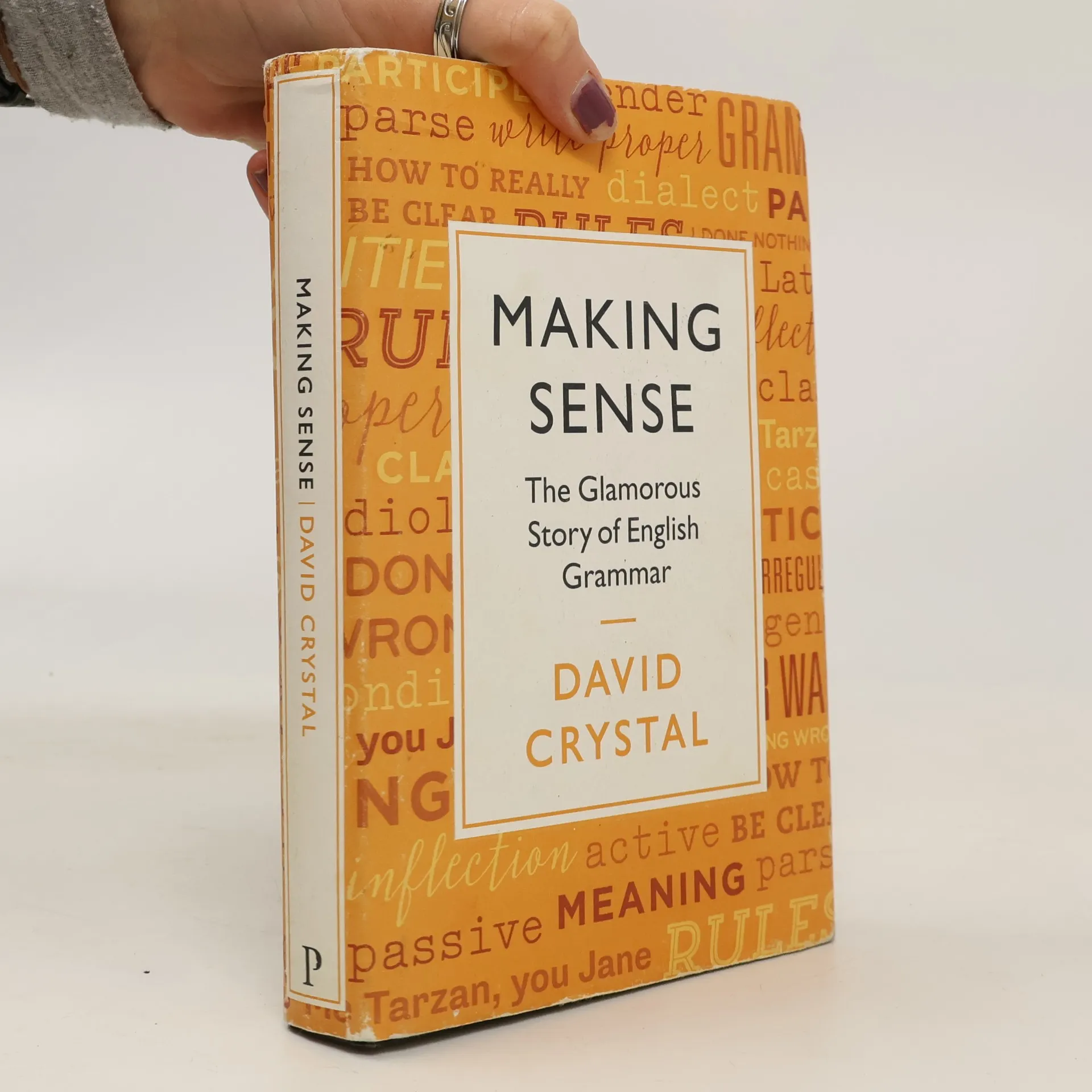
David Crystal explains grammar's rules and irregularities, shows how to navigate its snares and pitfalls, and explores its history and varieties. He gives practical guidance on how grammar may be used for different purposes and in different settings. He provides a series of insights into the stages by which children acquire grammar and shows how this can be used to guide its early instruction. He casts a mordant eye on what learned people have said about English grammar over the centuries and what they continue to say now. People have always been uneasy about points of grammar and worried that what they say may not always be what they mean. Grammar is complex but, Professor Crystal shows, it need not be daunting: the more we understand it, he argues, the more sense we shall make. Making Sense is as entertaining as it is instructive. David Crystal unites investigations of its nature, variations, history, learning, and teaching with a host of practical advice. Like its three companion volumes it will appeal to everyone interested in the English language and how to use it.
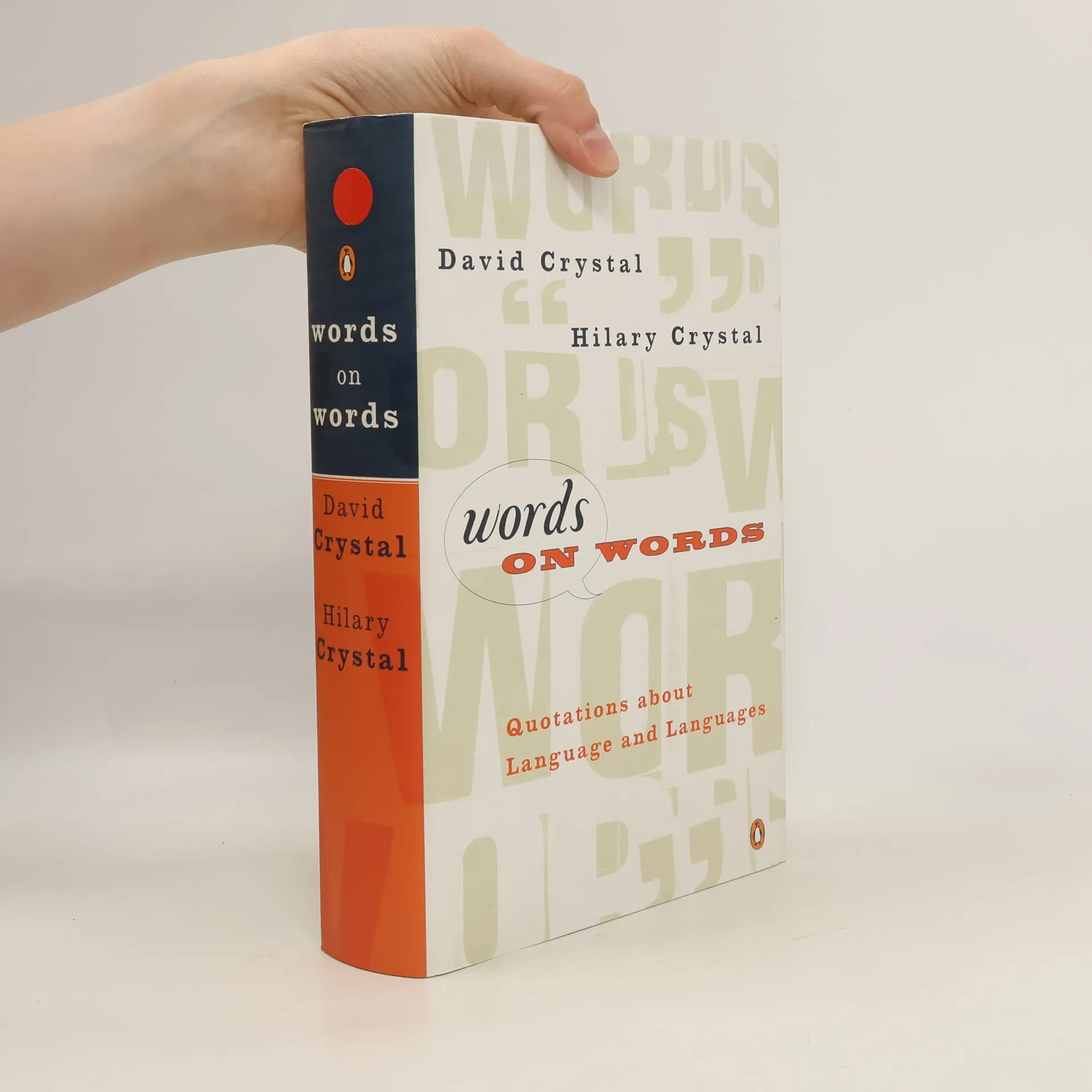
"I hate quotations," said Emerson in his Journals. "Tell me what you know." He may not have realized how much could be gleaned from a book of quotations. This collection offers a crash course in the history of thought about language, featuring nearly 5,000 snippets that lead readers back to countless original sources. It serves as a Bartlett's for word lovers and linguists, with nearly half of the text devoted to indexes. Editors David and Hilary Crystal meticulously curated and corrected these quotations, often surprised by the sources that yielded the most. For instance, they found Laurence Sterne's works unexpectedly rich in quotes, while Pepys's Diary was less fruitful. The Crystals sought "succinctness and autonomy of expression," discovering abundance in the works of Oscar Wilde, Shakespeare, Wordsworth, Montaigne, Emerson, Samuel Johnson, Dickens, and Ambrose Bierce, whose Devil's Dictionary is notably quoted. The quotations are organized into 65 categories, covering topics like language origins, usage, multilingualism, verbosity, slang, and political language. Interestingly, despite David Crystal's reputation as a linguist, the Crystals noted that professional linguists are "remarkably unquoteworthy."
The Cambridge Encyclopedia of the English Language - Second Edition
- 499bladzijden
- 18 uur lezen
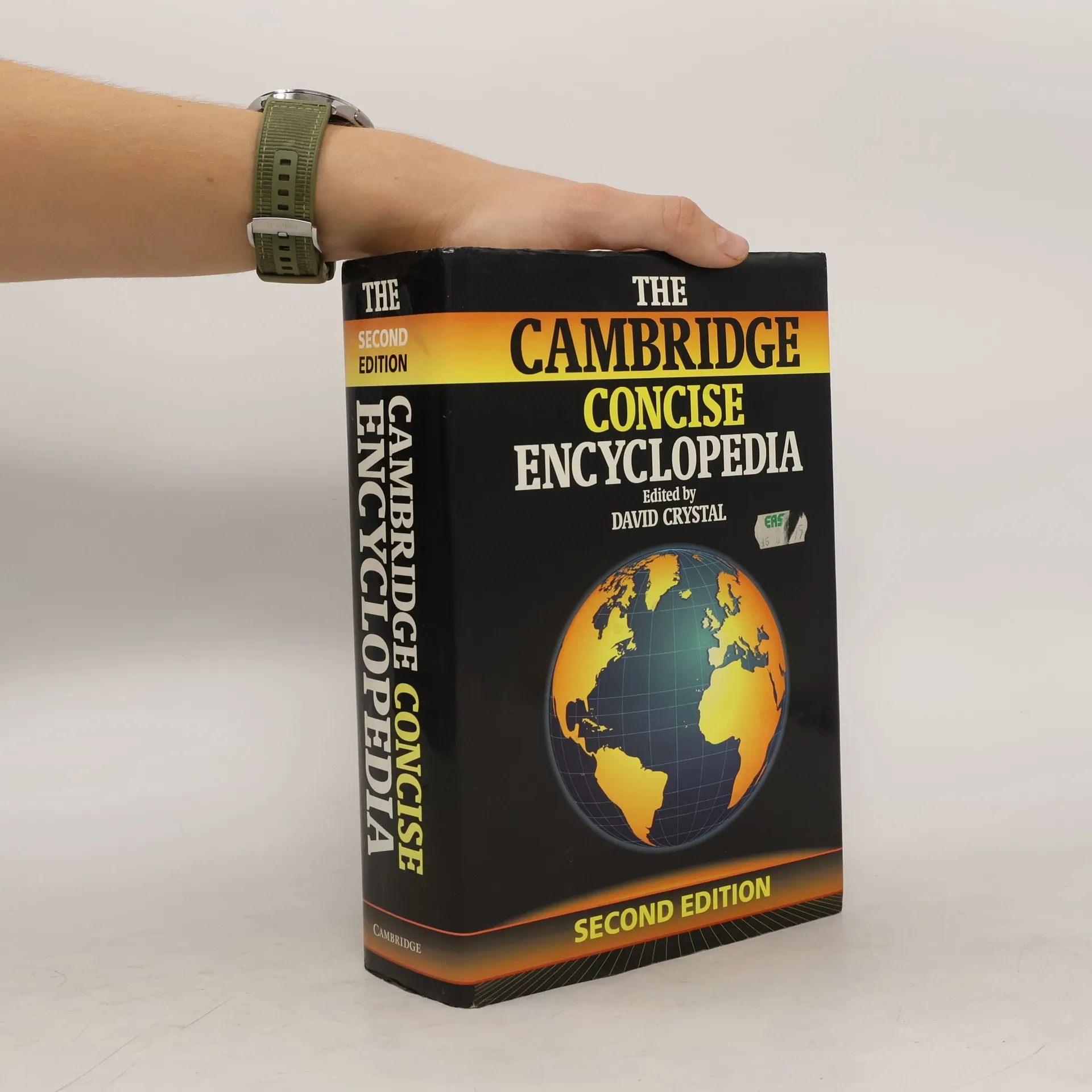
The Cambridge Encyclopedia of the English Language is one of the publishing phenomena of recent times. Rarely has a book so packed with accurate and well researched factual information been so widely read and popularly acclaimed. It has played a key role in the spread of general interest in language matters, generating further publications and broadcasting events for an avid audience. Its First Edition appeared in hardback in 1995 and a revised paperback in 1997. There have been numerous subsequent updated reprintings; but this Second Edition now presents an overhaul of the subject for a new generation of language-lovers and of teachers, students and professional English-users concerned with their own linguistic legacy. The book offers a unique experience of the English language, exploring its past, present and future. David Crystal systematically explains the history, structure, variety and range of uses of English worldwide, employing a rich apparatus of text, pictures, tables, maps and graphics. The length of the Second Edition has increased by 16 pages and there are 44 new illustrations, a new chapter, extensive new material on world English and Internet English, and a complete updating of statistics, further reading suggestions and other references throughout the book.
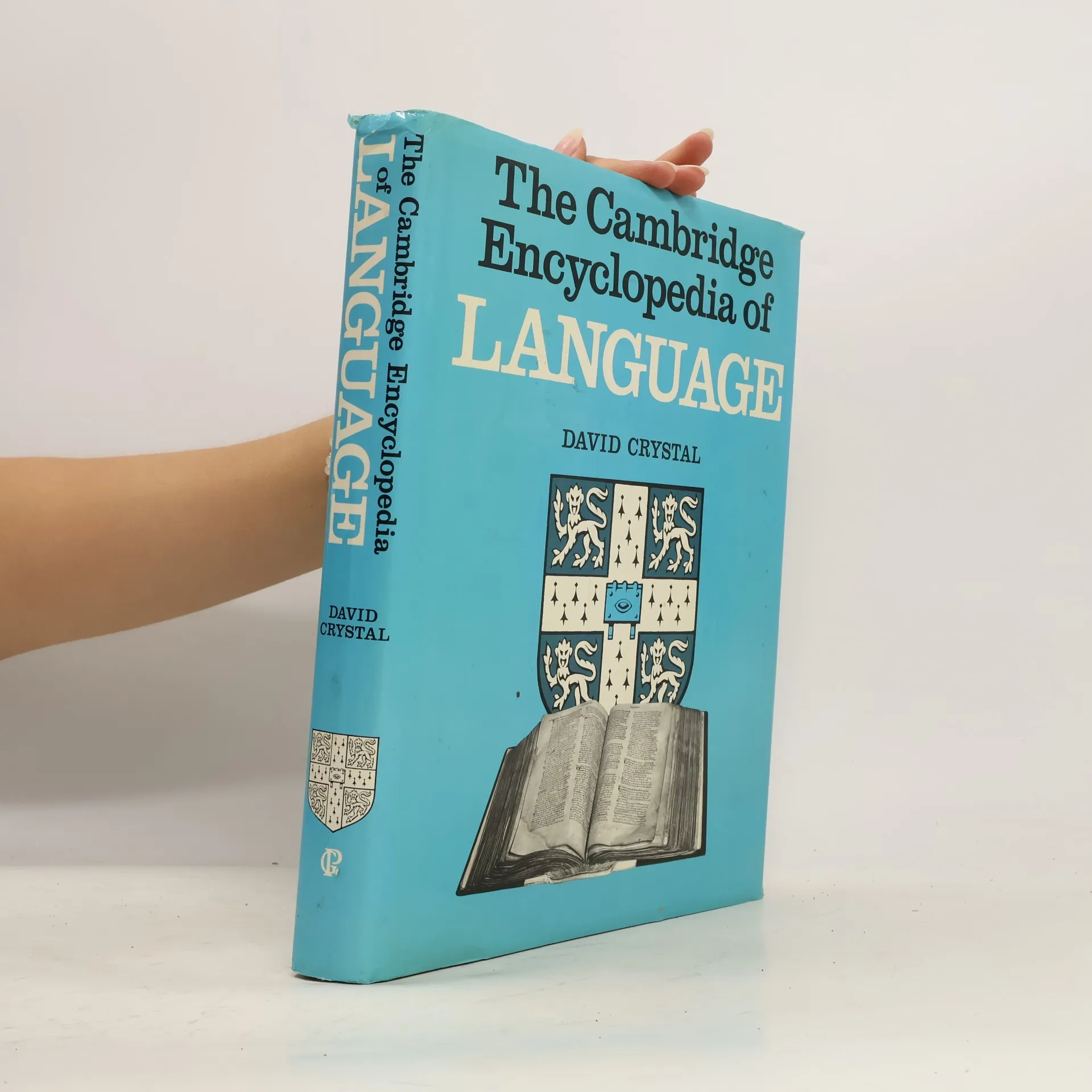
The Cambridge Encyclopedia of Language: Second Edition
- 480bladzijden
- 17 uur lezen
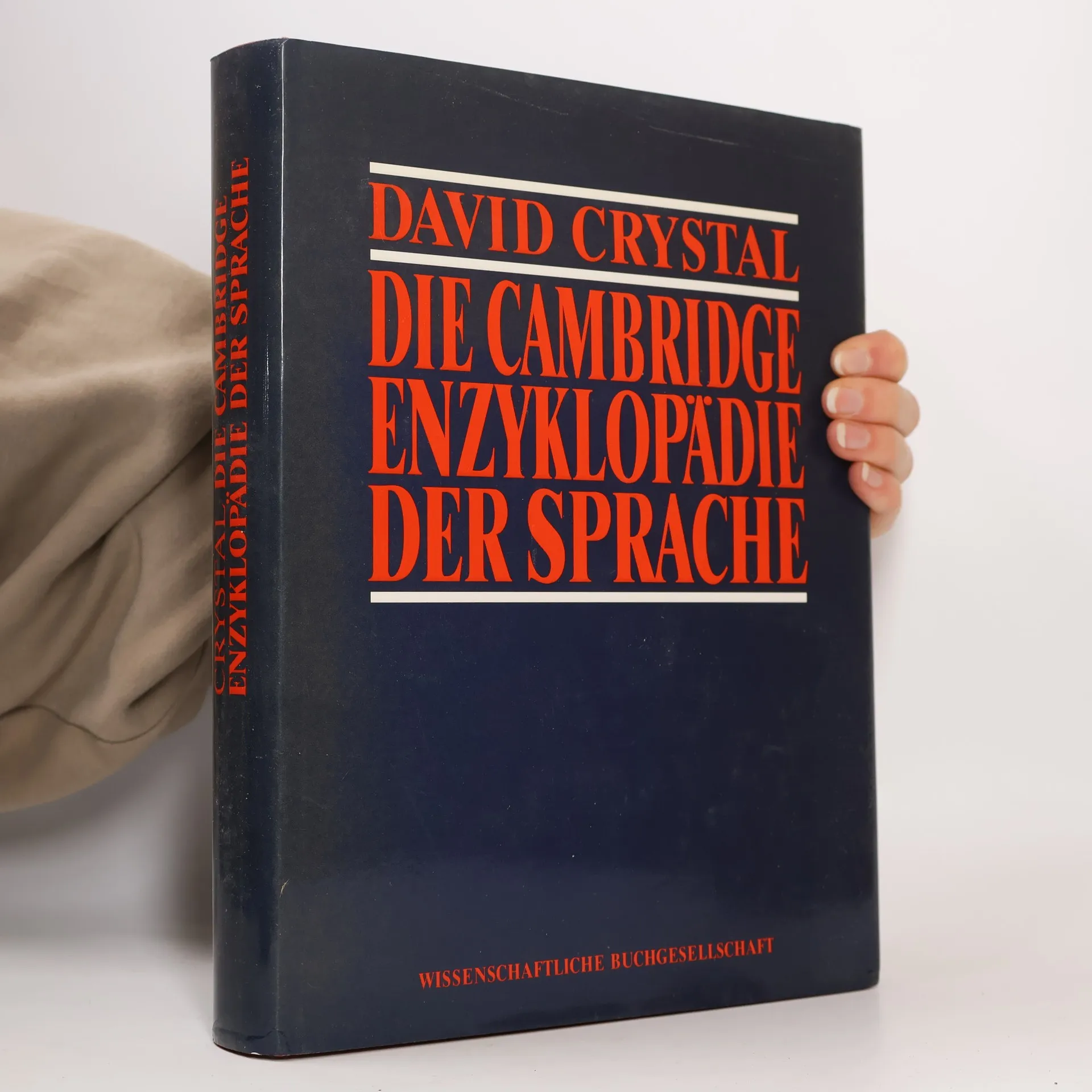
This Second Edition of The Cambridge Encyclopedia of Language presents a mass of new information and introduces the subject of language to a fresh generation of students and general readers. Probably the most successful general study of language ever published, The Cambridge Encyclopedia of Language covers all the major themes of language study, including popular ideas about language, language and identity, the structure of language, speaking and listening, writing, reading, and signing, language acquisition, the neurological basis of language, and languages of the world. Exposing this work to a new generation of readers, the Second Edition extends the range of coverage to include advances in areas such as machine translation, speech interaction with machines, and language teaching. There is new material on acoustics, physiological concepts of language, and World English, and a complete update of the language distribution maps, language-speaking statistics, table of the world's languages, and further reading. All geopolitical material has been revised to take account of boundary changes. The book has been redesigned and is presented for the first time in full color, with new pictures and maps added.
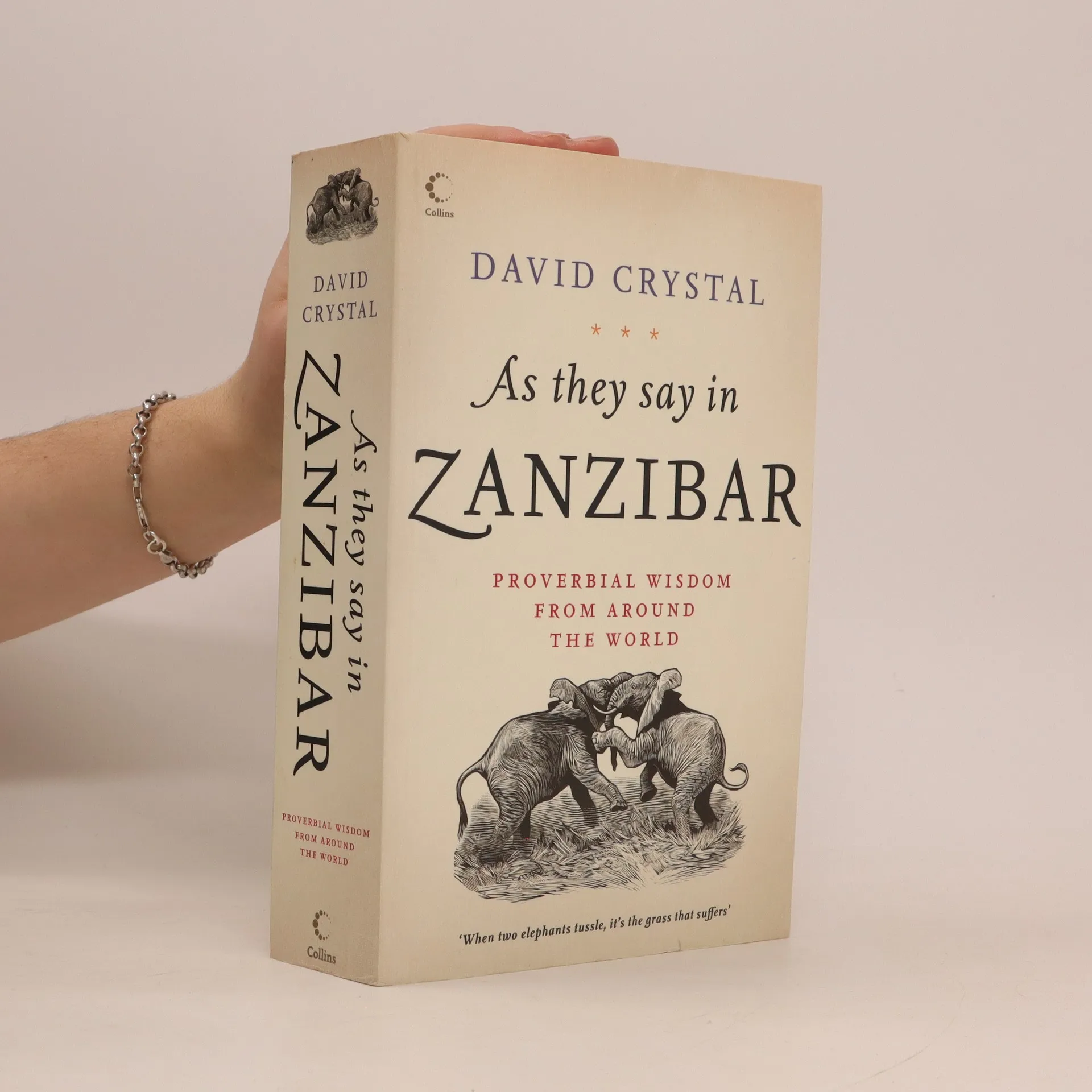
Proverbs are fascinating in what they tell us about a culture's view of everyday life, and proverbial wisdom is a key factor in understanding different peoples and cultures. David Crystal takes us on a global tour of the world's proverbs.
Penguin Pocket Famous People is an ideal companion for anyone looking to know more about well-known figures from all walks of life. Clearly arranged and lucidly written, it includes biographies of artists, writers, sportsmen, actors, politicians and many other prominent people in history.