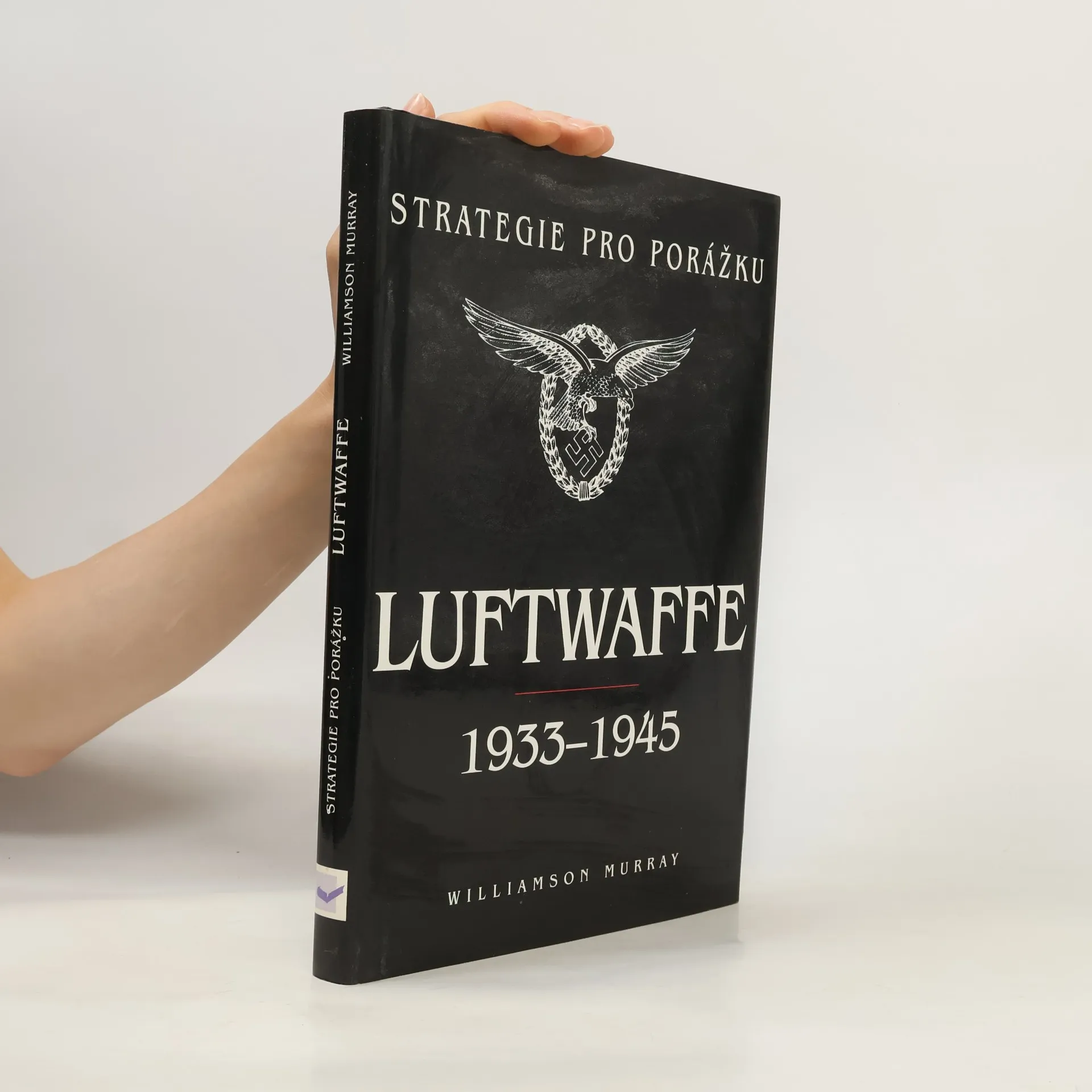
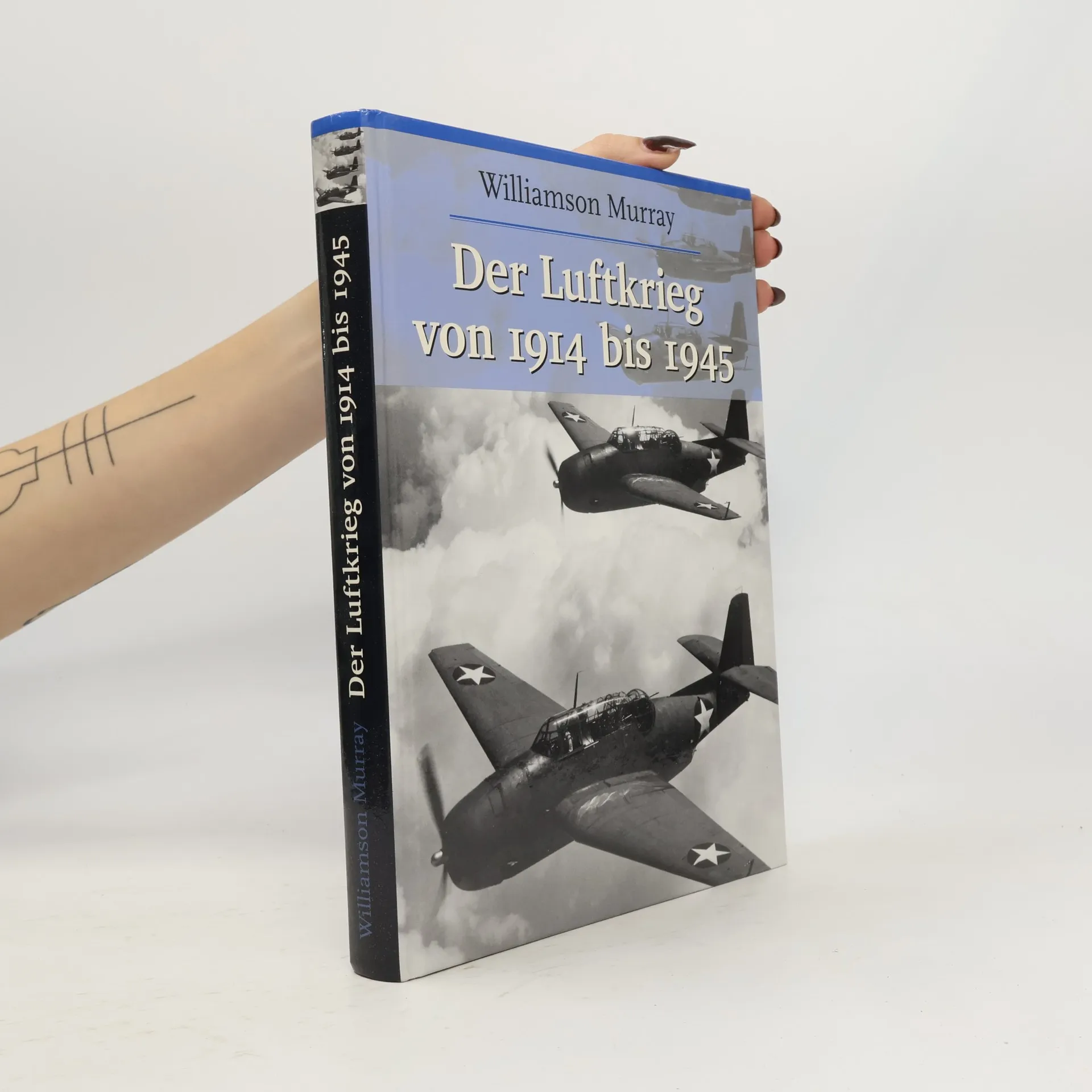
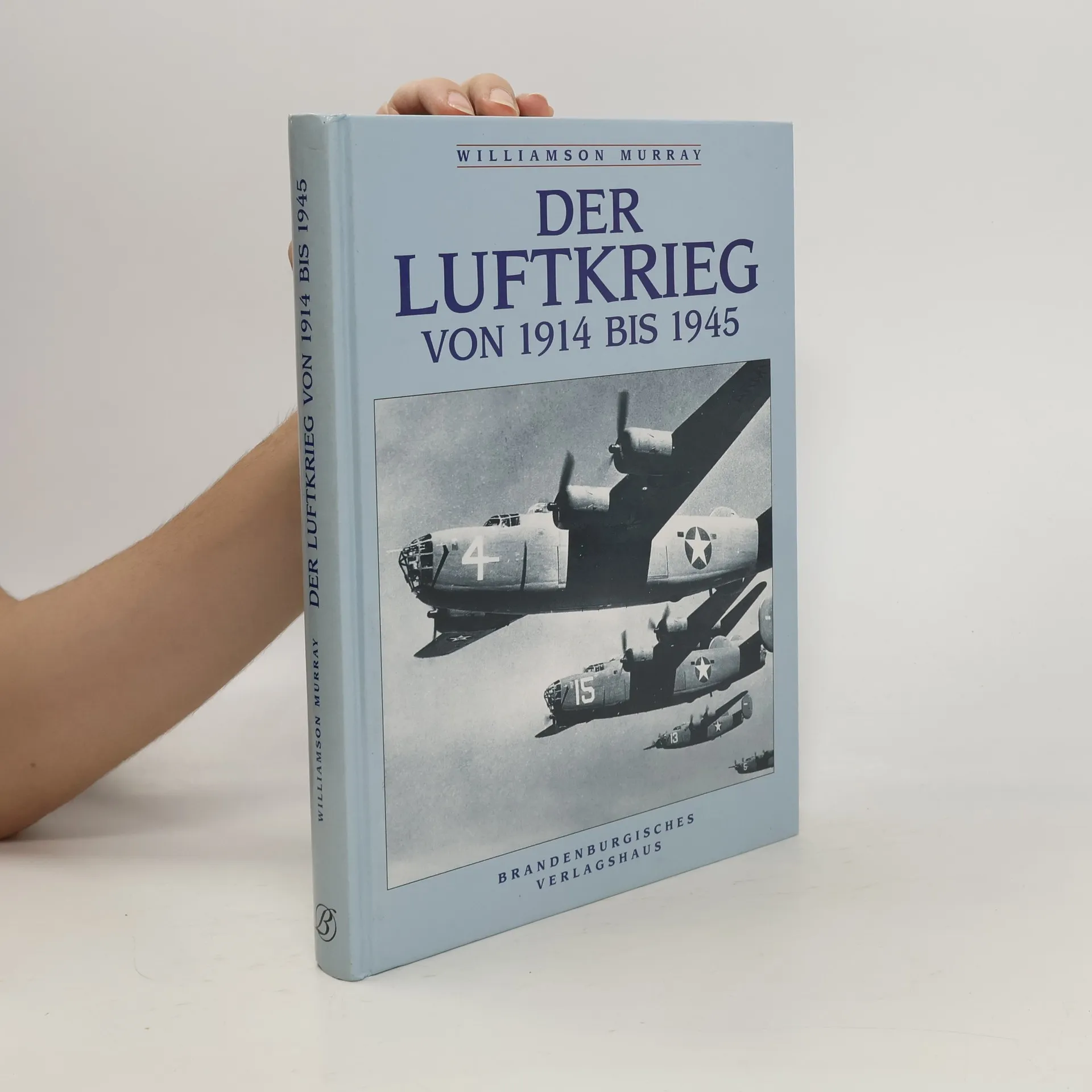
Dr. Murray's book provides a detailed analytical study of the development of the Luftwaffe. The author takes an in-depth look at the "easy war" (1939-40) and the turn toward Russia in Operation Barbarossa. Dr. Murray investigates the war of attrition from 1942 through early 1944 and the reasons for the final demise of the Luftwaffe from April through September 1944.
Murray Williamson Boeken
23 november 1941 – 1 augustus 2023
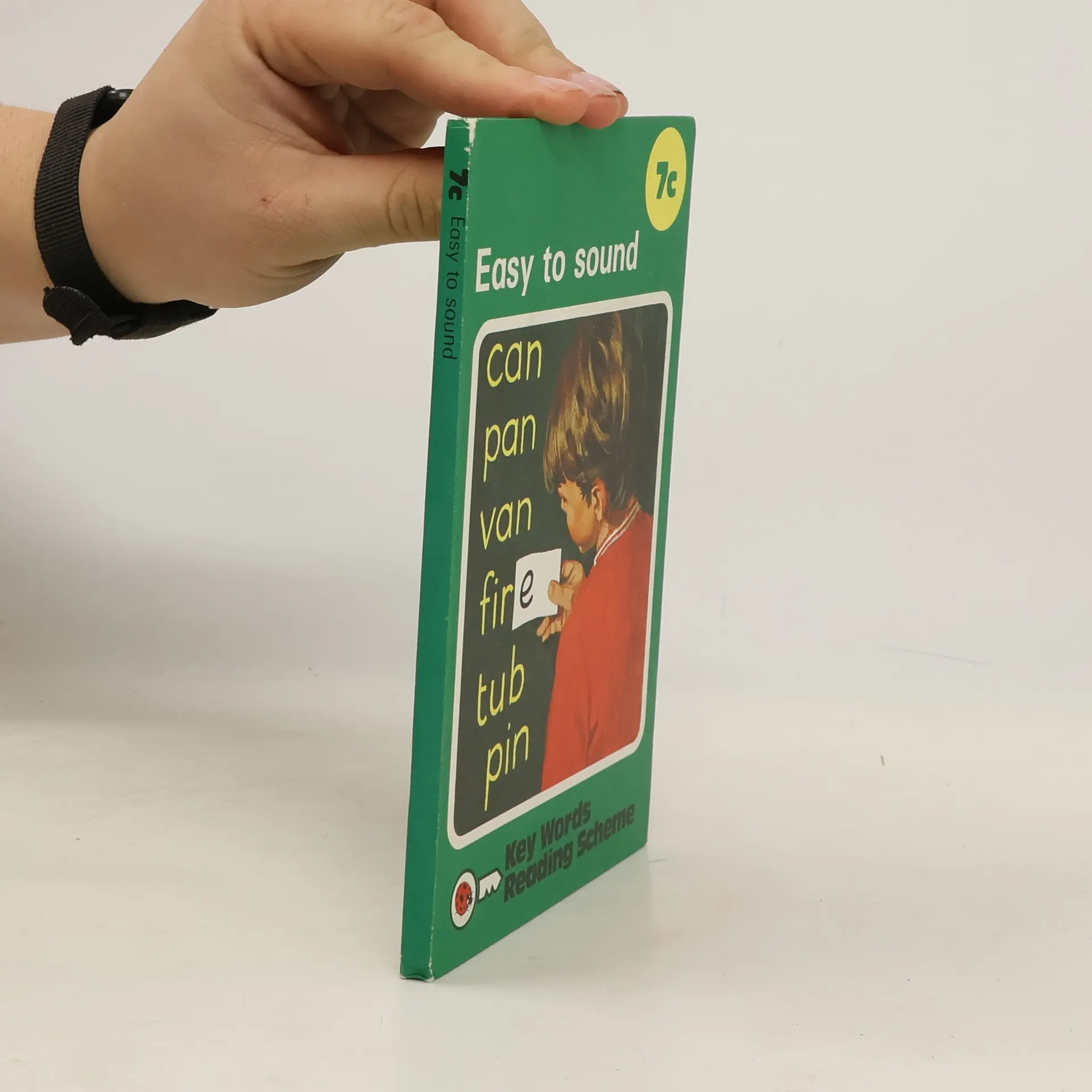
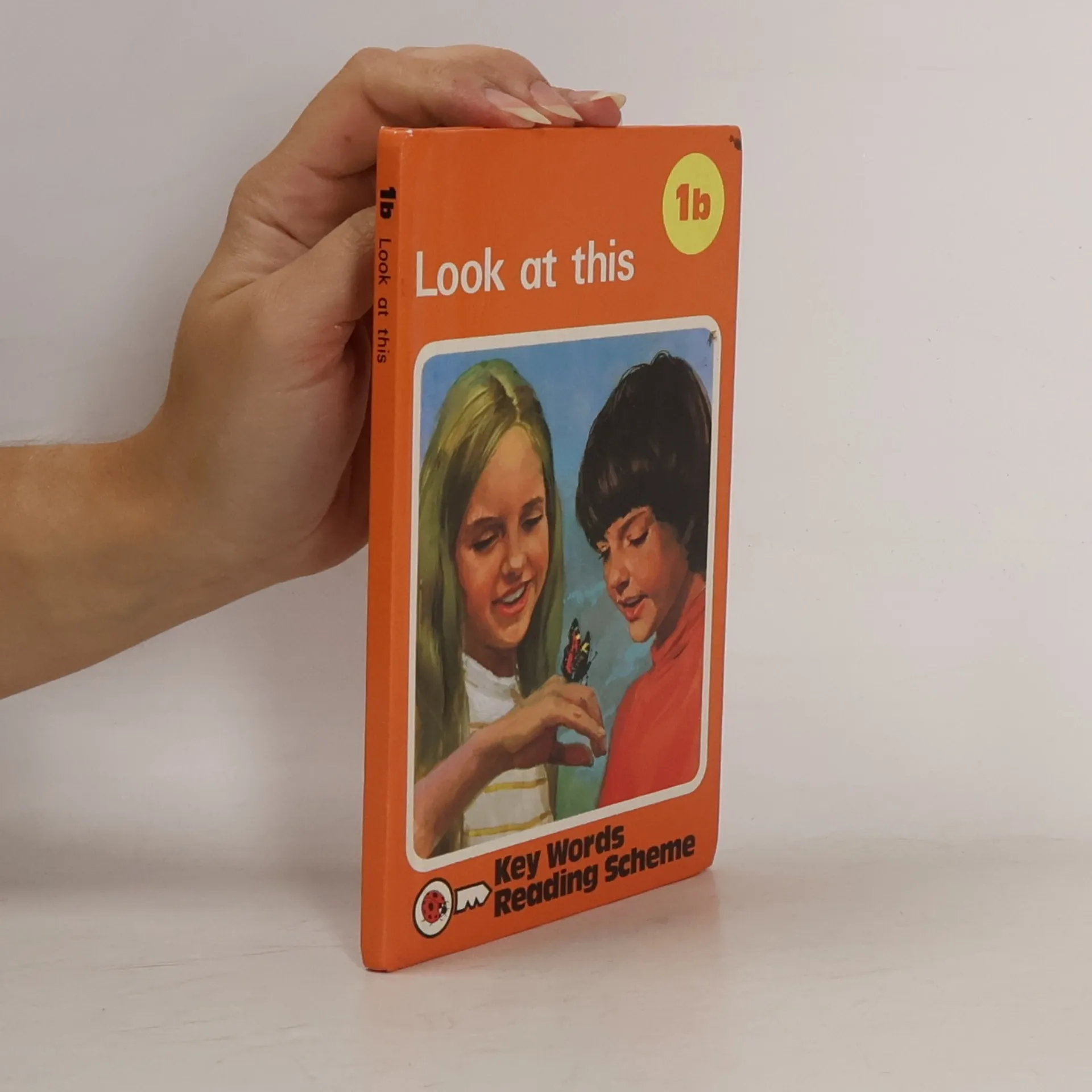
There have been countless reports that children make exceptional progress with the Ladybird Key Words Reading Scheme. The complete scheme consists of 36 titles (a, b and c readers) plus 2 picture dictionaries and 6 workbooks. The learner starts with book 1a.--P.[4] of cover.
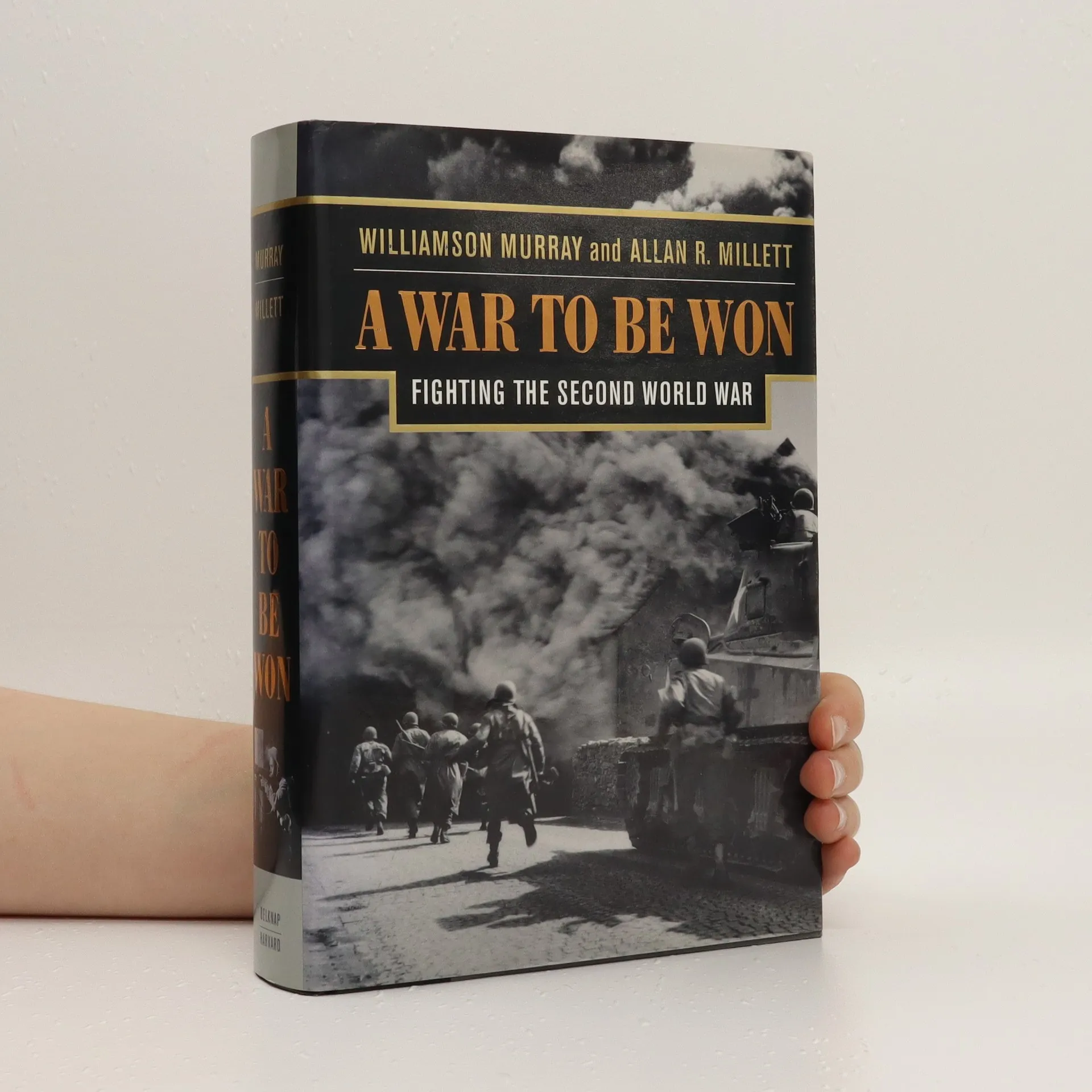
Chronicles the military operations and tactics of World War II in both the European and Pacific theaters from the Sino-Japanese War in 1937 to the surrender of Japan in 1945
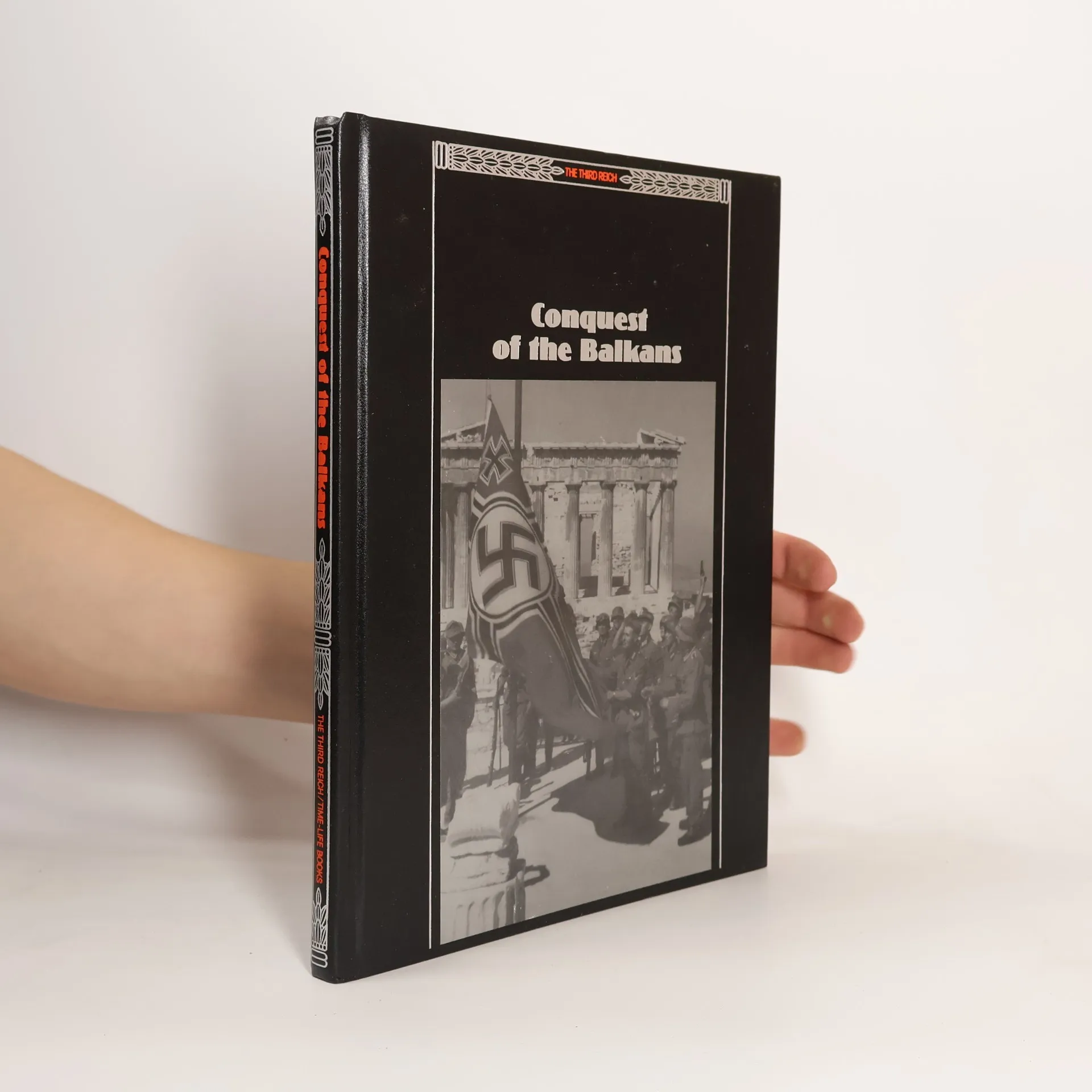
The Third Reich: The Conquests of the Balkans
- 192bladzijden
- 7 uur lezen
Book 8 of the TIme-Life series The Third Reich. A comprehensive description of the conquest of the Balkans with essays.
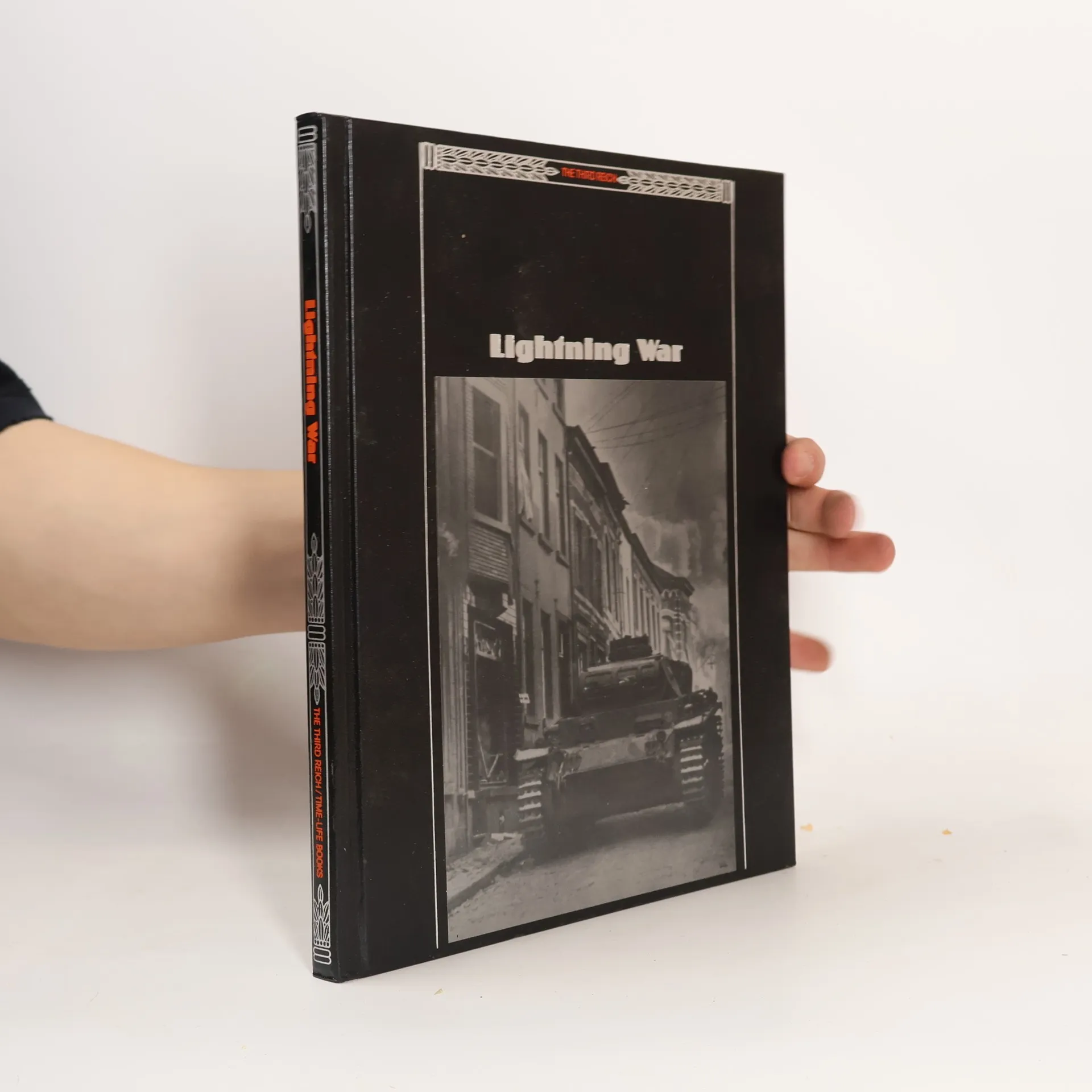
The Third Reich: Lightning War
- 192bladzijden
- 7 uur lezen
Book 6 of the Time-Life series The Third Reich.
Key Words with Peter and Jane uses the most frequently met words in the English language as a starting point for learning to read successfully and confidently. The Key Words reading scheme is scientifically researched and world renowned. Book 7c provides the link with writing for the words introduced in Readers 7a and 7b. Once this book has been completed, the child can move on to book 8a. The Key Words with Peter and Jane books work because each of the key words is introduced gradually and repeated frequently. This builds confidence in children when they recognise these key words on sight (also known as the 'look and say' method of learning). Examples of key words the, one, two, he. There are 12 levels, each with 3 a, b, and c. Series Gradually introduces new words. Series Provides further practise of words featured in the 'a' series. Series Links reading with writing and phonics. All the words that have been introduced in each 'a' and 'b' book are also reinforced in the 'c' books.
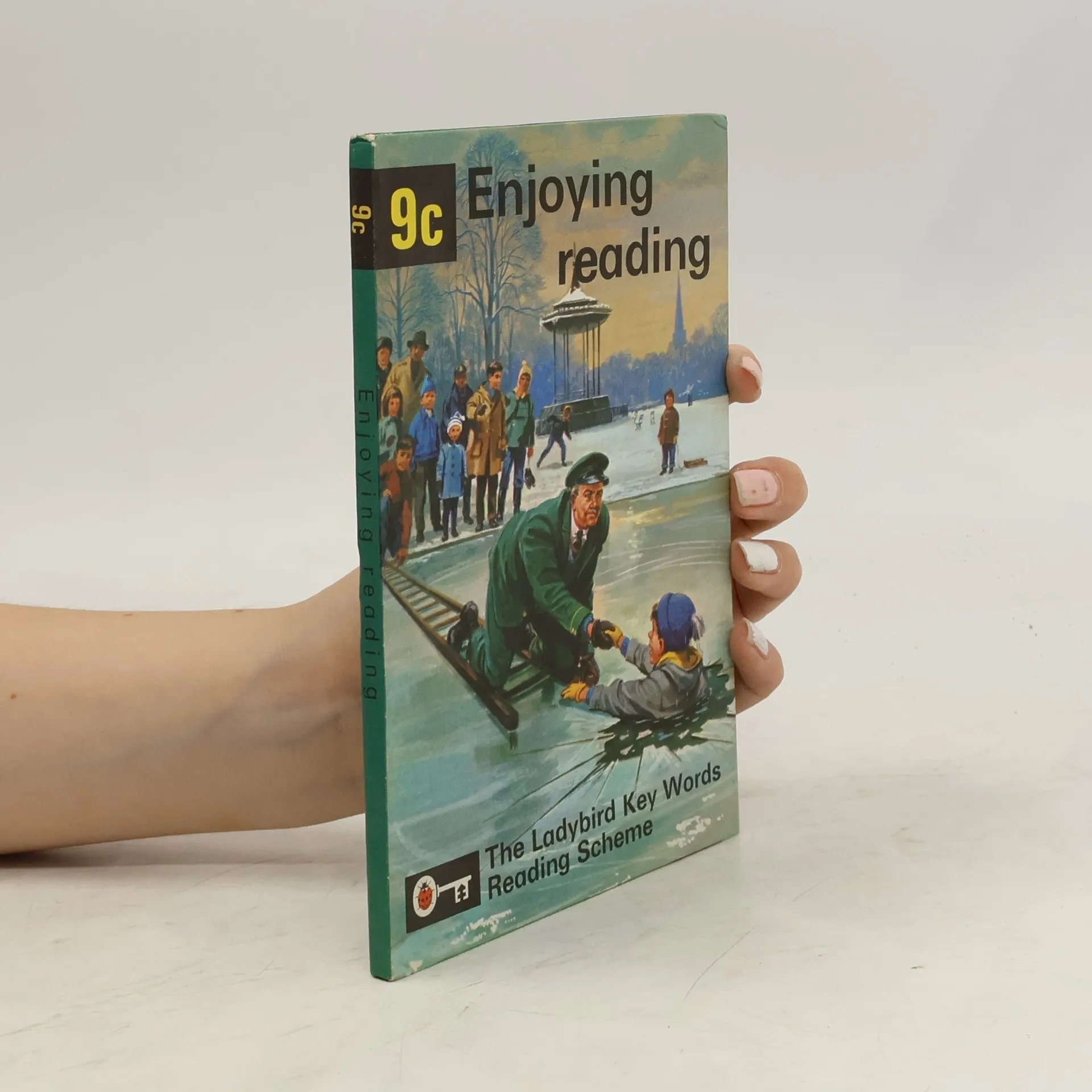
Key Words with Peter and Jane uses the most frequently met words in the English language as a starting point for learning to read successfully and confidently. The Key Words reading scheme is scientifically researched and world renowned. Book 9c provides the link with writing for the words used in Readers 9a and 9b. Once the book has been completed, the child can move on to book 10a. The Key Words with Peter and Jane books work because each of the key words is introduced gradually and repeated frequently. This builds confidence in children when they recognise these key words on sight (also known as the 'look and say' method of learning). Examples of key words are: the, one, two, he. There are 12 levels, each with 3 books: a, b, and c. Series a: Gradually introduces new words. Series b: Provides further practise of words featured in the 'a' series. Series c: Links reading with writing and phonics. All the words that have been introduced in each 'a' and 'b' book are also reinforced in the 'c' books.
The Iraq War
- 368bladzijden
- 13 uur lezen
In this unprecedented account of the intensive air and ground operations in Iraq, two of America’s most distinguished military historians bring clarity and depth to the first major war of the new millennium. Reaching beyond the blaring headlines, embedded videophone reports, and daily Centcom briefings, Williamson Murray and Robert Scales analyze events in light of past military experiences, present battleground realities, and future expectations.The Iraq War puts the recent conflict into context. Drawing on their extensive military expertise, the authors assess the opposing aims of the Coalition forces and the Iraqi regime and explain the day-to-day tactical and logistical decisions of infantry and air command, as British and American troops moved into Basra and Baghdad. They simultaneously step back to examine long-running debates within the U.S. Defense Department about the proper uses of military power and probe the strategic implications of those debates for America’s buildup to this war. Surveying the immense changes that have occurred in America’s armed forces between the Gulf conflicts of 1991 and 2003―changes in doctrine as well as weapons―this volume reveals critical meanings and lessons about the new “American way of war” as it has unfolded in Iraq.
Strategic Challenges for Counterinsurgency and the Global War on Terrorism
- 307bladzijden
- 11 uur lezen
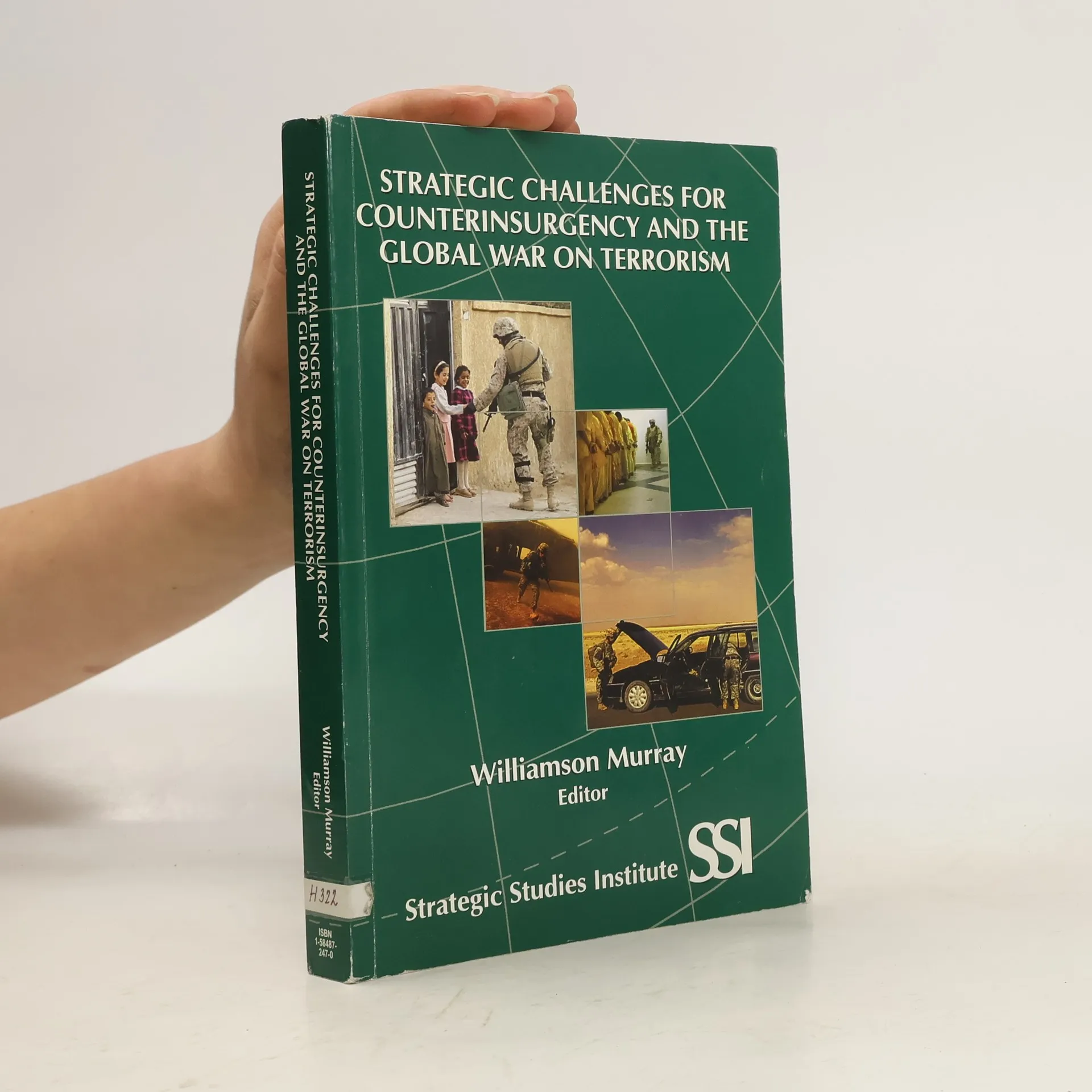
In March 2006, President George W. Bush signed a new National Security Strategy that he refers to as a "wartime national security strategy" and states that to follow the path the United States has chosen, we must "maintain and expand our national strength." One way to do this is to study and propose solutions to the complex challenges the United States faces in the 21st century. At the U.S. Army War College, the students have embraced this challenge and spend a year developing their intellectual strength in areas that extend well beyond the familiar operational and tactical realm to which they are accustomed. This collection of essays written by students enrolled in the U.S. Army War College Advanced Strategic Art Program (ASAP) reflects the development of their strategic thought applied to a wide range of contemporary issues based in theory, doctrine, strategy and history
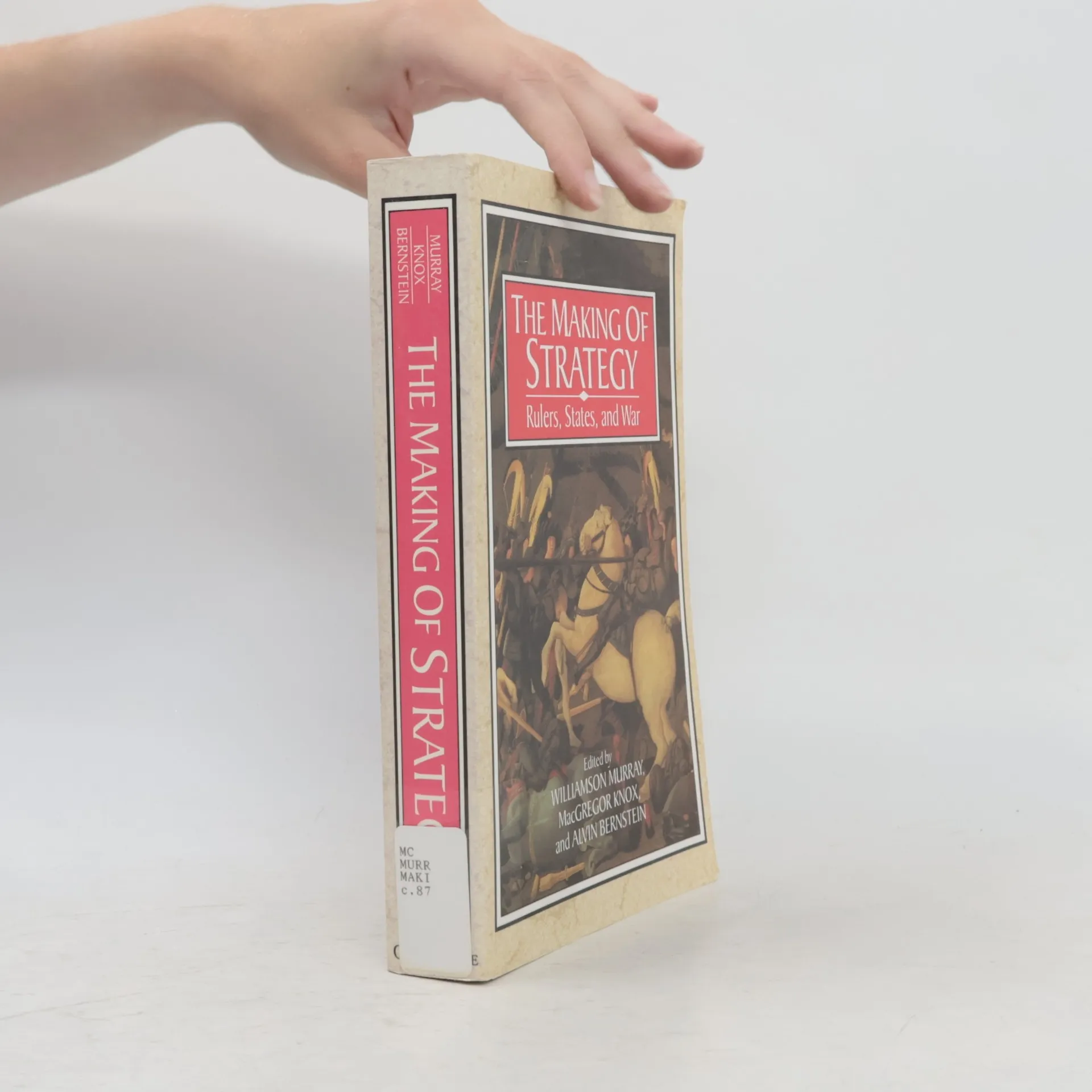
Moving beyond the limited focus of the individual strategic theorist or the great military leader, this book concentrates instead on the processes by which rulers and states have formed strategy. Seventeen case studies analyze through a common framework how strategies have sought to implement a coherent course of action against their adversaries. 24 line drawings. 31 tables.
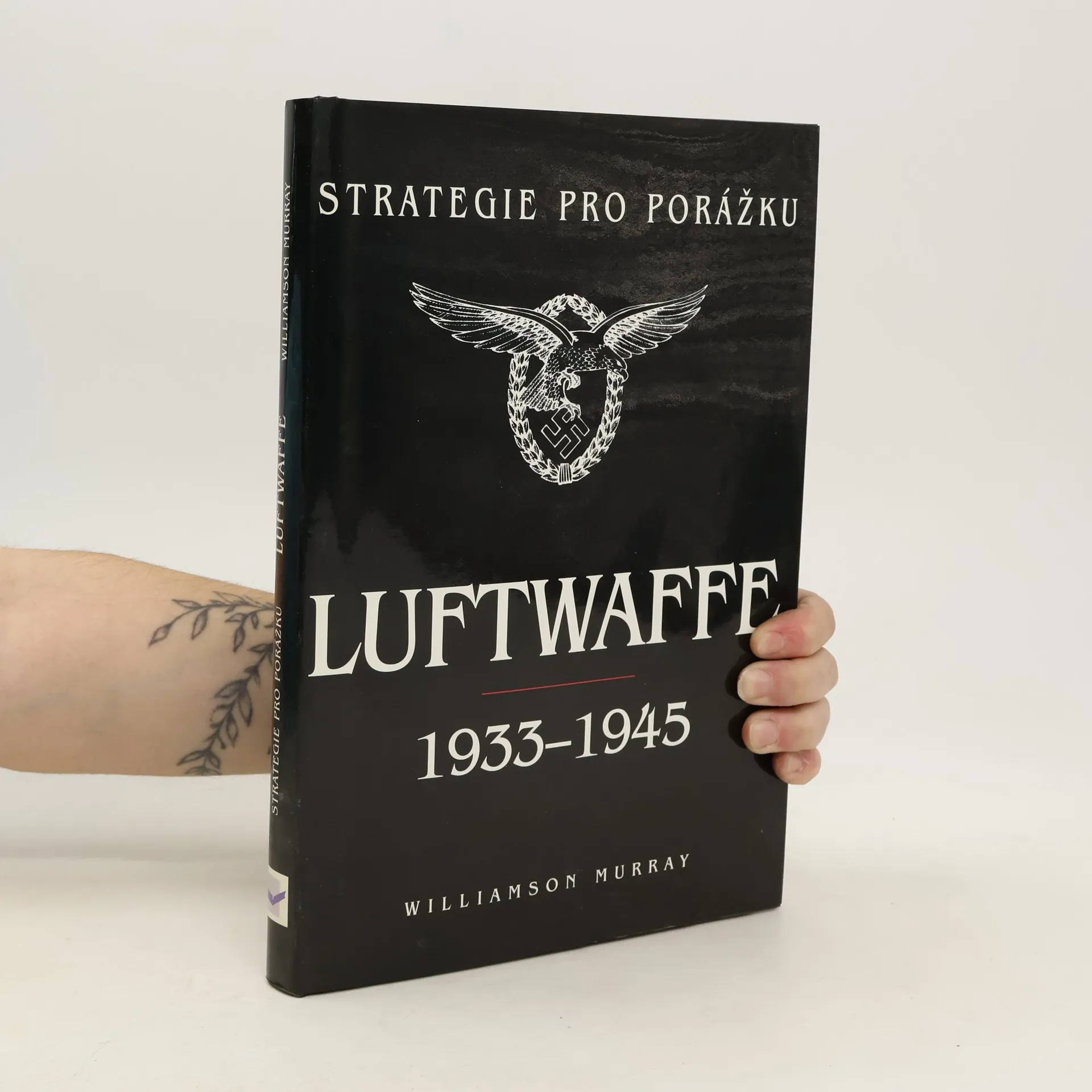
Strategie pro porážku. Luftwaffe 1933-1945
- 256bladzijden
- 9 uur lezen
Kniha je autentickým vylíčením a úplným rozborem okolností, jež vedly k porážce luftwaffe za druhé světové války. Autor analyzuje všechna zásadní rozhodnutí, učiněná v průběhu války a posuzuje je z hlediska postojů, které převládaly ještě před vypuknutím bojů, a v plném světle odhaluje chyby, jichž se dopustili vysocí velitelé luftwaffe, když se pokoušeli formulovat svou dlouhodobou strategii, stejně jako nedostatky v plánování, tedy dvě okolnosti, jež ve svém důsledku vedly k porážce. Kniha upoutá množstvím původních fotografií vhodně skloubených s novodobými grafickými materiály. Obě tyto složky, stejně jako četná argumentace v podobě statistických údajů, které doktor Murray nashromáždil, jsou vhodným doplněním textu. Strategie pro porážku je fascinujícím historickým dílem, které by nemělo uniknout nikomu, kdo se zabývá studiem luftwaffe, případně zkoumá úlohu letectva ve válce obecně.
Der Luftkrieg von 1914 - 1945
- 224bladzijden
- 8 uur lezen