Bookbot

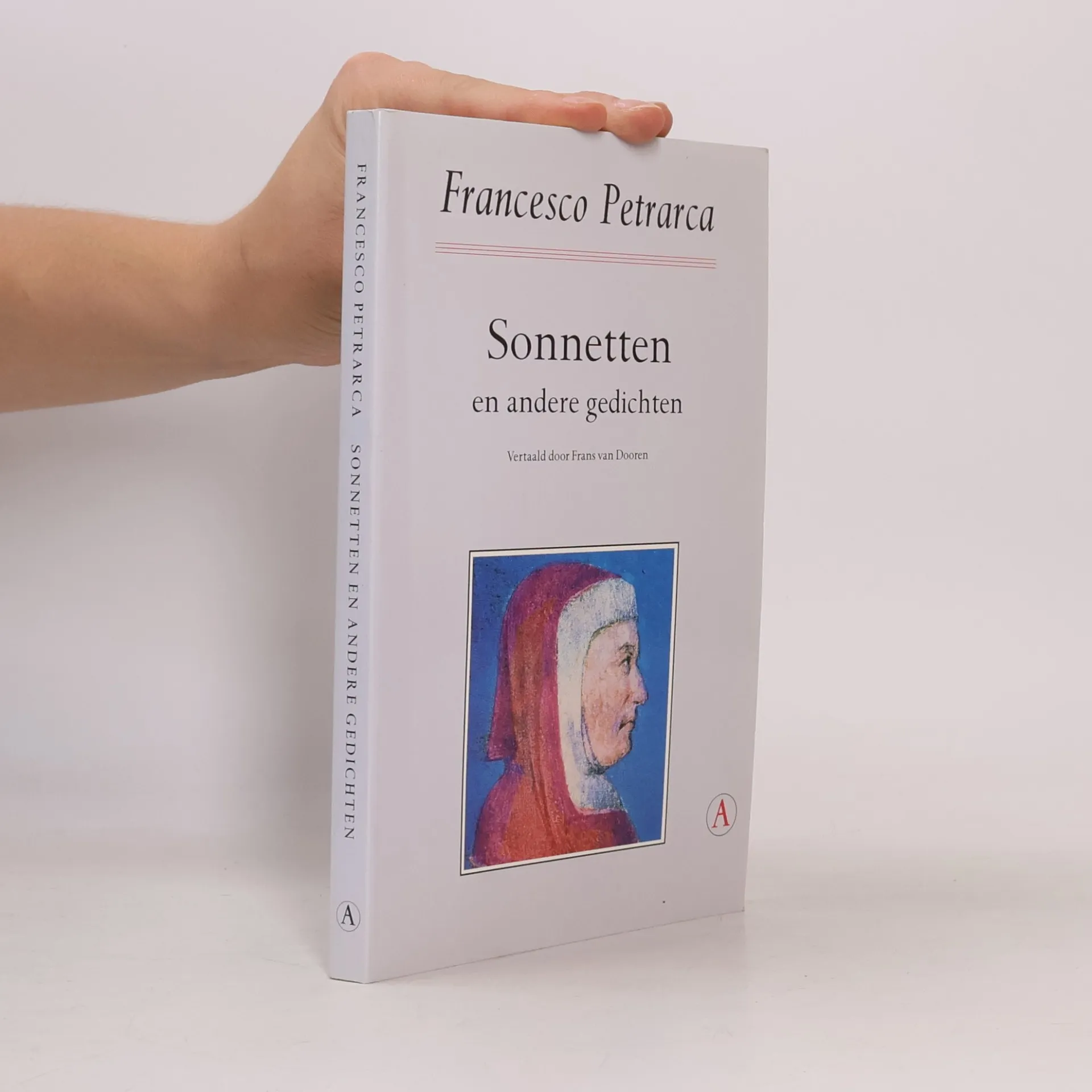
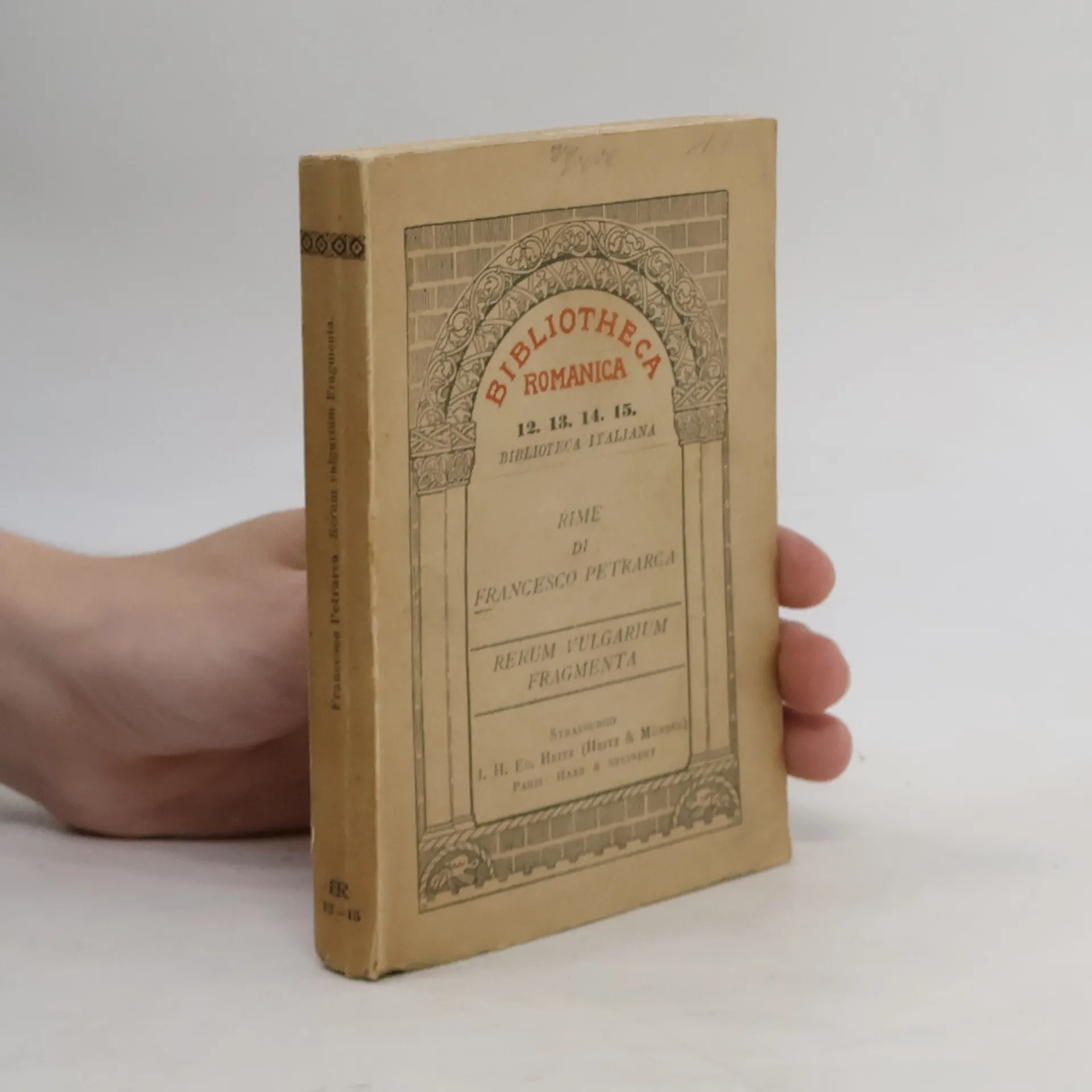
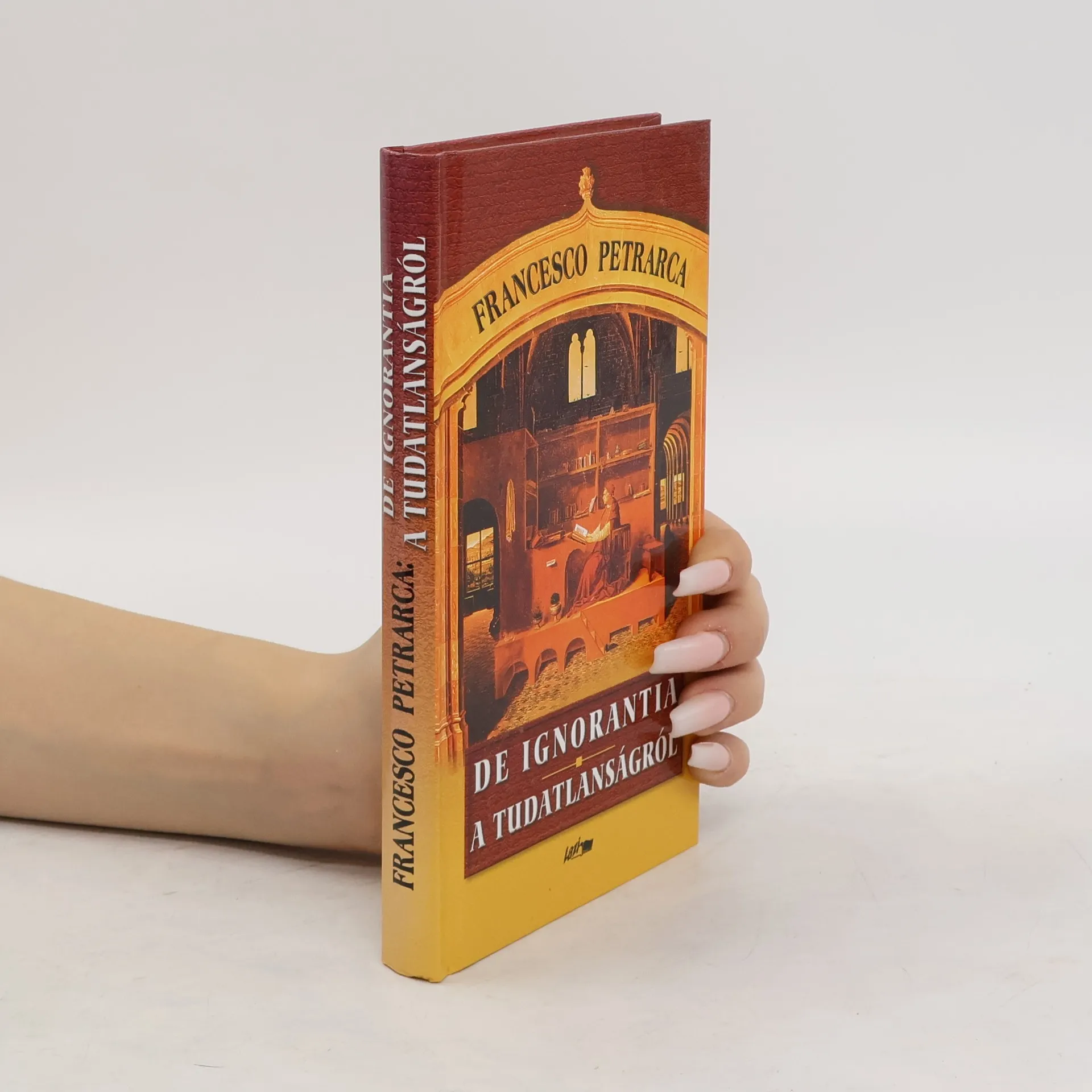
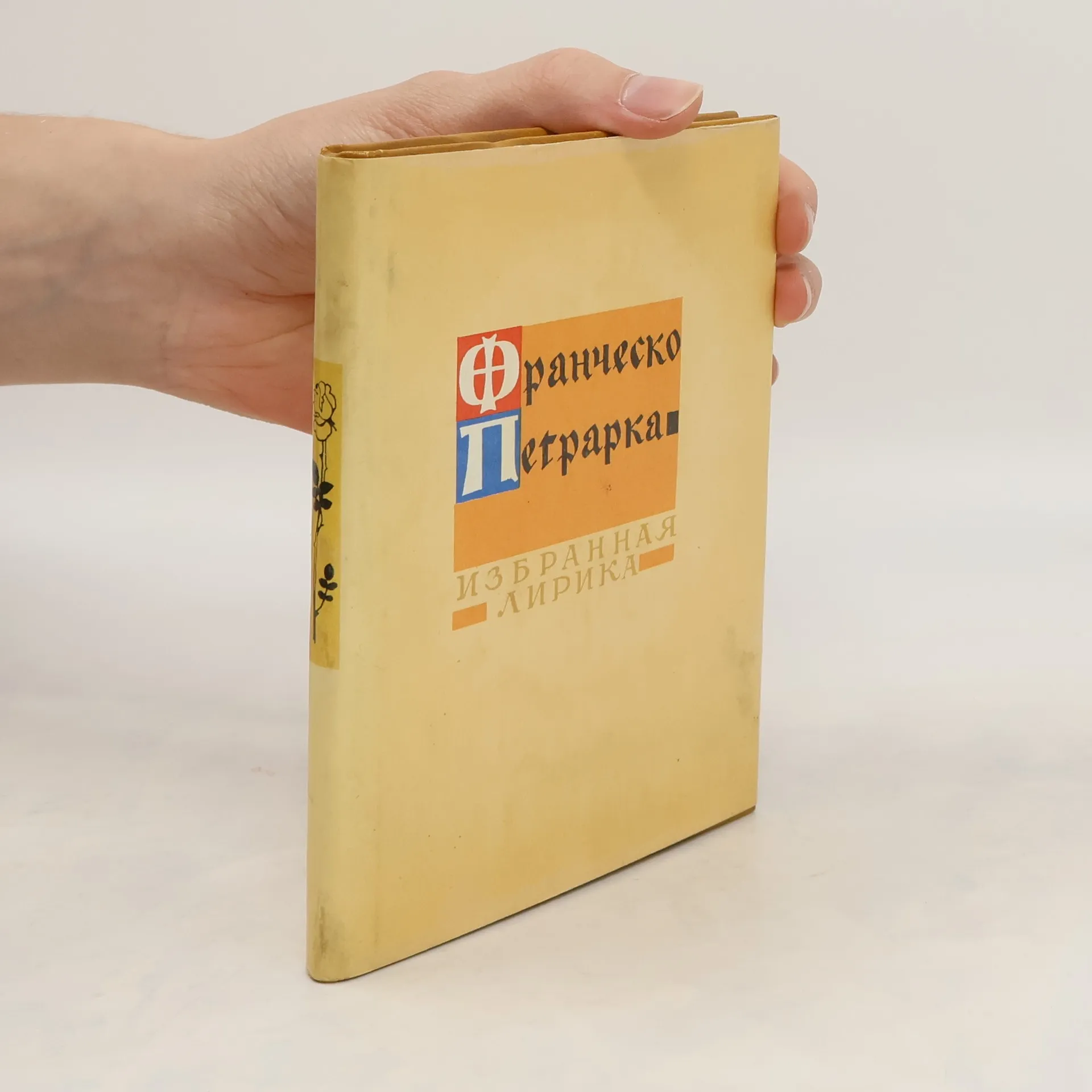
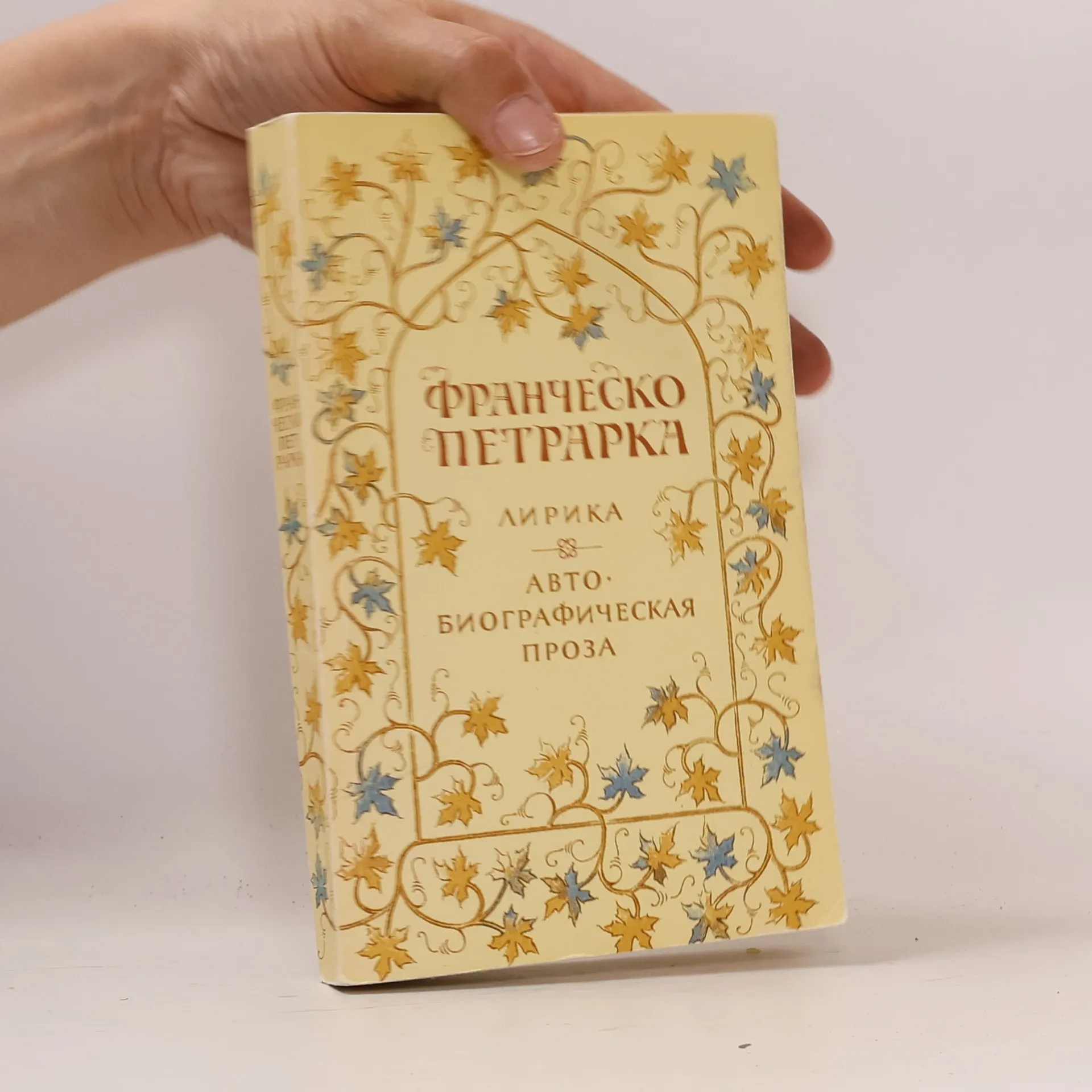
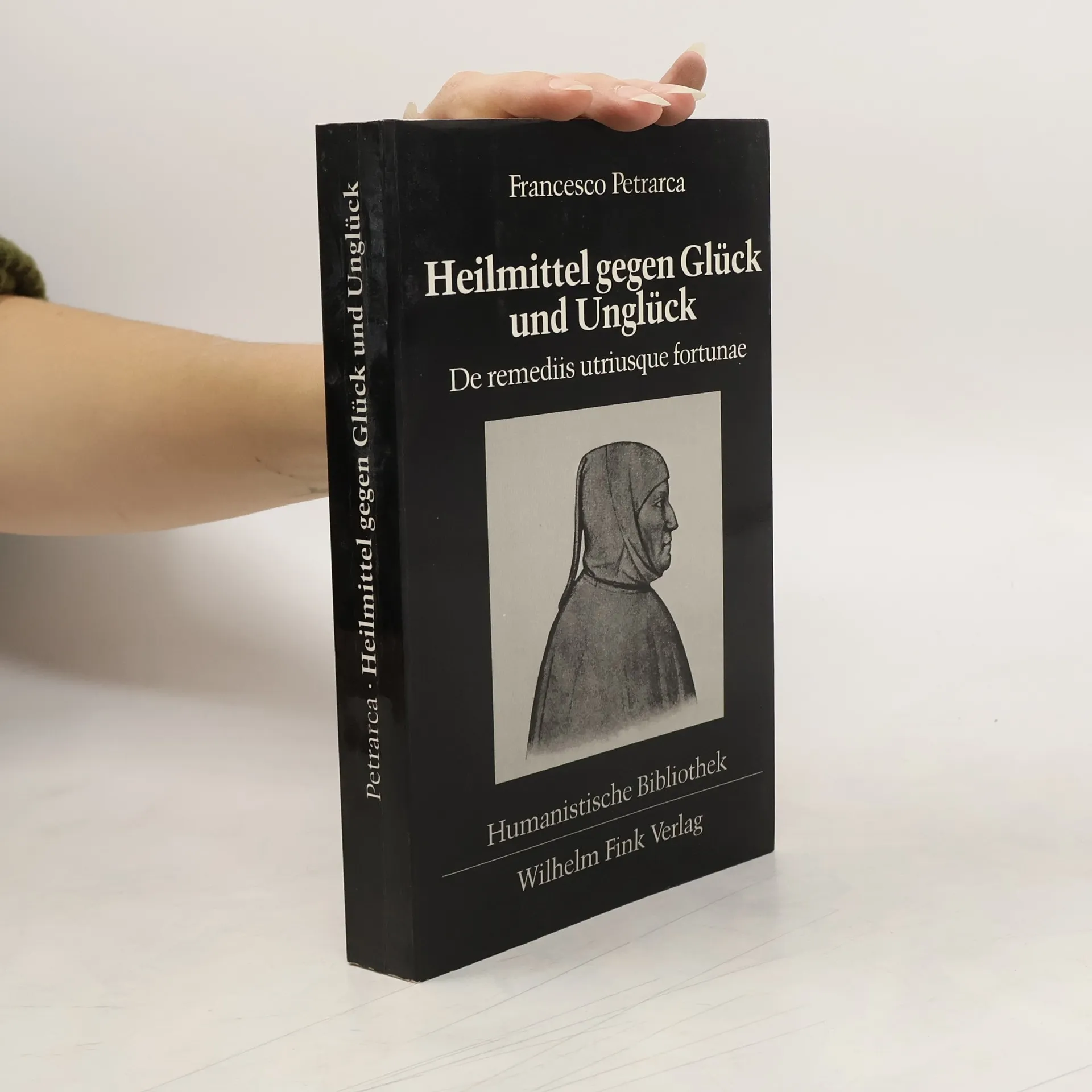
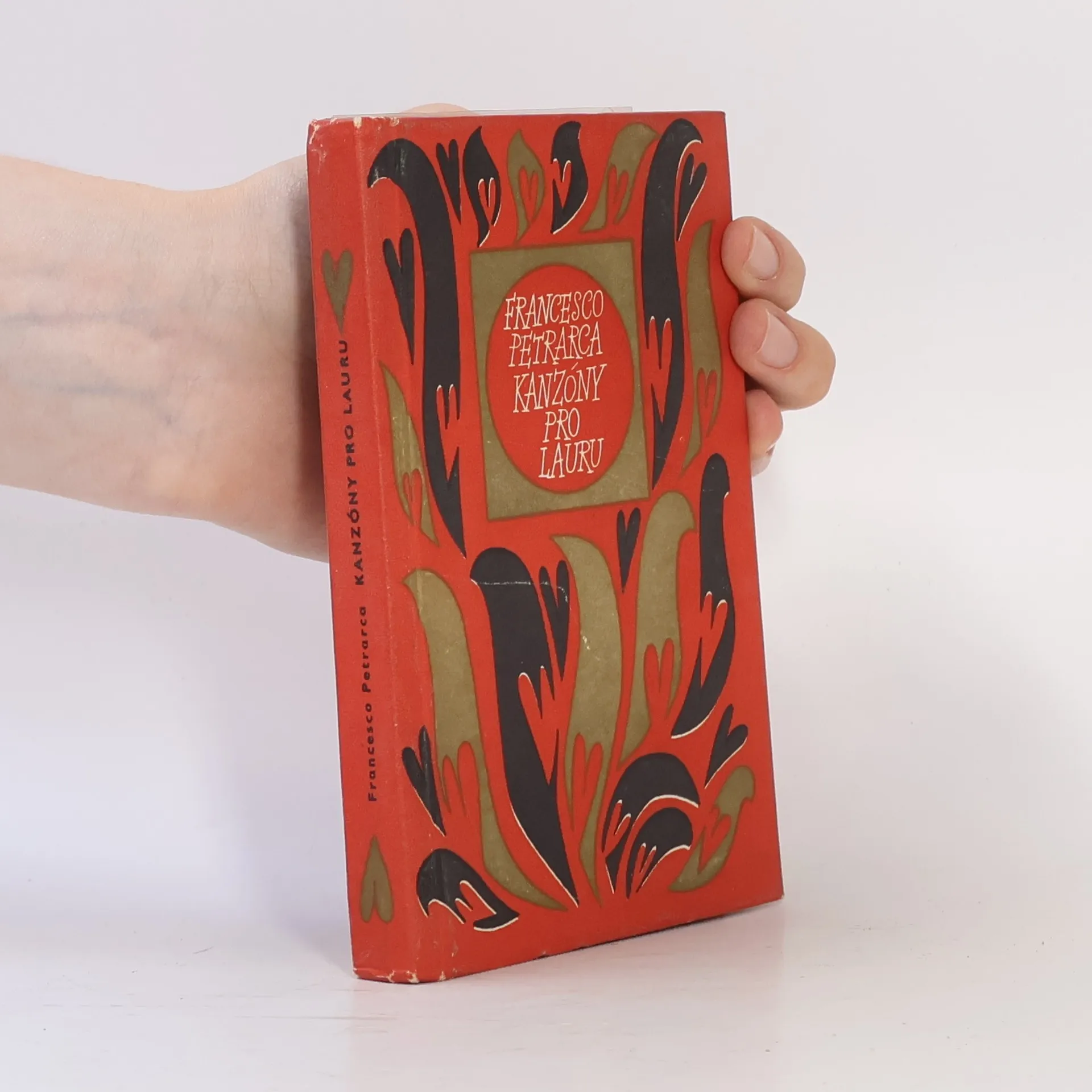
Francesco Petrarca

    19 juli 1304 – 18 juli 1374

    Francesco Petrarca, in het Engels bekend als Petrarca, was een Italiaanse geleerde, dichter en een van de vroegste humanisten uit de Renaissance. Hij wordt vaak de 'vader van het humanisme' genoemd. Petrarcha's werken dienden als model voor de moderne Italiaanse taal, en zijn sonnetten werden een standaard voor lyrische gedichten in heel Europa tijdens de Renaissance. Hij wordt ook erkend als een van de eersten die de Middeleeuwen het 'duistere tijdperk' noemden.

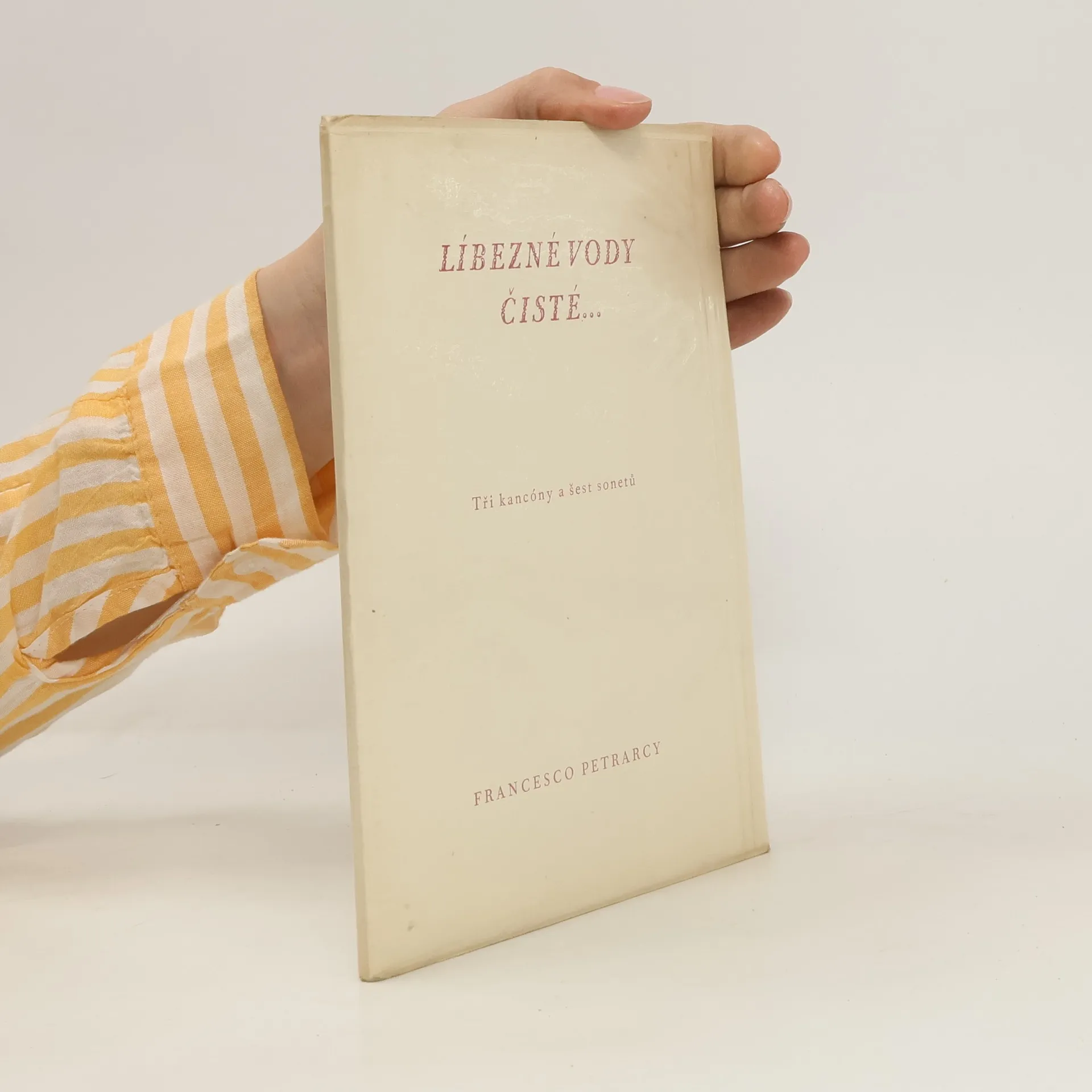
    Francesco Petrarca
    Viditelné a neviditelné
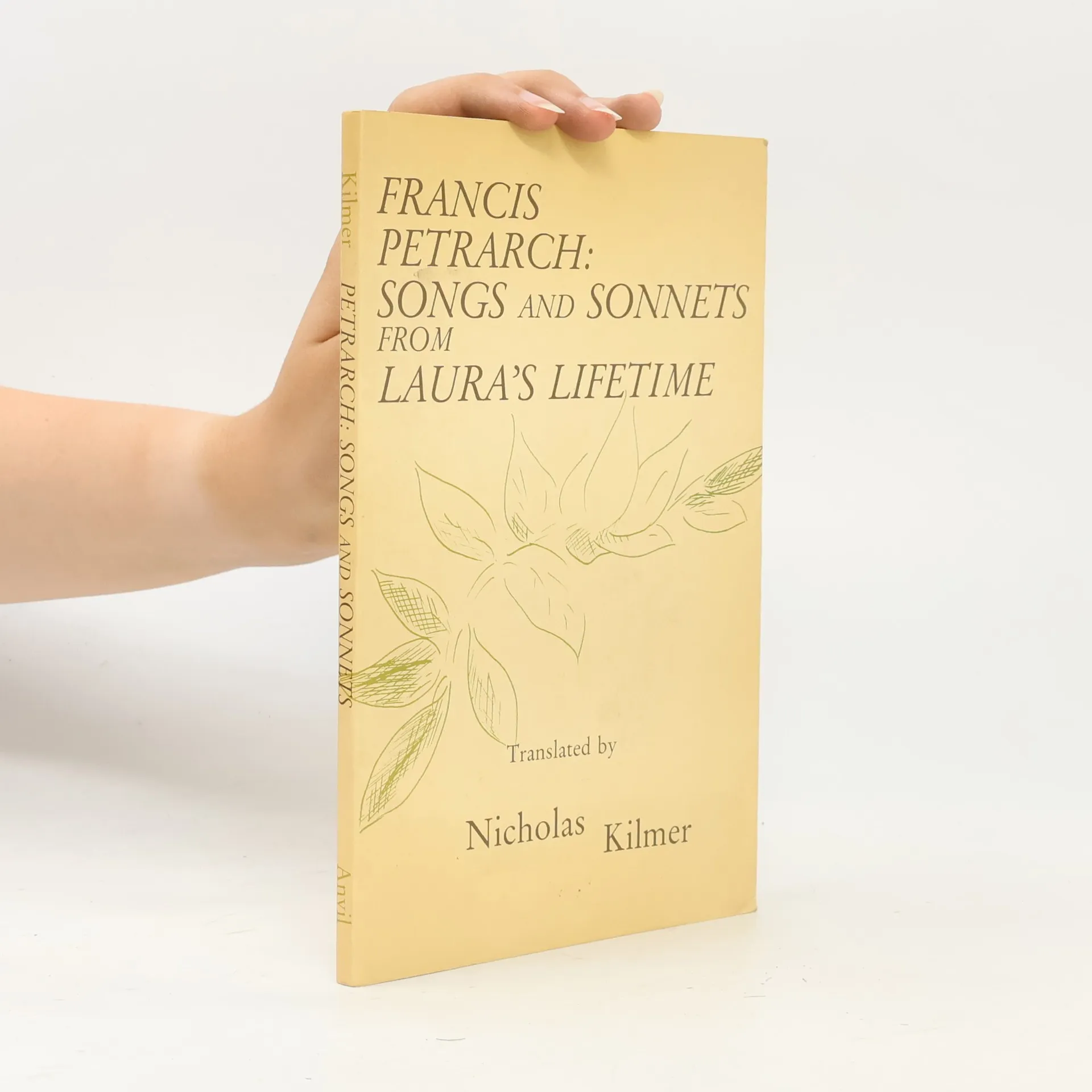
    Selected poems [of] Petrarch
    Petrarch's Penitential Psalms and Prayers
    Selections from the Canzoniere and Other Works
    My Secret Book
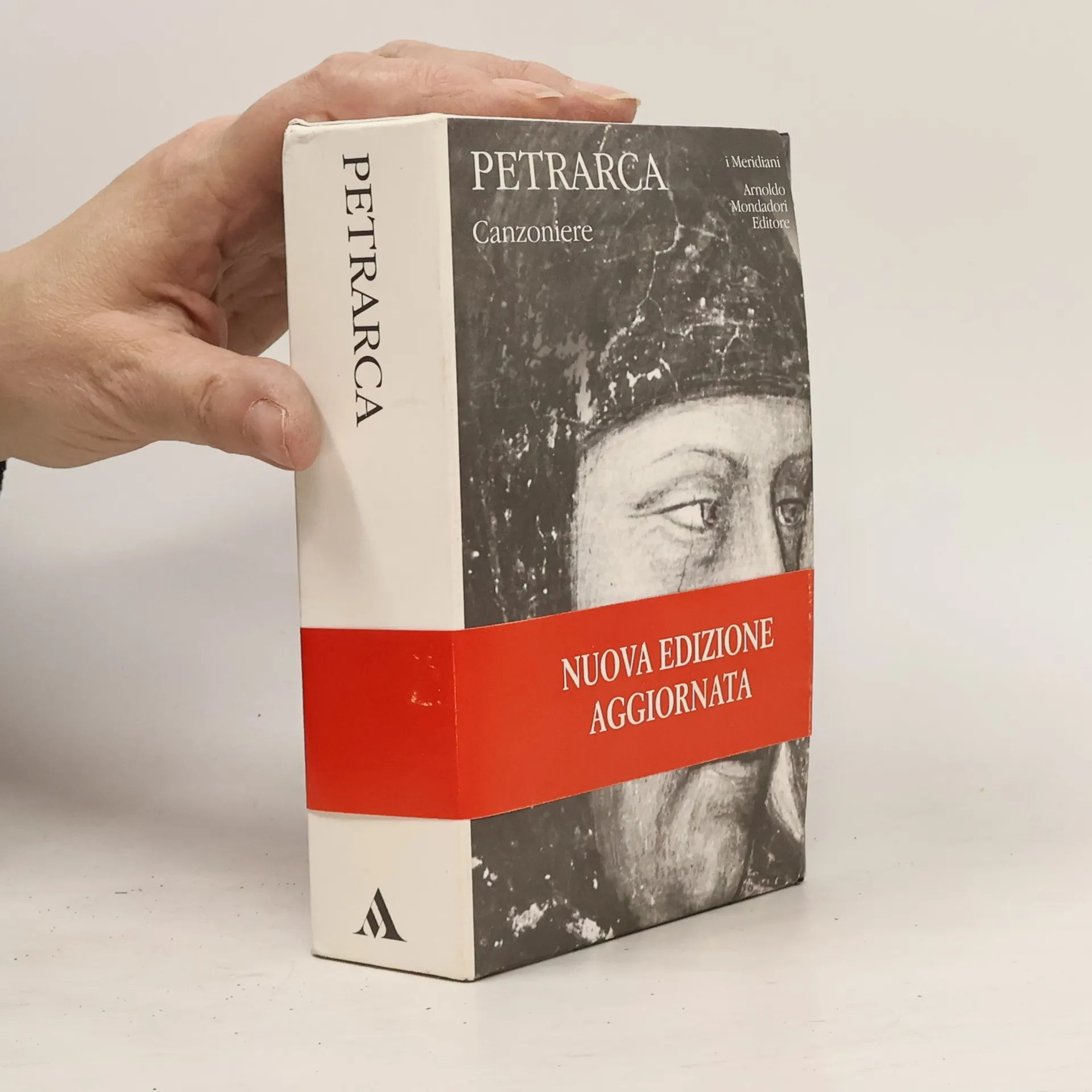
    Petrarch's Canzoniere
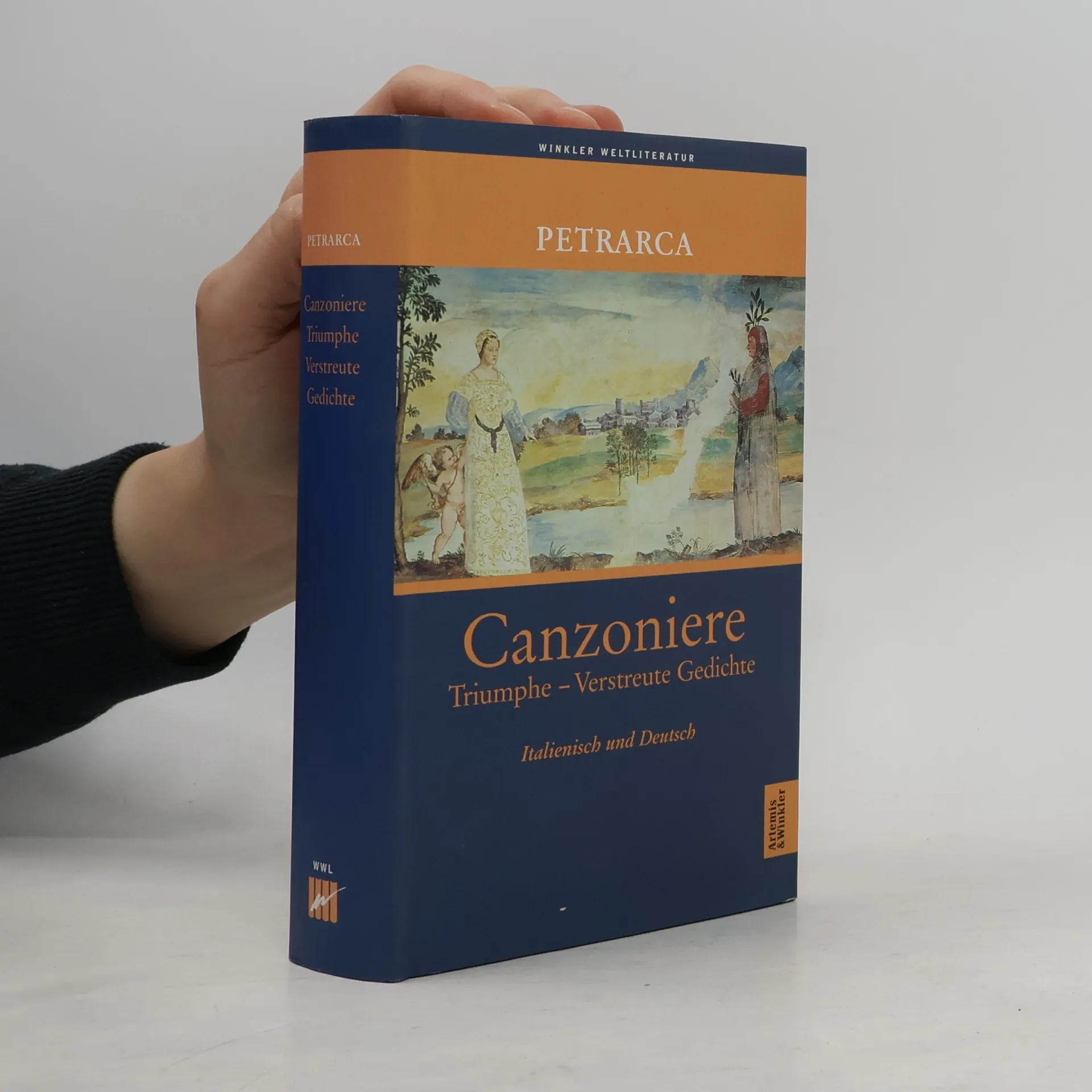
    • David Young's version of Petrarch will refresh our images of the West's crucial lyric poet. We are given a Petrarch in our own vernacular, with echoes of Wyatt, Shakespeare, and many who come after. --Harold Bloom Ineffable sweetness, bold, uncanny sweetness that came to my eyes from her lovely face; from that day on I'd willingly have closed them, never to gaze again at lesser beauties. --from Sonnet 116 Petrarch was born in Tuscany and grew up in the south of France. He lived his life in the service of the church, traveled widely, and during his lifetime was a revered, model man of letters. Petrarch's greatest gift to posterity was his Rime in vita e morta di Madonna Laura, the cycle of poems popularly known as his songbook. By turns full of wit, languor, and fawning, endlessly inventive, in a tightly composed yet ornate form they record their speaker's unrequited obsession with the woman named Laura. In the centuries after it was designed, the Petrarchan sonnet, as it would be known, inspired the greatest love poets of the English language-from the times of Spenser and Shakespeare to our own. David Young's fresh, idiomatic version of Petrarch's poetry is the most readable and approachable that we have. In his skillful hands, Petrarch almost sounds like a poet out of our own tradition bringing the wheel of influence full circle.
      Petrarch's Canzoniere
      3,7
    • My Secret Book

      • 128bladzijden
      • 5 uur lezen

      Written by one of the greatest poets of all time, My Secret Book, now in its first English translation, is a profound and deeply personal account of inner suffering and mental anguish. Deeply troubled by his struggle—and failure—to achieve spiritual perfection, Petrarch, considered the forefather of Italian humanism, sought catharsis in the writing of a “secret book.” Only here could he pour out his innermost thoughts, frustrations, and desires. Written in the form of a dialogue between himself and St. Augustine, the book wrestles with the universal themes of suffering, desire, fear, and joy. The result is a rare insight into Petrarch’s life and thought and a remarkable early example of self-revelation and autobiography.

      My Secret Book
      3,9
    • Petrarch (1304-74), Italy's greatest lyric poet, was a diplomat, a classical scholar, and poet laureate by the age of 37. His most influential legacy is undoubtedly the "Canzoniere," a collection of 366 outstanding love poems. Their inspiration was the elusive lady Laura, the object of Petrarch's unrequited passion for nearly forty years, and at times a metaphor for his other obsession, worldly glory. It is this other theme, and the conflicts created by the poet's yearning for spirituality, that form the subjects of the two autobiographical prose pieces included here, the "Letter to Posterity" and "The Ascent of Mount Ventoux." The hesitations and choices expressed in these letters illuminate the "Canzoniere," whose elegant sophistication belies the strength of its passion. The delicacy of Petrarch's original has been faithfully preserved in this verse translation by Mark Musa. -- From publisher's description

      Selections from the Canzoniere and Other Works
      3,9
    • The first English translation of Petrarch’s Psalms and Prayers provides an intimate look at the personal devotions of the “Father of Humanism.”

      Petrarch's Penitential Psalms and Prayers
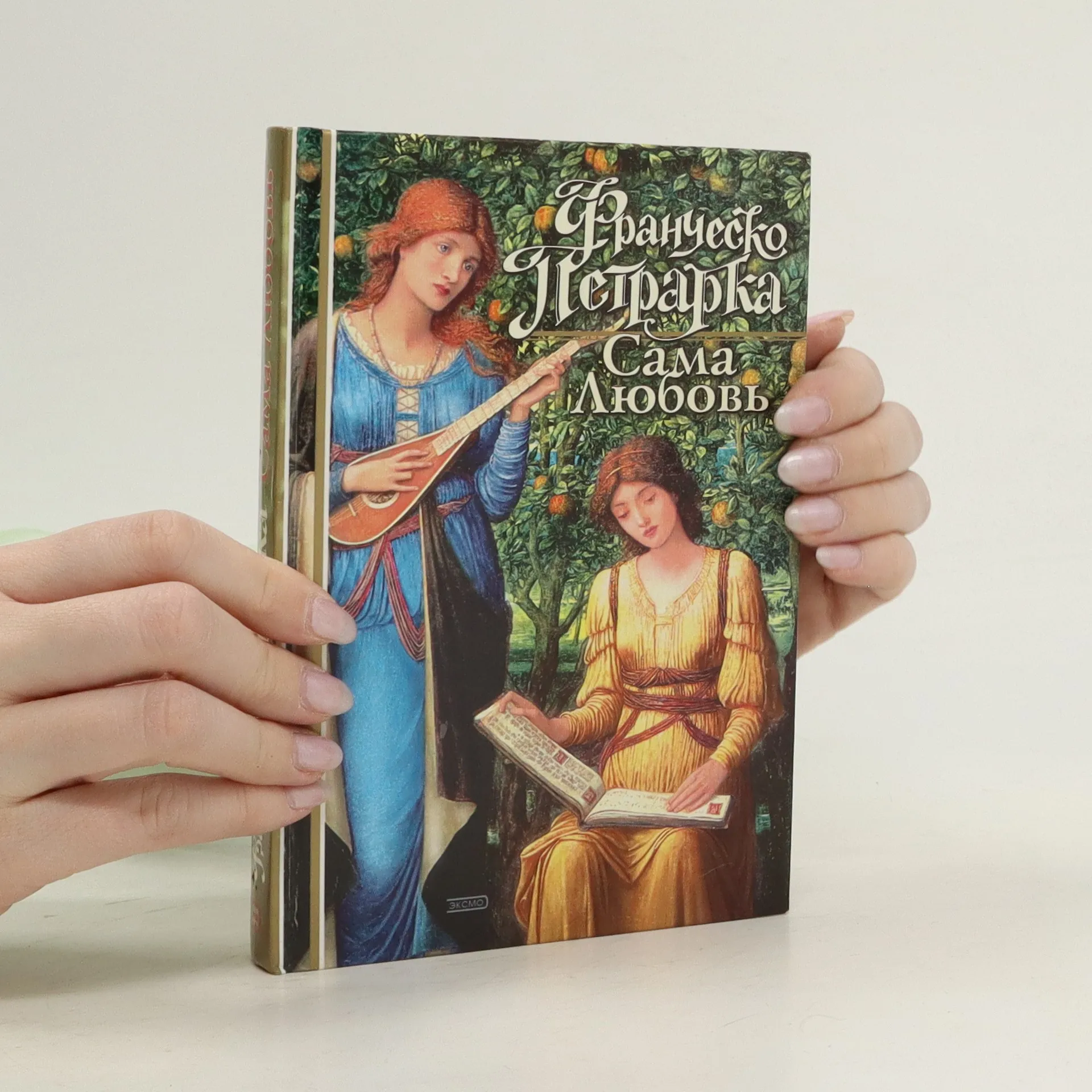
    • Autor se ve své poslední knize obrací k východiskům svého myšlení – k fenomenologii vnímání a lidské tělesnosti – a ještě radikálněji vyjadřuje svůj úmysl zrušit kartesiánské rozlišení ducha a těla a dospívá k ontologii ”látky světa” jako posledního základu zjevování. Přeložil M. Petříček. ISBN 80-86005-04-1 je chybné, správné ISBN 80-86005-82-8 není v knize uvedeno.

      Viditelné a neviditelné
      4,8
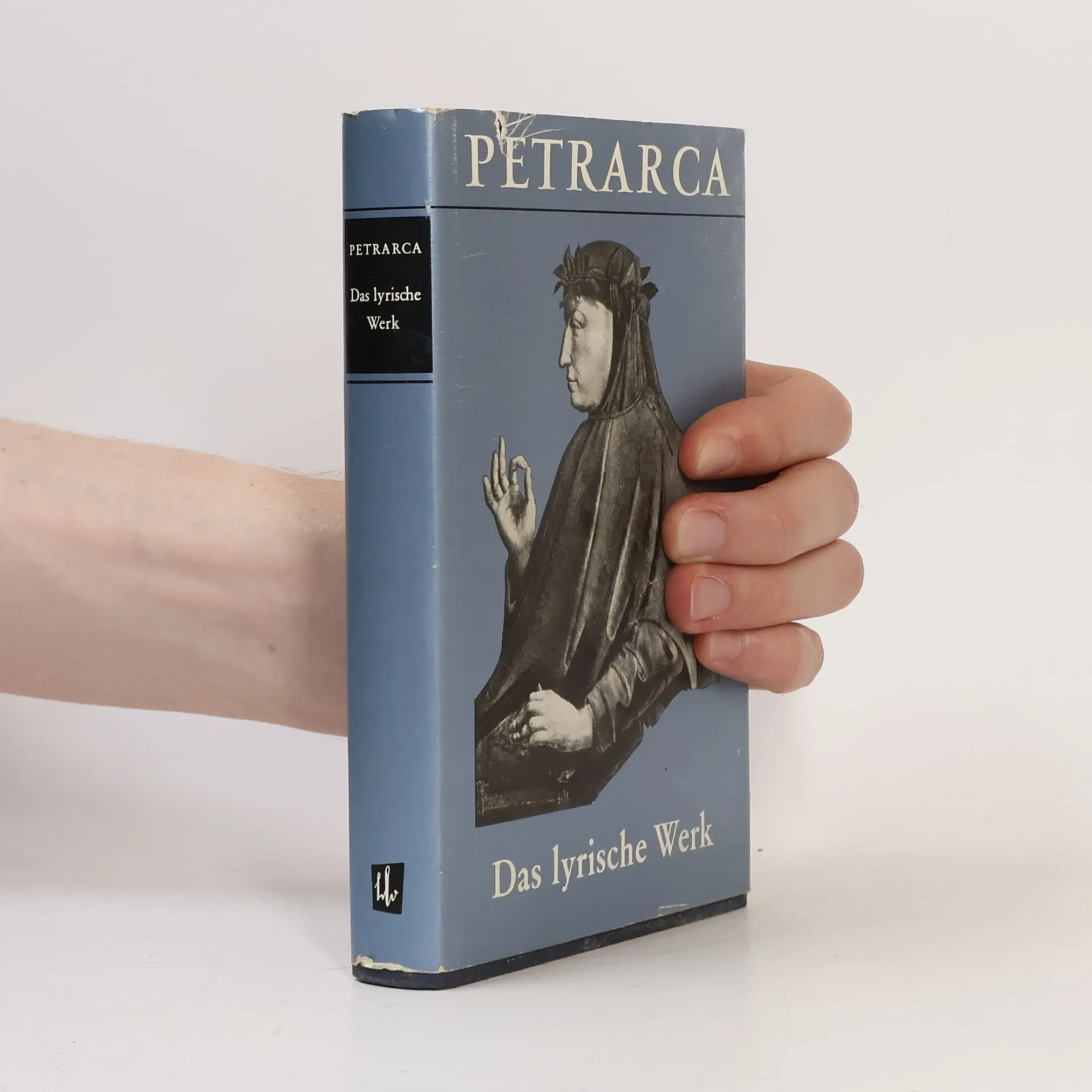
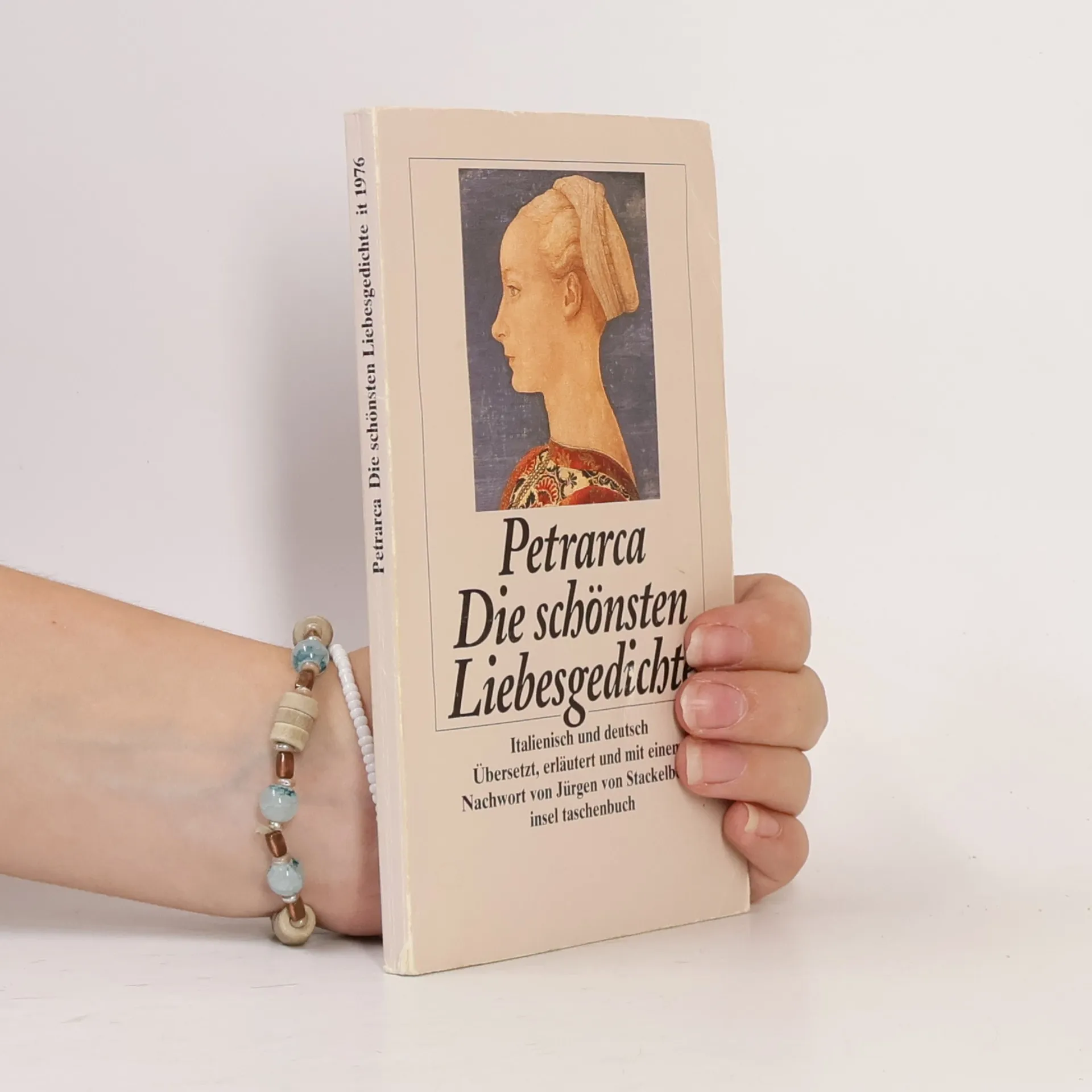
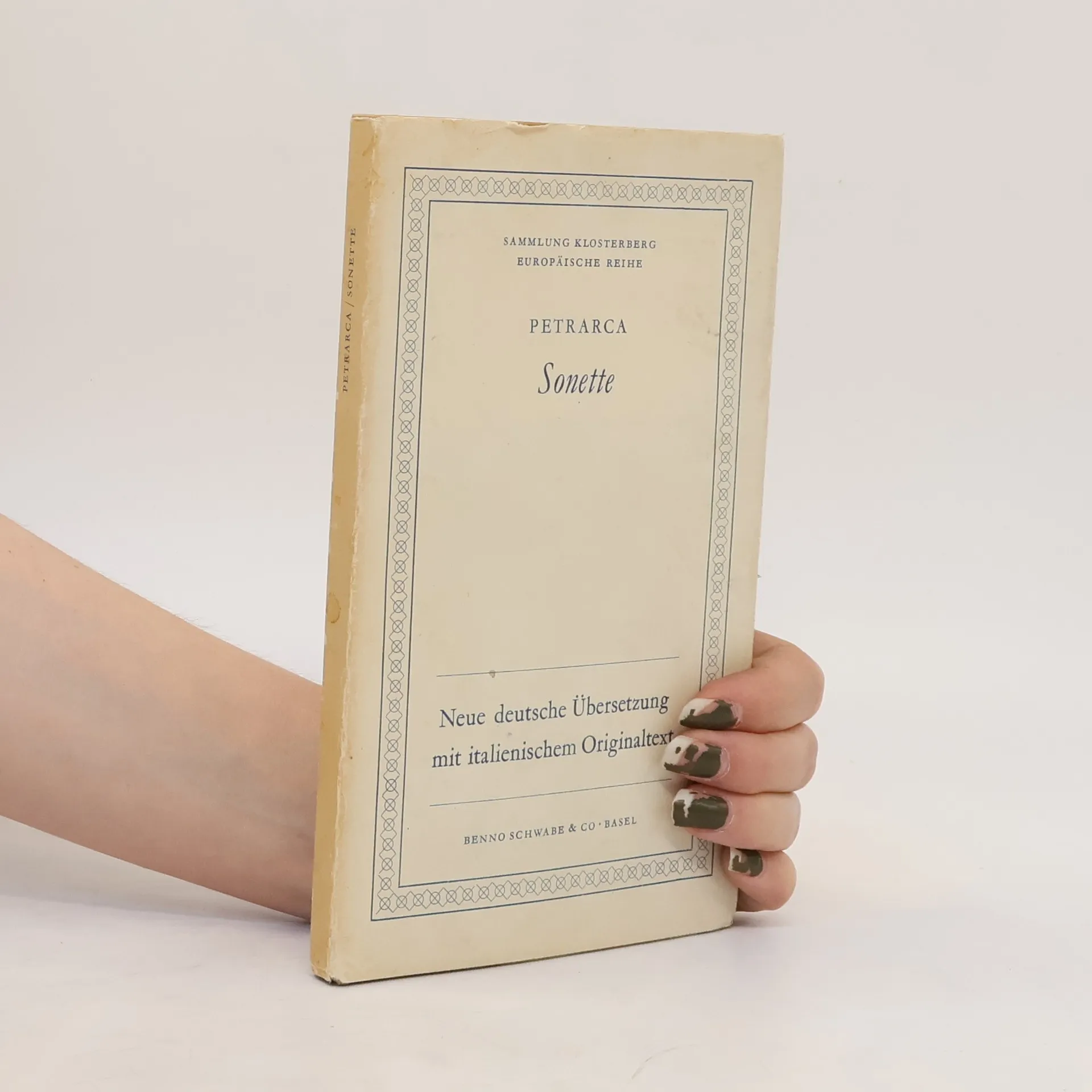
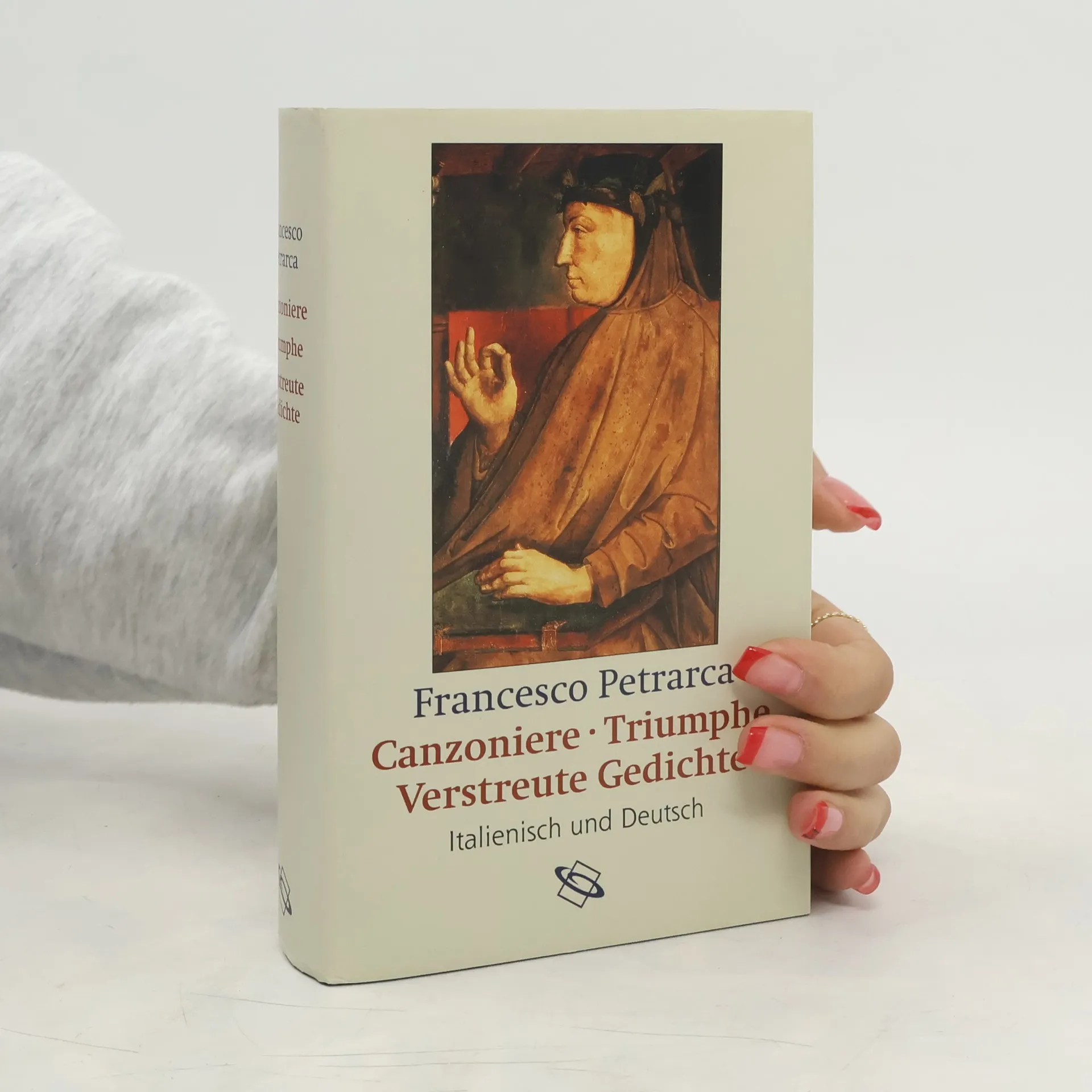
    • Die schönsten Liebesgedichte. Vierzig Sonette und Canzonen. Italienisch und Deutsch

      Übersetzt, erläutert und mit einem Nachwort von Jürgen von Stackelberg

      • 127bladzijden
      • 5 uur lezen

      Zu Ostern 1327 will Petrarca die schöne und wahrscheinlich verheiratete Dame erblickt haben, die er Laura nennt. Die Begegnung soll in Avignon vor der Kirche Sainte Claire stattgefunden haben. Ob das, was er daraus gemacht hat, der Wahrheit entspricht, ist jedoch ebenso unwichtig wie etwa die Frage, ob Hänsel und Gretel wirklich in den Wald gegangen sind. Petrarca geht es hier um eine Begebenheit als Ausgangspunkt einer Liebesgeschichte seines 'Canzoniere'. Auch über die Person der Laura wurde viel spekuliert; doch ist auch hier fraglich, ob sie je existiert hat.§Viel wird in Petrarcas Versen geweint, doch man muß sich das Weinen als einen Genuß vorstellen, ein ehrliches, ungeniertes Interesse am eigenen Empfinden, auch, und gerade, dem traurigen. Vielleicht kommt dieser Subjektivismus einem sich anbahnenden Lebensgefühl unserer Zeit entgegen. Das würde Petrarcas Chance, wieder Gehör zu finden, erhöhen - eine Chance, die durch Jürgen von Stackelbergs neue Wiedergabe in poetischer Prosa ungleich verstärkt wird.

      Die schönsten Liebesgedichte. Vierzig Sonette und Canzonen. Italienisch und Deutsch
      4,0