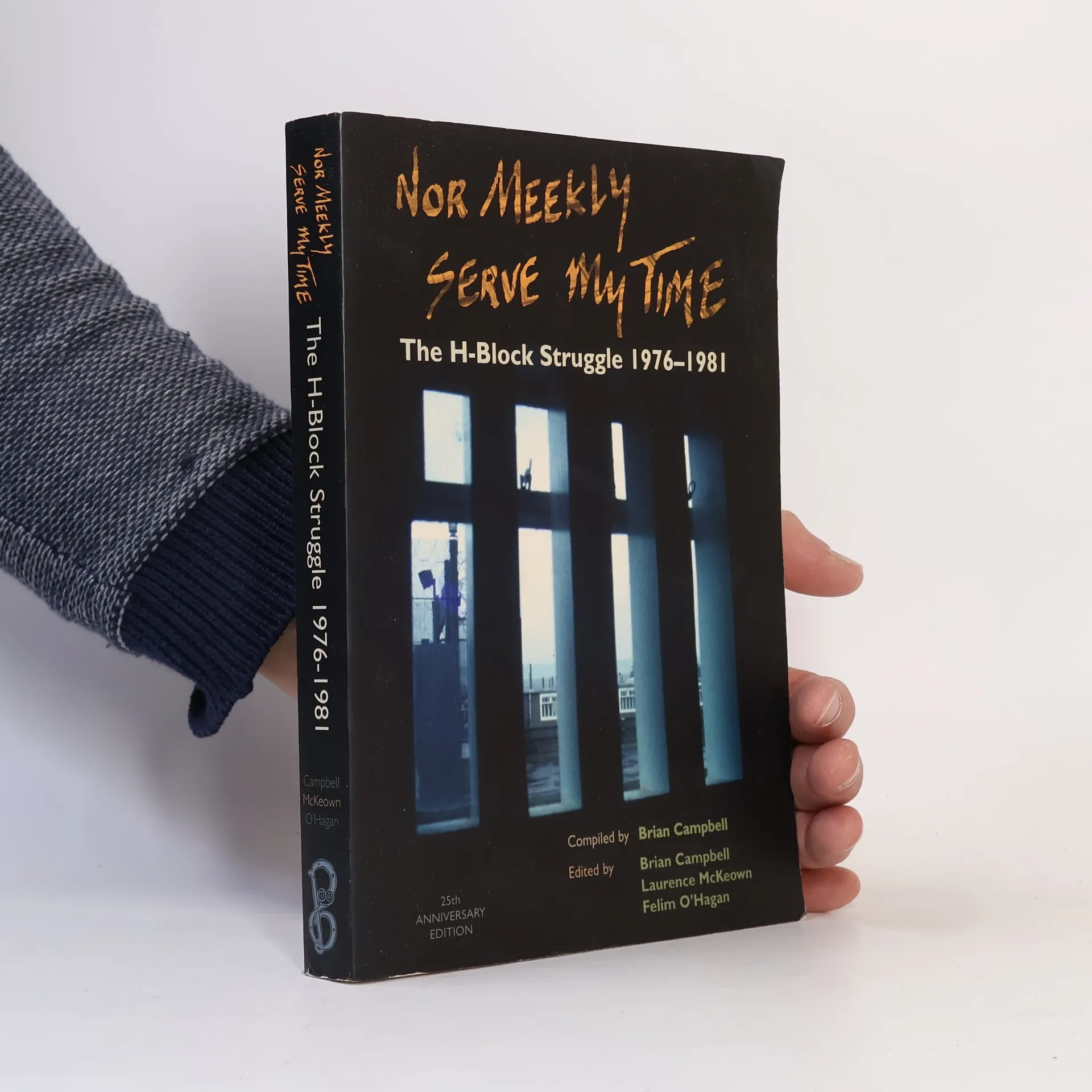
Nor Meekly Serve My Time
The H-Block Struggle 1976–1981 - 25th Anniversary Edition



The H-Block Struggle 1976–1981 - 25th Anniversary Edition
Focusing on the Roman army's evolution, this study offers insights into the economic, social, and political dynamics of the Roman Empire between 31 BC and 280 AD. Brian Campbell uses a wealth of examples to illustrate how military developments influenced imperial expansion, making it an essential resource for understanding the complexities of Roman history.
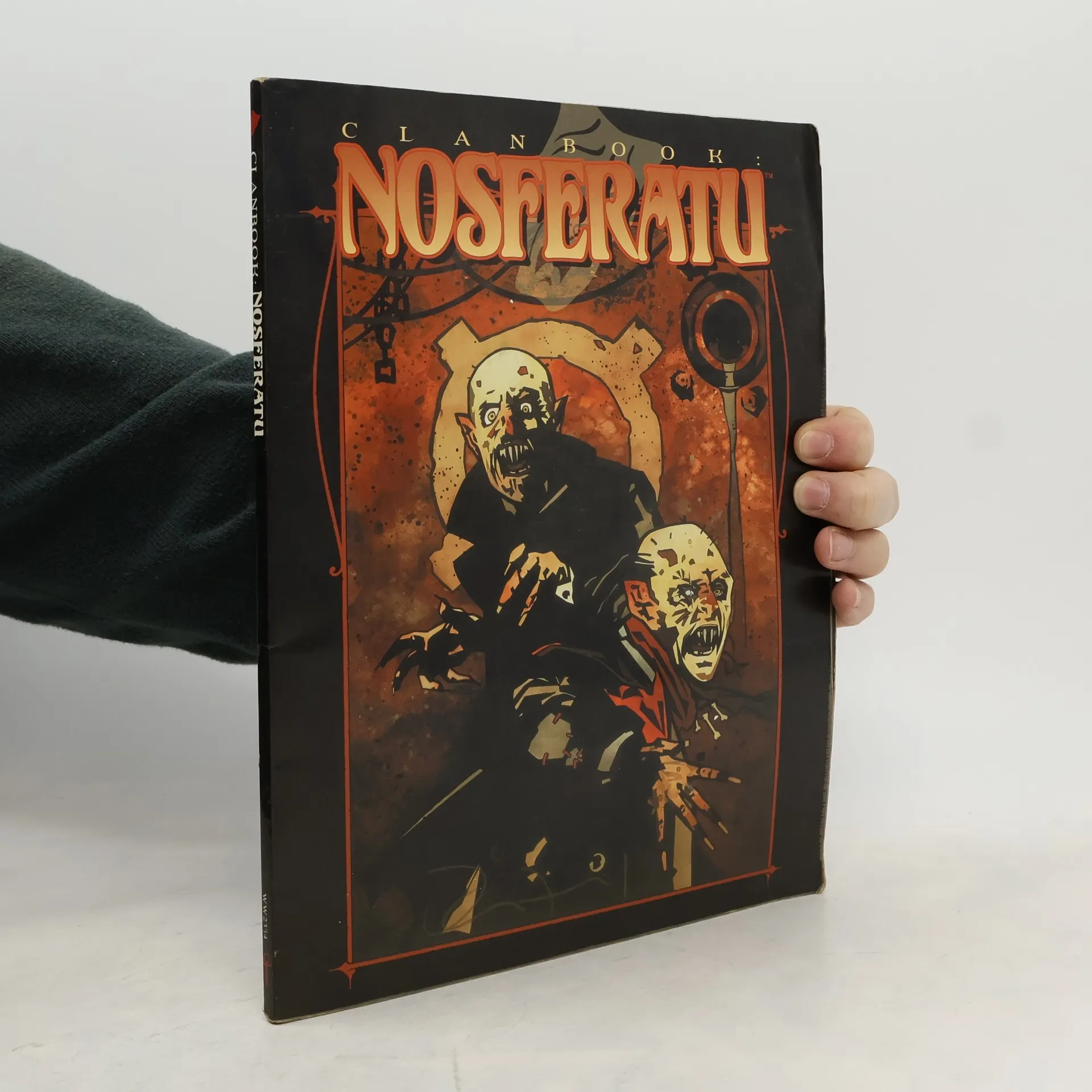
Hideous HorrorsOf all the Kindred, the Nosferatu most resemble the Beasts they hide within. But the clan is far more than a motley assembly of twisted freaks. From their first nights to their modern incarnation as informants and spies, the Sewer Rats have as many secrets of their own as they have gathered from other Kindred. Up from the storm drains and tunnels they scuttle, but whether as ally or foe remains to be seen.And the Creatures They FearAs the first entry in the ambitious revised lineup of clanbooks, Nosferatu complements the clans appearance in the revised edition of Vampire: The Masquerade. All-new information accompanies a re-examination of earlier concepts, allowing you to add as much depth to your character as you like. The sheer volume of information contained in the new clanbooks (each 32 pages longer than the first-edition series) permits Storytellers to round out their chronicles.
Asia, the Mediterranean, Europe, and Mesoamerica
This volume is a unique, multi-authored social history of war from the third millennium B.C.E. to the tenth century C.E. in the Mediterranean, the Near East, and Europe (Egypt, Achaemenid Persia, Greece, the Hellenistic World, the Roman Republic and Empire, the Byzantine Empire, the early Islamic World, and early Medieval Europe), with parallel studies of Mesoamerica (the Maya and Aztecs) and East Asia (ancient China, medieval Japan). The product of a colloquium at Harvard’s Center for Hellenic Studies, this volume offers a broadly based, comparative examination of war and military organization in their complex interactions with social, economic, and political structures as well as cultural practices.
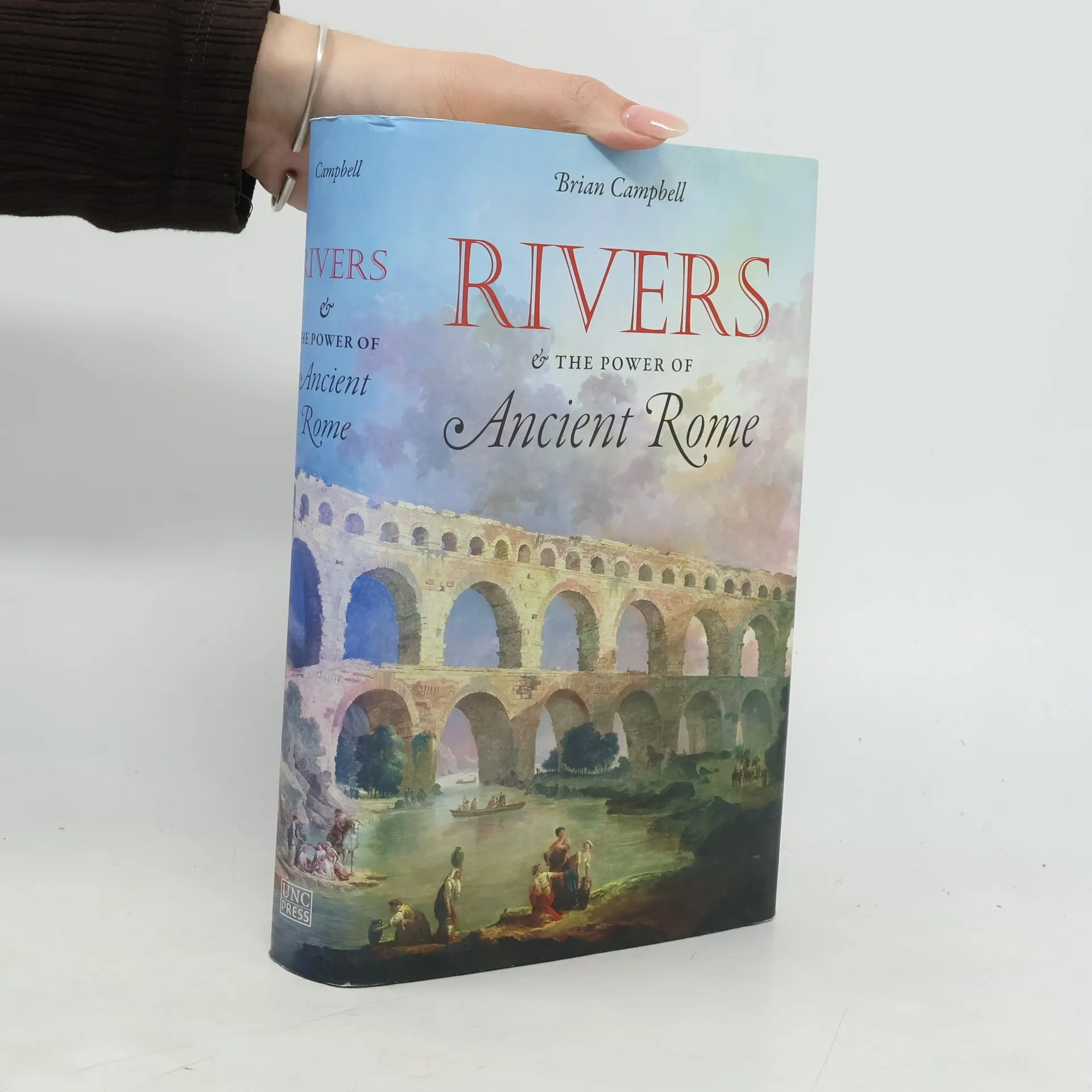
Figuring in myth, religion, law, the military, commerce, and transportation, rivers were at the heart of Rome's increasing exploitation of the environment of the Mediterranean world. In Rivers and the Power of Ancient Rome , Brian Campbell explores the role and influence of rivers and their surrounding landscape on the society and culture of the Roman Empire.Examining artistic representations of rivers, related architecture, and the work of ancient geographers and topographers, as well as writers who describe rivers, Campbell reveals how Romans defined the geographical areas they conquered and how geography and natural surroundings related to their society and activities. In addition, he illuminates the prominence and value of rivers in the control and expansion of the Roman Empire--through the legal regulation of riverine activities, the exploitation of rivers in military tactics, and the use of rivers as routes of communication and movement. Campbell shows how a technological understanding of--and even mastery over--the forces of the river helped Rome rise to its central place in the ancient world.