Timotheus Vodička Volgorde van de boeken (chronologisch)
- Christopher P. Waters

Robinson Crusoë
- 157bladzijden
- 6 uur lezen
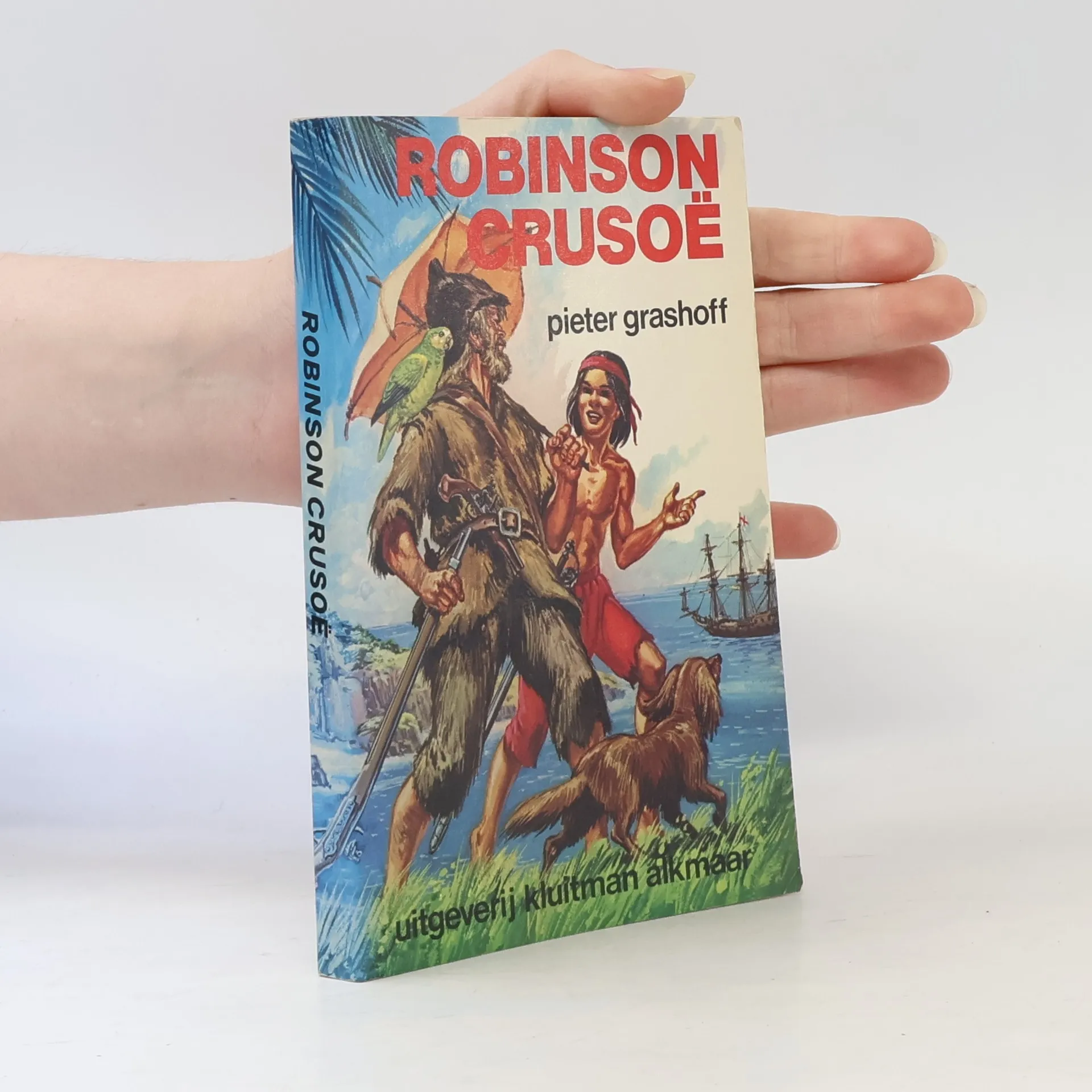
Avonturen van Robinson Crusoe die na een schipbreuk op een onbewoond eiland terchtkomt, waar hij zich met materiaal afkomstig van het gestrande schip en met veel vernuft en geestkracht een een nieuw bestaan weet op te bouwen.
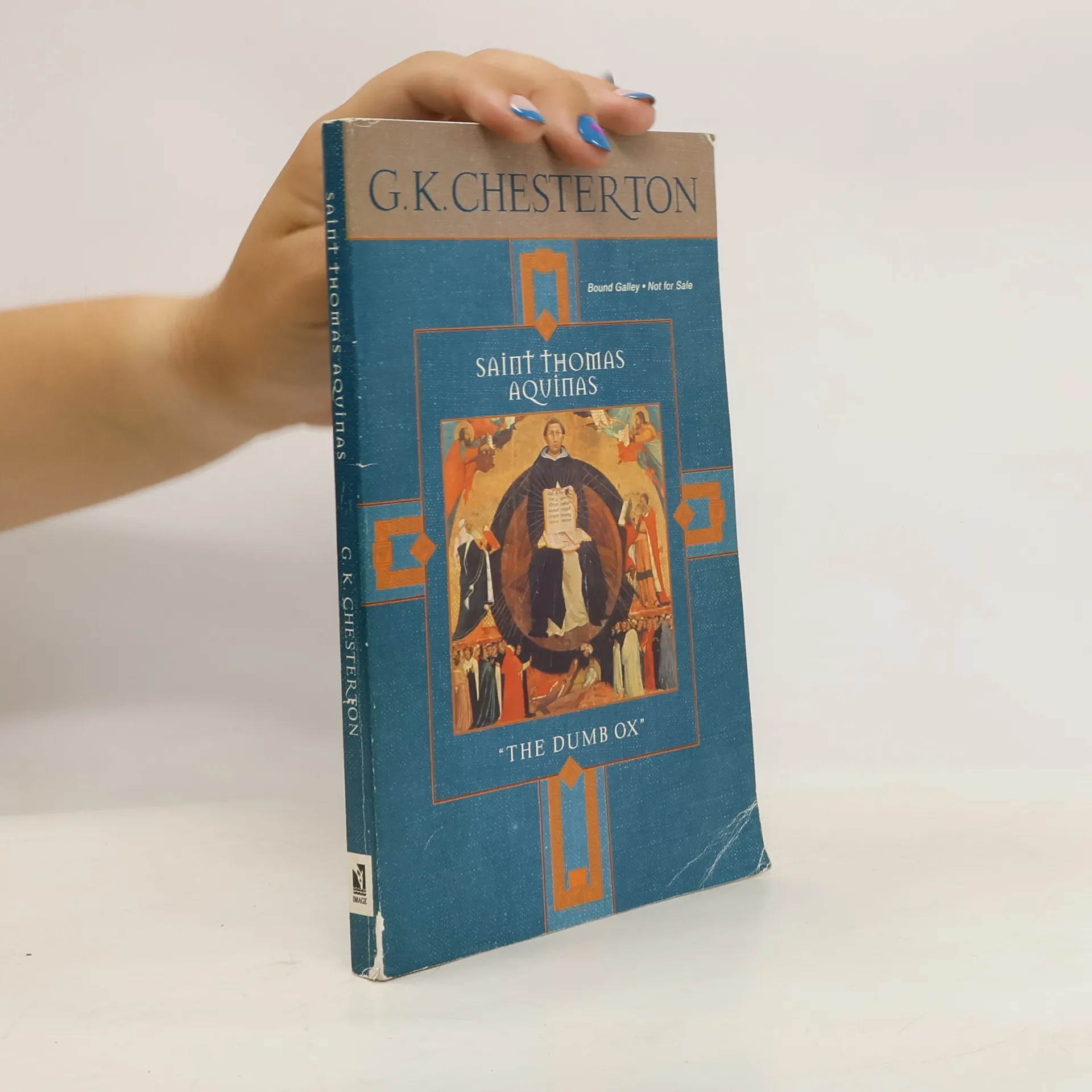
G.K. Chesterton's brilliant sketch of the life and thought of Thomas Aquinas is as relevant today as when it was published in 1933. Then it earned the praise of such distinguished writers as Etienne Gilson, Jacques Martain, and Anton Pegis as the best book ever written on the great thirteenth-century Dominican. Today Chesterton's classic stands poised to reveal Thomas to a new generation.Chesterton's Aquinas is a man of mystery. Born into a noble Neapolitan family, Thomas chose the life of a mendicant friar. Lumbering and shy -- his classmates dubbed him "the Dumb Ox" -- he led a revolution in Christian thought. Possessed of the rarest brilliance, he found the highest truth in the humblest object. Having spent his life amid the vast intricacies of reason, he asked on his deathbed to have read aloud the Song of Songs, the most passionate book in the Bible.As Albert the Great, Thomas's teacher, predicted, the Dumb Ox has bellowed down the ages to our own day. Chesterton's book will enlighten those who would consign Thomas to the obscurity of medieval times. It will confound those who would use Thomas to bolster arid schemes of Christian rationalism. Rather, it will introduce the wondrous mystery of the man who, after a life of unparalleled genius, was seized by a vision of the Unknown and said, "I can write no more. I have seen things which make all my writings like straw."
Image Classics - 5: Introduction to the Devout Life
- 315bladzijden
- 12 uur lezen
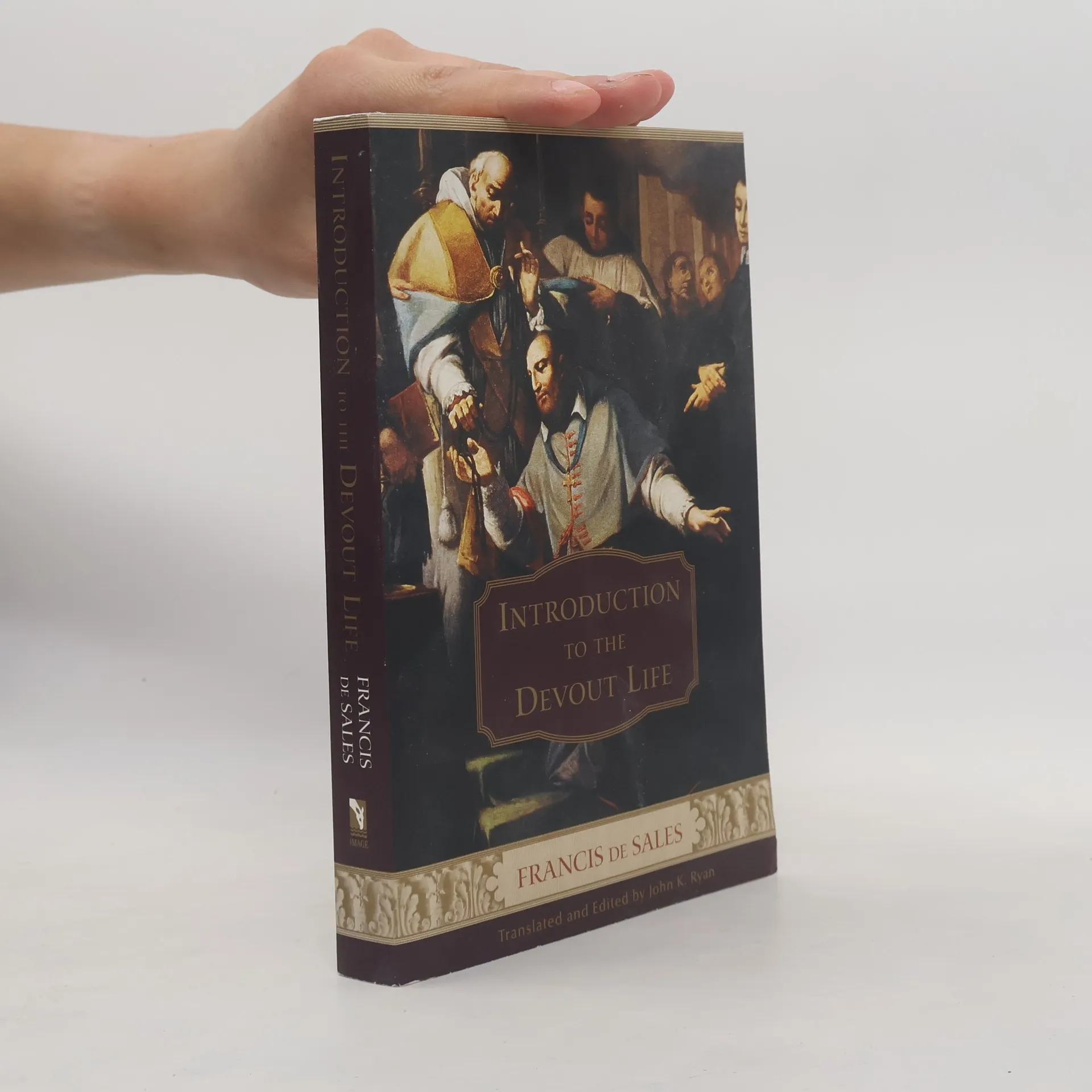
Francis de Sales's Introduction to the Devout Life has remained a uniquely accessible and relevant treasure of devotion for nearly four hundred years. As Bishop of Geneva in the first quarter of the seventeenth century, Francis de Sales saw to the spiritual needs of everyone from the poorest peasants to court ladies. The desire to be closer to God that he found in people from all levels of society led him to compile these instructions on how to live in Christ. Francis's compassionate Introduction leads the reader through practical ways of attaining a devout life without renouncing the world and offers prayers and meditations to strengthen devotion in the face of temptation and hardship.
Kritiky velikánů české literatury - V Vančury, K. Čapka, F. Halase, K Schulze aj.
Posmrtně vydaná sbírka kázání, jedna z nejčtenějších knih středověku.
![Stavitelé věží : [Literární studie]](https://rezised-images.knhbt.cz/1920x1920/349501.webp)