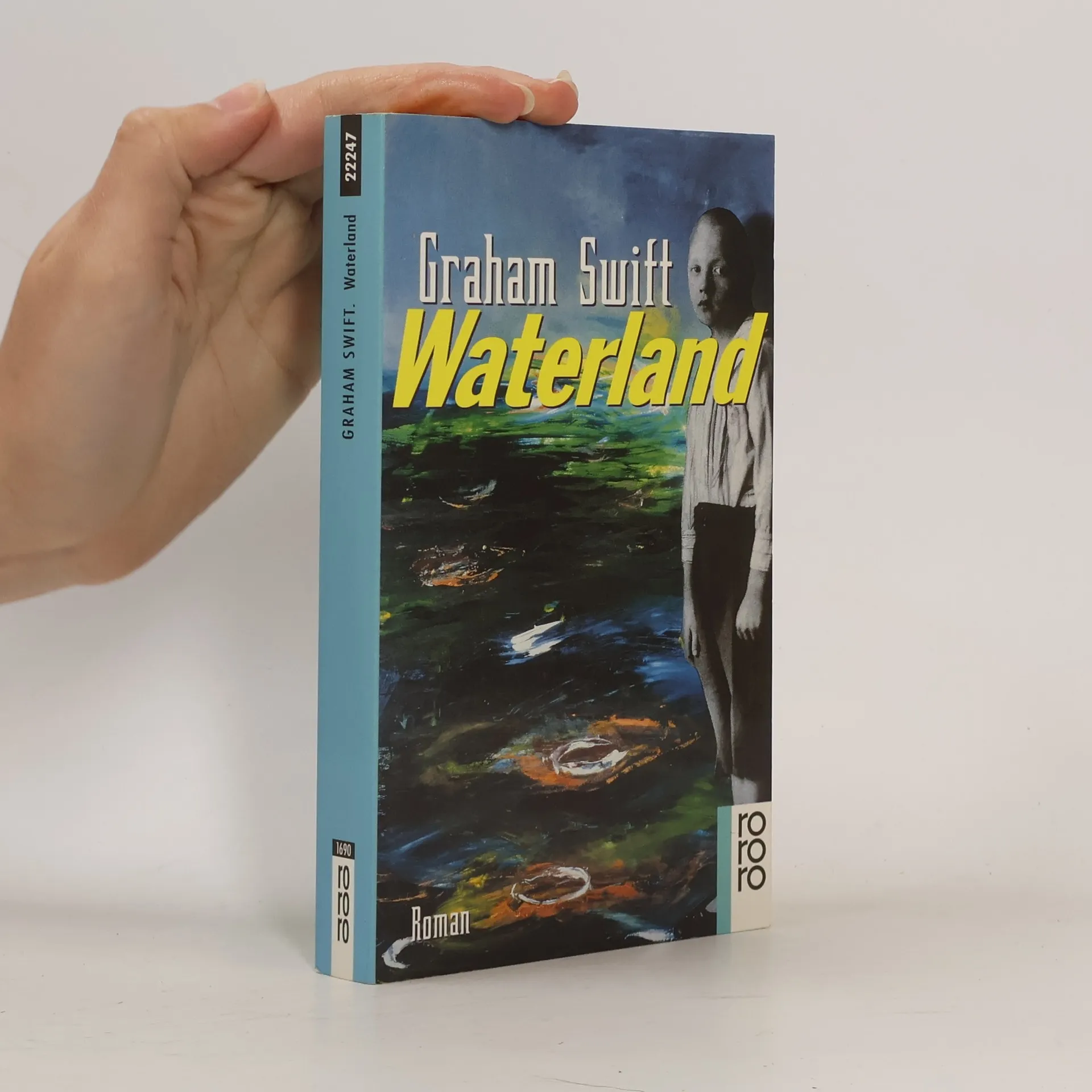
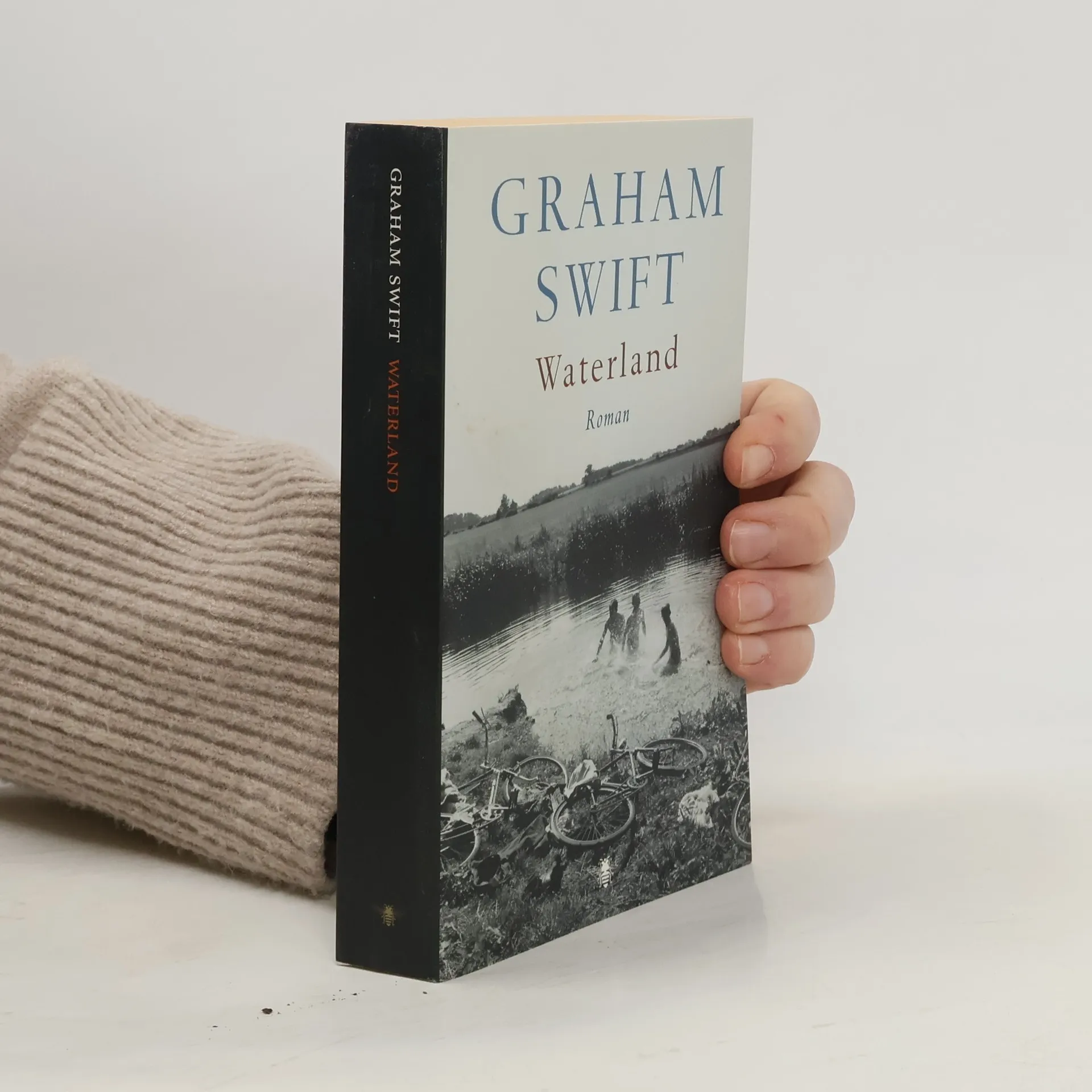
Waterland
- 391bladzijden
- 14 uur lezen
Een geschiedenisleraar vertelt in zijn lessen over zijn voorouders: dijkwerkers en brouwers.


Graham Swift is een Britse auteur, bekend om zijn diepgaande verkenningen van de Engelse geschiedenis, het geheugen en de identiteit. Zijn proza wordt vaak omschreven als lyrisch en reflectief, waarbij verleden en heden naadloos in elkaar overvloeien. Swift duikt meesterlijk in thema's als familie, verlies en de zoektocht naar betekenis in een veranderende wereld. Zijn werken bieden diepe inzichten in de menselijke conditie en de complexiteit van het nationale erfgoed.


Een geschiedenisleraar vertelt in zijn lessen over zijn voorouders: dijkwerkers en brouwers.
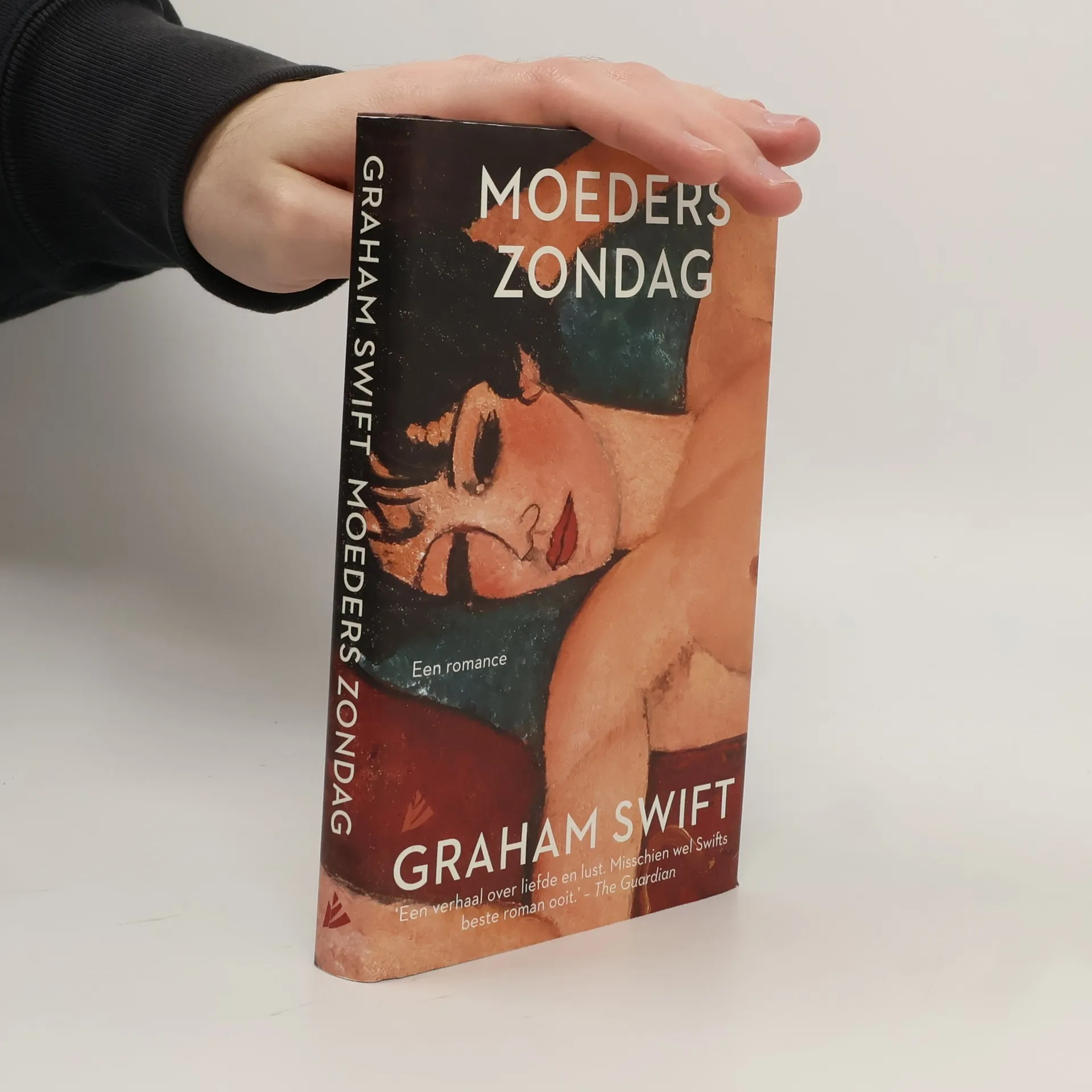
Het is 30 maart 1924, Moeders Zondag. Het is de dag waarop al het huispersoneel vrijaf krijgt voor familiebezoek. Jane Fairchild is een dienstmeisje dat als kind te vondeling is gelegd. Hoe zal zij deze dag doorbrengen? Zij heeft immers geen moeder om te bezoeken. Hoe zal de rest van haar leven zich ontvouwen, na de gebeurtenissen van deze dag – een dag om nooit meer te vergeten? Het verrassende, diep ontroerende levensverhaal van een jonge vrouw vormt het hart van dit briljante boek – Graham Swift op zijn allerbest.
Als een Engelse campingeigenaar bericht krijgt dat zijn broer als militair in Irak is gesneuveld, denkt hij terug aan zijn jeugd die zij samen op de familieboerderij hebben doorgebracht.
Brand New!! Re-check ISBN before Purchase
Cambridge Literature is a series of literary texts edited for study by students aged 14–18 in English-speaking classrooms. It will include novels, poetry, short stories, essays, travel-writing and other non-fiction. The series will be extensive and open-ended and will provide school students with a range of edited texts taken from a wide geographical spread. It will feature writing in English from various genres and differing times. Learning to Swim by Graham Swift is edited by Richard Hoyes, Head of Sixth Form at Farnham College.
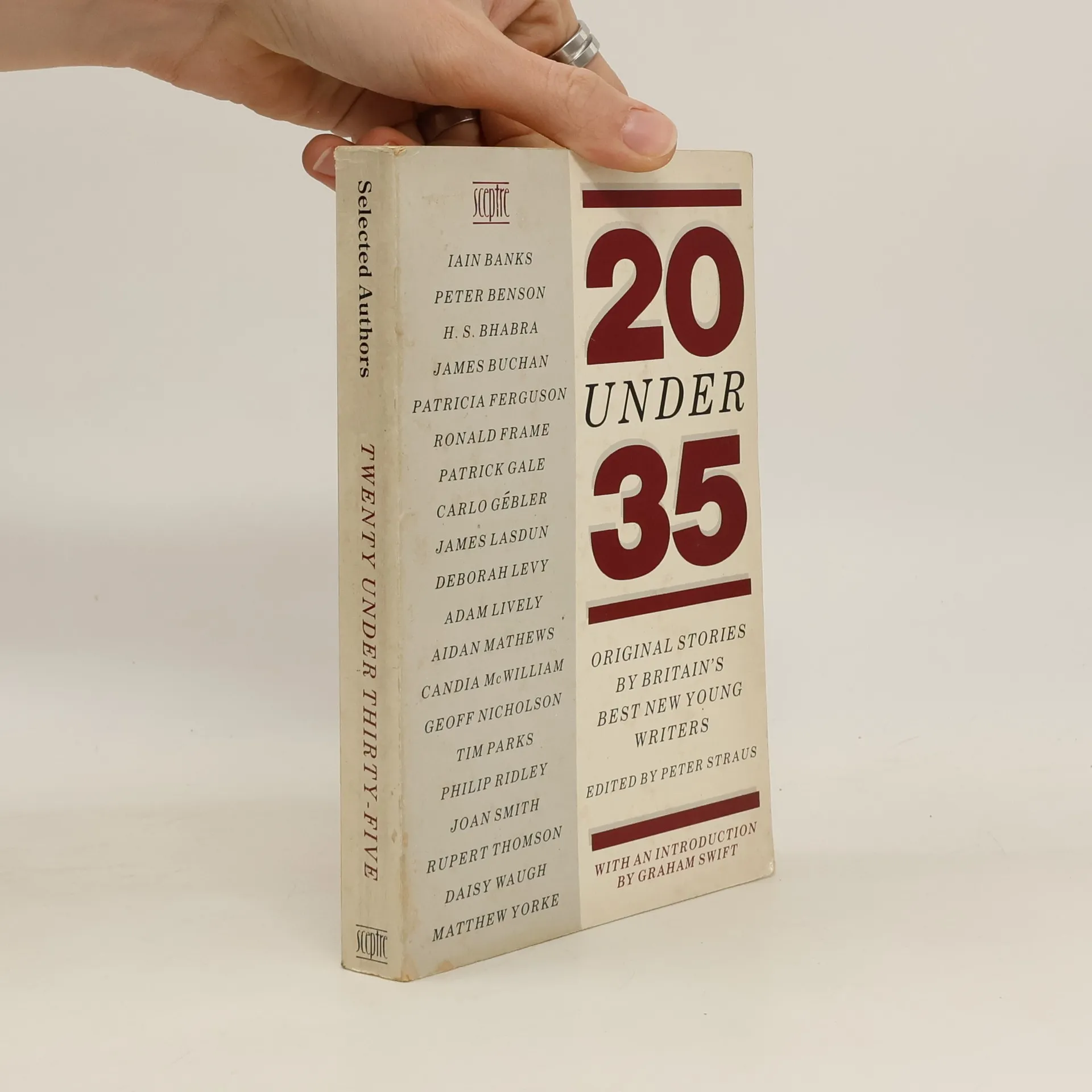
A collection of short stories by young British writers, this provides an introduction to the work of Iain Banks, Peter Benson, H.S. Bhabra, James Buchan, Patricia Ferguson, Ronald Frame, Patrick Gale, Carlo Gebler, James Lasdun, Deborah Levy, Adam Lively, Aidan Mathews, Candia McWilliam, Geoff Nicholson, Tim Parks, Philip Ridley, Joan Smith, Rupert Thomson, Daisy Waugh and Mathew Yorke. Many of these have already received critical acclaim. The collection is introduced by Graham Swift, author of "Waterland" and "Out of this World".
'Graham Swift has shown that he has an authority - of style, characterization, grasp of life. These concentrated enigmatic stories address their subjects with such intelligent conviction and clarity that their ambiguities are not left to be stumbled on by the reader, but are challengingly displayed. They are like James's stories in the way they apply an almost scientific analytical cleverness to the things in life which are forever vague, painful or imponderable' Times Literary Supplement 'The ties that bind people, the good and bad things they do to each other, the happiness, embarrassment and the pain that they cause their friends, their partners, their children - these are Graham Swift's chief concerns. He has a wide range; he can be delicately sensitive or outrageously funny. He is a born storyteller' Daily Telegraph
Set in Southeast England, friendship and love among a group of men whose lives have been intertwined since World War II. When one dies, the survivors are brought together and are forced to take stock of the paths their lives have taken, by choice and by accident, since the war. Winner of the 1996 Booker Prize.
Harry Beech, an aerial photographer, surveys his scarred memories - his career as a photojournalist, abruptly terminated; the death by terrorists of his father, and his marriage. Meanwhile, his daughter, Anna, tries to piece together the fragments of her life.
A collection of new stories from the Booker Prize-winning author of Last Ordersand Waterland
On a midsummer's night Paula lies awake, Mike, her husband of twenty-five years asleep beside her, her two teenage children, Nick and Kate, sleeping in nearby rooms. The next day, she knows, she will reveal a secret that will redefine all their lives
Bill Unwin, in his 50s, looks back over his life and past. From his university rooms, he studies old family diaries from the mid-Victorian era. Excerpts from the diaries throw light on his own life - his feelings of hurt, revenge and family betrayal.
Prentis, the narrator of this nightmarish novel, catalogs "dead crimes" for a branch of the London Police Department and suspects that he is going crazy. His files keep vanishing. His boss subjects him to cryptic taunts. His family despises him. And as Prentis desperately tries to hold on to the scraps of his sanity, he uncovers a conspiracy of blackmail and betrayal that extends from his department and into the buried past of his father, a war hero code-named "Shuttlecock"--and, lately, a resident of a hospital for the insane.
In the sweet shop Willy Chapman was free, absolved from all responsibility, and he ran his sweet shop like his life - quietly, steadfastly, devotedly. It was a bargain struck between Chapman and his beautiful, emotionally injured wife - a bargain based on unexpressed, inexpressible love and on a courageous acceptance of life's deprivation.
The extraordinary new novel from the author of Mothering Sunday and winner of the Booker Prize
Sarah is in prison. Every fortnight she is visited by George, the private eye she employed to observe the final stage of her husband's affair. The visits - and the days between - lead George back into Sarah's past and into events he can picture only too well
Inmitten eines Sturms reflektiert Jack Luxton über seine Ehe, Familie und die Herausforderungen seiner Zeit. Die Geschichte untersucht, wie gesellschaftlicher Wandel das menschliche Wesen beeinflusst und die Grundlagen der Existenz erschüttert und neu gestaltet.
In London des Jahres 1977 lebt und arbeitet Mr. Prentis, der 32jährige Archivar einer Polizeiabteilung. Er ist mit seinem Leben unzufrieden. Tagsüber fühlt er sich von seinem Chef beobachtet und gequält, abends reizt ihn das Verhalten von Kindern und Frau, so daß er am liebsten zuschlagen möchte, bissartig wird, wo er Liebe bezeigen will. Prentis ahnt, daß sein Leben von Gründen beeinflußt wird, die in tieferen Regionen liegen
Fens, nízko položená oblasť východného Anglicka. Odvodnená krajina, ktorú kedysi tvorila voda a ktorá ešte ani dnes nie je celkom pevnou zemou. Realizmus, fatalizmus, flegma. To je krajina, do ktorej autor zasadil svoj sugestívny príbeh. Swift skonštruoval svoje dielo na troch hlavných rovinách. Prvú tvoria osobné zážitky hrdinu Toma, podávané ako spomienky na mladosť, na roky dospievania a prvé erotické zážitky s dcérou miestneho farmára ústiace v tragédiu zapríčinenú slabomyseľnosťou jeho staršieho brata Dicka. V druhej rovine sa autor zamýšľa nad zmyslom dejín, nad ich výkladom a postojom človeka k nim. V tretej rovine je to fascinujúca a bohatá história Fens, ako sa odráža na osudoch dvoch rodín, sedliackej a podnikateľskej, a na životných príbehoch typických postáv, dopĺňajúci miestny kolorit. Realistický obraz života zaostalého kraja, izolovaného od ostatného sveta, je spestrený iróniou a miestami priam šibeničným humorom.
Topielec w śluzie, czarownica na bagnach, piwo przyprawiające o szaleństwo... Kraina wód to książka wielopoziomowa: saga rodzinna, naznaczona kazirodztwem, morderstwem, samobójstwem; powieść detektywistyczna i powieść o dojrzewaniu; filozoficzna medytacja na temat historii rozumianej jako próba oswojenia rzeczywistości. Różnorodne wątki splatają się w spójną całość w narracji Toma Cricka, niekonwencjonalnego nauczyciela historii, opowiadającego uczniom o wydarzeniach z własnej młodości i dwustuletnich dziejów swojej rodziny, rozgrywających się na wschodnioangielskich Fenach, w „krainie wód" i moczarów, legend i przesądów.