

A radical travel guide to Paris through art, literature and revolution.
Eric Hazan Boeken


A kaleidoscopic look at Paris's ever-changing forms and people
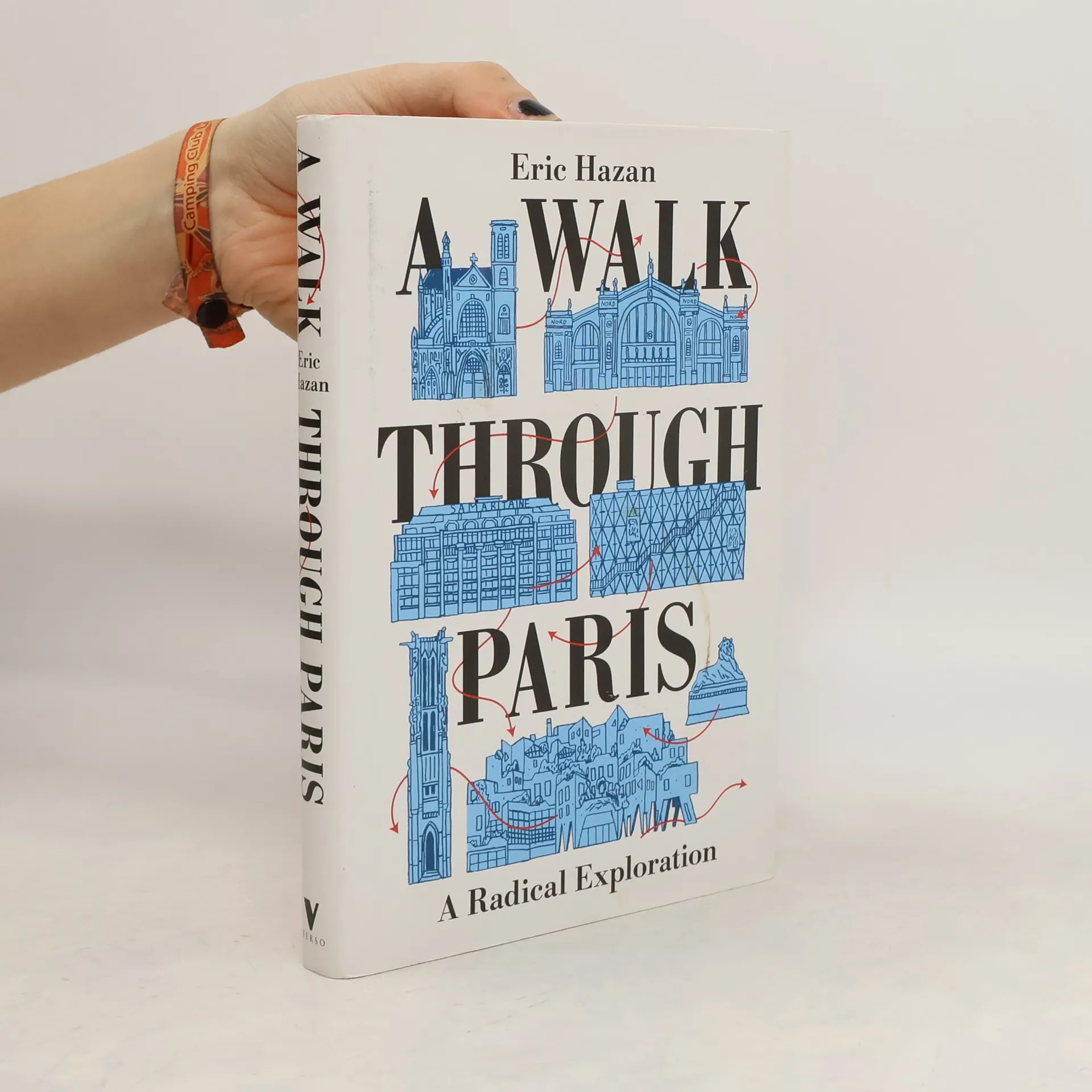
A Walk Through Paris
- 198bladzijden
- 7 uur lezen
Eric Hazan's elegant, characteristically learned account of his journey through contemporary Paris, written in a tone both intimate and authoritative, is at once a companionably unhurried evocation of the city's rich, radical past and-at a time when capital is dramatically reorganizing its topography-a bracingly urgent intervention in debates about the city's future. As André Breton might have observed, there really are no lost steps here. -Matthew Beaumont, author of Nightwalking Praise for The Invention of Paris: This is a wondrous book, either to be read at home with a decent map, or carried about sur place through areas no tourists bother with. -Adam Thorpe, Guardian Hazan is all business. He trudges through Paris street by street, quoting what Balzac, Hugo, Baudelaire or Kafka said about a particular spot, pointing out where barricades were once erected and thieves gathered for drinks. -Donald Morrison, Financial Times Hazan's brick-by-brick account of the city's history of strife and political posturing is riveting. -Publishers Weekly Hazan wants to rescue individual moments from general forgetting and key sites from the bland homogenization of international city development; he is also a passionate left-wing historian seeking to rescue the truth of Paris's revolutionary past. -Julian Barnes, London Review of Books
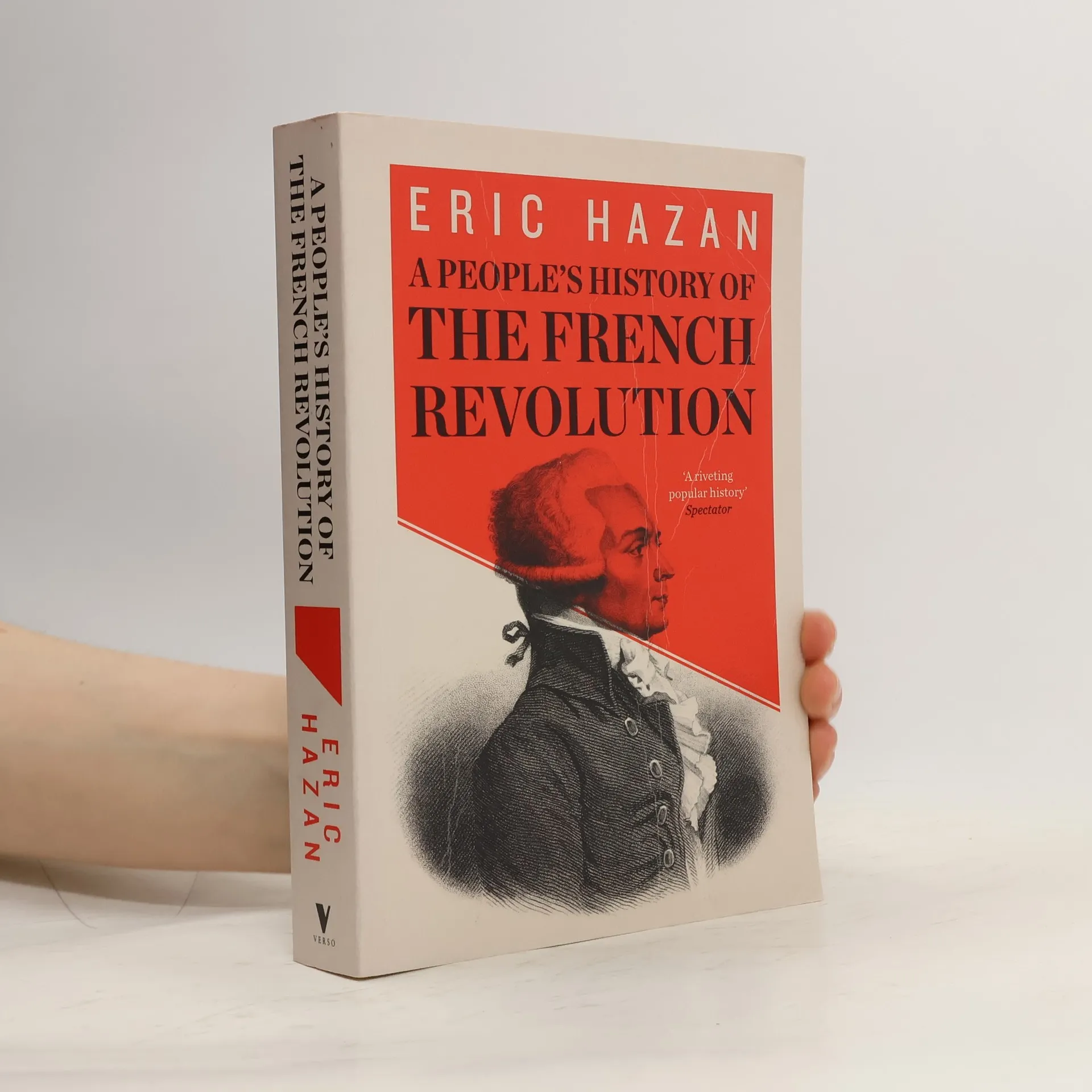
A People's History of the French Revolution
- 432bladzijden
- 16 uur lezen
Discover French history as you’ve never read it before in this bold account of the French Revolution from the perspective of the lower classes. This blow-by-blow narrative busts pervasive myths and reveals how the French Revolution shaped the Western world. The assault on the Bastille, the Reign of Terror, Danton mocking his executioner, Robespierre dispensing a fearful justice, and the archetypal gadfly Marat—the events and figures of the French Revolution have exercised a hold on the historical imagination for more than 200 years. It has been a template for heroic insurrection and, to more conservative minds, a cautionary tale. In the hands of Eric Hazan, author of The Invention of Paris, the revolution becomes a rational and pure struggle for emancipation. In this new history, the first significant account of the French Revolution in over twenty years, Hazan maintains that it fundamentally changed the Western world—for the better. Looking at history from the bottom up, providing an account of working people and peasants, Hazan asks, how did they see their opportunities? What were they fighting for? What was the Terror and could it be justified? And how was the revolution stopped in its tracks? Hazen offers a vivid retelling of events, bringing them to life with a multitude of voices. Only through the people can we fully understand the legacy of French Revolution.
How the French invented the barricade, and its symbolic impact on popular protests throughout history In the history of European revolutions, the barricade stands as a glorious emblem. Its symbolic importance arises principally from the barricades of Eric Hazan’s native Paris, where they were instrumental in the revolts of the nineteenth century, helping to shape the political life of a continent. The barricade was always a makeshift construction (the word derives from barrique or barrel), and in working-class districts these ersatz fortifications could spread like wildfire. They doubled as a stage, from which insurgents could harangue soldiers and subvert their allegiance. Their symbolic power persisted into May 1968 and, more recently, the Occupy movements. Hazan traces the many stages in the barricade’s evolution, from the Wars of Religion through to the Paris Commune, drawing on the work of thinkers throughout the periods examined to illustrate and bring to life the violent practicalities of revolutionary uprising.
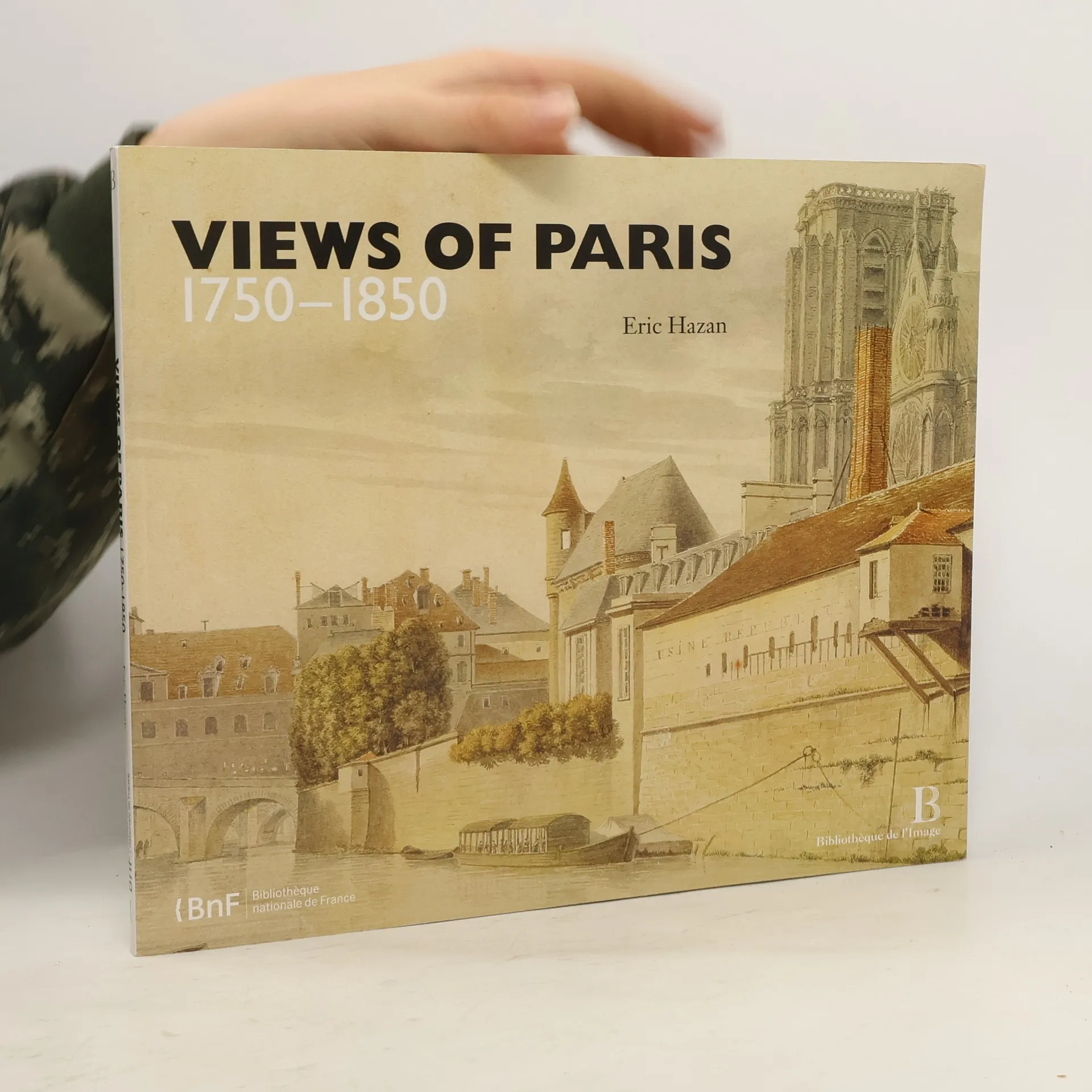
Views of Paris, 1750-1850
- 87bladzijden
- 4 uur lezen
In this book, the Parisian writer Eric Hazan takes you for a stroll through Paris as it was for his famous forebears Balzac, Stendhal, Hugo, and Nerval. A Paris that sparkles in the fresh, airy watercolours and drawings collected by the architect Destailleur, now housed in the Prints and Photographs Department of the Bibliothèque Nationale de France. Despite the city's enduring medieval look, the Paris illustrated here is stirred by a revolutionary spirit, a city that crowned emperors and twice restored the monarchy.This is the capital as it was before Haussmann's major transformations: from the Marais and the Latin Quarter to the Faubourg Saint-Germain and the Palais Royal, from the Pont des Arts and the Pont Neuf to the theatres on the Boulevards and the Louvre. In these views, the inhabitants ride about on horses or fish in the Seine, flounder in muddy streets, or sit outside in one of the newfangled sidewalk cafés to watch the world go by.
Exploring Paris arm in arm with Balzac, nineteenth-century France's most famous novelist and observer
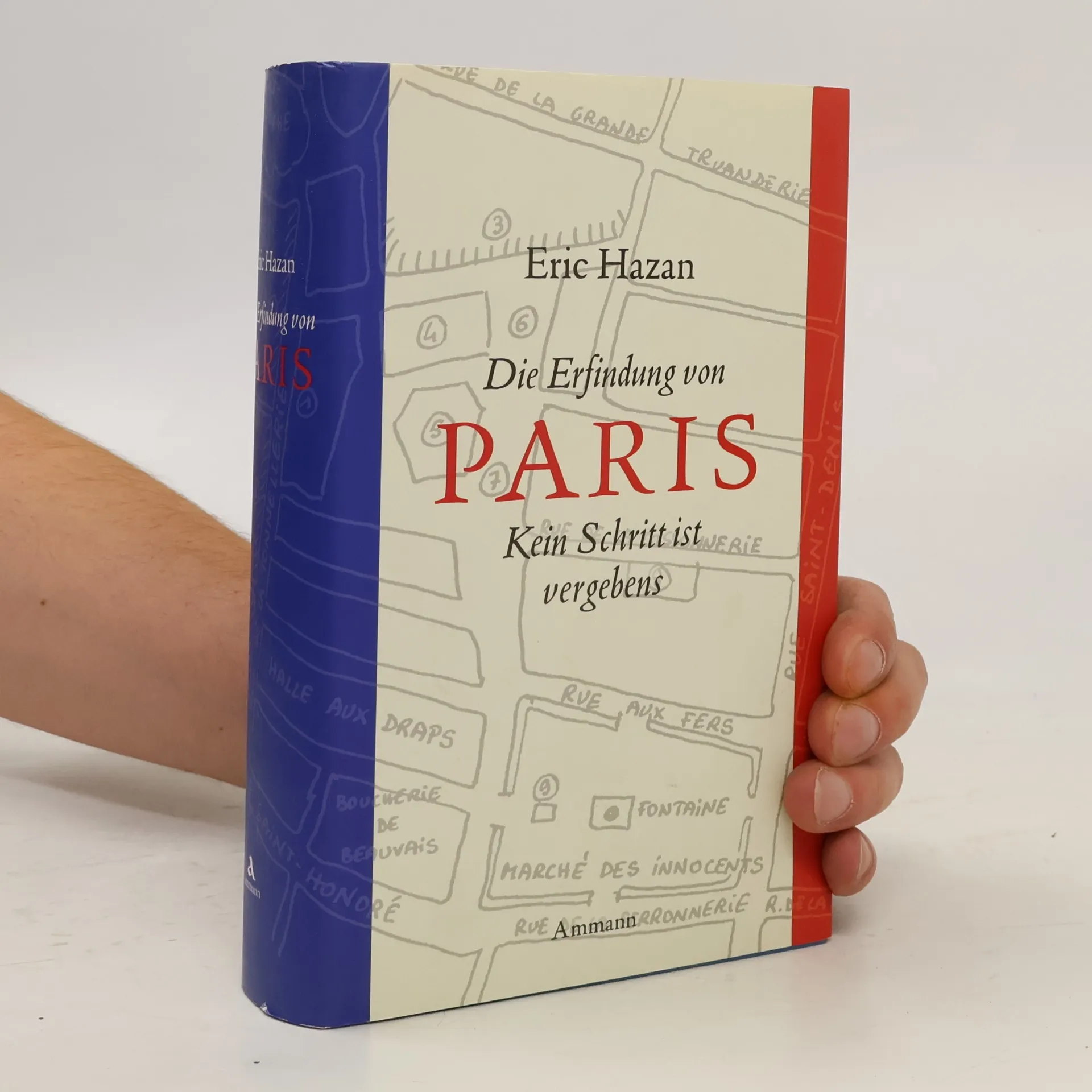
Die Erfindung von Paris
- 631bladzijden
- 23 uur lezen
Quartier Latin, Jardin de Luxembourg und Place Vendome... Namen, die dem Neuankömmling alles verheißen und dem Eingeweihten Bilder, Gerüche und Töne ins Gedächtnis bringen. Jeder kann sich verzaubern lassen von Eric Hazans Streifzug durch Paris. Er erforscht die Quartiers, jedes für sich, bis ins kleinste Detail, und ruft auch die Figuren hinzu, die sonst nur zwischen Buchdeckeln die Stadt bevölkern oder vor Jahrhunderten die Straßen durchwanderten. Folgt man ihm, stellt sich die Frage, wie viele verschiedene Städte es eigentlich sind, die unter dem einen Namen Paris einhergehen. Das Paris Doisneaus, das von Degas, von Proust, Balzac, Haussmann und Eiffel? Das"Rote Paris"des Mai 1968 und das Paris der Französischen Revolution? Eric Hazan kennt sie alle. Schicht für Schicht legt er sie frei und zeigt, wie Paris gewachsen ist, wie es zerstört wurde und sich auch heute noch Tag um Tag verändert, nicht nur dort, wo sich die multikulturelle Metropole über die beschaulichen Dörfer am Rande wälzt - die Stadt als lebender Organismus und Schauplatz menschlichen Lebens zugleich. Hazans Erfindung von Paris ist eine ebenso kluge wie unterhaltsame Kultur- und Sozialgeschichte, das Porträt einer Stadt in Bewegung und ein expliziter Kontrapunkt zu allen Versuchen ihrer Musealisierung.
