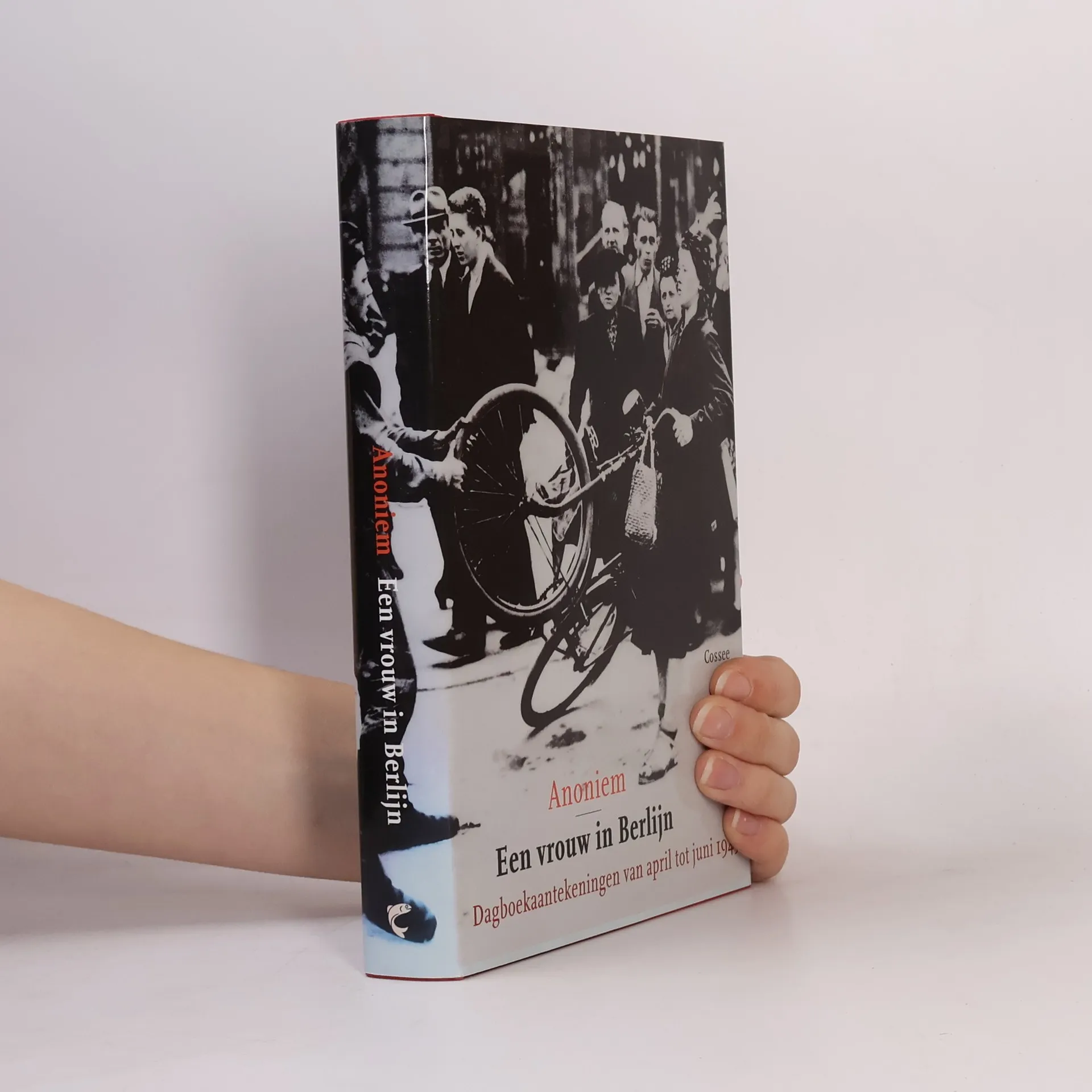
Een vrouw in Berlijn
- 283bladzijden
- 10 uur lezen


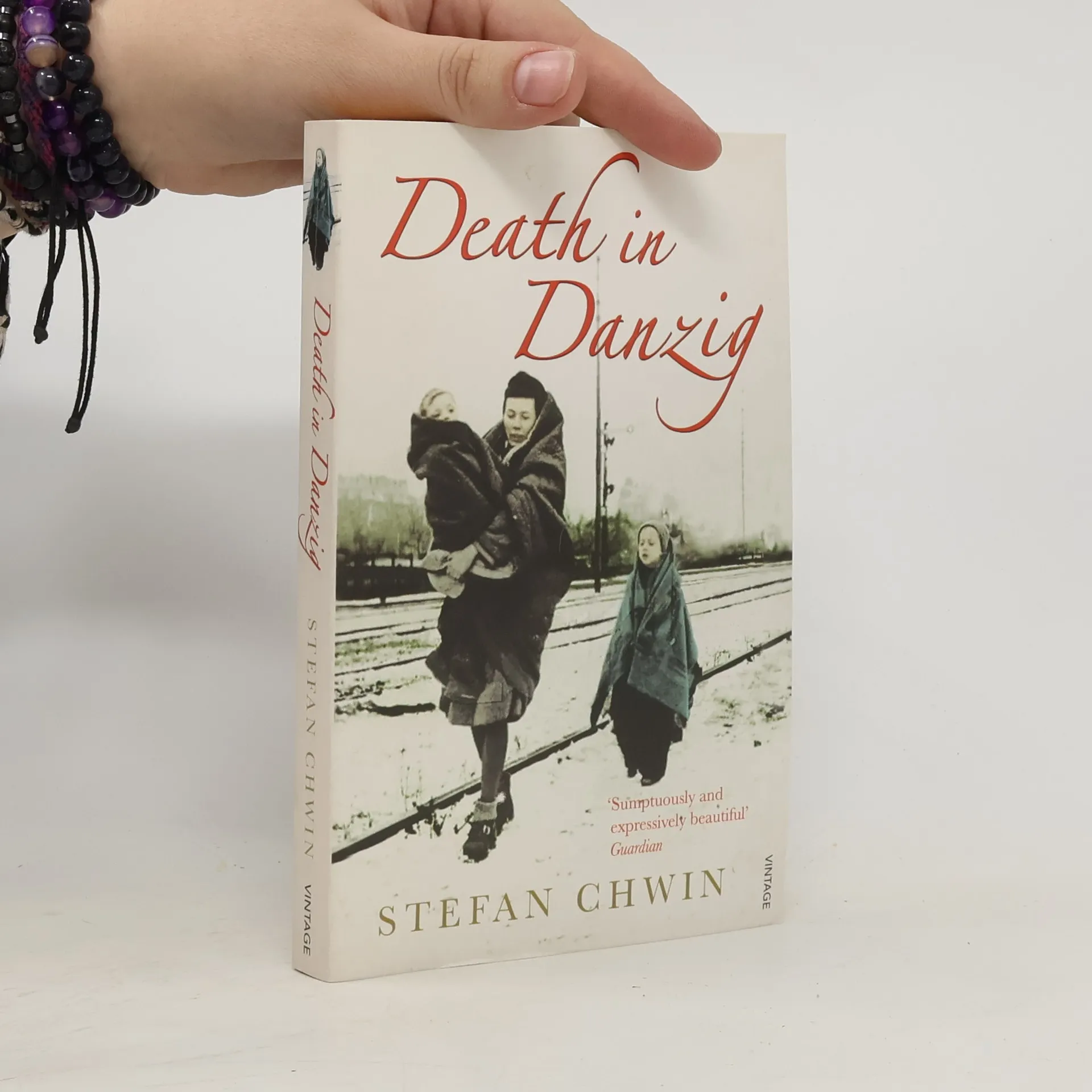
A moving portrait of people in transition - between old and new, life and death. Germans flee the besieged city of Danzig in 1945. Poles driven out of eastern regions by the Russians move into the homes hastily abandoned by their previous inhabitants. In an area of the city graced with beech trees and a stately cathedral, the stories of old and new residents intertwine: Hanemann, a German and a former professor of anatomy, who chooses to stay in Danzig after the mysterious death of his lover; the Polish family of the narrator, driven out of Warsaw; and a young Carpathian woman who no longer has a country, her cheerful nature concealing deep wounds. Through his brilliantly defined characters, stunning evocation of place, and memorable description of remnants of a world that was German but survives in Polish households, Chwin has created a reality that is beyond destruction.
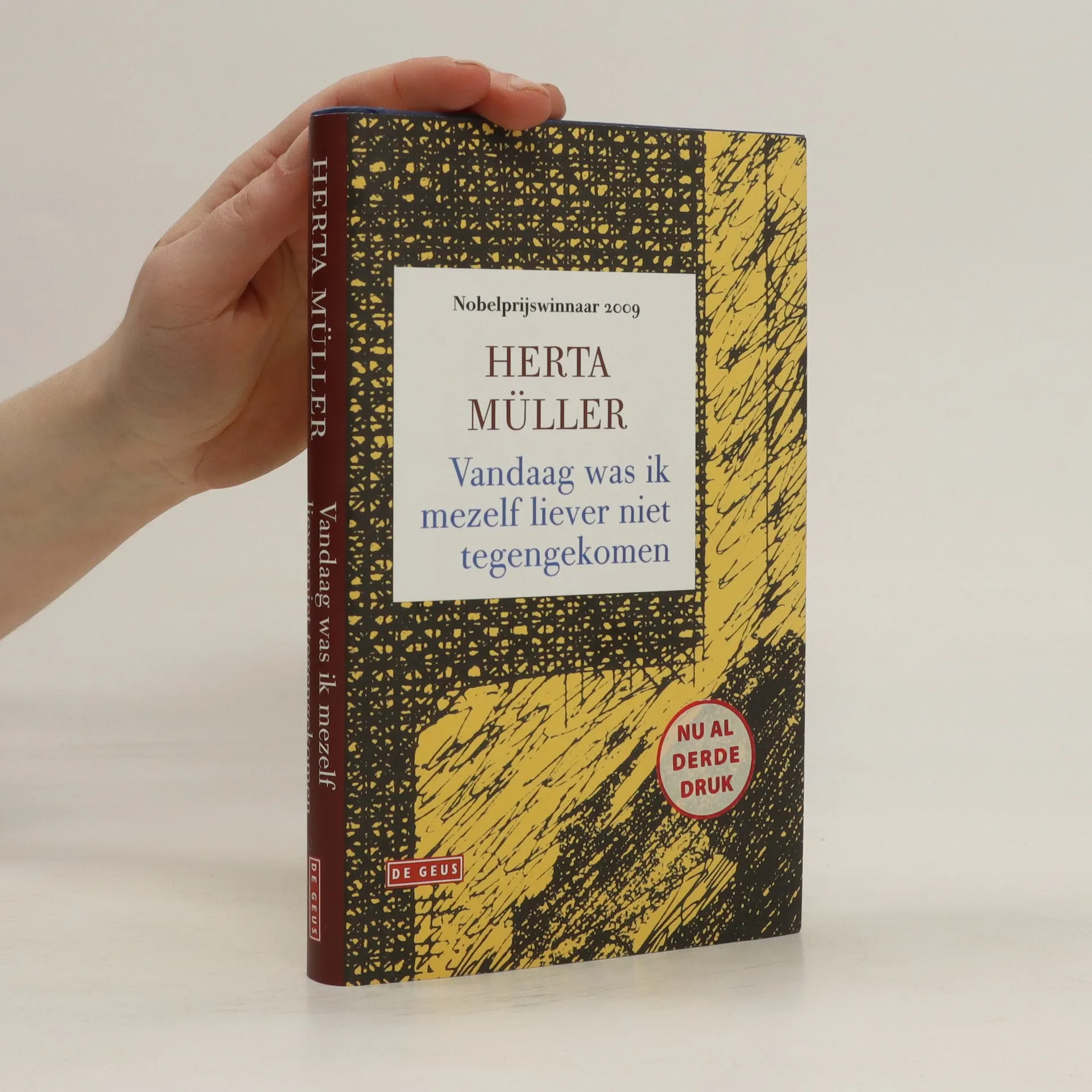
Van de winnaar van de IMPAC Award, een indringende roman over de ontdekking van verraad in het meest intieme deel van het leven van een jonge Roemeense vrouw. "Ik ben opgeroepen. Donderdag, tien uur stipt." Zo begint een dag in het leven van een jonge kledingfabriekwerkster tijdens Ceaușescu's totalitaire regime. Ze is eerder ondervraagd; deze keer gelooft ze dat het erger zal zijn. Haar misdaad? Notities in de voeringen van mannenpakken naaien die naar Italië gaan. "Huwelijk met mij," staat er op de notities, met haar naam en adres. Alles om het land te verlaten. Terwijl ze met de tram naar haar ondervraging rijdt, dwalen haar gedachten af naar haar vriendin Lilli, die werd neergeschoten terwijl ze probeerde naar Hongarije te vluchten, naar haar grootouders, gedeporteerd nadat haar eerste echtgenoot hen had aangegeven, naar majoor Albu, haar ondervrager, die elke sessie begint met een natte kus op haar vingers, en naar Paul, haar minnaar, haar enige bron van vertrouwen, ondanks zijn constante dronkenschap. In haar afleiding mist ze haar halte en komt ze op een onbekende straat terecht. En wat ze daar ontdekt, doet haar angst voor de afspraak verbleken. Herta Müller schetst genadeloos de vernederende angsten van een verstikkend regime. Kraakhelder en intens bevestigt De Afspraak haar status als een van Europa's grootste schrijvers.
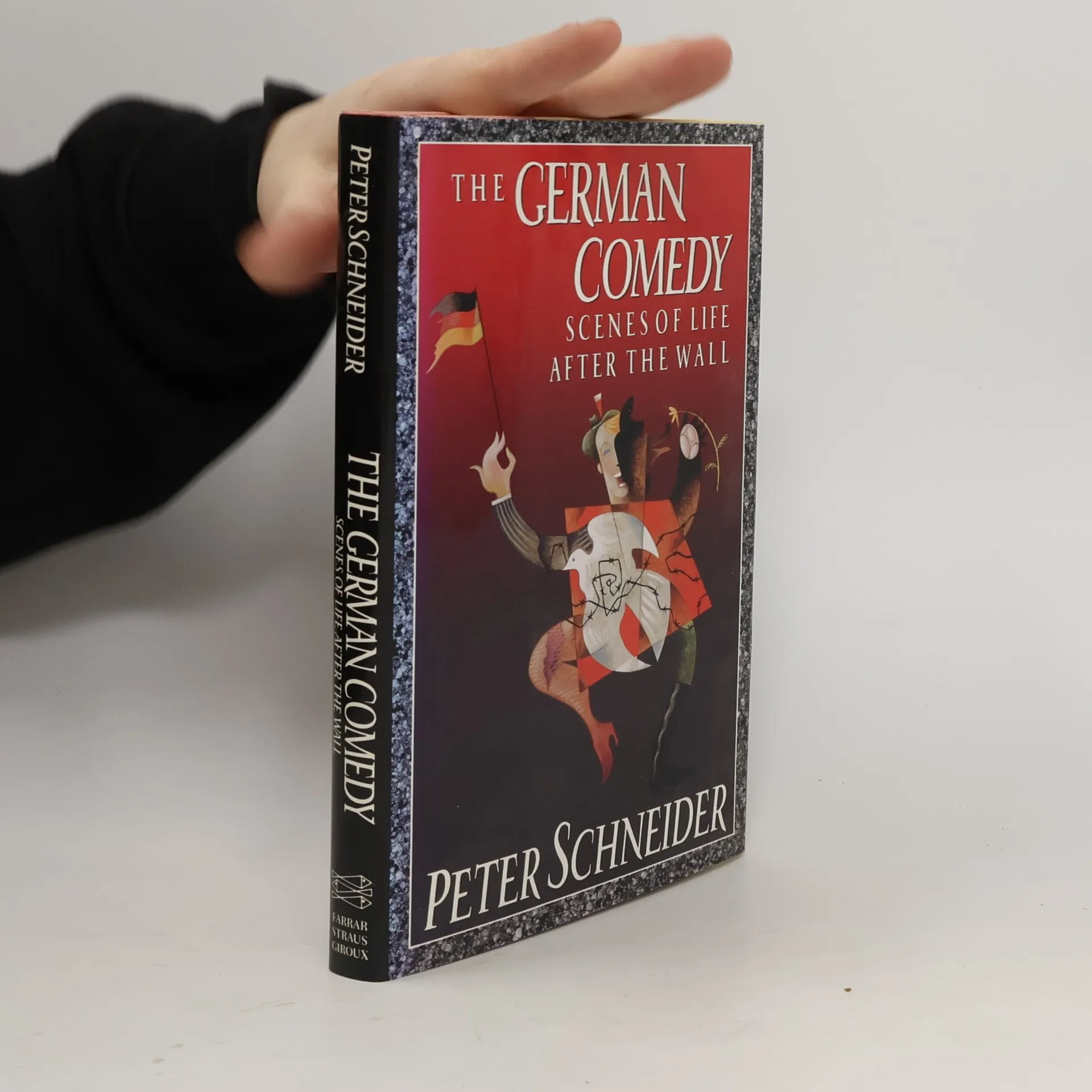
A tour of Germany after reunification provides anecdotes of the West German people, an East German baker, Bavarian yodelers, Stalinist functionaries, and Western capitalists
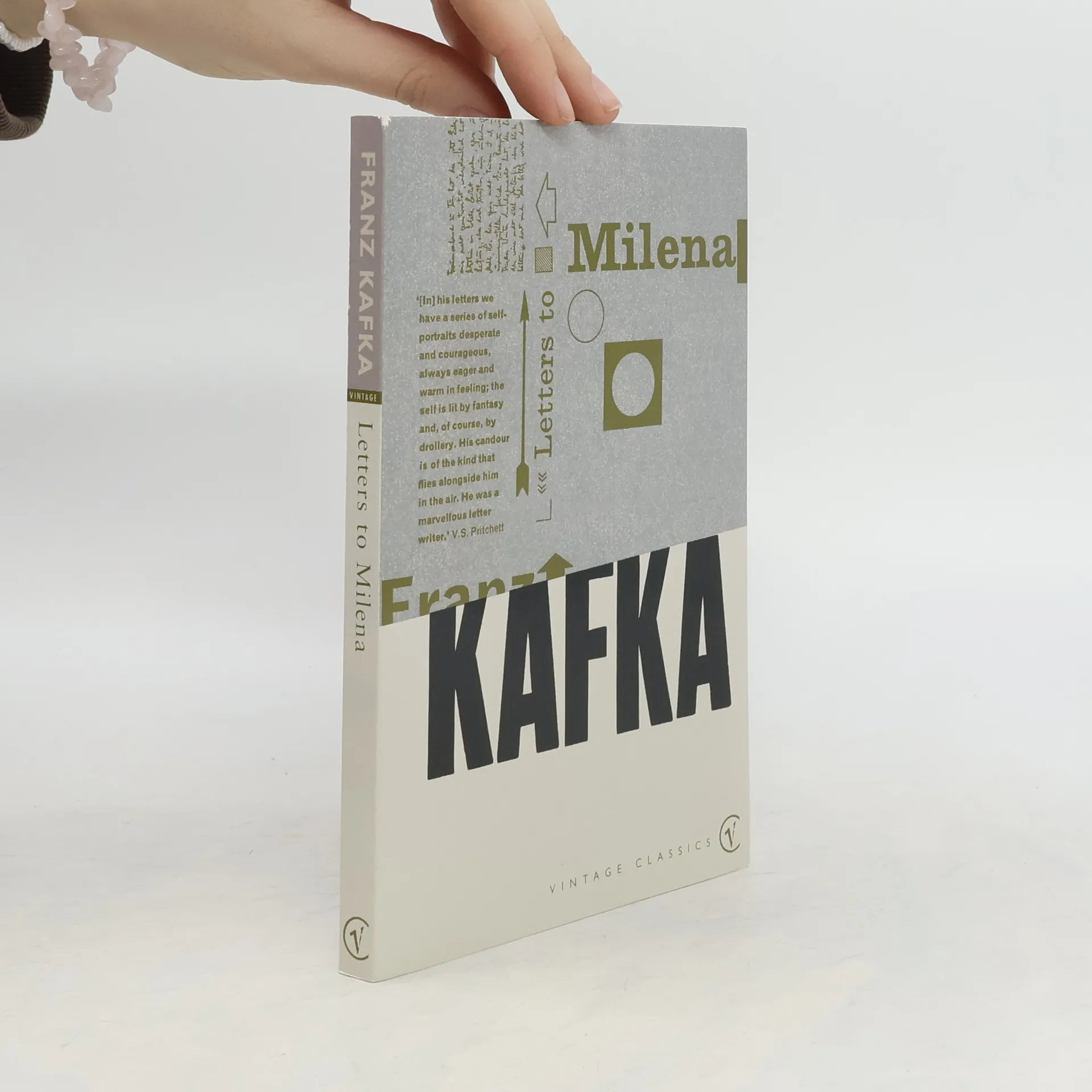
Kafka first made the aquaintance of Milena Jesenska in 1920 when she was translating his early short prose into Czech, and their relationship quickly developed into a deep attachment. Such was his feeliing for her that Kafka showed her his diaries and, in doing so, laid bare his heart and his conscience. Milena, for her part, was passionate and intrepid, cool and intelligent in her decisions but reckless when her emotions were involved. Kafka once described her as living her life 'so intensely down to such depths'. If she did suffer through him, it was part of her great appetite for life. However while at times Milena's 'genius for living' gave Kafka new life, it ultimately exhausted him, and their relationship was to last little over two years. Kafka died in 1944 at the hands of the Nazis - these letters are a moving record of their relationship.