

Bookbot

Martin Hilpert

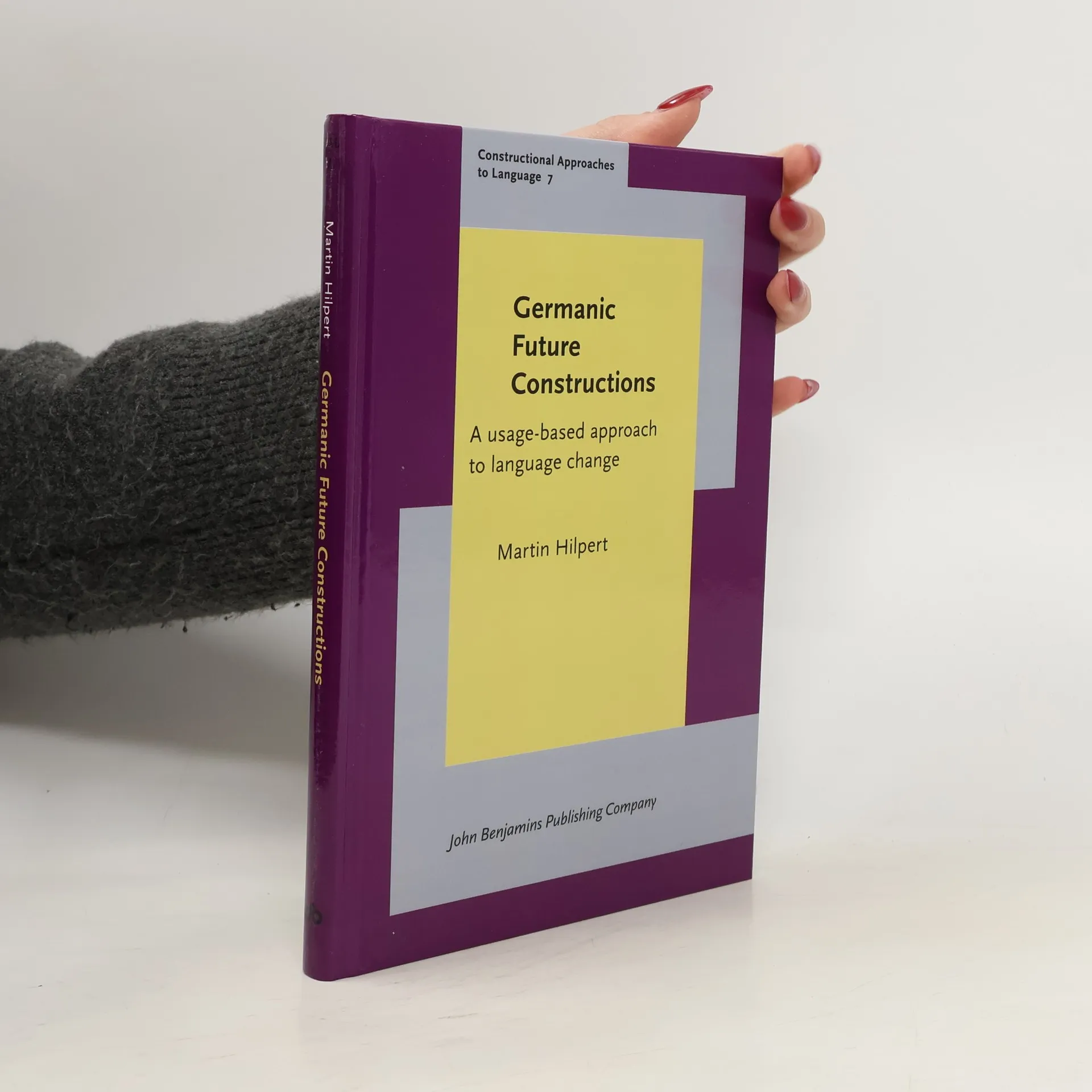
    Constructional Approaches to Language - 7: Germanic Future Constructions
    Construction Grammar and its Application to English
    Constructional Change in English
    • Constructional Change in English

      • 248bladzijden
      • 9 uur lezen
      3,0(2)Tarief

      Martin Hilpert combines construction grammar and advanced corpus-based methodology into a new way of studying language change. Constructions are generalizations over remembered exemplars of language use. These exemplars are stored with all their formal and functional properties, yielding constructional generalizations that contain many parameters of variation. Over time, as patterns of language use are changing, the generalizations are changing with them. This book illustrates the workings of constructional change with three corpus-based studies that reveal patterns of change at several levels of linguistic structure, ranging from allomorphy to word formation and to syntax. Taken together, the results strongly motivate the use of construction grammar in research on diachronic language change. This new perspective has wide-ranging consequences for the way historical linguists think about language change. It will be of particular interest to linguists working on morpho-syntax, sociolinguistics and corpus linguistics.

      Constructional Change in English
    • Construction Grammar explains how knowledge of language is organized in speakers' minds. The central and radical claim of Construction Grammar is that linguistic knowledge can be fully described as knowledge of constructions, which are defined as symbolic units that connect a linguistic form with meaning.

      Construction Grammar and its Application to English
    • Constructional Approaches to Language - 7: Germanic Future Constructions

      A Usage-Based Approach to Language Change

      • 216bladzijden
      • 8 uur lezen

      This study offers a Construction Grammar approach to the historical development and modern usage of future constructions in English, German, Dutch, Danish, and Swedish. On the basis of corpus data, constructions such as English be going to or German werden are analyzed as symbolic units that convey a range of temporal and modal meanings. A special focus lies on the main verbs that occur with these constructions. Statistical co-occurrence patterns between constructions and lexical items guide the semantic analyses in this It is argued that a construction that conventionally occurs with main verbs such as write or speak differs functionally from a construction that typically occurs with verbs such as rain or increase . The same approach is also applied If a construction co-occurs with different main verbs at subsequent stages in time, this is seen as a sign of semantic change.

      Constructional Approaches to Language - 7: Germanic Future Constructions