

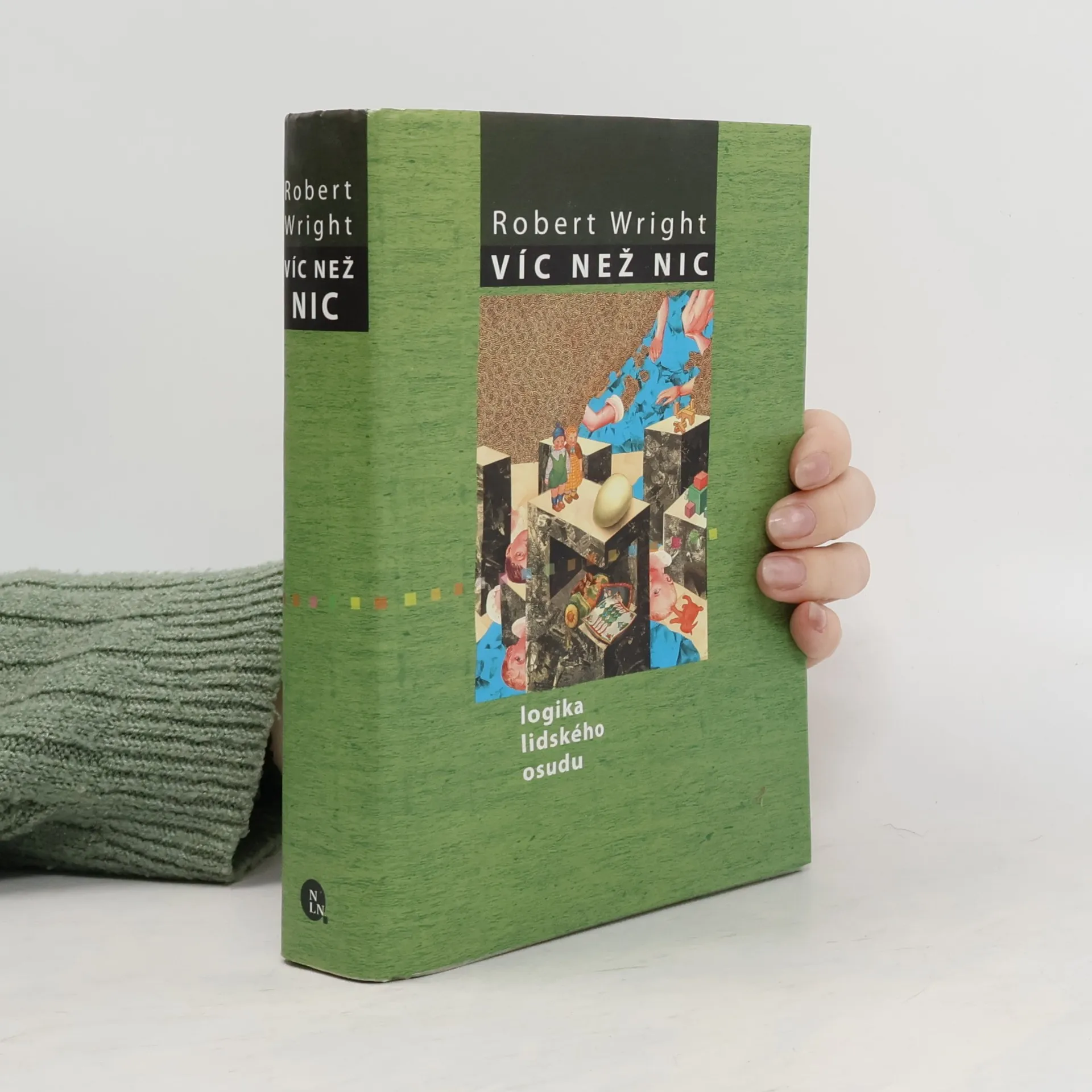
Logika lidského osudu. Na začátku své knihy Víc než nic si Robert Wright dává za úkol „vymezit běh historie života od prvotní zárodečné hmoty až po World Wide Web.“ V široce pojatém a nesmírně zajímavém vyprávění se autorovi daří přesvědčivým způsobem zpochybnit obvykle zastávaný názor, že evoluce a dějiny lidstva nemají žádný cíl. Obratným využitím teorie her, popisu her s „nulovým“ a „nenulovým“ součtem, odhalí sílu stojící za obecným směrem vývoje života, sílu, která biologickou evolucí vytvořila složité, rozumné živočichy a následně prostřednictvím kulturní evoluce vedla lidský druh ke stále rozsáhlejší a složitější stavbě společnosti. Autor tvrdí, že přísně vědecké zhodnocení tří miliardy let trvající historie lidstva může dát dnešku nový duchovní rozměr, a dokonce nabídnout politické rady do budoucna. Víc než nic změní naše myšlení o výhledech lidského rodu.
Antonín Hradilek Boeken

The Diversity of Life
- 424bladzijden
- 15 uur lezen
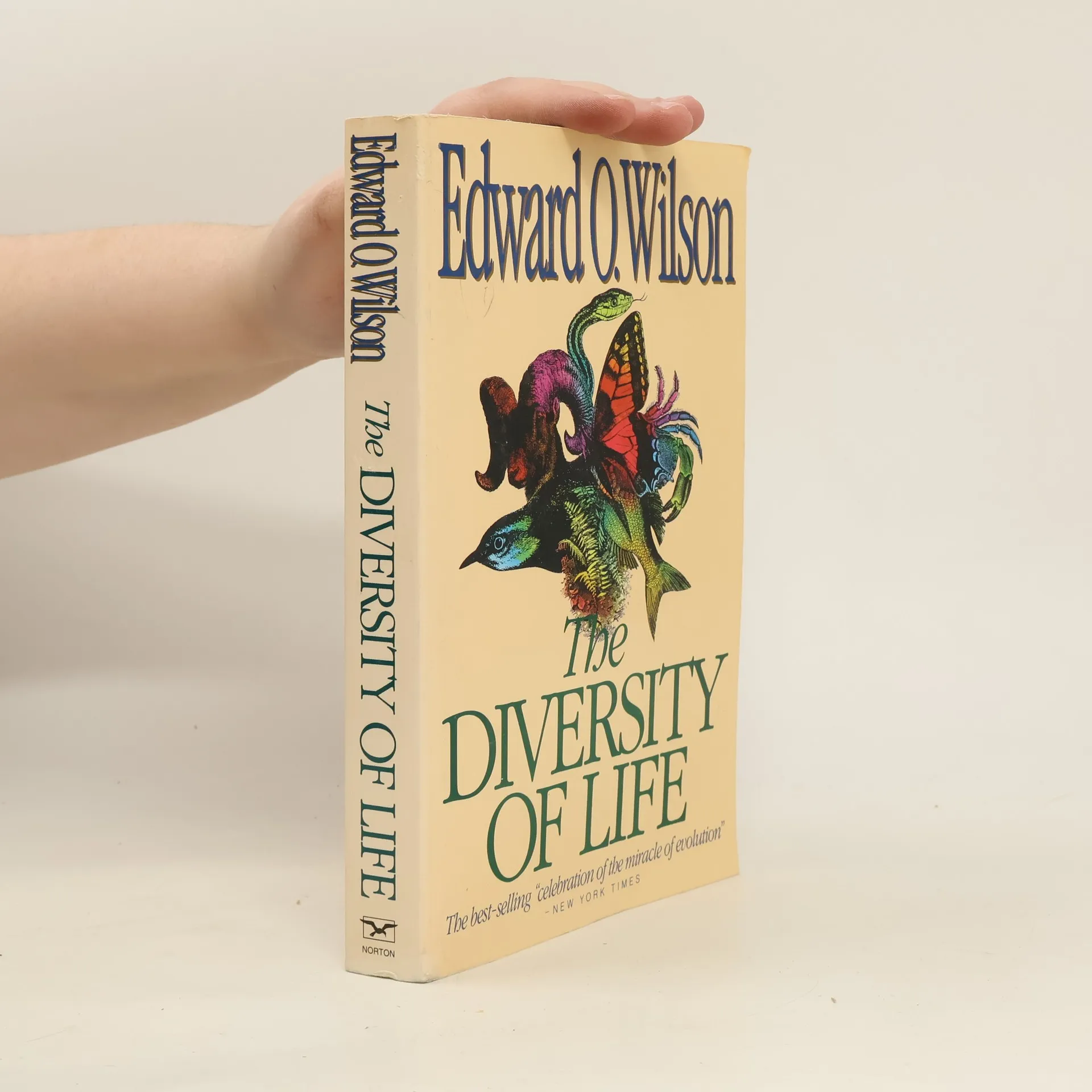
Harvard Professor and two-time Pulitzer Prize winner Edward Wilson takes readers through time--tracing the processes that create new species, the five cataclysmic events that have disrupted evolution over the past 600 million years, and how humans are destroying diversity at a projected rate of 20 percent over the next 30 years.
Margaret Thatcher
- 896bladzijden
- 32 uur lezen
Not For Turning is the first volume of Charles Moore's authorized biography of Margaret Thatcher, the longest serving Prime Minister of the twentieth century and one of the most influential political figures of the postwar era. Charles Moore's biography of Margaret Thatcher, published after her death on 8 April 2013, immediately supersedes all earlier books written about her. At the moment when she becomes a historical figure, this book also makes her into a three dimensional one for the first time. It gives unparalleled insight into her early life and formation, especially through her extensive correspondence with her sister, which Moore is the first author to draw on. It recreates brilliantly the atmosphere of British politics as she was making her way, and takes her up to what was arguably the zenith of her power, victory in the Falklands. (This volume ends with the Falklands Dinner in Downing Street in November 1982.) Moore is clearly an admirer of his subject, but he does not shy away from criticising her or identifying weaknesses and mistakes where he feels it is justified. Based on unrestricted access to all Lady Thatcher's papers, unpublished interviews with her and all her major colleagues, this is the indispensable, fully rounded portrait of a towering figure of our times.
Why We Get Sick
- 304bladzijden
- 11 uur lezen
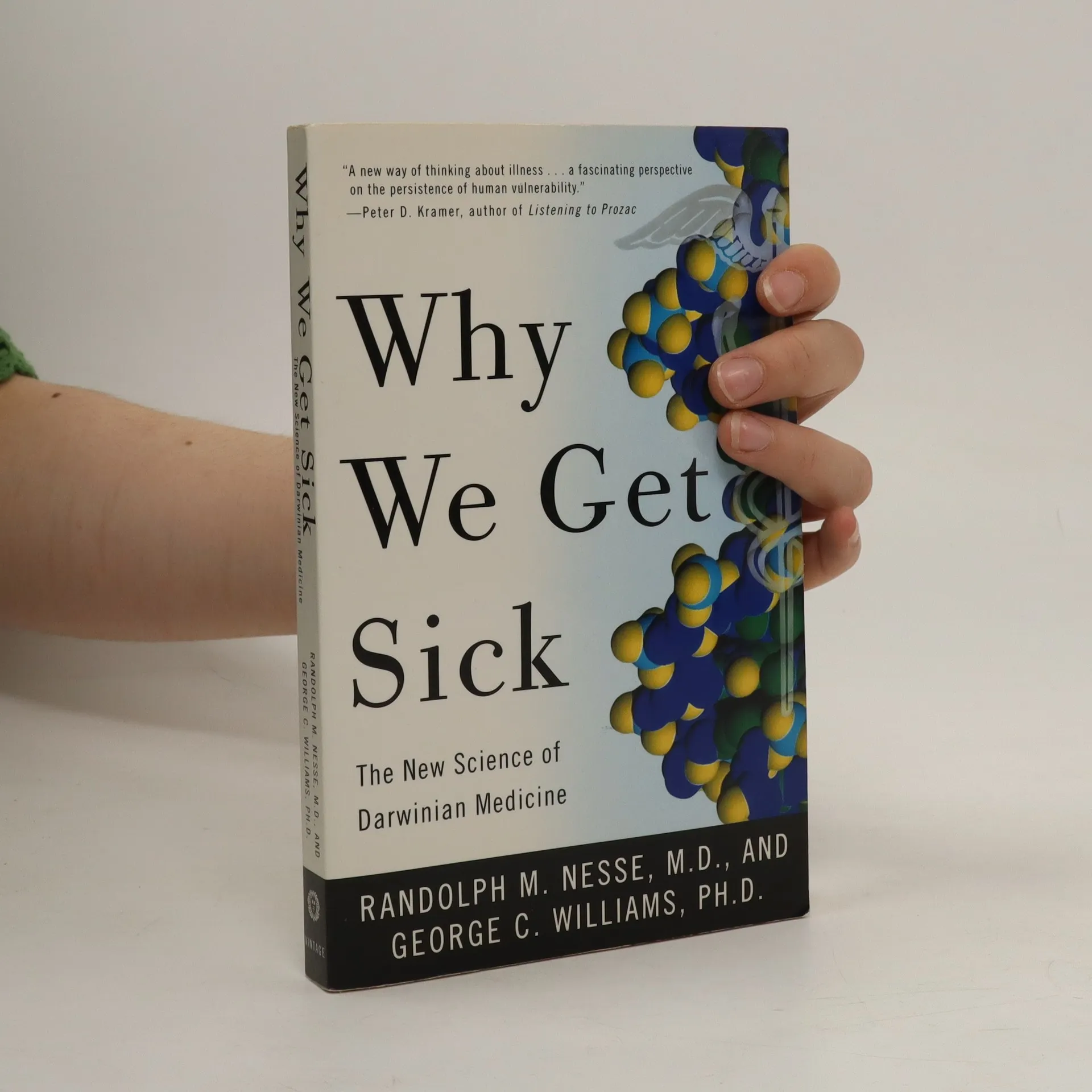
The next time you get sick, consider this before picking up the aspirin: your body may be doing exactly what it's supposed to. In this ground-breaking book, two pioneers of the science of Darwinian medicine argue that illness as well as the factors that predispose us toward it are subject to the same laws of natural selection that otherwise make our bodies such miracles of design. Among the concerns they raise:When may a fever be beneficial?Why do pregnant women get morning sickness?How do certain viruses "manipulate" their hosts into infecting others?What evolutionary factors may be responsible for depression and panic disorder?Deftly summarizing research on disorders ranging from allergies to Alzheimer's, and form cancer to Huntington's chorea, Why We Get Sick, answers these questions and more. The result is a book that will revolutionize our attitudes toward illness and will intrigue and instruct lay person and medical practitioners alike.
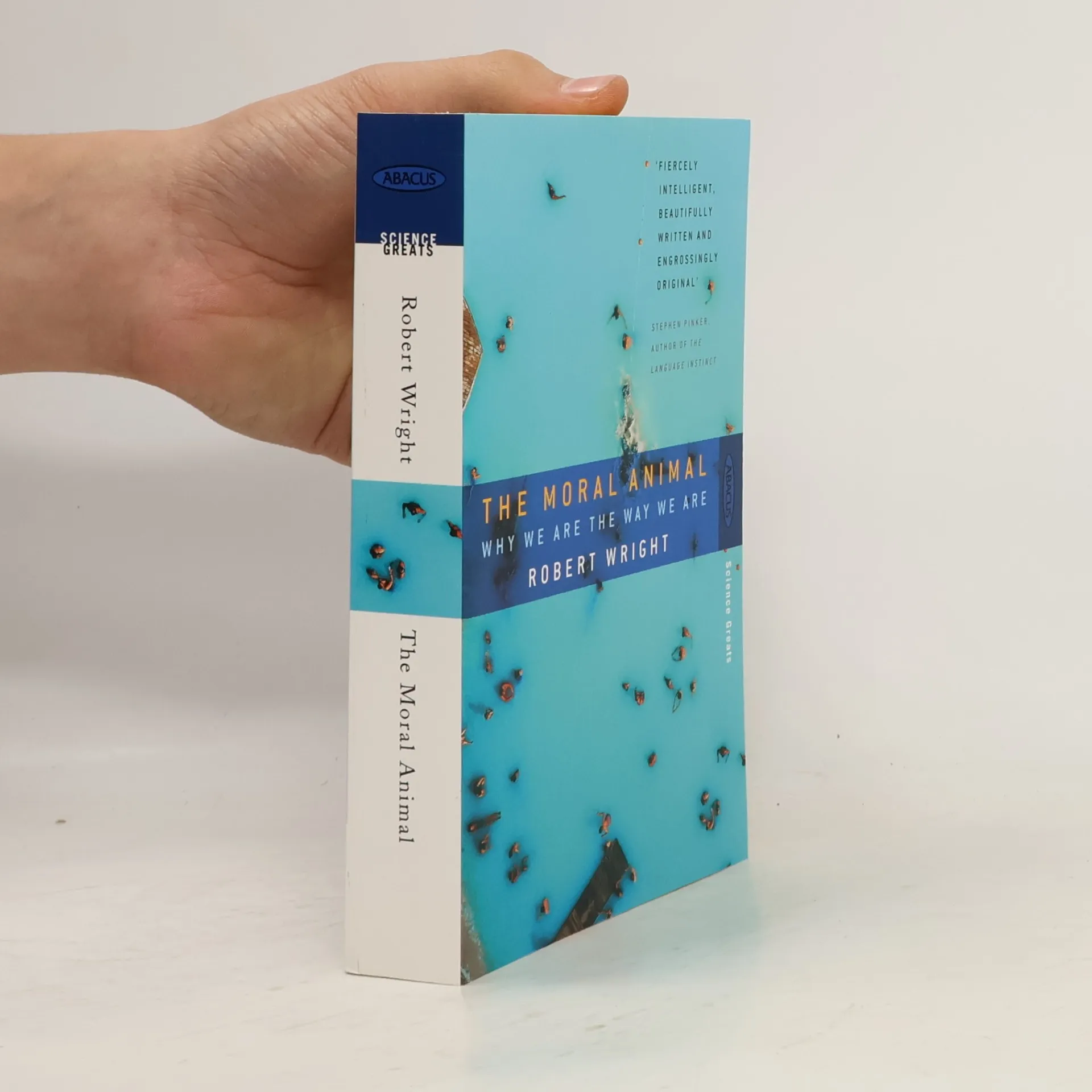
THE MORAL ANIMAL examines the significance of this extraordinary shift in our perception of morality and what it means to be human. Taking the life of Charles Darwin as his context, Robert Wright brilliantly demonstrates how Darwin's ideas have stood the test of time, drawing startling conclusions about the structure of some of our most basic preoccupations. Why do we commit adultery, express suicidal tendencies and have the capacity for self-deception? Wright not only provides the answers to such fundamental moral questions from the perspective of evolutionary psychology but challenges us to see ourselves anew through the clarifying lens of this fledgling and exciting science.
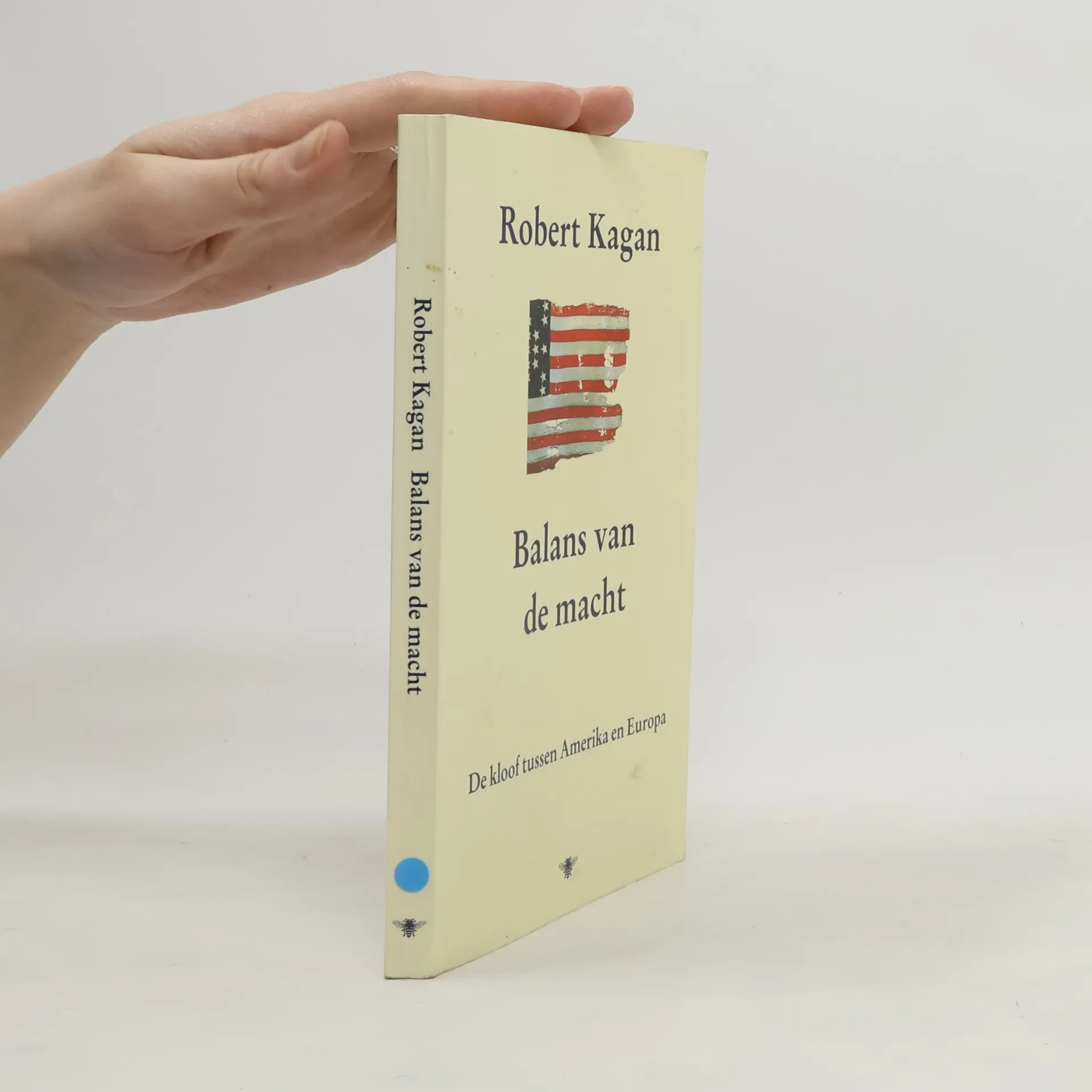
At a time when relations between the United States and Europe are at their lowest ebb since World War II, this brief but cogent book is essential reading. Robert Kagan, a leading scholar of American foreign policy, forces both sides to see themselves through the eyes of the other. Europe, he argues, has moved beyond power into a self-contained world of laws, rules, and negotiation, while America operates in a 'Hobbesian' world where rules and laws are unreliable and military force is often necessary. Tracing how this state of affairs came into being over the past fifty years and fearlessly exploring its ramifications for the future, Kagan reveals the shape of the new transatlantic relationship. The result is a book that promises to be as enduringly influential as Samuel Huntington's The Clash of Civilizations.