De natuur als ontwerper
- 205bladzijden
- 8 uur lezen
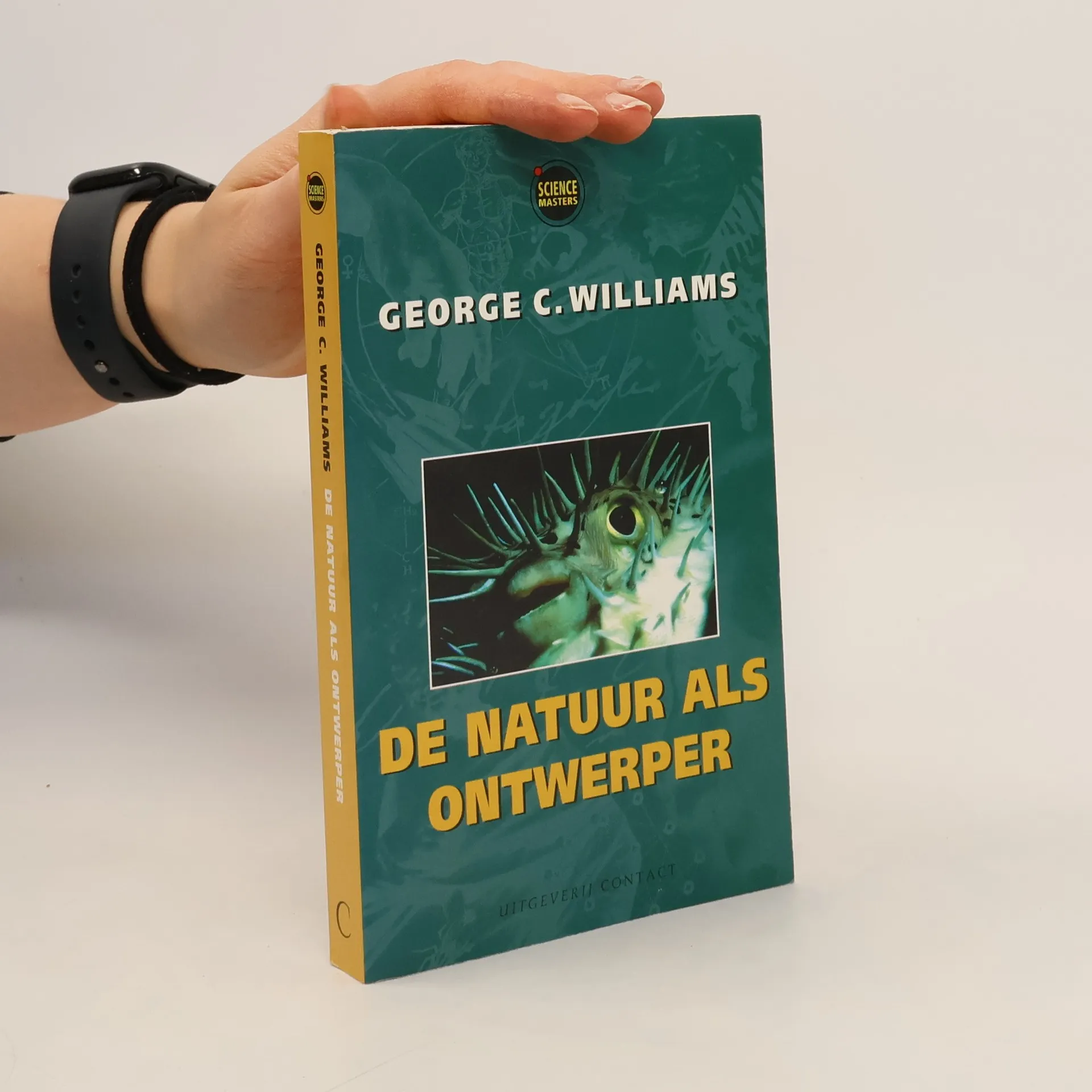
Visie vanuit een evolutiebiologisch standpunt op de doelmatigheid van de natuur als ontwerper.




Visie vanuit een evolutiebiologisch standpunt op de doelmatigheid van de natuur als ontwerper.
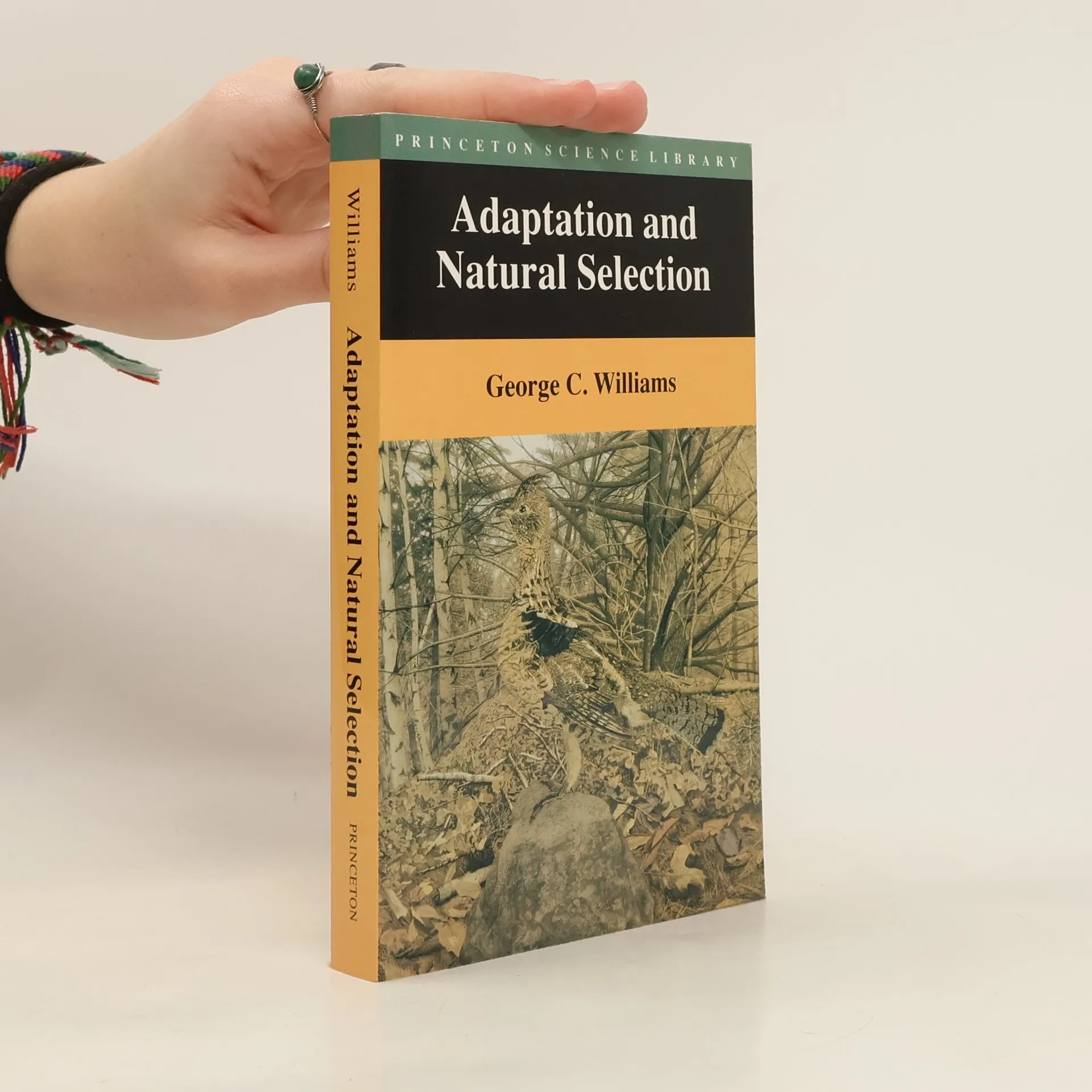
Biological evolution is a fact - but the many conflicting theories of evolution remain controversial even today. This title includes essay in defense of Darwinism; its suggestions for developing effective principles for dealing with the evolution debate and its relevance to many fields outside biology ensure the timelessness of this critical work.
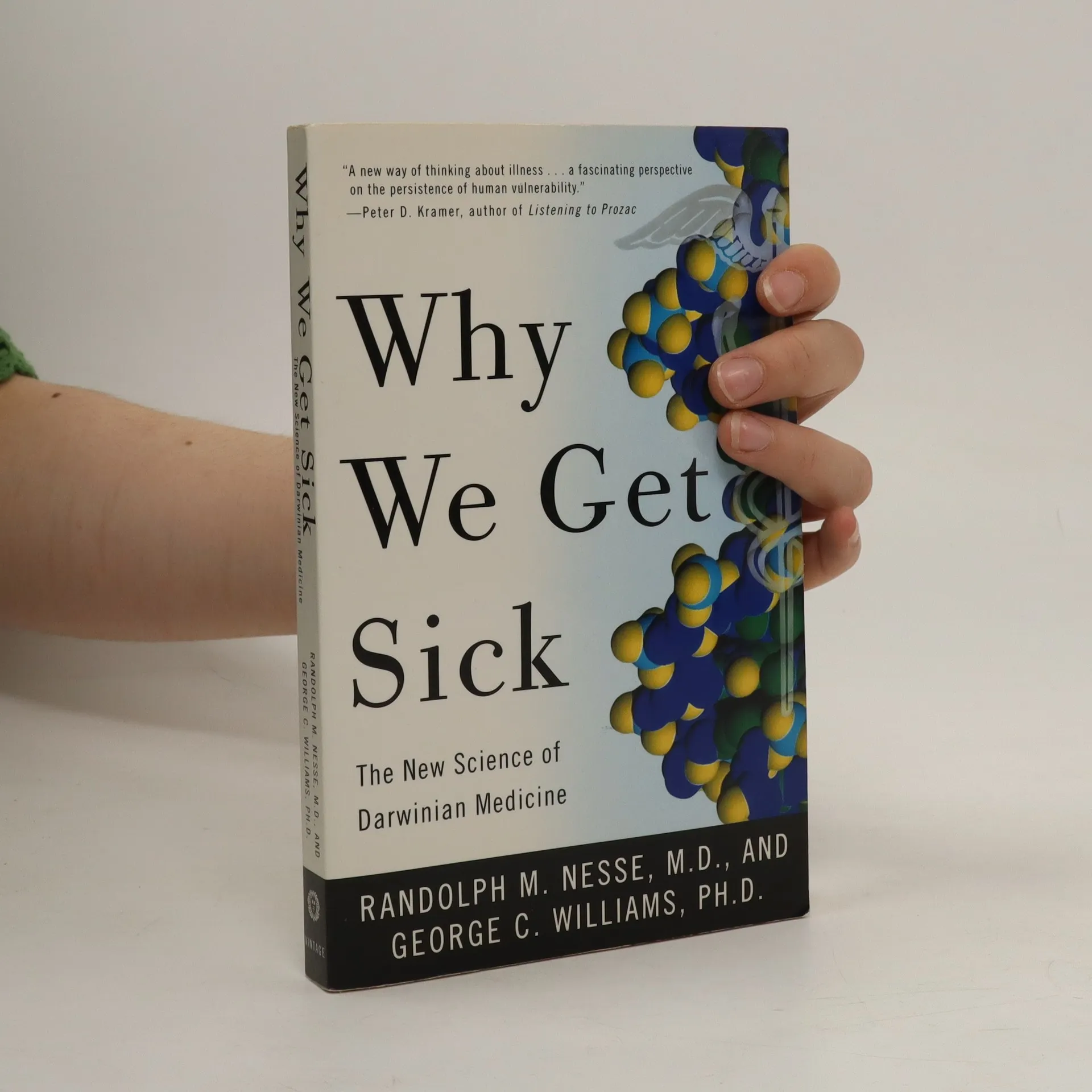
The next time you get sick, consider this before picking up the aspirin: your body may be doing exactly what it's supposed to. In this ground-breaking book, two pioneers of the science of Darwinian medicine argue that illness as well as the factors that predispose us toward it are subject to the same laws of natural selection that otherwise make our bodies such miracles of design. Among the concerns they raise:When may a fever be beneficial?Why do pregnant women get morning sickness?How do certain viruses "manipulate" their hosts into infecting others?What evolutionary factors may be responsible for depression and panic disorder?Deftly summarizing research on disorders ranging from allergies to Alzheimer's, and form cancer to Huntington's chorea, Why We Get Sick, answers these questions and more. The result is a book that will revolutionize our attitudes toward illness and will intrigue and instruct lay person and medical practitioners alike.
In Plan and Purpose in Nature George C. Williams examines Darwinian evolution in the natural world. He tells the story not only of adaptations which natural selection produces through nature, but also the limitations of evolution for modern human beings, and how the rapid evolution of micro-organisms is likely to pose an alarming threat to human health.
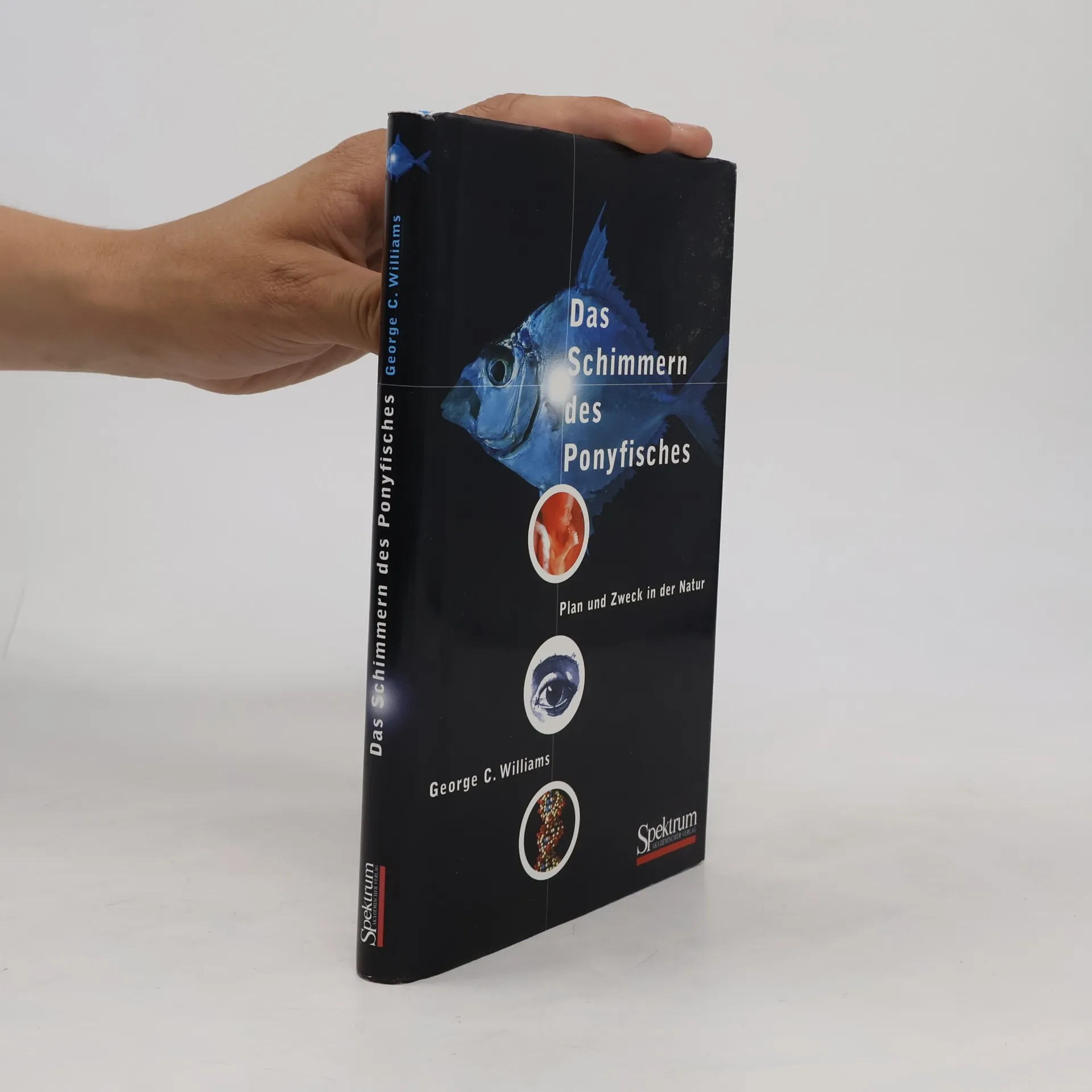
Wir mögen uns als die fortschrittlichste Art auf diesem Planeten betrachten, aber haben wir wirklich unser optimales Design erreicht? Der Evolutionsbiologe George C. Williams zeigt uns sowohl beeindruckende als auch absurde Anpassungen, mit denen die Natur uns ausgestattet hat. Unter einem modernen evolutionsbiologischen Blickwinkel beleuchtet er die alte Frage nach „Plan und Zweck in der Natur“. Warum hat der Ponyfisch ein Leuchtorgan? Wozu dient es? Warum haben wir nur ein Paar nach vorne gerichtete Augen, wenn ein drittes Auge uns optimieren könnte? Warum altern wir, sind anfällig für Krankheiten und müssen menschliche Babys durch einen engen Geburtskanal? Williams erläutert die grundlegenden Konzepte von natürlicher Selektion und Anpassung. Die Evolution „erfindet“ ständig neue Variationen von Körperbau, Stoffwechsel und Verhalten, doch ihre „Freiheit“ wird durch physikalische und chemische Gesetze sowie durch historische Entwicklungen eingeschränkt. Jeder Organismus trägt seine evolutionäre Geschichte mit sich. Es gibt keinen gezielten Plan oder „bestes Design“. Die natürliche Selektion ist blind für zukünftige Konsequenzen gegenwärtiger Veränderungen. Williams zeigt, wie eine evolutionsbiologische Perspektive auf Krankheiten und körperliche Abwehrreaktionen auch der Medizin zugutekommen könnte, und zieht hochaktuelle Bezüge aus seiner Analyse der grundlegenden Evolutionsprozesse.