Bookbot

Bořivoj Prusík

    Ledová sfinx II.
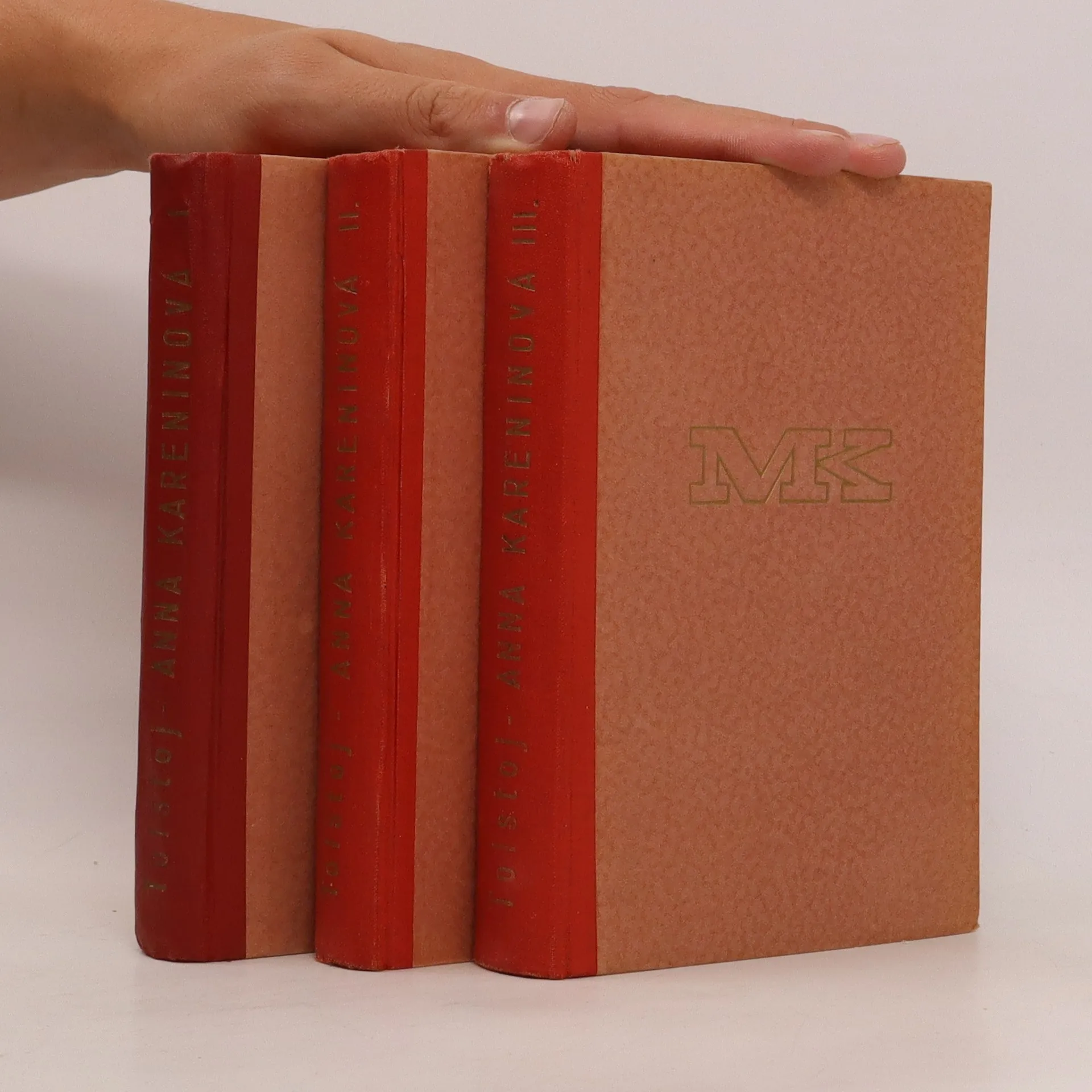
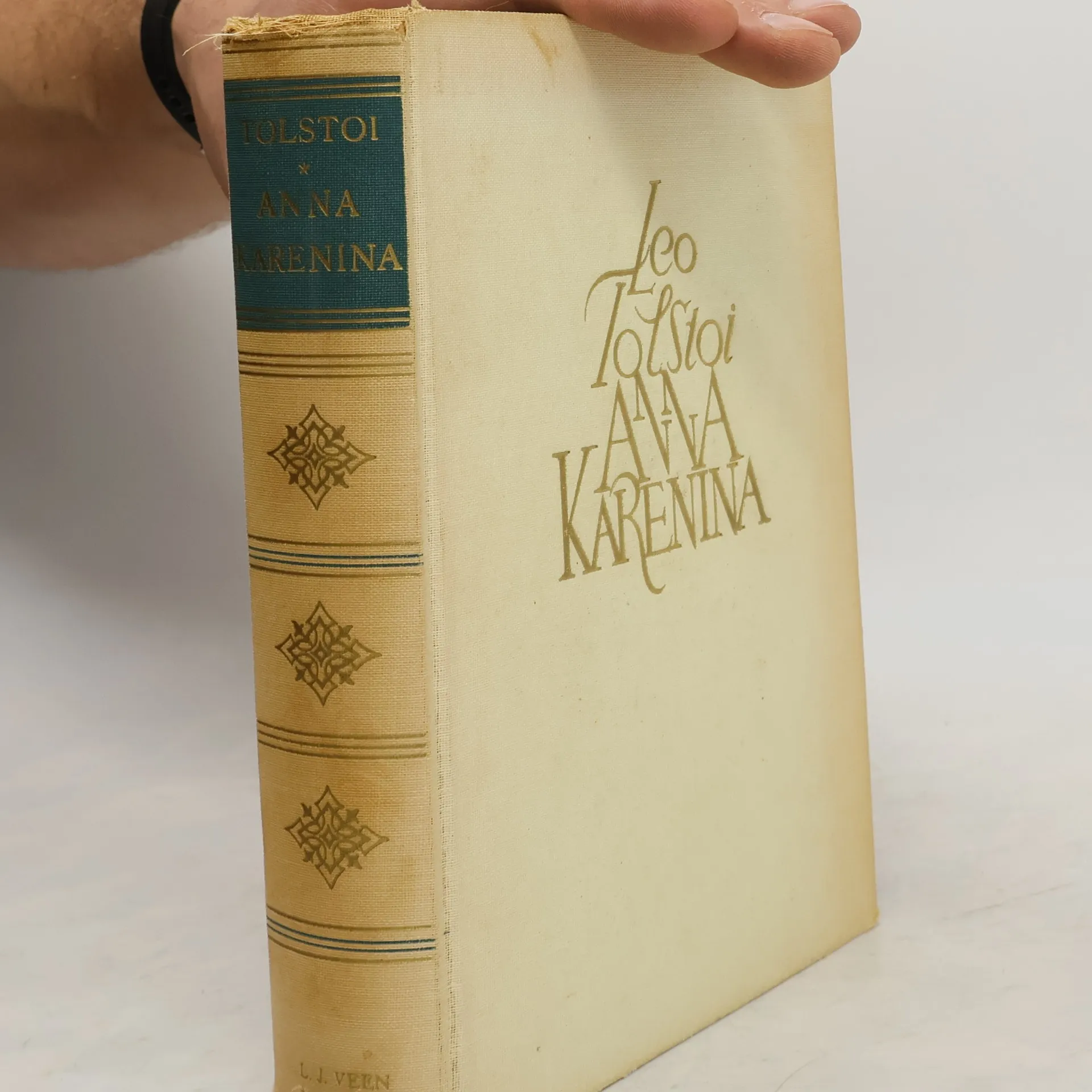
    Anna Kareninová III.
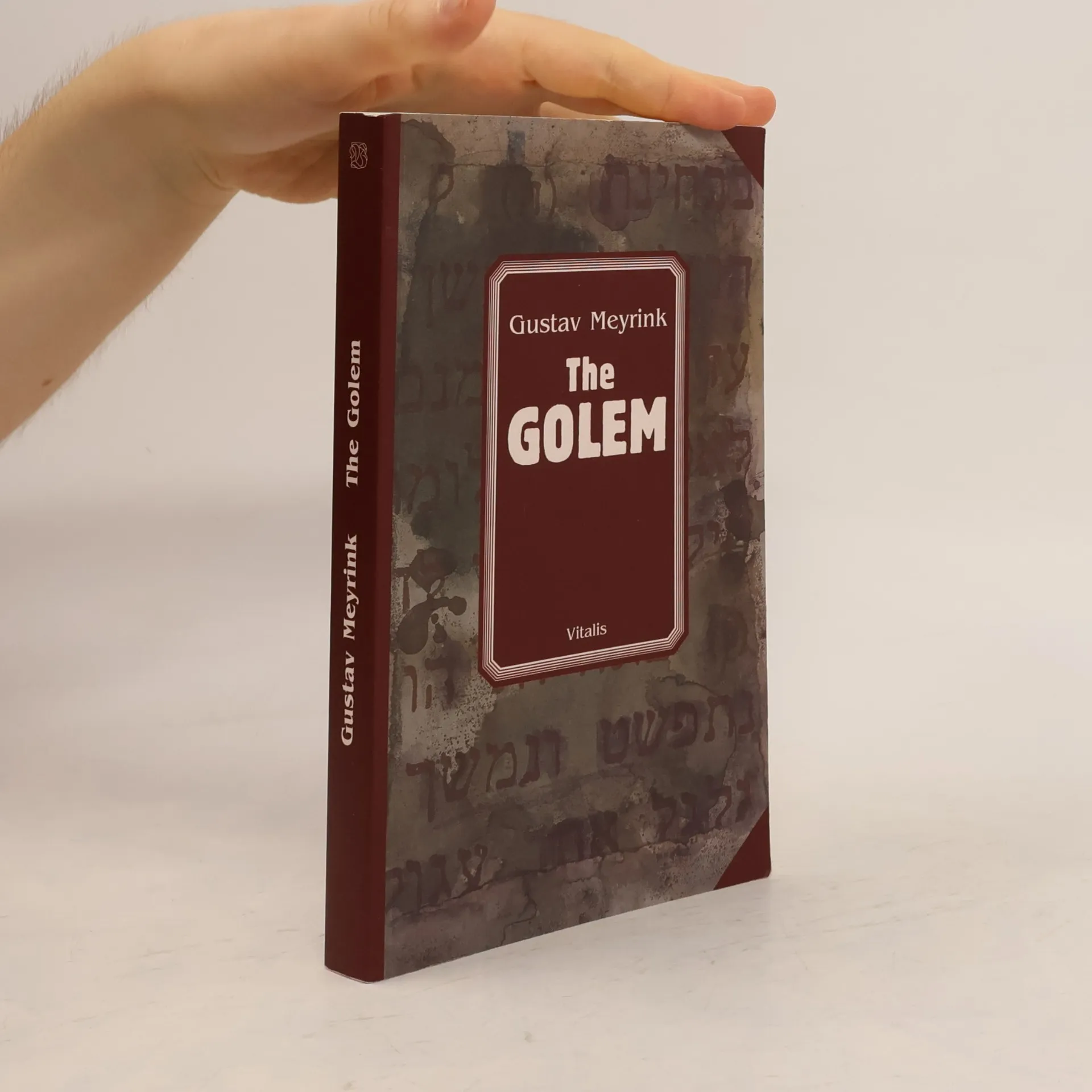
    The Golem
    V stínu Akropole
    Anna Karenina
    Het Portret Van Dorian Gray
    • "Alors, tu crois qu'il n'y a que Dieu qui voit les âmes, Basil ? Écarte le rideau et tu verras la mienne." Dorian Gray prononce ces mots avec une dureté cruelle. Hallward, le peintre, s'inquiète de la folie de Dorian. Ce dernier, dans un acte impulsif, arrache le rideau du tableau et révèle son propre portrait. L'horreur s'empare de Hallward en découvrant le visage hideux de Dorian sur la toile, bien que sa beauté stupéfiante ne soit pas encore entièrement altérée. Les reflets dorés de sa chevelure et la sensualité de sa bouche persistent, tandis que ses yeux, bien que bouffis, conservent une lueur de leur ancien éclat. Le tableau, signé par Hallward, soulève des questions troublantes sur l'identité et la beauté. Dorian est confronté à une idée monstrueuse, mêlant fascination et peur, alors qu'il réalise que son image est en train de se dégrader, tandis que lui-même reste inchangé.

      Het Portret Van Dorian Gray2020
      4,2
    • Anna Karenina

      • 471bladzijden
      • 17 uur lezen

      Een vrouw verlaat haar gezin en gaat in vrije liefde met haar minaar leven, doch is uiteindelijk niet tegen de spanningen van dit onzekere bestaan opgewassen.

      Anna Karenina1923
      4,0
    • The Golem

      • 272bladzijden
      • 10 uur lezen

      First published in serial form as Der Golem in the periodical Die weissen Blätter in 1913–14, The Golem is a haunting Gothic tale of stolen identity and persecution, set in a strange underworld peopled by fantastical characters. The red-headed prostitute Rosina; the junk-dealer Aaron Wassertrum; puppeteers; street musicians; and a deaf-mute silhouette artist. Lurking in its inhabitants’ subconscious is the Golem, a creature of rabbinical myth. Supposedly a manifestation of all the suffering of the ghetto, it comes to life every 33 years in a room without a door. When the jeweller Athanasius Pernath, suffering from broken dreams and amnesia, sees the Golem, he realises to his terror that the ghostly man of clay shares his own face. . . . The Golem, though rarely seen, is central to the novel as a representative of the ghetto's own spirit and consciousness, brought to life by the suffering and misery that its inhabitants have endured over the centuries. Perhaps the most memorable figure in the story is the city of Prague itself, recognisable through its landmarks such as the Street of the Alchemists and the Castle.

      The Golem1917
      3,9