The War for the Seas
- 568bladzijden
- 20 uur lezen
A bold and authoritative maritime history of World War II which takes a fully international perspective and challenges our existing understanding


Evan Mawdsley is een vooraanstaand historicus gespecialiseerd in de Russische geschiedenis. Zijn uitgebreide onderzoek en talrijke publicaties duiken in de complexiteit van het verleden van deze regio en bieden lezers inzichtelijke perspectieven. Zijn werk onderzoekt vaak de machtsdynamiek en maatschappelijke structuren binnen Rusland, wat een diepgaand begrip van zijn historische traject biedt. Mawdsley's bijdragen verhelderen de ingewikkelde verhalen van de Russische historische ontwikkeling.

A bold and authoritative maritime history of World War II which takes a fully international perspective and challenges our existing understanding
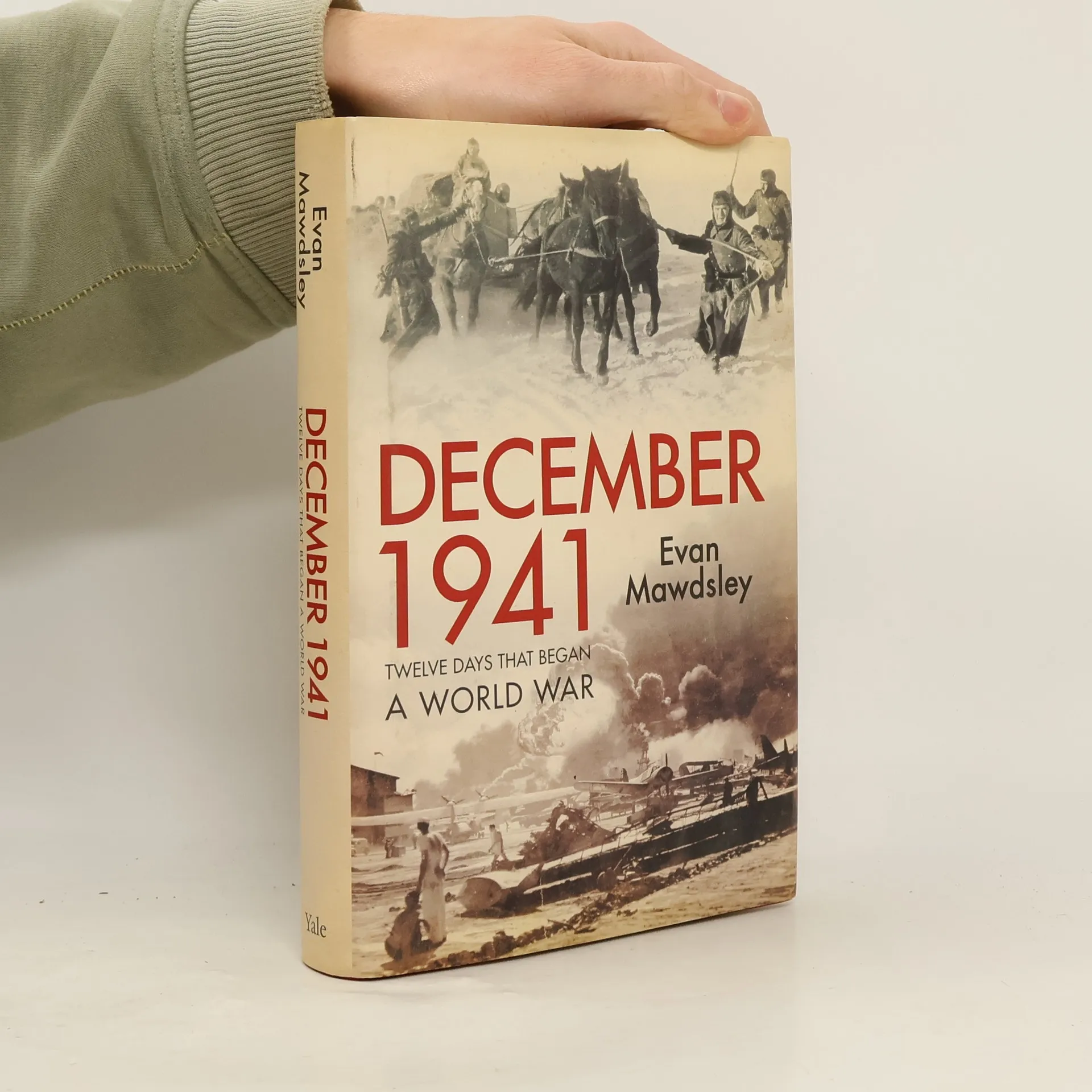
An account of twelve pivotal days in 1941, when a chain of interlinked events changed world history In far-flung locations around the globe, an unparalleled sequence of international events took place between December 1 and December 12, 1941. In this riveting book, historian Evan Mawdsley explores how the story unfolded. He demonstrates how these dramatic events marked a turning point not only in the course of World War II but also in the direction of the entire century. On Monday, December 1, 1941, the Japanese government made its final decision to attack Britain and America. In the following days, the Red Army launched a counterthrust in Moscow while the Japanese bombed Pearl Harbor and invaded Malaya. By December 12, Hitler had declared war on the United States, the collapse of British forces in Malaya had begun, and Hitler had secretly laid out his policy of genocide. Churchill was leaving London to meet Roosevelt as Anthony Eden arrived in Russia to discuss the postwar world with Stalin. Combined, these occurrences brought about a "new war," as Churchill put it, with Japan and America deeply involved and Russia resurgent. This book, a truly international history, examines the momentous happenings of December 1941 from a variety of perspectives. It shows that their significance is clearly understood only when they are viewed together.
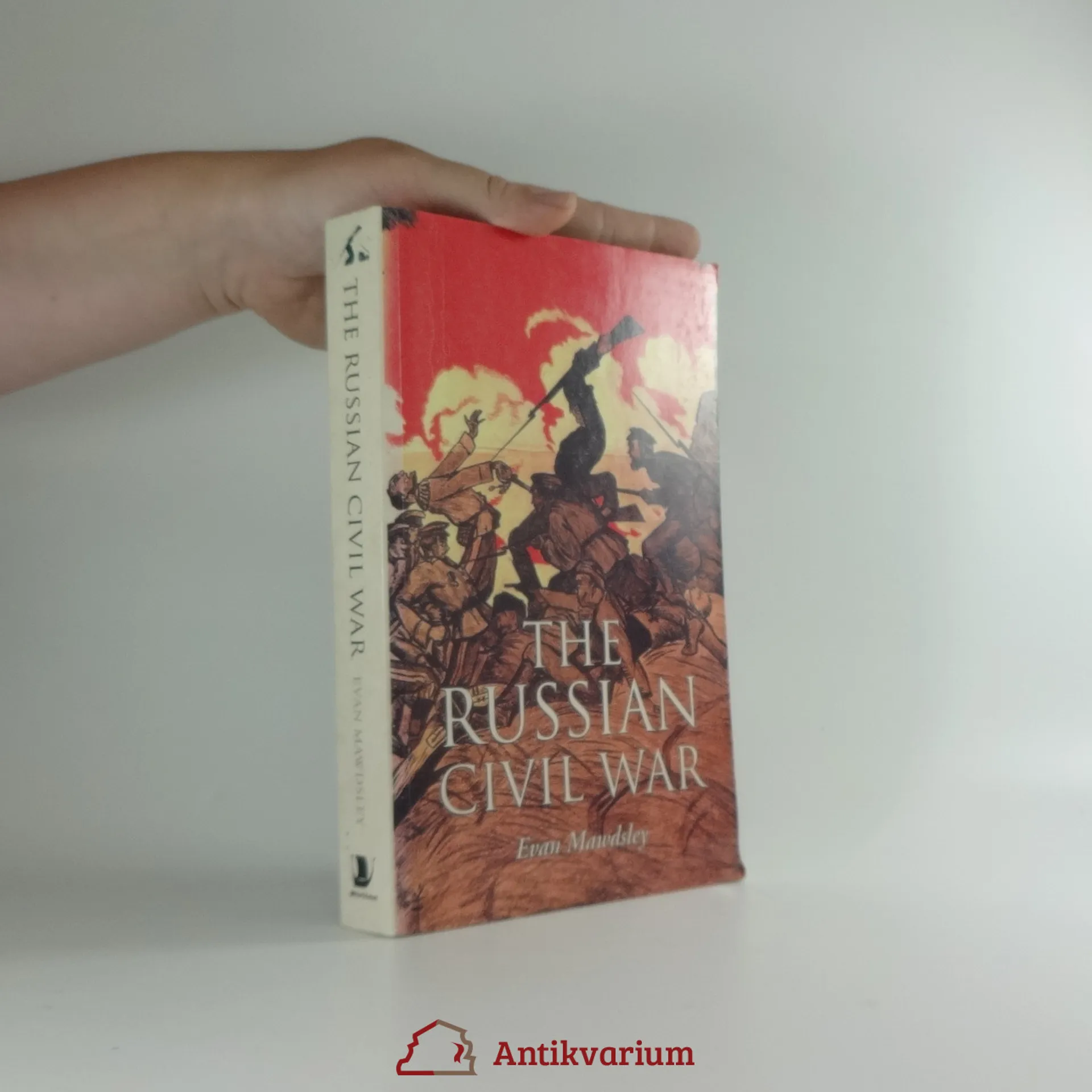
"The Russian Civil War of 1917-1920, out of which the Soviet Union was born, was one of the most significant events of the twentieth century. The collapse of the Tsarist regime and the failure of the Kerensky Provisional Government nearly led to the complete disintegration of the Russian state. This book, however, is not simply the story of that collapse and the rebellion that accompanied it, but of the painful and costly reconstruction of Russian power under a Soviet regime."--Page 4 of cover