

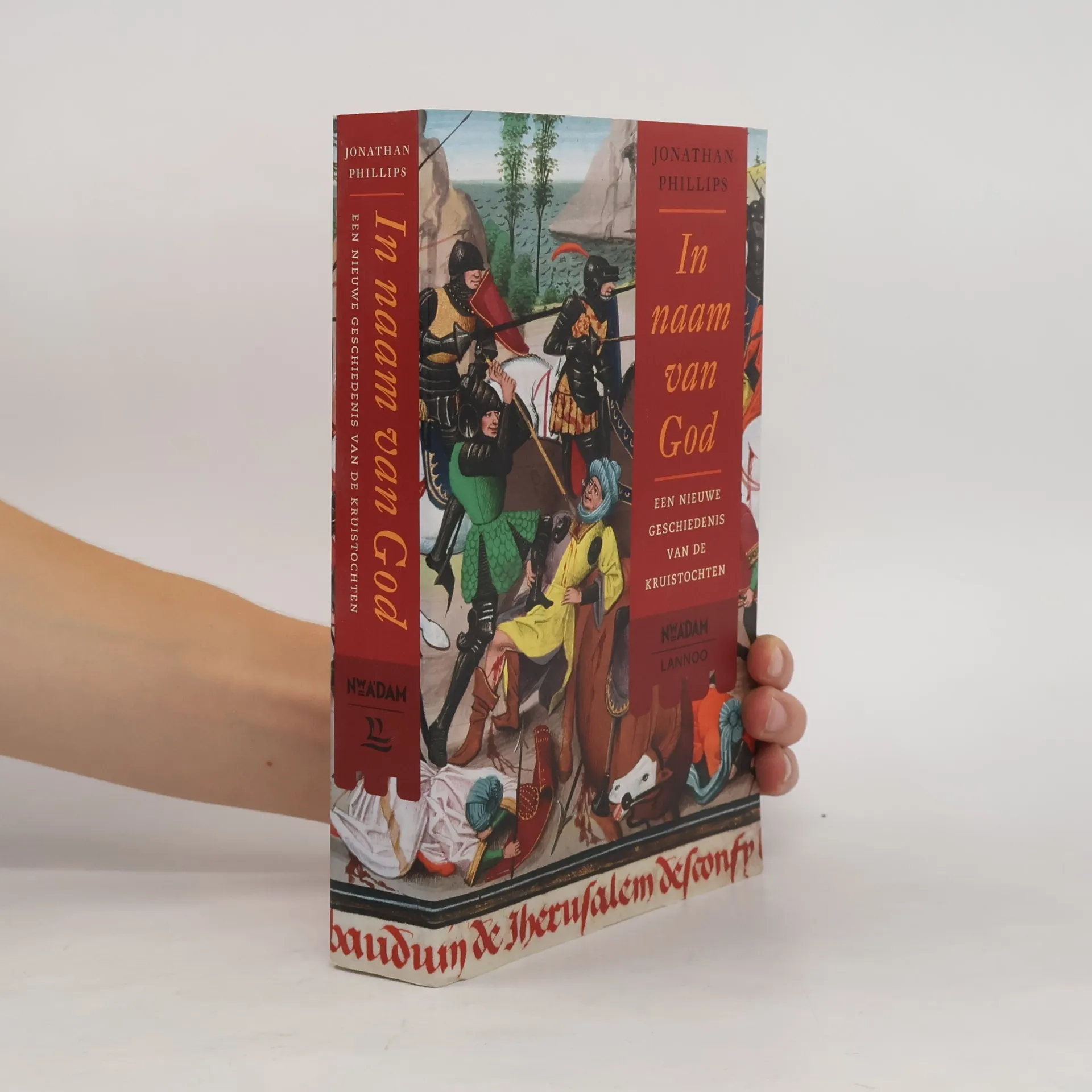
From an internationally renowned expert, this accessible and captivating history of the Crusades is told through the experiences of its diverse players—knights, sultans, kings, poets, Christians, and Muslims. The narrative traces the origins, expansion, decline, and conclusion of the Crusades, while also commenting on their contemporary echoes, from the mysteries of the Templars to the realities of al-Qaeda. Beginning with Pope Urban II’s groundbreaking speech in November 1095, which called for the recovery of Jerusalem, the account explores the centuries-long conflict between two major faiths. Utilizing songs, sermons, narratives, and letters from the period, it reveals how the First Crusade's success inspired kings to seek glory and blurred the lines between chivalry and crusading. In the Muslim world, early jihad calls went unheeded until the charismatic Sultan Saladin brought the struggle to a climax. This history incorporates the holy wars within the broader context of medieval Christendom and Islam, shedding light on forgotten truces and alliances. It also examines how the term “crusade” evolved into the modern era, influencing events from the Spanish Civil War to George W. Bush’s “war on terror.” Elegantly written and compelling, this work is essential for understanding medieval Europe and the history of religious conflict.
Jonathan P. Phillips Boeken
Jonathan Phillips is een vooraanstaand historicus gespecialiseerd in de Kruistochten, met een professoraat aan Royal Holloway, University of London. Zijn onderzoek verkent nauwgezet de ingewikkelde verbanden tussen het Latijnse Oosten en het Westen tijdens deze cruciale historische periode. Hij onderzoekt kritisch de drijvende krachten, sleutelgebeurtenissen en blijvende gevolgen van de Kruistochten, waardoor lezers een diepgaand inzicht krijgen in hun betekenis. Phillips is een gerenommeerd expert die regelmatig zijn inzichten deelt in wetenschappelijke artikelen en publieke media.
The Biology of Disease
- 336bladzijden
- 12 uur lezen
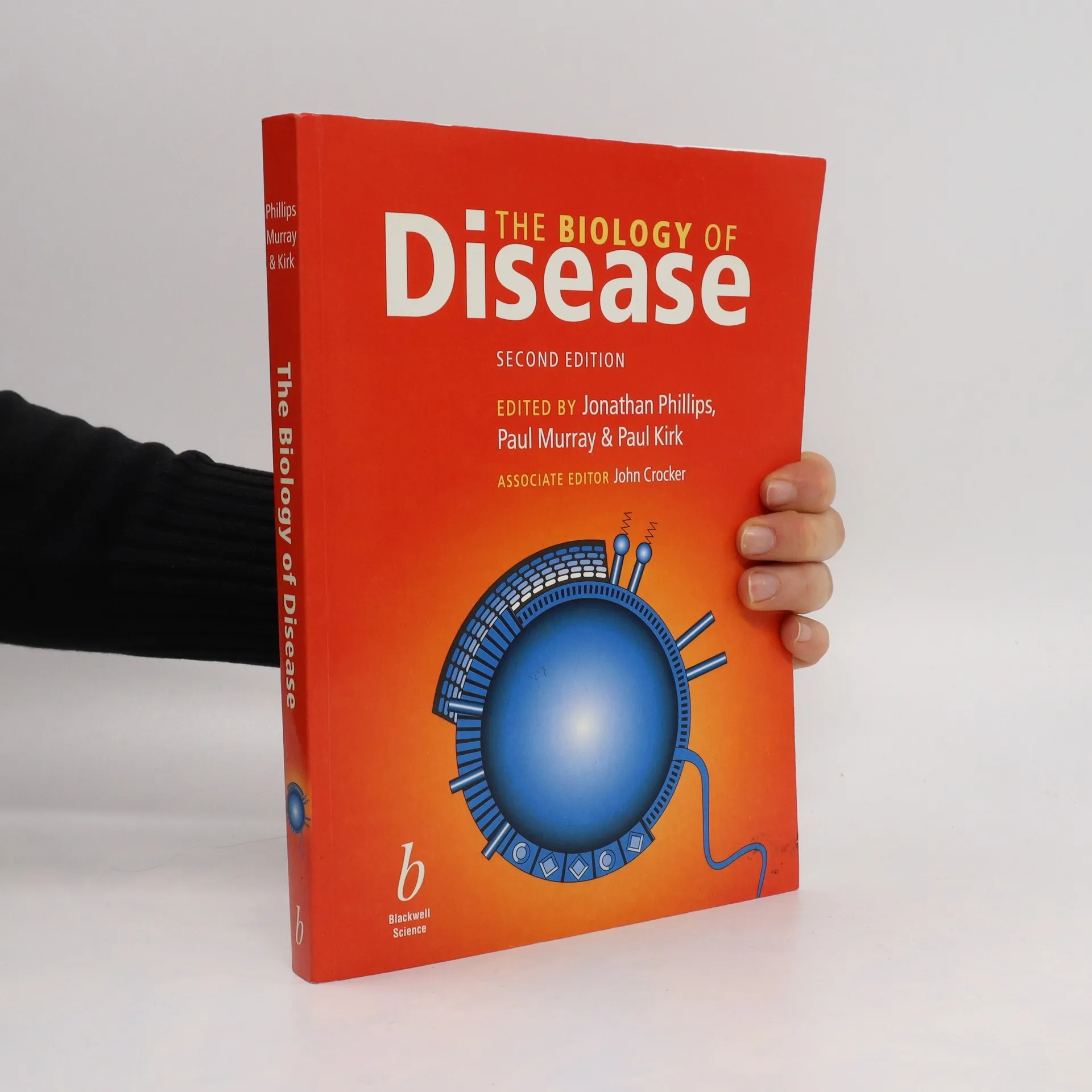
The second edition of "The Biology of Disease" is an introductory level text on the biological principles of human disease. The book is aimed at medical students in degree courses in biomedical science. The book fuses the biological (physiological and biochemical) processes which underlie the clinical manifestations of disease. As such, it brings together material which is conventionally dealt with by several books. The authors have covered the fundamentals of each topic in a readable manner, which should encourage students to develop a fuller understanding, where necessary, by reference to more comprehensive texts. Integrates basic science and clinical medicine. Detailed case studies at the end of each chapter which emphasise the clinical setting. New chapters on transplantation immunology, anaemia, toxicology & poisoning. The use of non-technical language for the descriptions in the case studies to ensure that all students will comprehend the underlying principles.
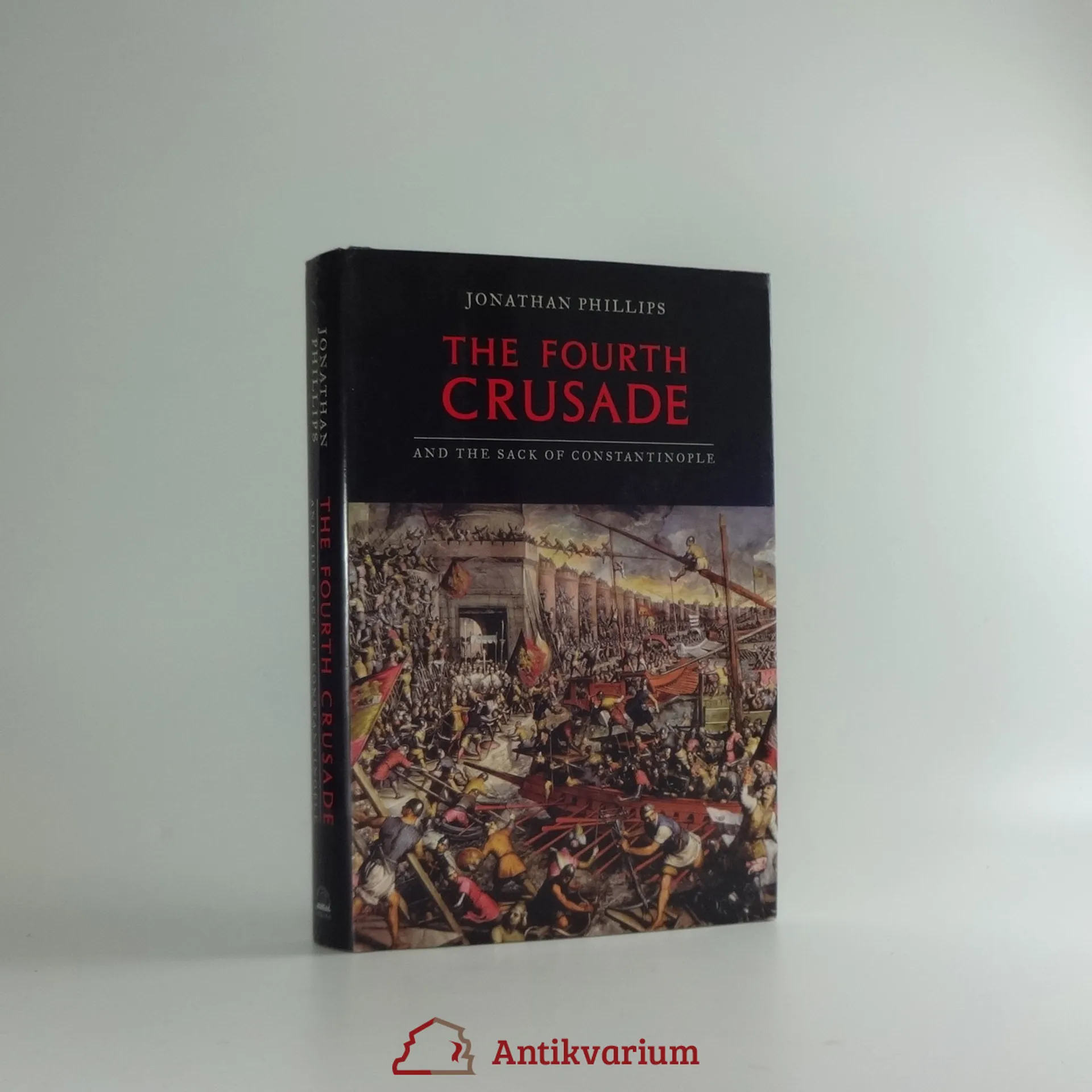
In April 1204, the armies of Western Christendom wrote another bloodstained chapter in the history of holy war. Aflame with religious zeal, the Fourth Crusade had set out to free Jerusalem from the grip of Islam. But after a dramatic series of events, the crusaders turned against the Christian city of Constantinople, the heart of the Byzantine Empire and the greatest metropolis in the known world. The crusaders spared no one in their savagery: they murdered old and young, raped women and girls, desecrated churches and plundered treasuries, and much of the city was put to the torch. Some contemporaries felt God had approved this punishment of the effeminate, treacherous Greeks; others expressed shock and disgust. History has judged this as the crusade that went wrong, and even today its violence and brutality provokes deep ill-feeling towards the Catholic Church.--From publisher description
The Crusades 1095-1197
- 224bladzijden
- 8 uur lezen
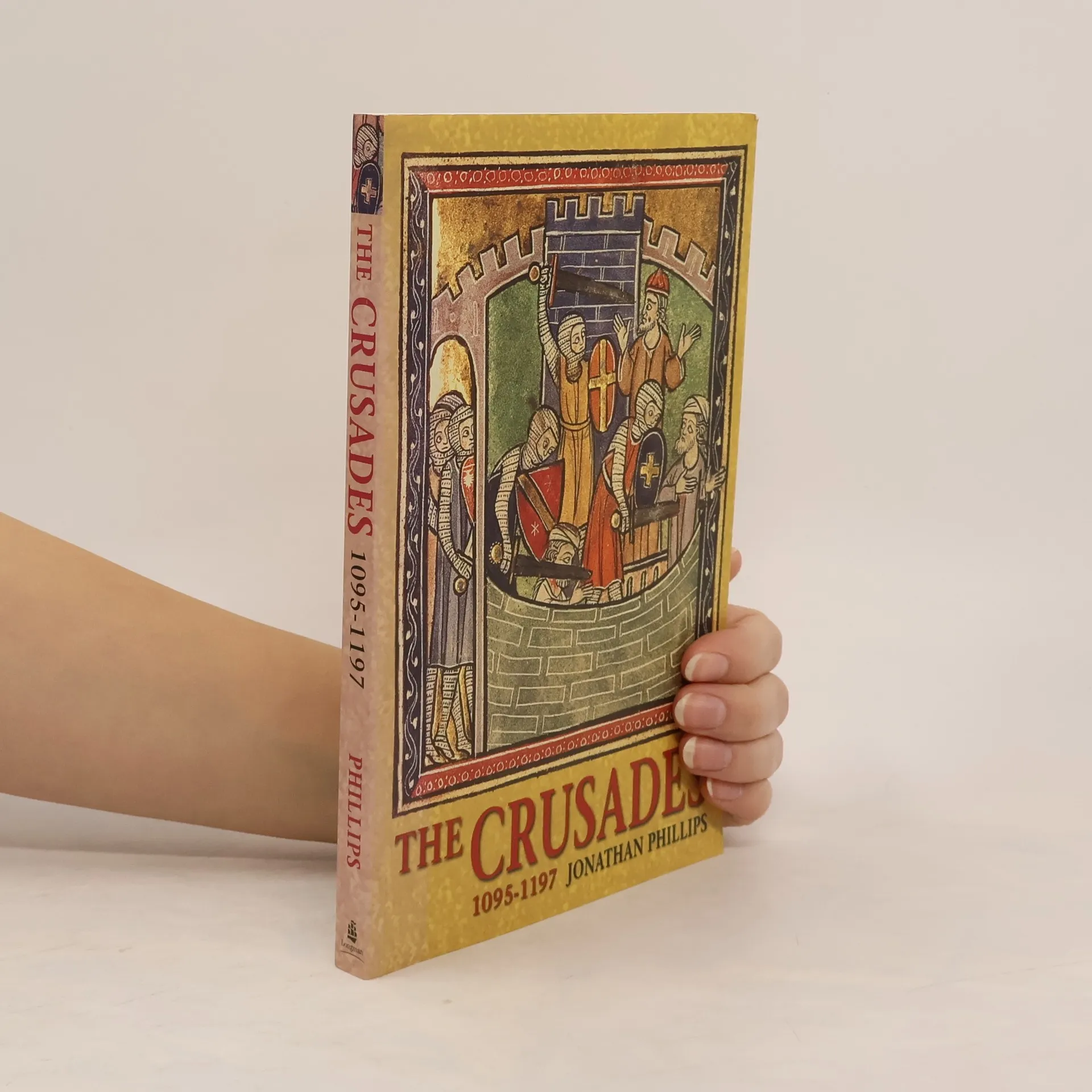
The idea of the crusade remains a potent one. In this compelling account, Jonathan Philips moves away from modern constructs and possible misconceptions of the crusades, to explore the origins and development of the idea in its historical context. Through a mixture of narrative and thematic chapters, the book provides both an outline of key events and issues in the history of the crusades to the Holy Land, and an insight into new areas of research. Supporting documents include letters, charters, poetry, songsa and art. Aimed at 1st and 2nd year history students, thi s new textbook will bring an intriguing subject vividly to life.
Vintage: The Life and Legend of the Sultan Saladin
- 496bladzijden
- 18 uur lezen
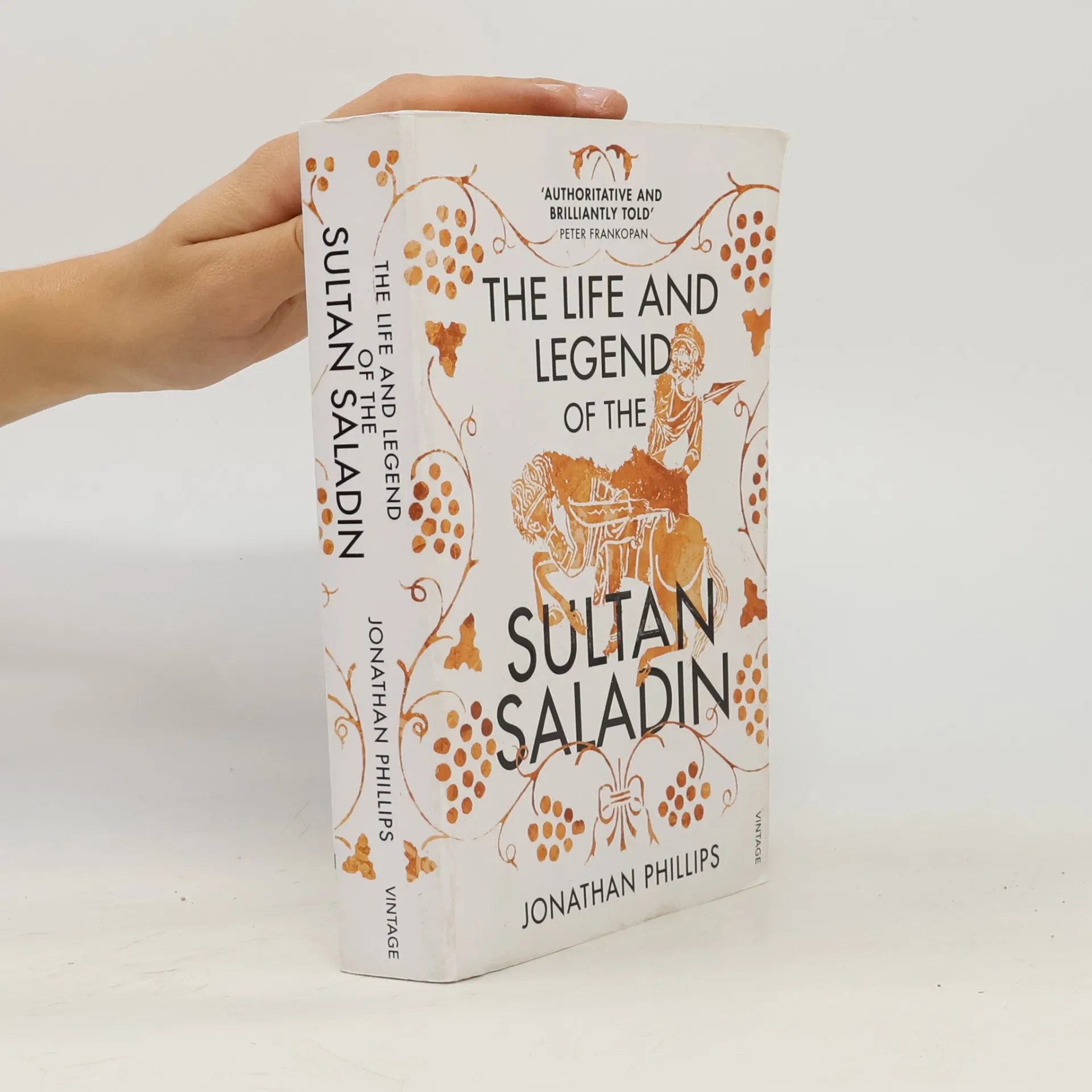
This groundbreaking biography explores the life of one of history's most revered military and religious figures, shedding light on the intricate relationship between the Islamic and Christian worlds. Saladin's recapture of Jerusalem from the Crusaders in 1187 marked a pivotal moment, returning the Holy City to Islamic rule after nearly ninety years and sending shockwaves throughout Europe and the Near East. Born into a prominent Kurdish family in northern Iraq, Saladin rose to power in Egypt under his uncle's guidance. Over two decades, he fought for jihad while simultaneously building a vast dynastic empire from North Africa to Western Iraq. His coalition efforts led to the capture of Jerusalem, igniting the Third Crusade and pitting him against King Richard the Lionheart. This account draws on a rich array of Arabic and European sources to depict both the man and the legend he became, illustrating the relentless action of his life and its lasting cultural and political impact. It highlights his enduring reputation for faith, generosity, mercy, and justice, while also acknowledging his flaws. After his death, Saladin emerged as a symbol of charm and chivalric virtue in the West, while in the Islamic world, he is celebrated as a heroic figure. This biography offers a nuanced portrait of a significant historical figure, relevant to contemporary discussions on cultural clashes.