
Critique of Pure Reason
- 489bladzijden
- 18 uur lezen
Kant seeks to define the nature of reason itself and builds his own unique system of philosophical thought with an approach known as transcendental idealism.
Immanuel Kant was een sleutelfiguur van de Verlichting wiens filosofische werk het moderne denken fundamenteel hervormde. Hij onderzocht de grenzen van menselijke kennis en stelde dat het begrijpen van ons denkproces ons in staat stelt betekenisvolle vragen te stellen over de aard van de werkelijkheid. Kant probeerde de kloof tussen rationalisme en empirisme te overbruggen, met het argument dat rede zonder ervaring vatbaar is voor illusies, terwijl ervaring zonder de structuur van de rede subjectief blijft. Zijn werk legde de basis voor uitgebreide debatten in metafysica, ethiek en esthetiek, en zijn nalatenschap blijft tot op de dag van vandaag belangrijke filosofische stromingen beïnvloeden.


Kant seeks to define the nature of reason itself and builds his own unique system of philosophical thought with an approach known as transcendental idealism.
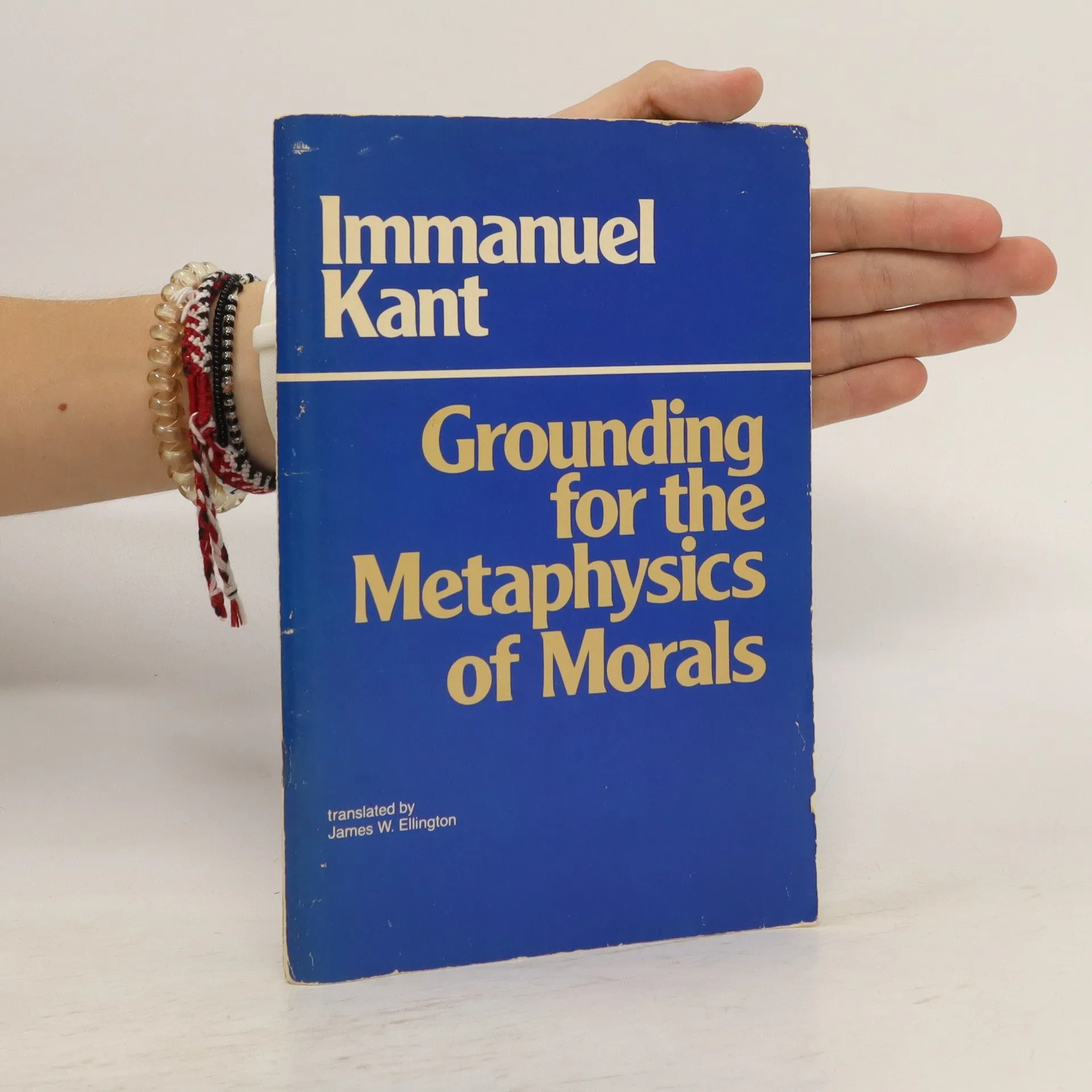
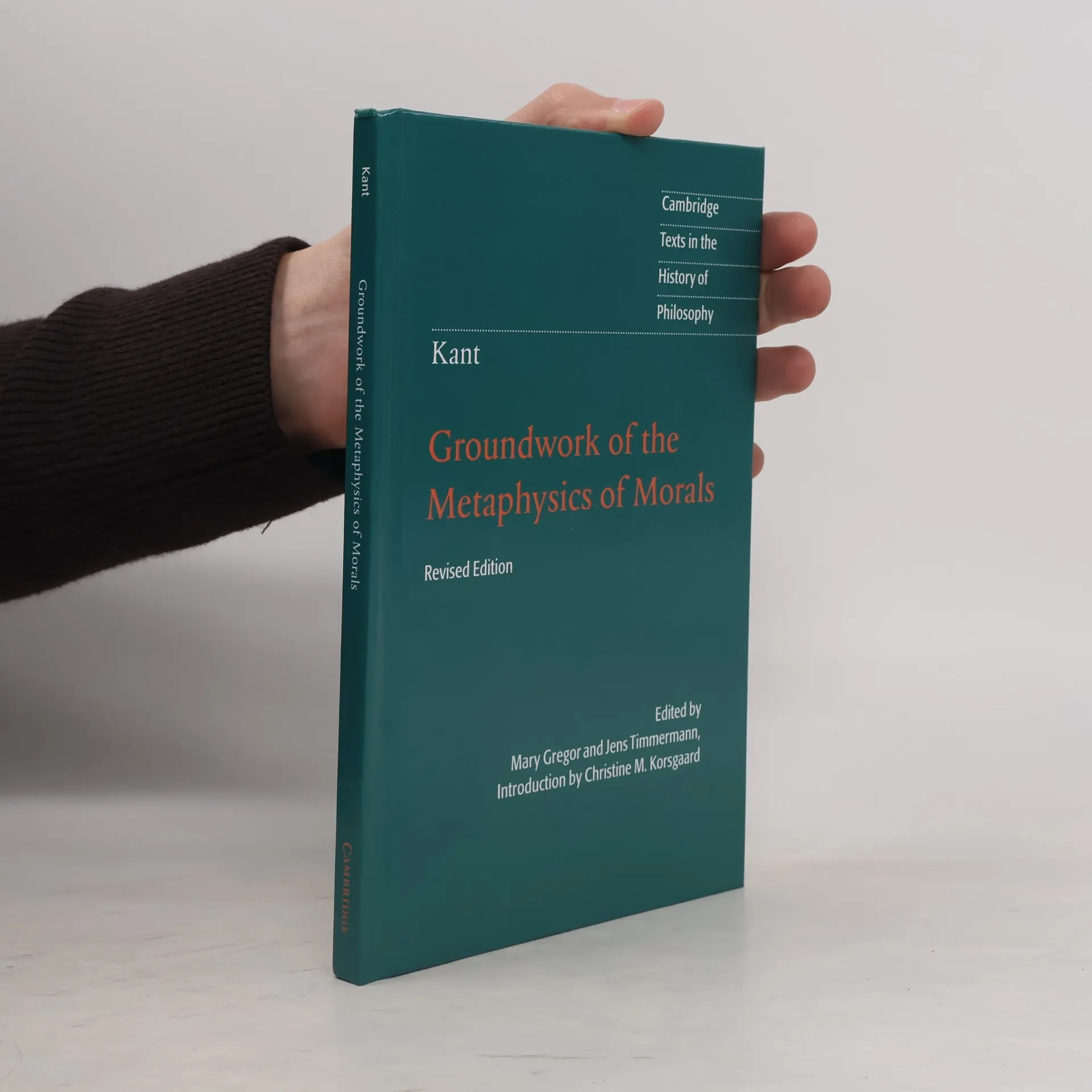
The first facing-page German-English edition of the Groundwork of the Metaphysics of Morals, Kant's central contribution to modern moral philosophy.
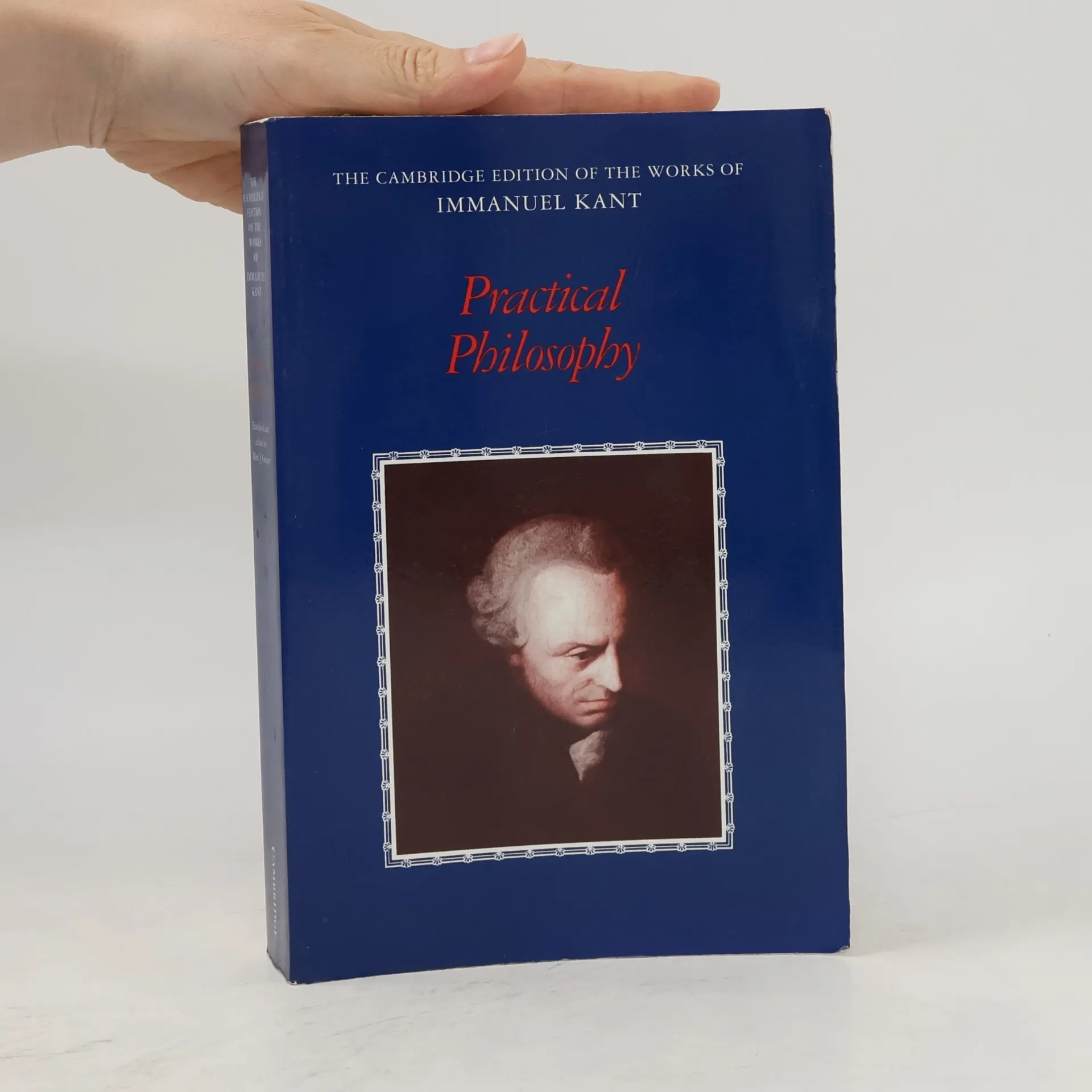
This volume is part of the first comprehensive English edition of Immanuel Kant's works, aiming to provide translations from the best modern German edition in a uniform format for scholars. The complete edition will encompass all of Kant's published writings and a selection of unpublished works, including the Opus postumum, Nachlass, lectures, and correspondence. Kant's views on logic are pivotal in his critical writings, notably the Critique of Pure Reason. Since he published only one brief essay on logic, understanding his perspectives requires examining texts from his logic lectures. This volume features three previously untranslated transcripts of Kant's logic lectures: the Blumberg Logic from the 1770s, the Vienna Logic (with the newly discovered Hechsel Logic) from the early 1780s, and the Dohna-Wundlacken Logic from the early 1790s. Additionally, it includes a new translation of the Jasche Logic, compiled at Kant's request and published in 1800. These texts illuminate Kant's evolving views on logic, its relationship with other disciplines, and key concepts central to his philosophy. They also portray Kant as a popular and influential lecturer. The volume contains substantial editorial apparatus, including a general introduction, linguistic and factual notes, glossaries of key terms, and a concordance linking Kant's lectures to George Frederick Meier's Excerpts from the Doctrine of Reason.
Published in 1785, the Groundwork of the Metaphysics of Morals is one of the most powerful texts in the history of ethical thought. In this book, Immanuel Kant formulates and justifies a supreme principle of morality that issues universal and unconditional moral commands. These commands receive their normative force from the fact that rational agents autonomously impose the moral law upon themselves. As such, they are laws of freedom. This volume contains the first facing-page German-English edition of Kant's Groundwork. It presents a new, authentic edition of the German text and a carefully revised version of Mary Gregor's acclaimed English translation, as well as editorial notes and a full bilingual index. It will be the edition of choice for any student or scholar who is not content with reading this central contribution to modern moral philosophy through the veil of English translation.
With on a Supposed Right to Lie Because of Philanthropic Concerns
The book explores the structure of ancient Greek philosophy, categorizing it into three main sciences: physics, ethics, and logic. It emphasizes the importance of understanding the principles underlying these divisions to ensure a comprehensive framework. Rational knowledge is classified into material and formal aspects, with logic representing formal philosophy. Material philosophy is further divided into physics, which examines natural laws, and ethics, which focuses on moral laws. This framework aims to clarify the relationship between knowledge and its various branches.
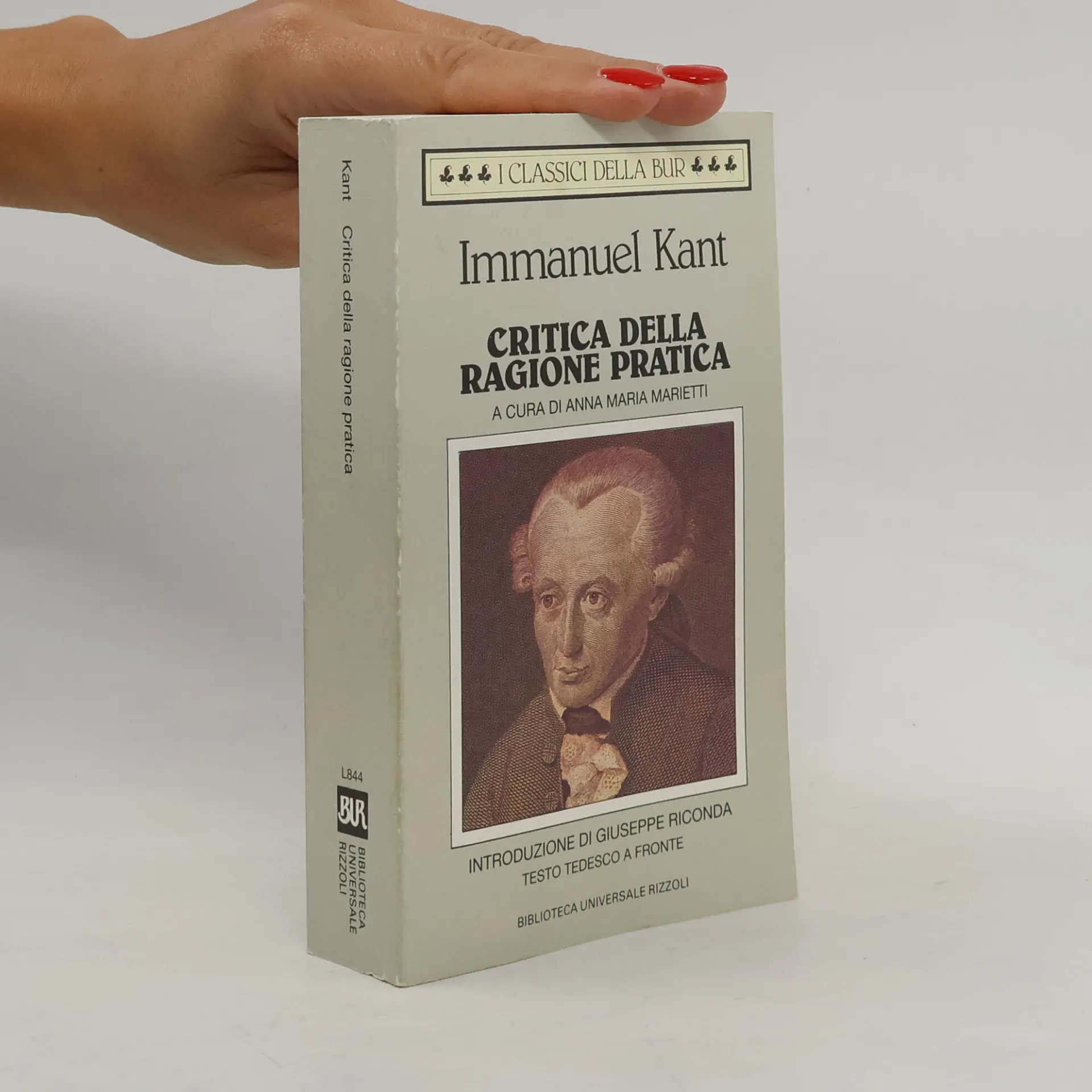
Focusing on moral philosophy, this influential work by Immanuel Kant delves into practical reason and ethics. As the second of his three critiques, it systematically explores the foundations of moral decision-making, building on concepts introduced in the "Critique of Pure Reason" and setting the stage for the "Critique of Judgment." Published in 1788, it remains a significant contribution to philosophical thought.
Seeks to establish the a priori principles underlying the faculty of judgement. This title deals with the subject of our aesthetic sensibility. It discusses the apparent teleology in nature's design of organisms, that is, organisms display a complex inter-working of parts, which are subordinated as means to serve the purpose of the whole.
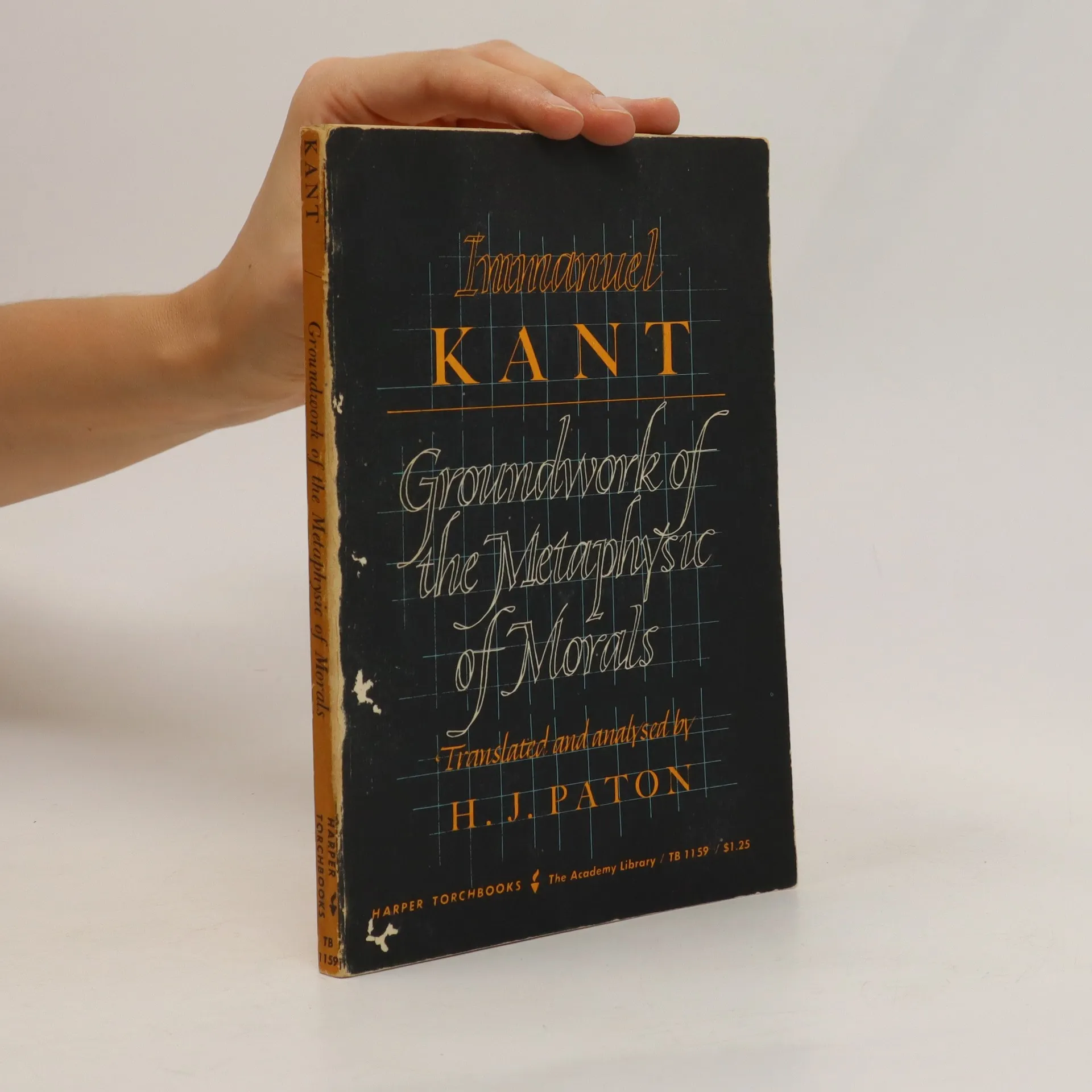
Kant's work articulates and defends the Categorical Imperative, a core principle of moral reasoning. It aims to establish a foundation for understanding justice and human virtues, positioning itself alongside the great philosophers of history. This text is essential for grasping modern moral philosophy and its implications for ethical conduct and moral law.
This book compiles previously untranslated works by Kant along with new translations of his significant contributions to natural science, offering fresh insights into his philosophy and scientific thought.
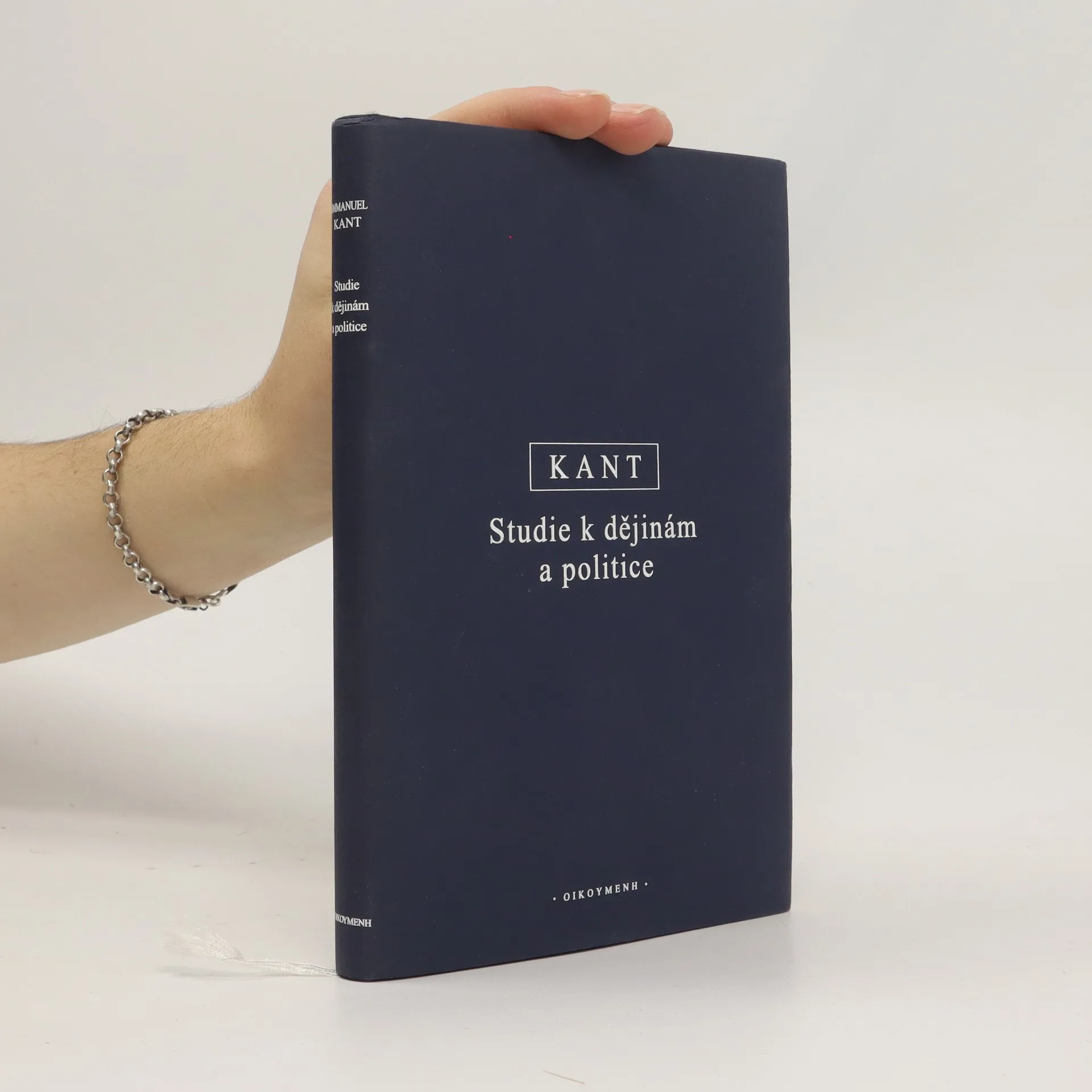
This edition includes two important texts illustrating Kants's view of history along with notes and a comprehensive bibliography.