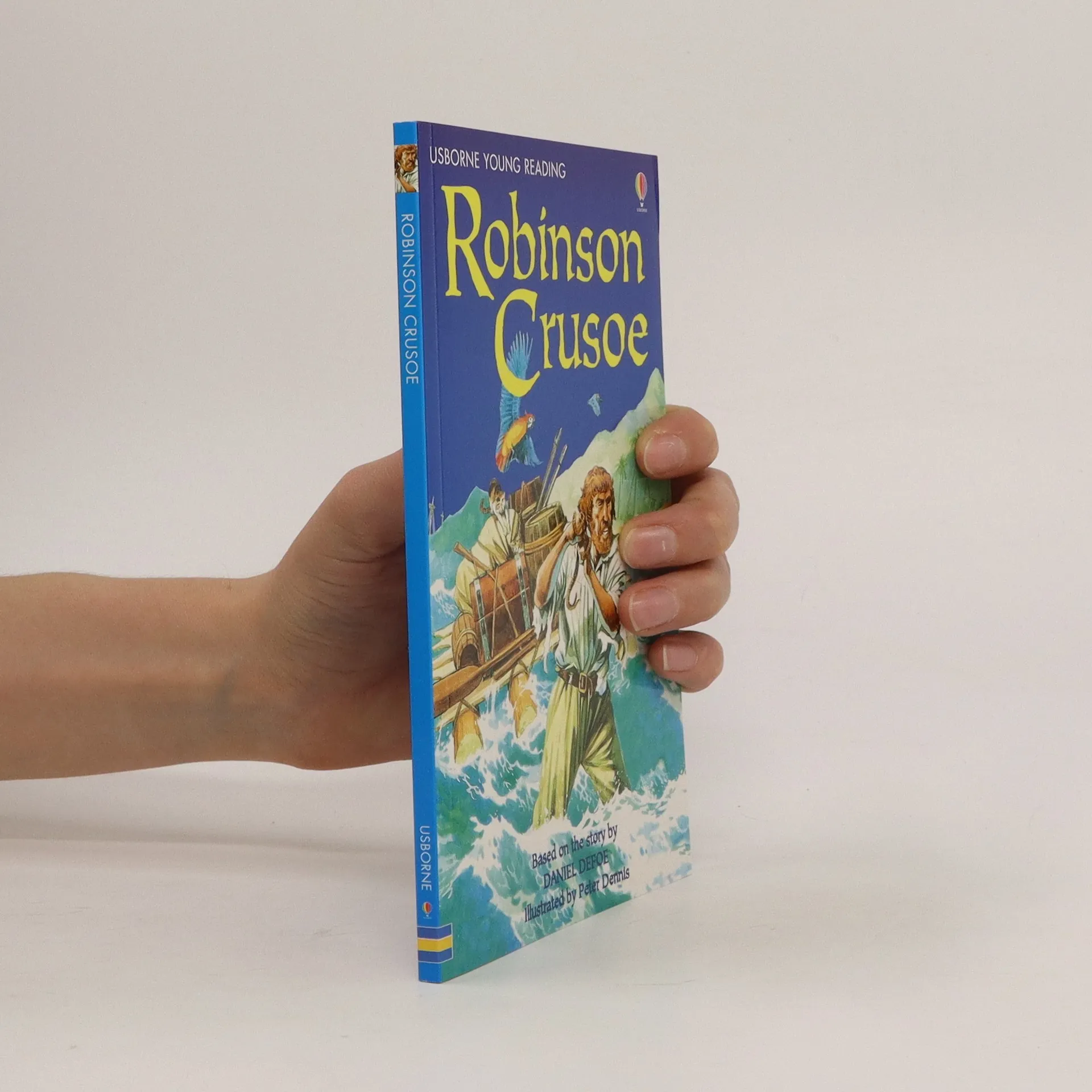
Peter Dennis is een illustrator wiens werk voornamelijk gericht is op historische onderwerpen. Zijn vroege inspiratie kwam voort uit eigentijdse tijdschriften, wat hem ertoe aanzette illustratie te studeren. Sindsdien heeft hij bijgedragen aan een groot aantal boeken en zijn kenmerkende stijl in historische vertellingen gebracht.
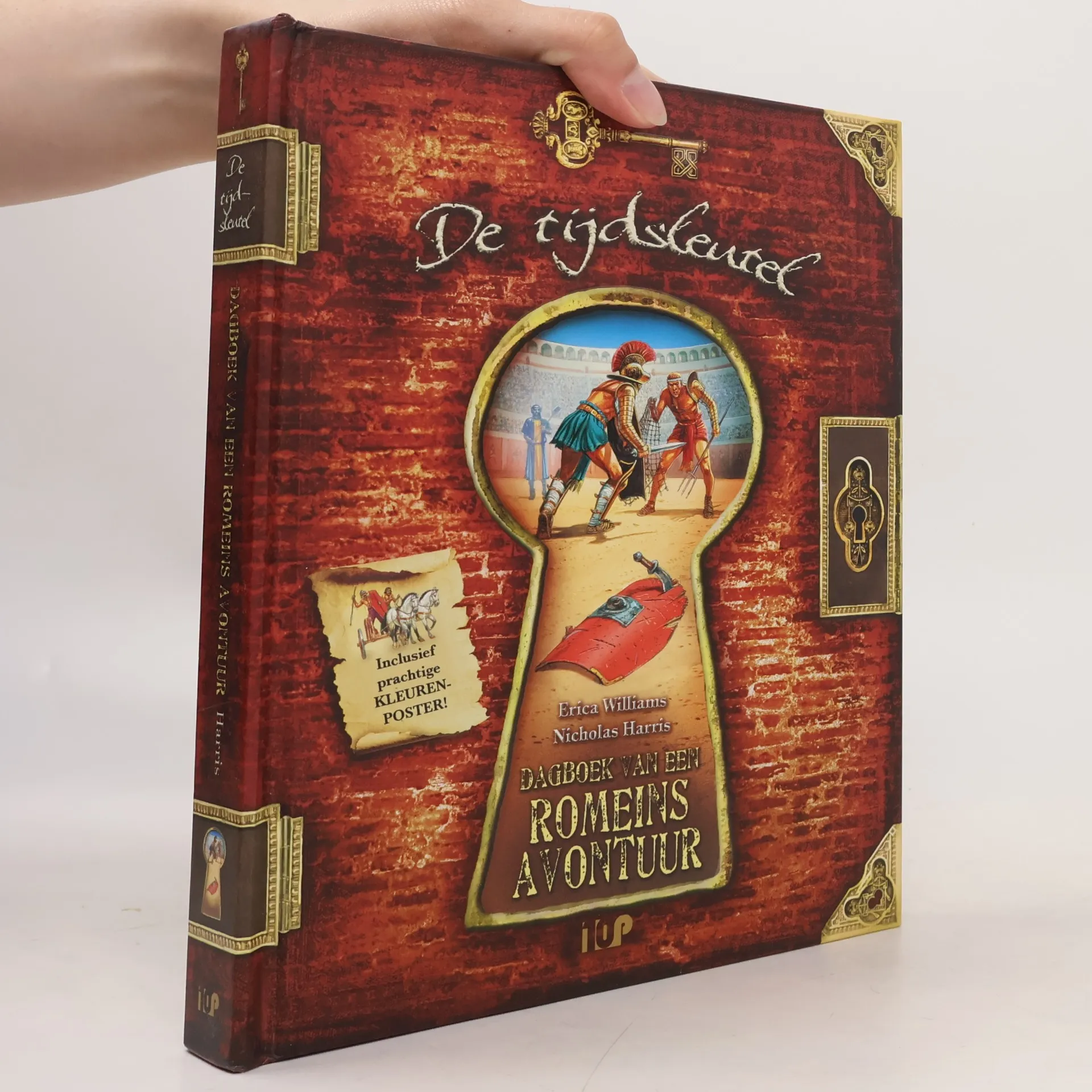
Ooit eens een echt gladiatorengevecht meemaken, dat was de droom van Maisie en haar broer Josh. En nu komt hij uit! Want de geheimzinnige tijdsleutel opent voor hen een magische deur naar het verleden. Ze reizen bijna 2.000 jaar terug in de tijd en bevinden zich opeens in het oude Pompeji. Hun opdracht: een gevangengehouden gladiator uit de kerker bevrijden! Maar dan volgt er een geweldige explosie... de Vesuvius barst uit!
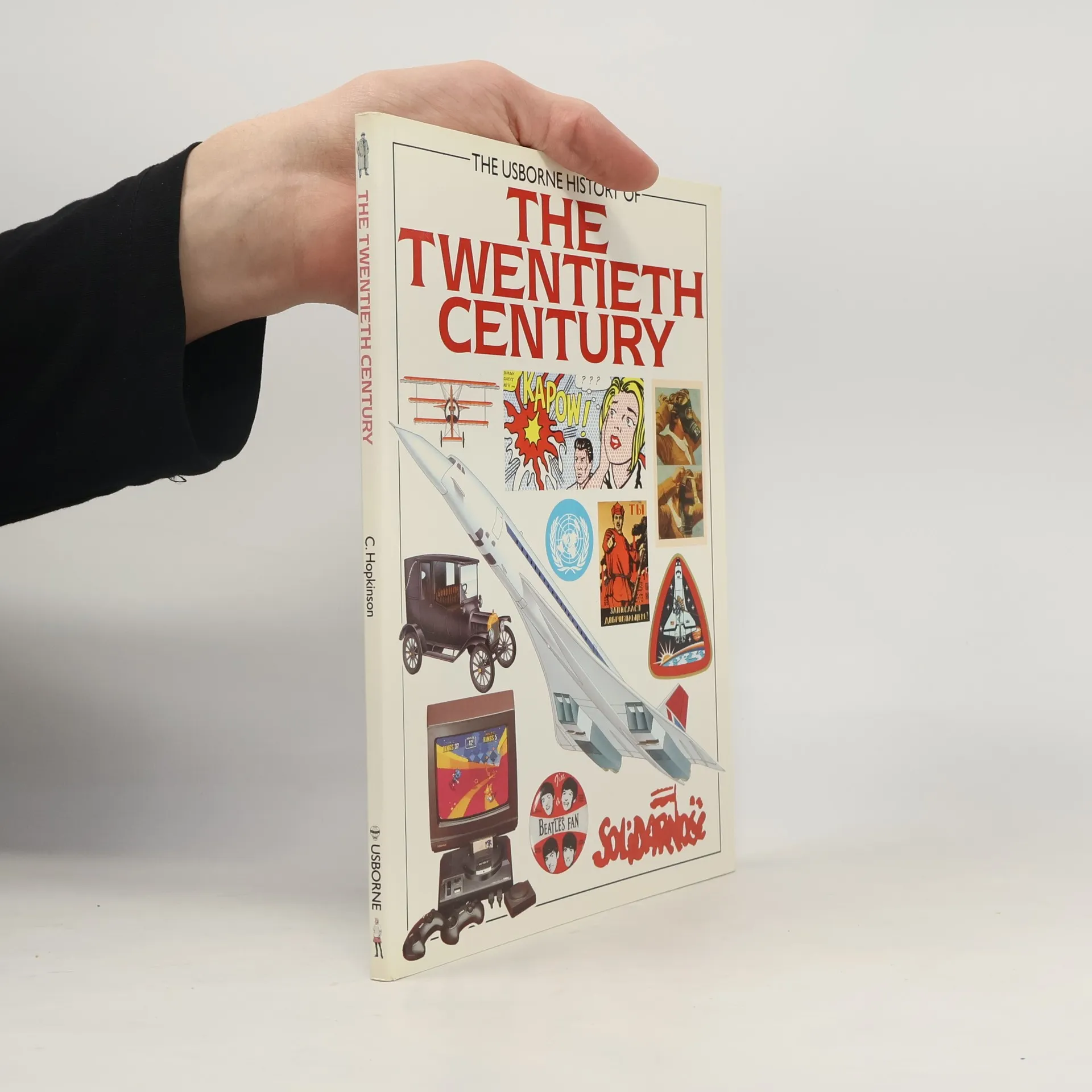
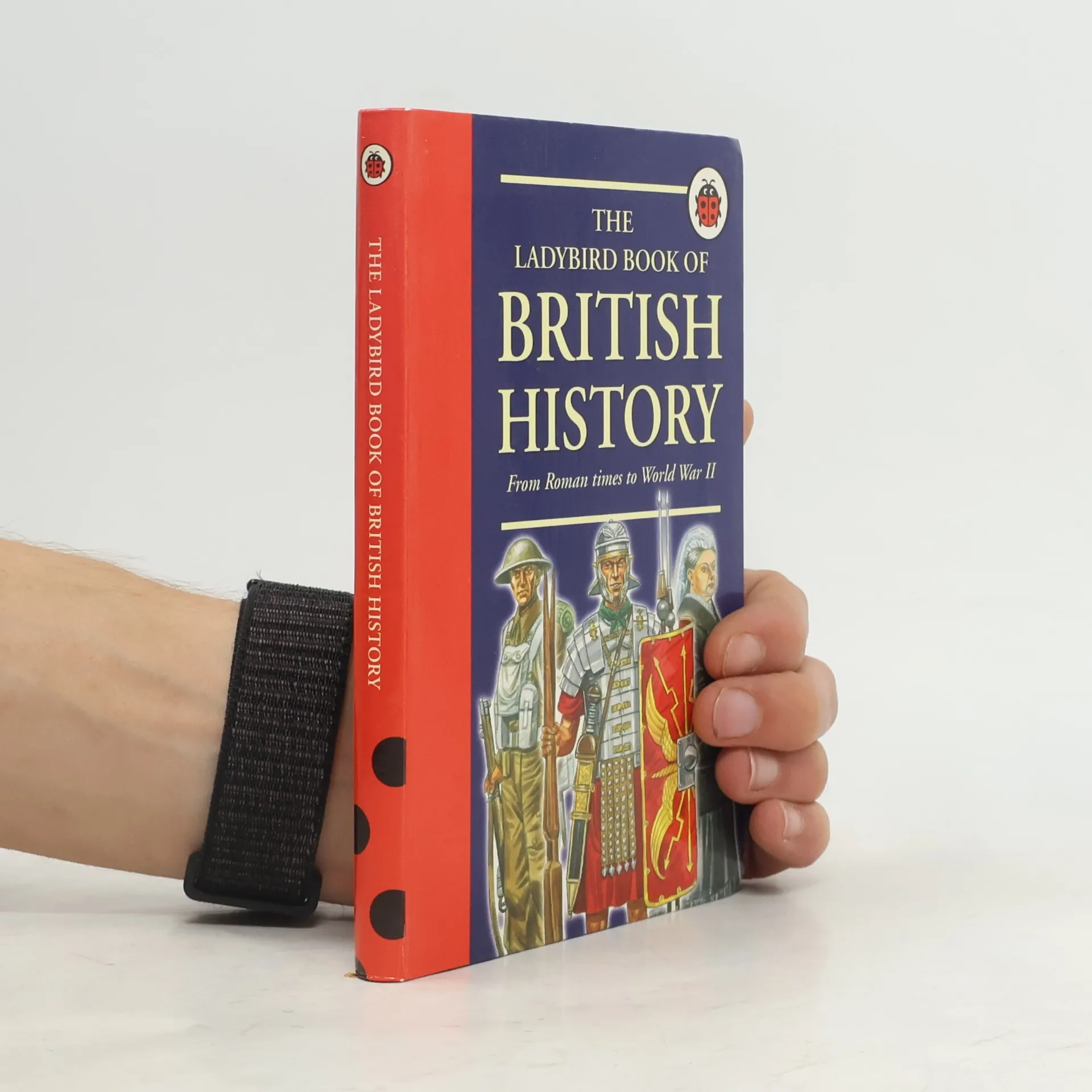
Perfect for school projects, this useful text covers eight areas of history: Romans, Saxons and Normans, Middle Ages, Tudors, Stuarts, Georgians, Victorians and the 20th Century.
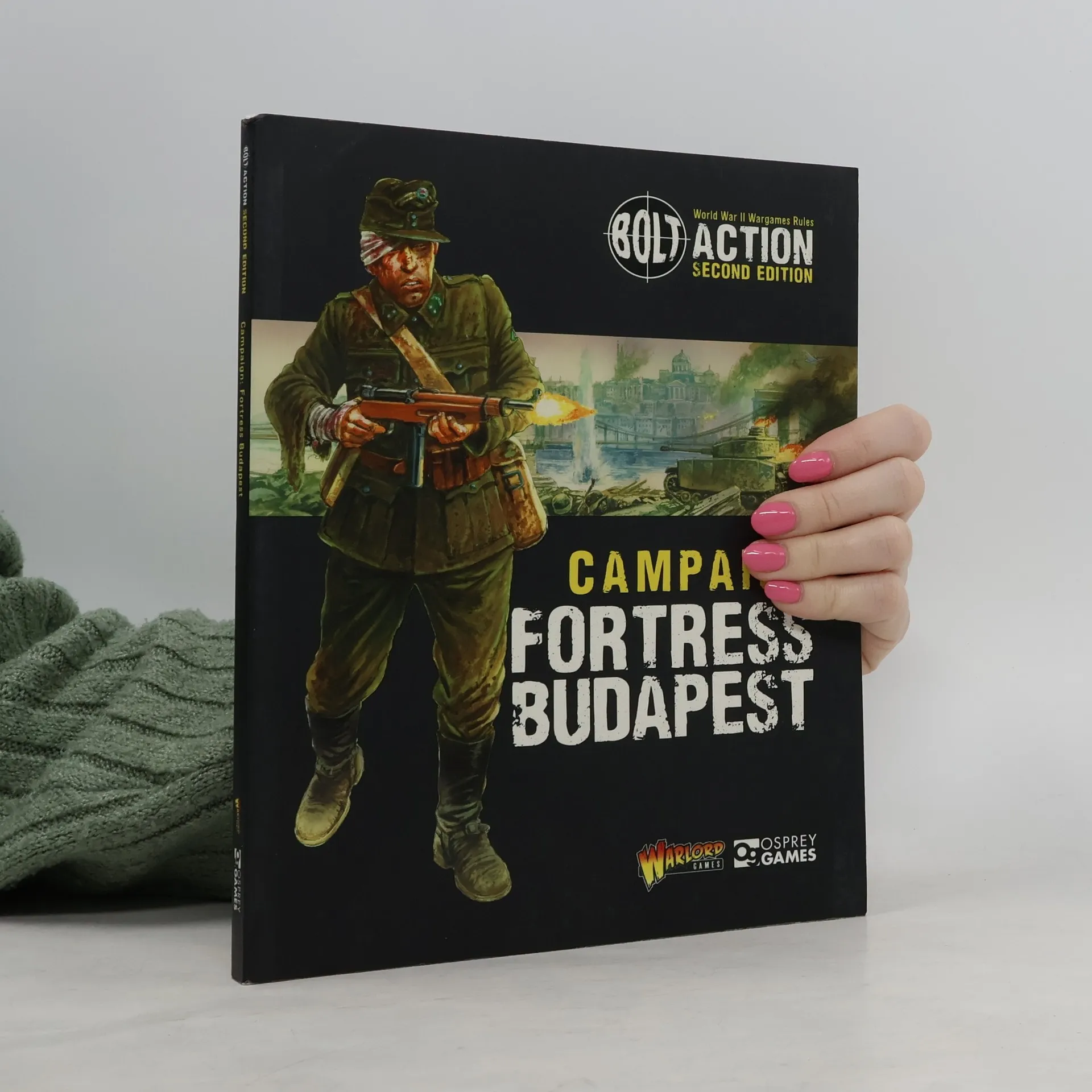
As the Soviet Red Army marches westward, the city of Budapest stands in their way. Encircled and severely outnumbered, the German and Hungarian forces attempt to resist the Soviet juggernaut and defend Festung Budapest to the last. This book brings the siege of Budapest to the table-top with in-depth information on the forces involved, linked scenarios, and new Theatre Selectors that make this an ideal resource for any Bolt Action player with an interest in the the Eastern Front and the fall of the Reich.
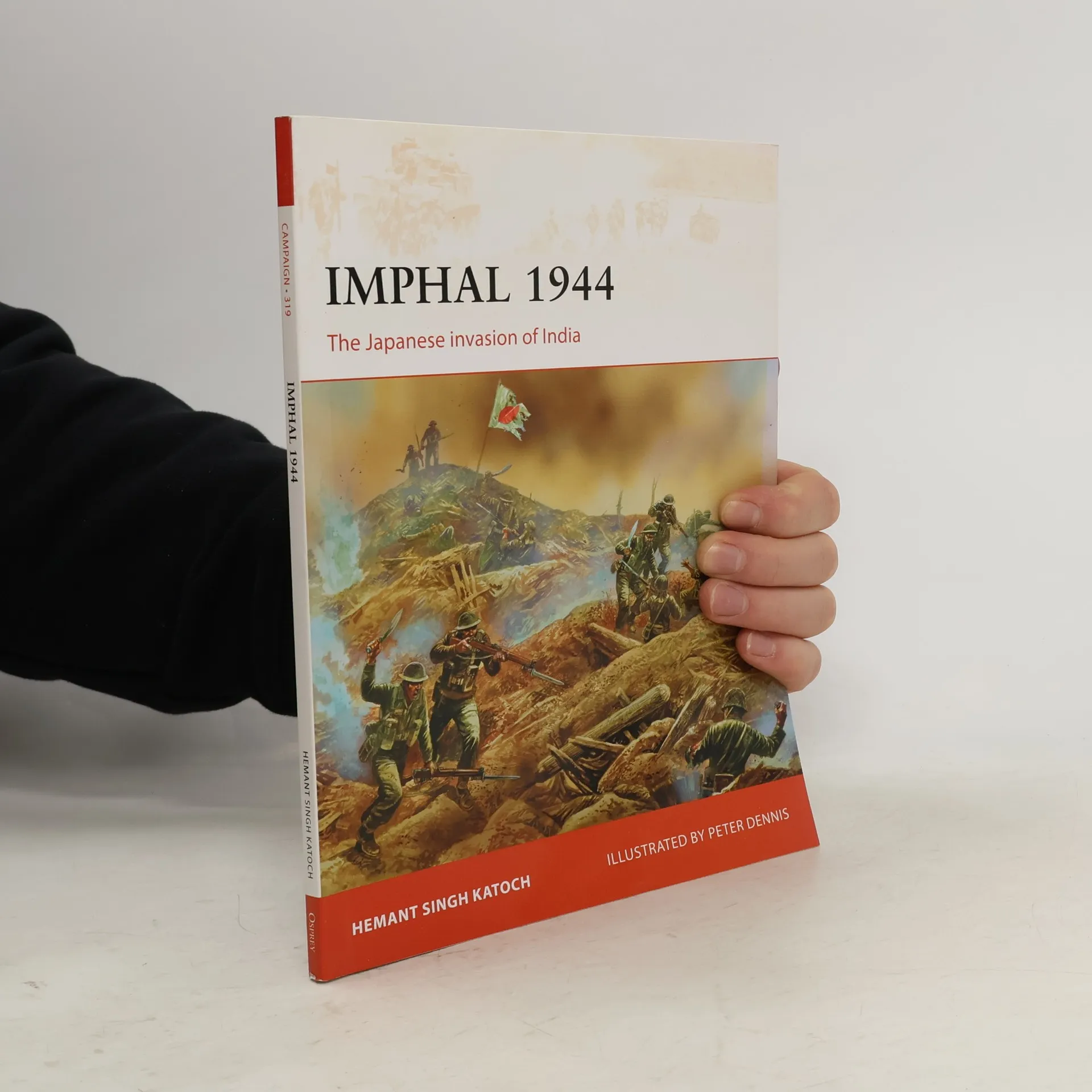
In March 1944, the Japanese Fifteenth Army launched an offensive into India from Burma. Named "U Go," its main objective was the capture of the town of Imphal, which provided the easiest route between India and Burma. Whoever controlled it, controlled access between the two countries. Facing off against the Japanese was the British Fourteenth Army and its Imphal-based 4 Corps. For the next four months, over 200,000 men clashed in the hills and valley of Manipur in what has since been described as one of the greatest battles of World War II. Although numbers vary, it is estimated that some 30,000 Japanese soldiers died and 23,000 were injured at Imphal-Kohima in 1944 due to fighting, disease and in the retreat back to Burma. It remains the largest defeat on land ever for the Japanese Army. With fully commissioned artwork and maps, this is the complete story of the turning point in the Burma campaign in World War II.
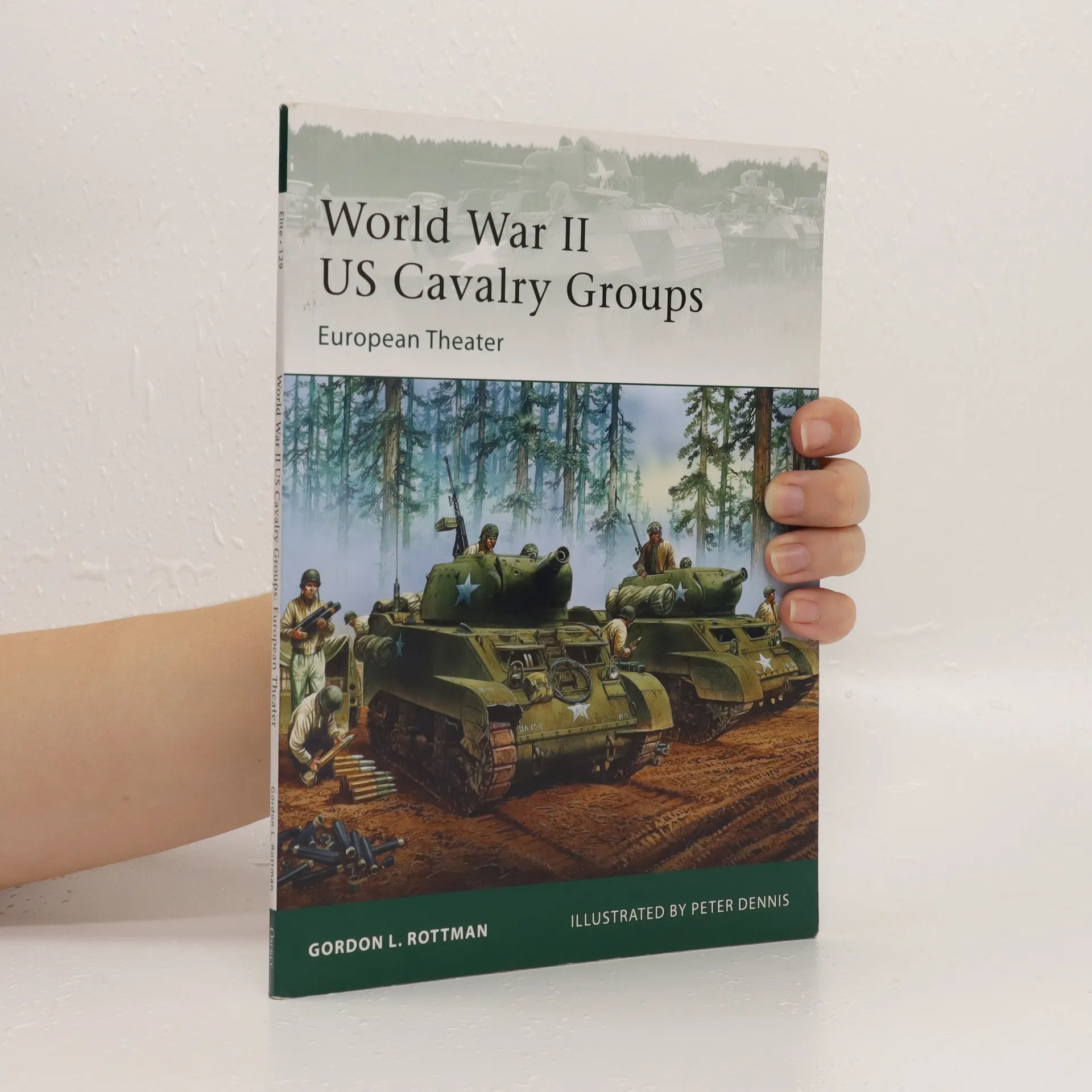
The cavalry regiments of the US Army were in the process of being transformed into a mechanized force when the USA entered World War II. While those cavalry regiments deployed to the Pacific to fight the Japanese were turned into infantry units, those sent to Europe were employed as light armor in the cavalry's traditional spearhead roles - reconnaissance, the screening of advances and flanks, and the pursuit of beaten enemy forces. Equipped with M8 Greyhound armored cars, M5 Stuart and M24 Chaffee light tanks, and halftracks, these units were designated cavalry groups (mechanized), each c. 1,700 strong and divided into two heavily armed squadrons. They were seldom attached to divisions, but to higher-level corps commands, meaning they could be shifted around quickly and independently and be formed at need into flexible battle groups with armored, infantry, and other units, depending on the mission. Thirteen CG(M)s fought in Europe, seeing a great deal of action - they were usually the first units in contact with the enemy, and, because of their mobility and freelance role, the ones sent as "fire brigades" to block dangerous gaps. Featuring specially drawn full-color illustrations depicting uniforms, insignia, armored vehicles, and tactical scenarios, this is the story of the US cavalry units that led the advance to victory in Europe during World War II.
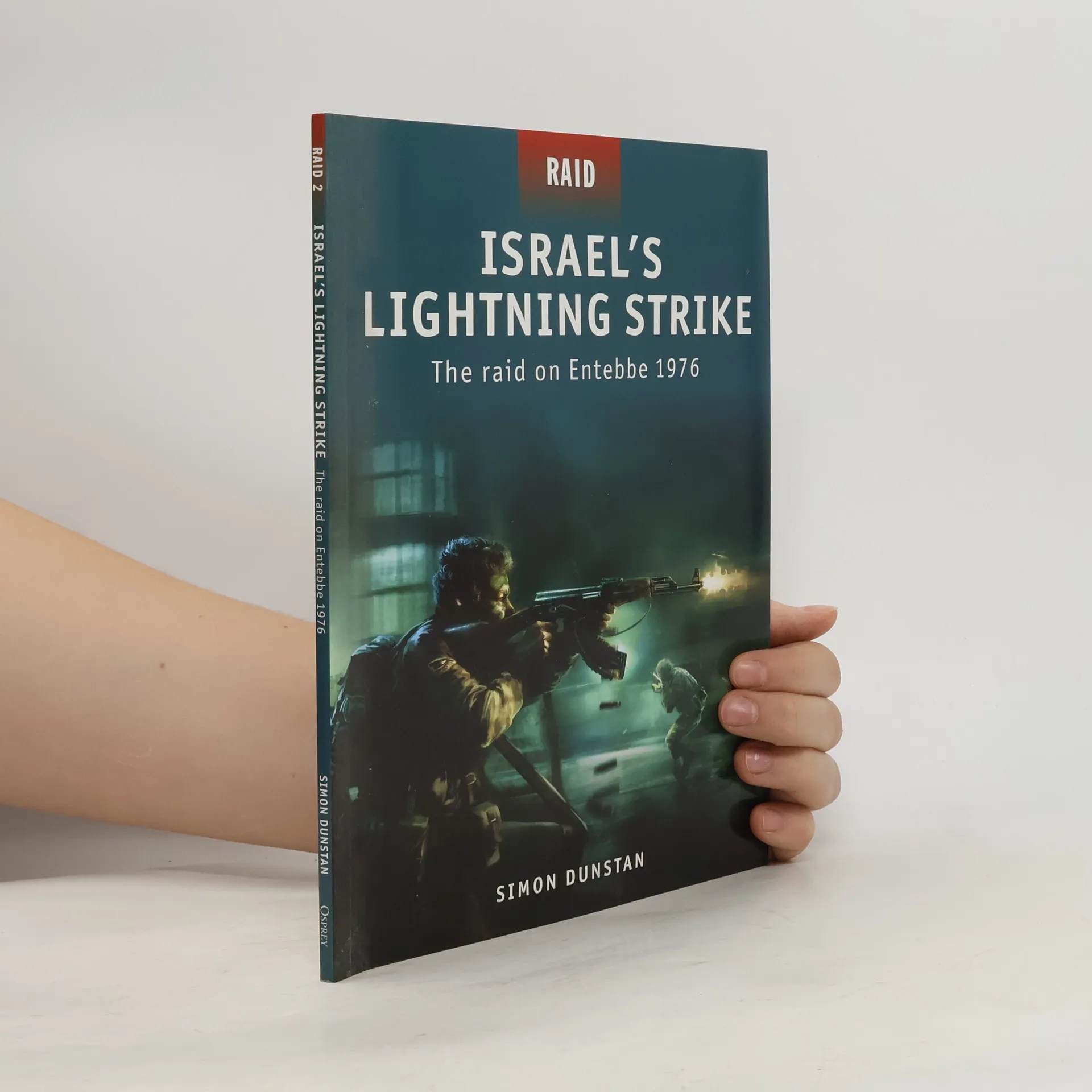
The Israeli Special Forces' operation at Entebbe goes down in history as one of the most audacious counter-terrorist assaults ever conducted. On June 27, 1976, four terrorists (two of the Popular Front for the Liberation of Palestine and two of the German Baader-Meinhof terrorist group) highjacked a passenger jet and forced a landing in Entebbe, Uganda. Here they were met by reinforcements, and transferred all the Jewish and Israeli prisoners to the terminal building, with the exception of a few hostage releases. As Idi Amin's assistance to the terrorists became increasingly clear, the Israeli government began preparations for a military assault. The element of surprise was crucial; never before had such a large-scale raid at such a long distance been successfully undertaken. This is the incredible story of how the Israeli Special Forces defied radar for over 2,000 miles, masqueraded as a tyrant in a Mercedes and captured uniforms, and defeated an army in brutal combat, culminating in a triumph of sheer audacity and nerve. A compelling book chronicling an incredible moment in history.
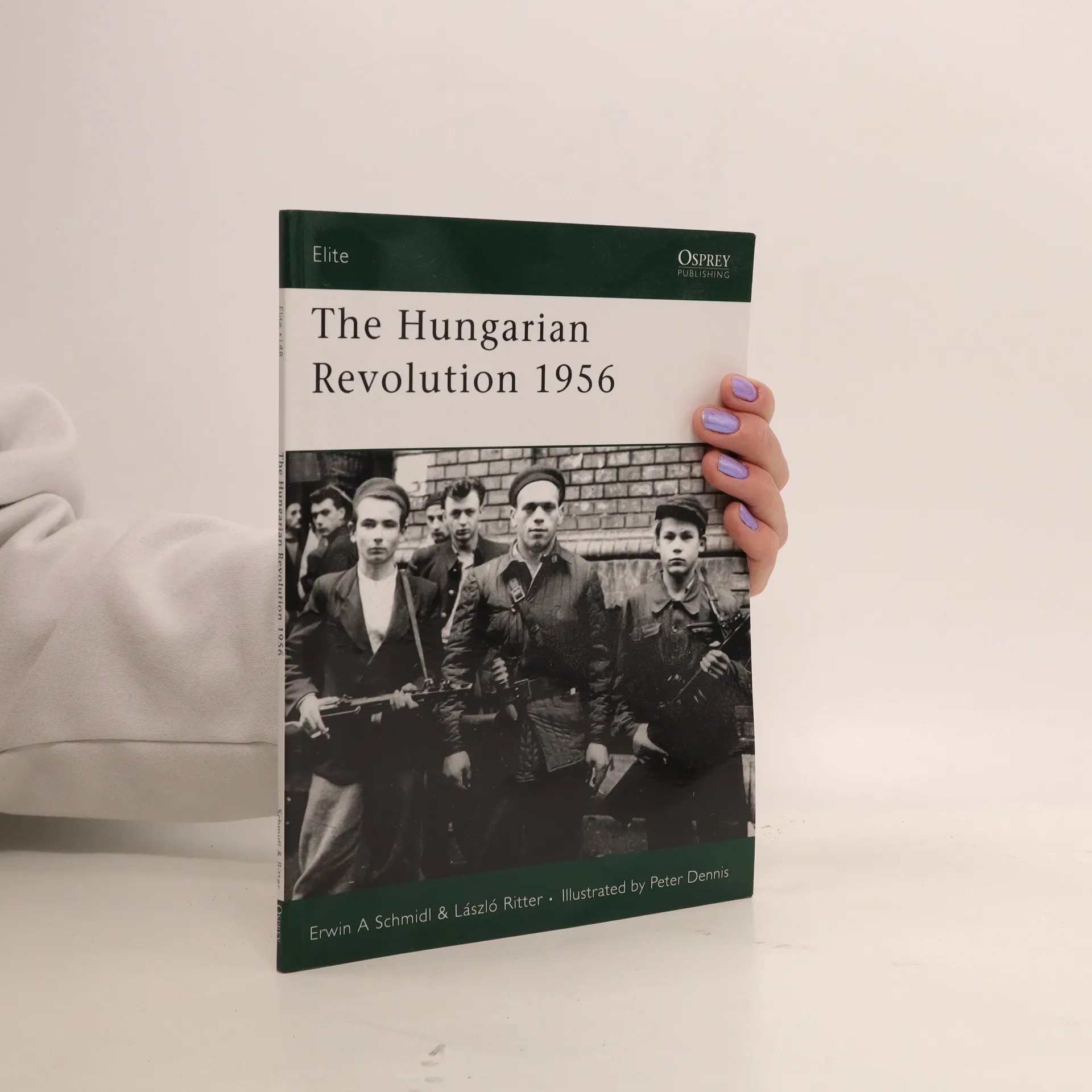
The Hungarian Revolution of October 1956 was the most important armed rising against the USSR during the Cold War. This book uses sources and provides a reassessment five decades after the revolution.
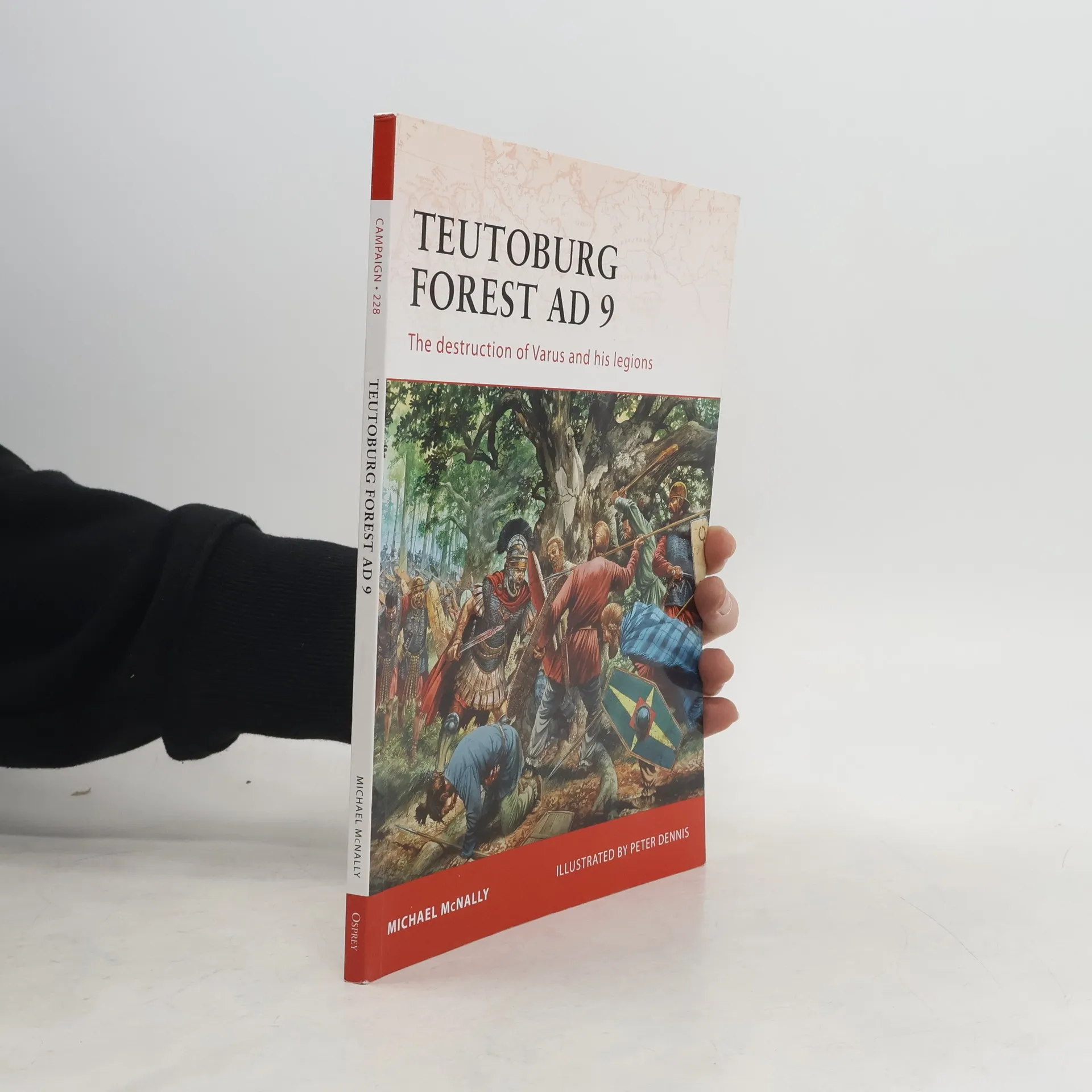
The narrative centers around the catastrophic loss of three Roman legions in the Teutoburg Forest, a pivotal moment in Roman history. It explores the clash between the Roman Empire and Germanic tribes, highlighting the role of Arminius, a Roman-educated leader of the German forces. Michael McNally provides a comprehensive account of this military disaster, enriched by the striking illustrations of Peter Dennis, which enhance the understanding of the events and their significance in shaping the future of Rome.
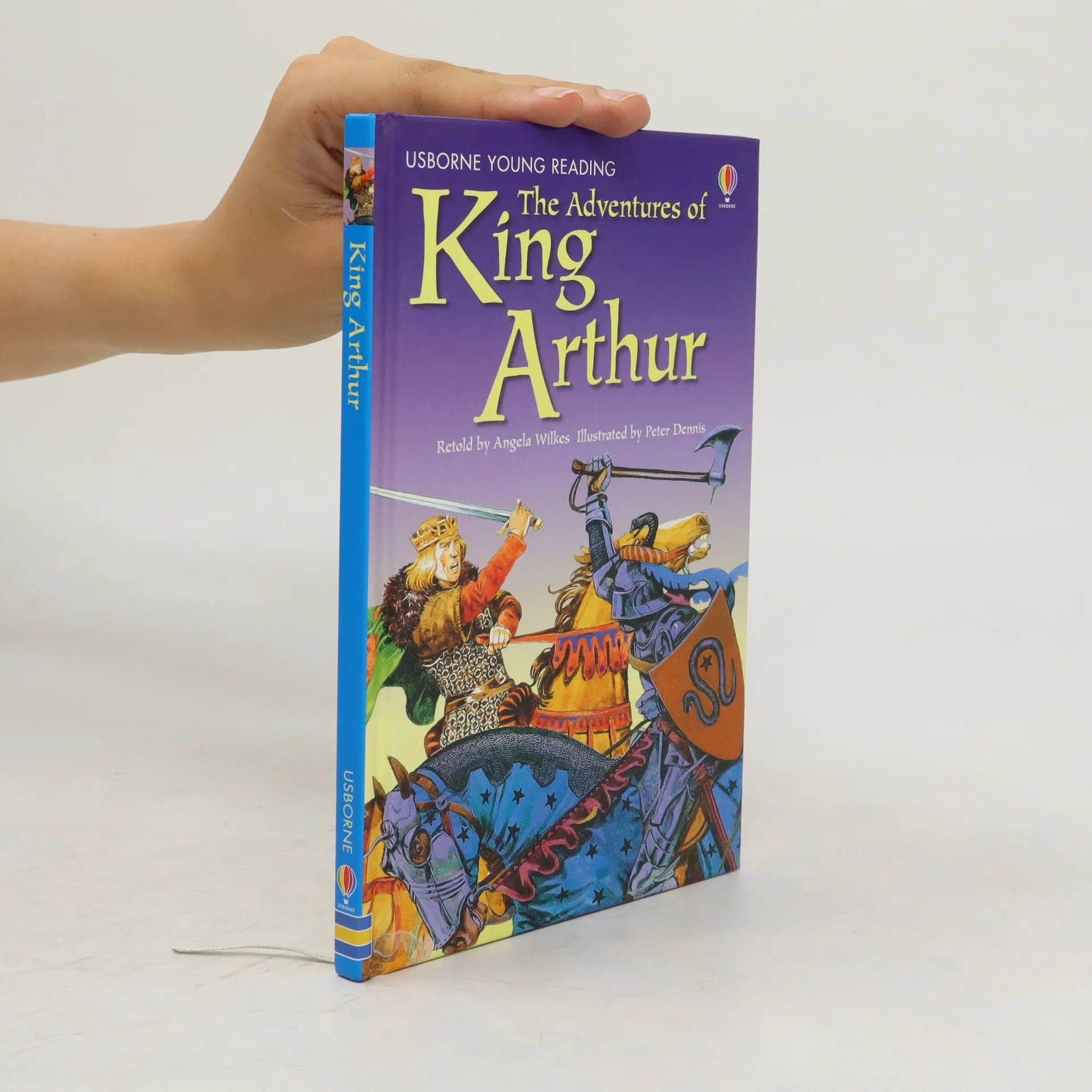
Young readers can enjoy the medieval legend of King Arthur, carefully written for children starting to read along. These exciting tales follow Arthur as he rules his kingdom, falls in love and tries to silence those who plot his downfall. 6 yrs+
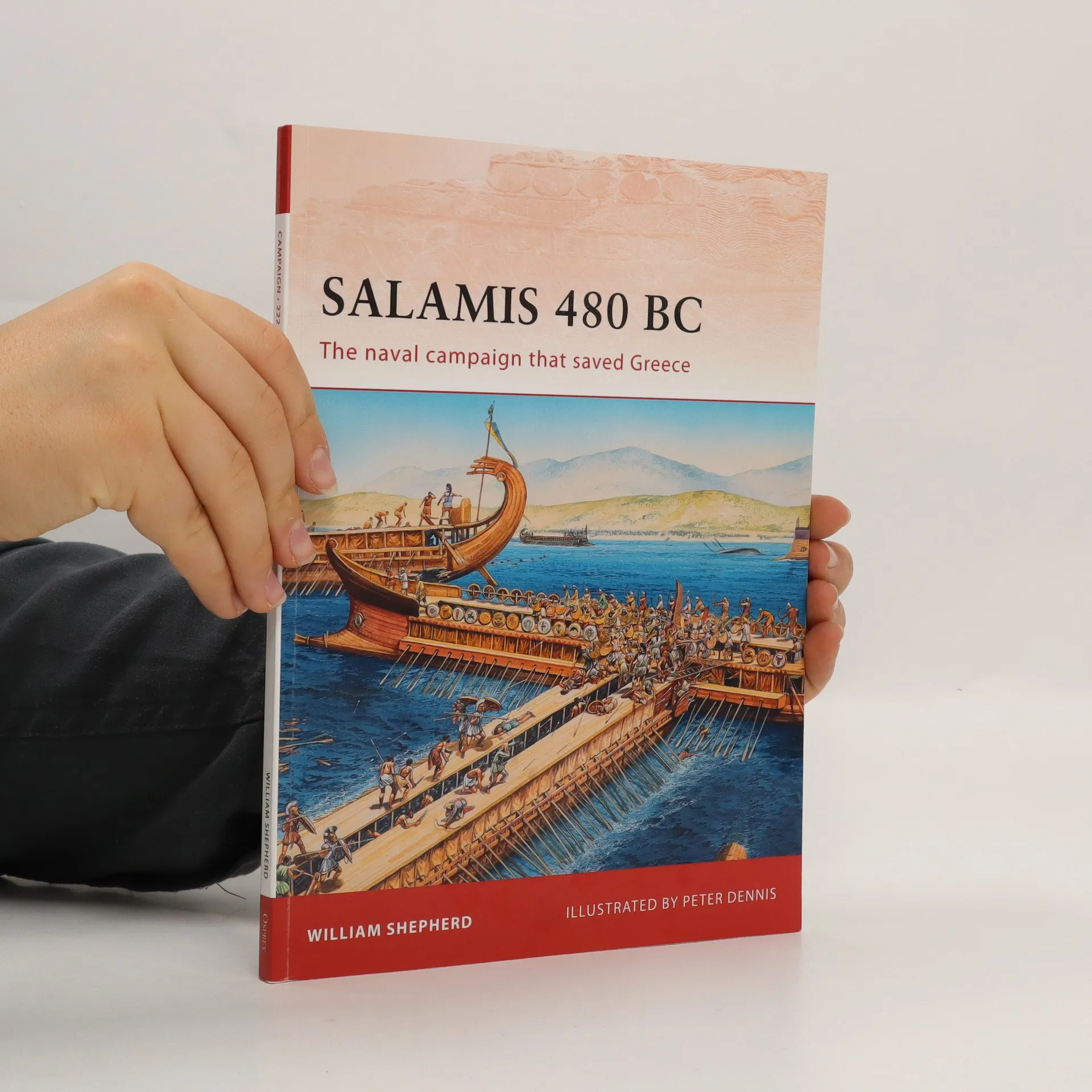
Osprey's study of a crucial battle of the Grerco-Persian Wars (499-449 BC). Weeks after the glorious disaster at Thermopylae and heavy but inconclusive fighting at sea off Artemisium, with Athens now in barbarian hands and the Acropolis burned, the Greeks dramatically halted the Persian invasion of 480BC. They brought the 600-strong Persian fleet to battle with their 350 triremes in the confined waters of the straits of Salamis and, through a combination of superior tactics and fighting spirit, won a crushing victory. This drove the Persian navy out of the western Aegean and enabled the Hellenic Alliance to combine its manpower in sufficient force to destroy the massive occupying army in the following year. Victory over the Persians secured the 5th century flowering of Greek and, in particular, Athenian culture and institutions that so influenced the subsequent development of western civilisation.This book draws extensively on the findings of archaeological, technological and naval research, as well as on the historical sources to vividly recreate one of the most important naval campaigns in world history.
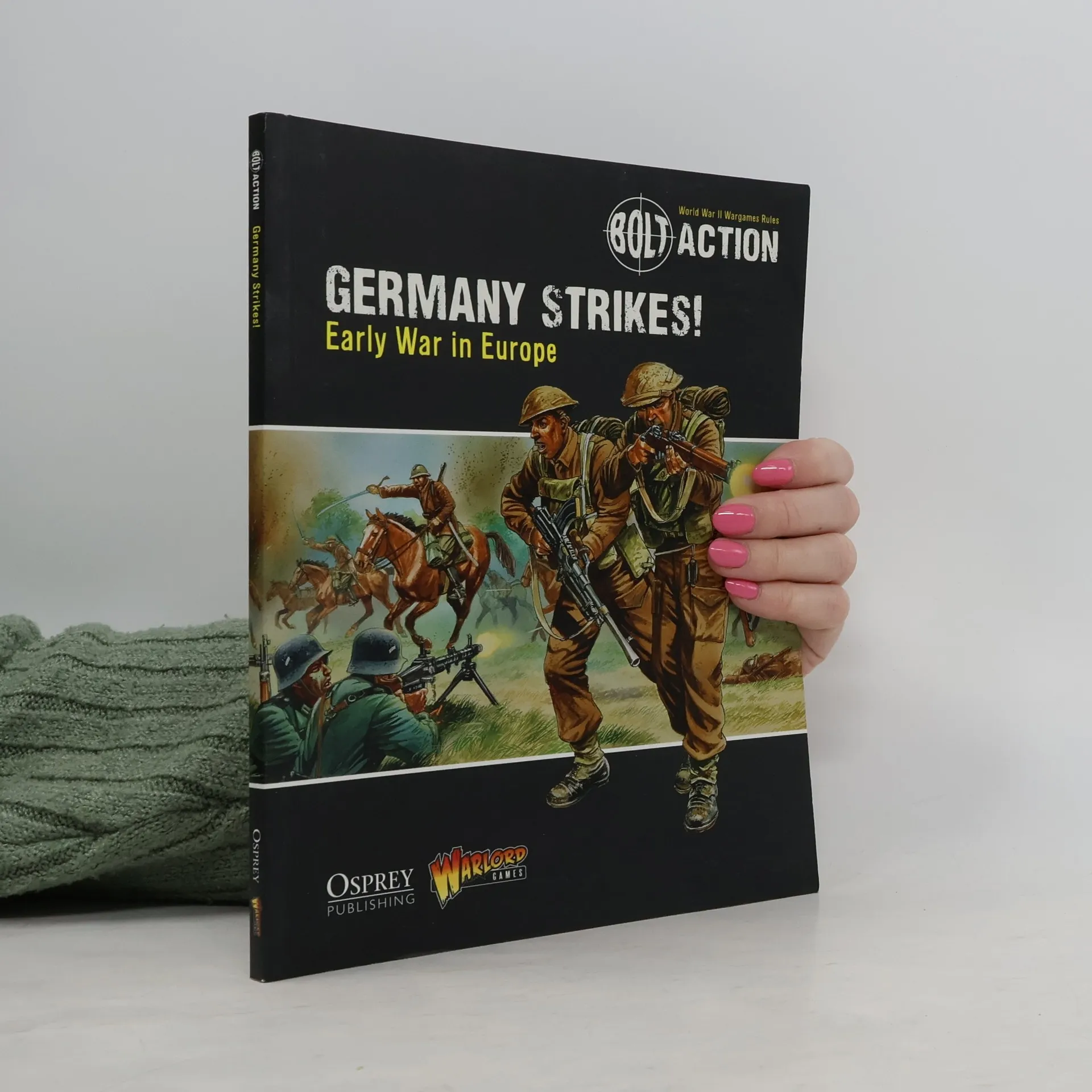
In 1939, Germany shattered the peace of Europe with a lightning-fast strike against Poland. In less than two years of fighting, Nazi Germany became the master of mainland Europe. This theatre book for Bolt Action allows players to command armies of German tanks driving across the continent or to lead the defense of the outgunned Allied armies.
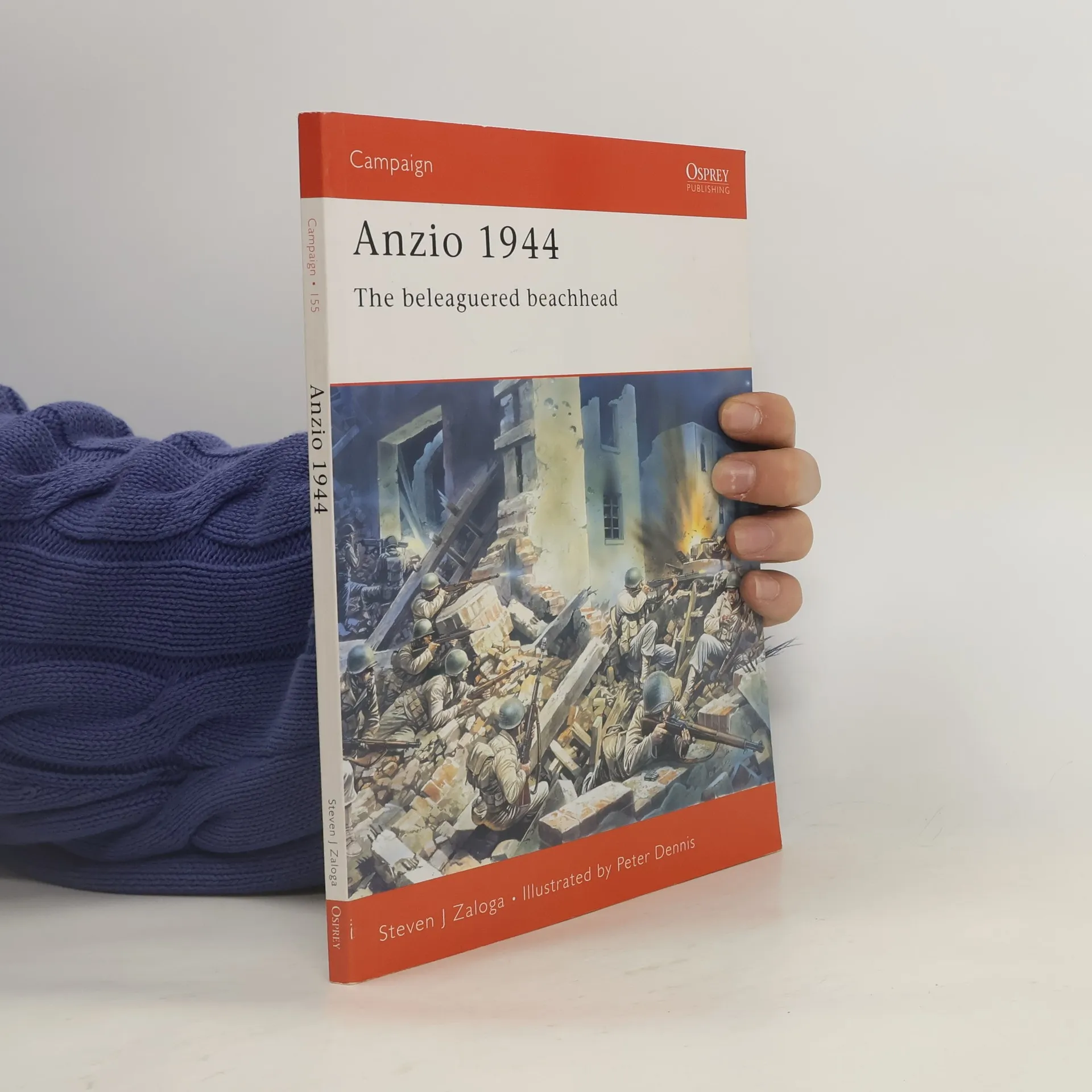
In January 1944, the Allies decided to land at Anzio in order to overcome the stalemate at Cassino.This amphibious landing has become one of the most controversial campaigns of World War II (1939-1945). Questionable decisions by the Allied leadership led to three months of World War I-style trench warfare, and the entire beachhead suffered from continuous German observation and bombardment. Vividly describing each thrust and counter-thrust, this book takes us through the agonizing struggle as each side sought to retain or regain mastery. It shows how Anzio proved to be a stepping stone not only to Rome but also to the liberation of Italy.
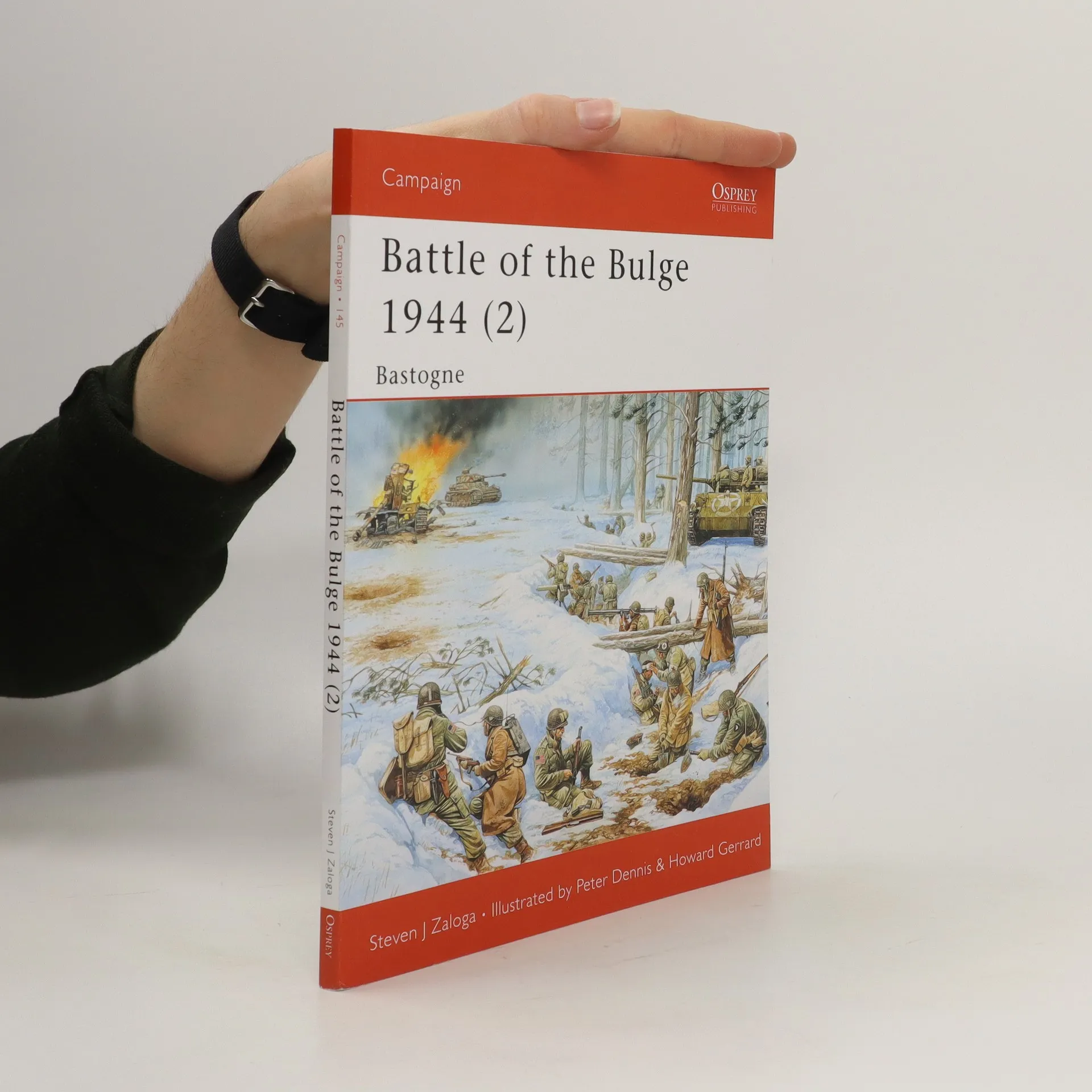
Osprey's second title examining the Battle of the Bulge, which was the largest and most costly battle fought by the US Army in World War II (1939-1945). When the attack in the north by 6th Panzer Army failed, Hitler switched the focus of the offensive to General Manteuffel’s 5th Panzer Army farther south. Overwhelming the green US 106th Division, German Panzers flooded towards the River Meuse. Barring their way was the crossroads town of Bastogne, reinforced at the last minute by the paratroopers of the 101st Airborne, the ‘Screaming Eagles”. The stage was set for one of the epic struggles of the war – the battle for Bastogne.
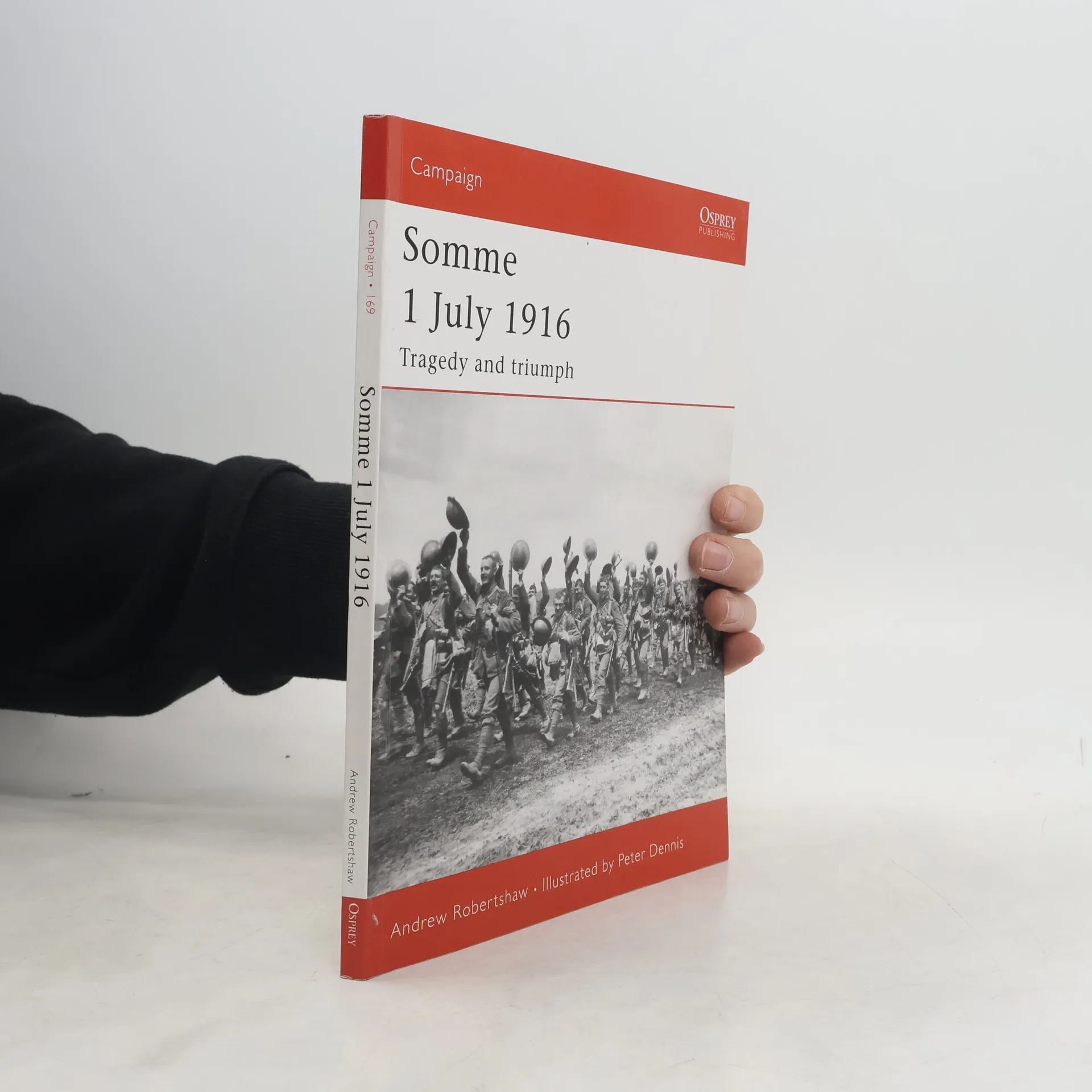
The first day of the Battle of the Somme of World War I (1914-1918) is still on record as having the largest number of deaths in any one day in any war. This book explores the myths of this infamous battle, and the use of mines, tunnels, gas and flame-throwers by the British in combination with innovative tactics such as smoke. Andrew Robertshaw analyses the first day of the battle, explaining how British tactics developed as a result of the experience of the Somme, and provides an overview of the events along the entire front line, examining the actions of two British Corps, VIII at Serre and XIII at Montauban.
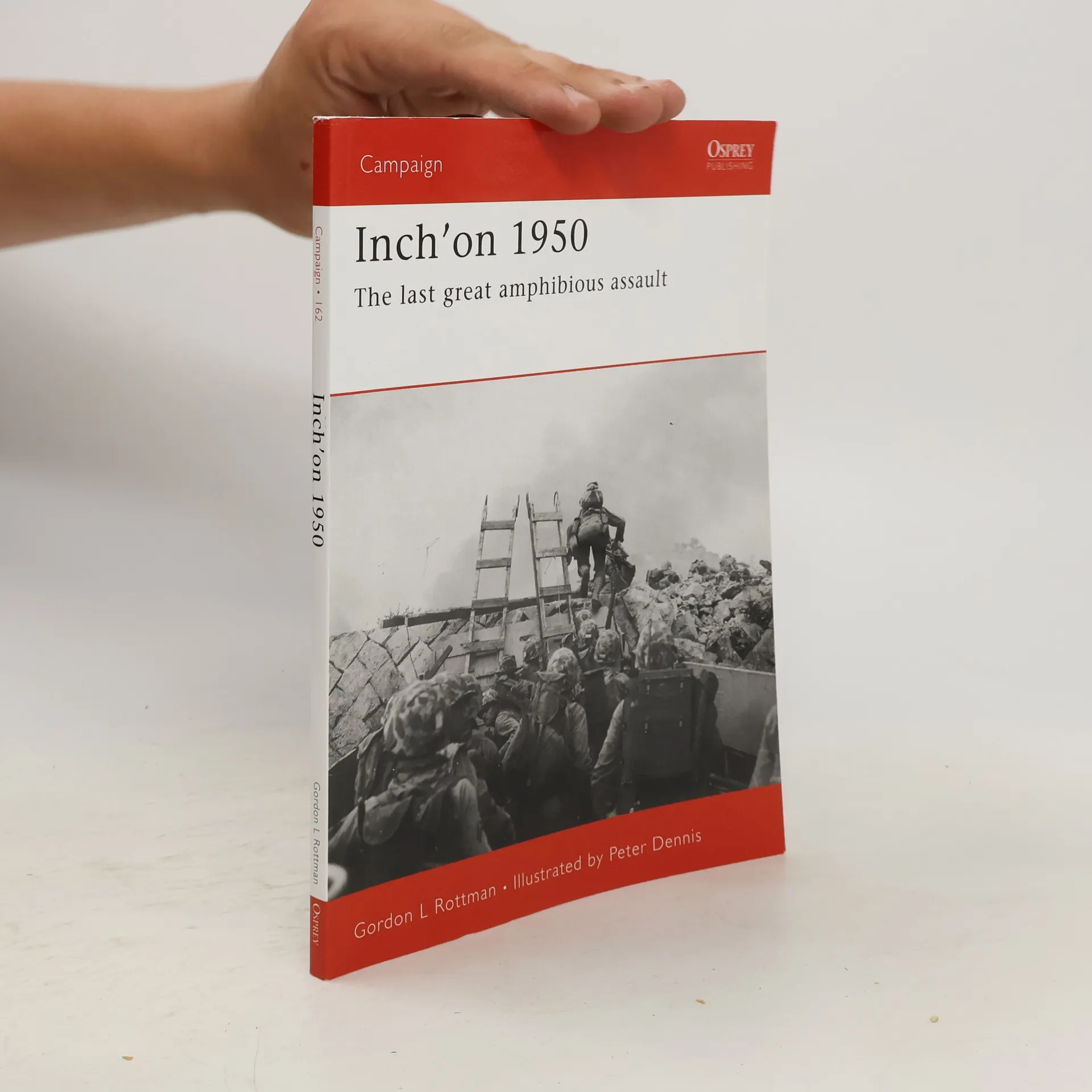
Osprey's study of Inch'on, which was probably the most significant campaign in the Korean War (1950-1953), as well as the last major amphibious assault of division-size conducted in the history of warfare. The odds were stacked against the US troops, with virtually no time for training and many of the divisions unprepared for the conflict. The success of the Inch'on campaign is a testament to the sheer initiative of the officers and NCOs conducted it. This book details the strategy and tactics that led to the operation's success, as well as narrating the experience of the battle in fascinating detail.
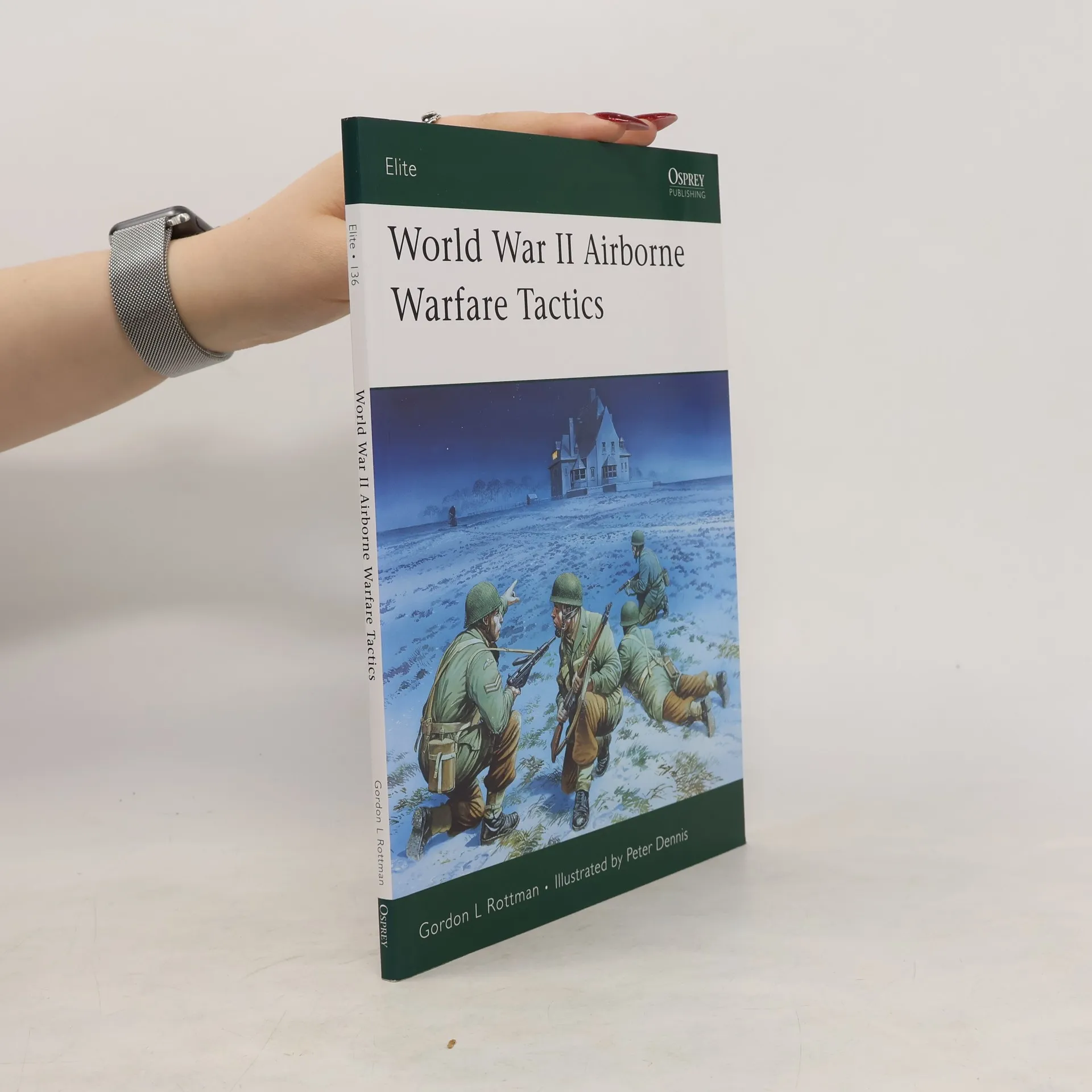
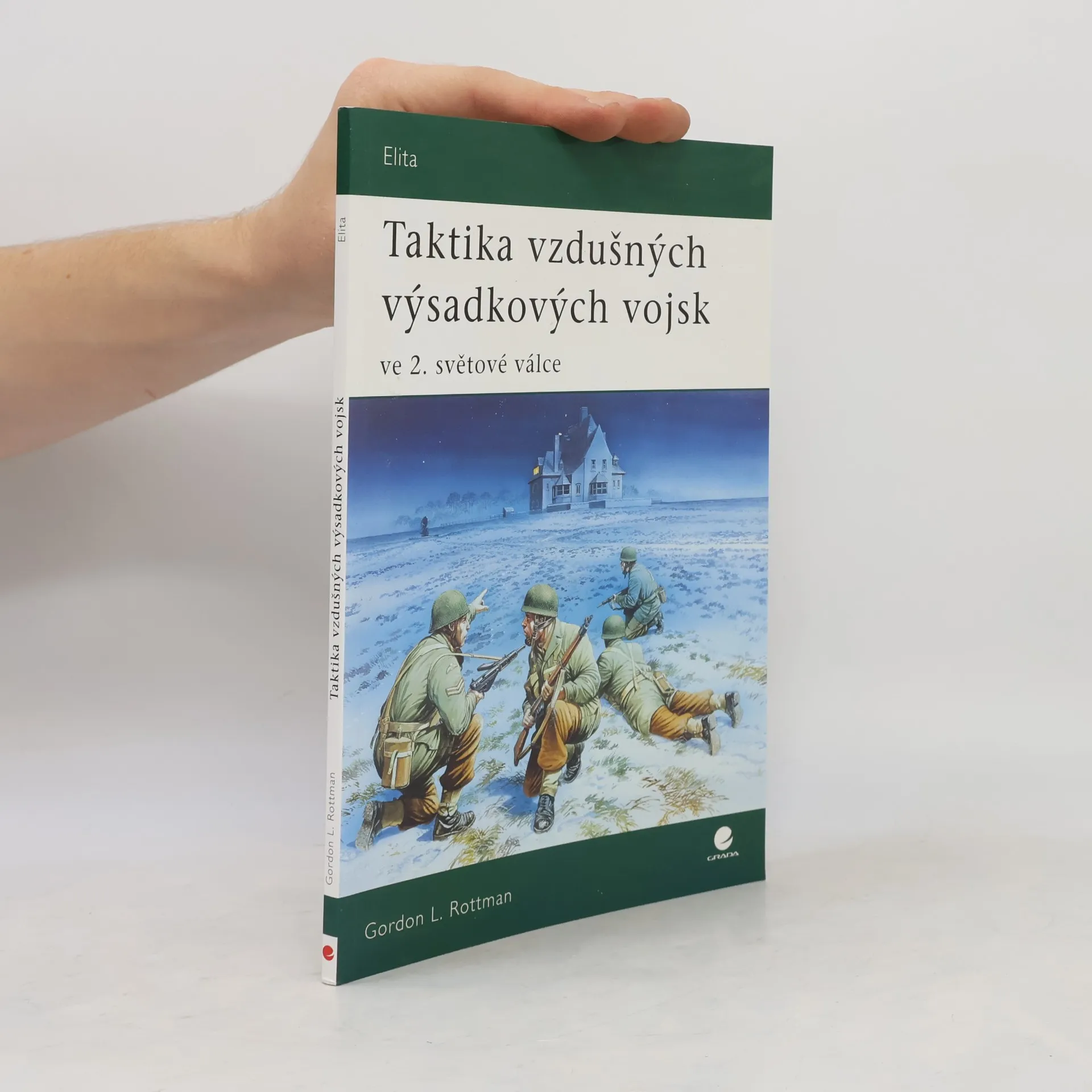
Osprey's study of air battle tactics of World War II (1939-1945). The delivery of entire divisions to battlefields behind enemy lines by parachute and glider played a significant part in the European campaigns of World War II. Despite notable successes, the costs and difficulties of this wholly new form of warfare have prevented airborne operations on a comparable scale since 1945. This book - by an airborne veteran of a later generation - explains in detail their advantages and drawbacks, developing techniques and equipment, with reference to specific German, US, British, Soviet and Japanese operations. The text is illustrated with period photographs, colour artwork and operation maps.
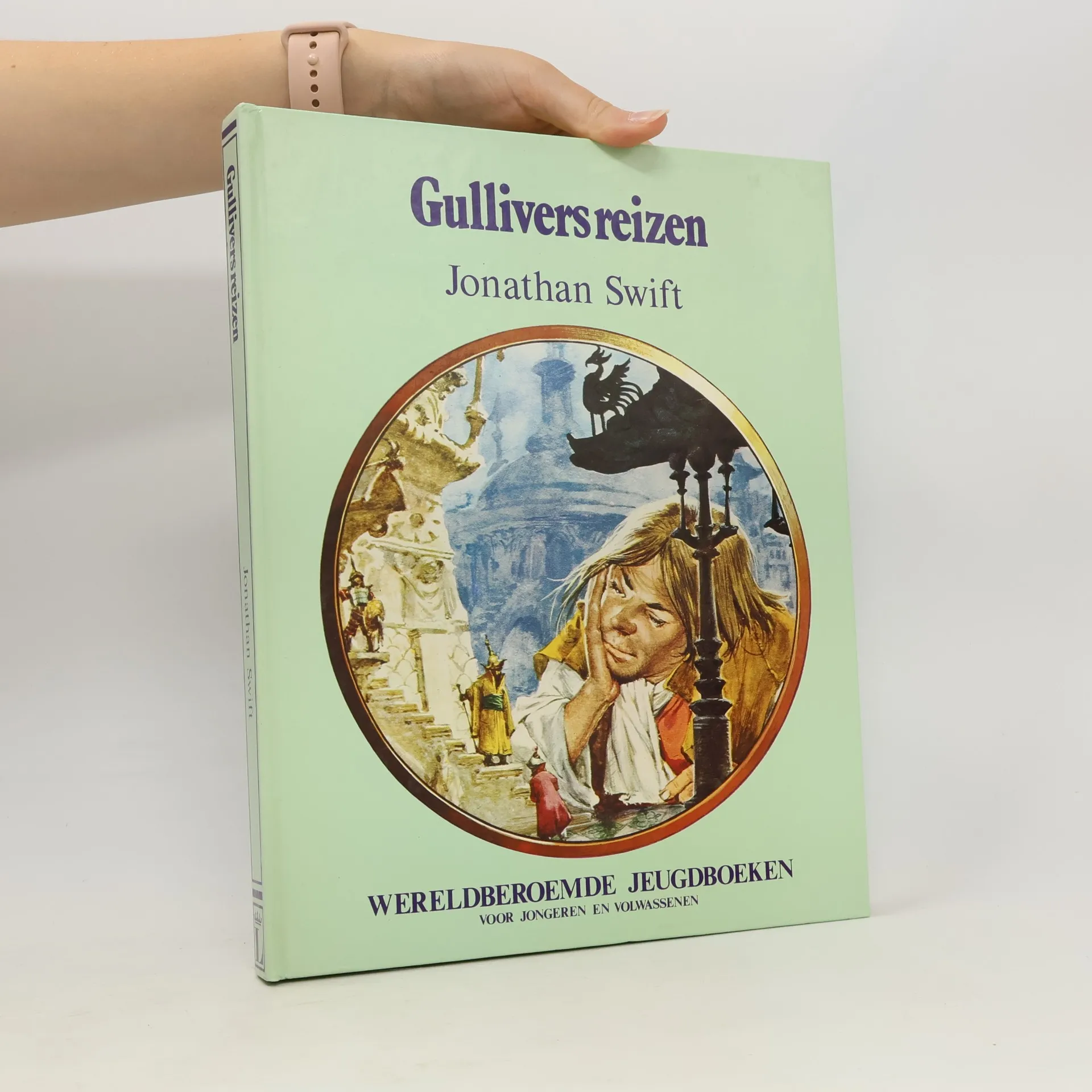
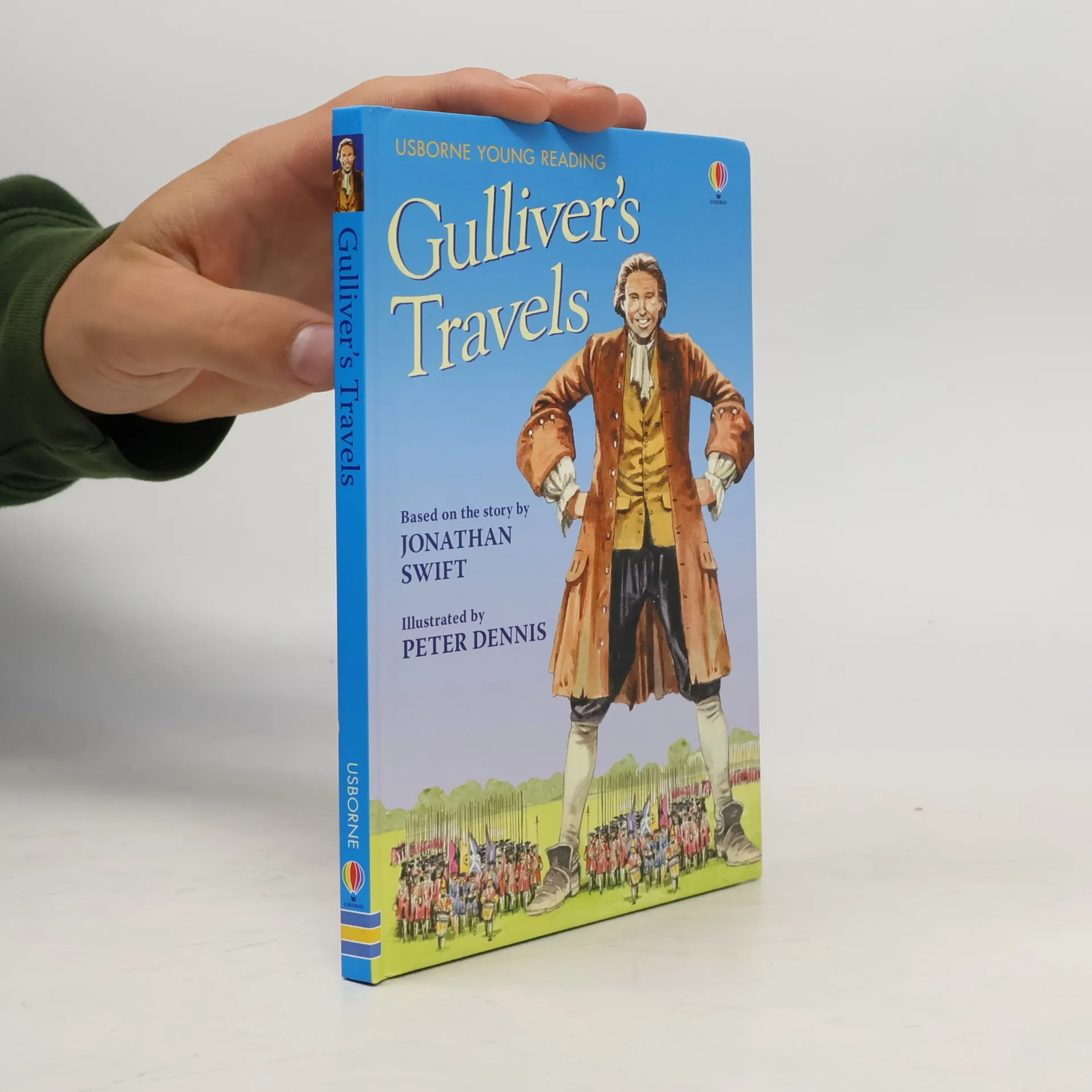
Een geniale satire die komische omkeringen gebruikt om inzichten in de menselijke natuur en de samenleving te bieden. Het volgt de vier reizen van Lemuel Gulliver, een scheepschirurg. In Lilliput ontdekt hij een miniatuurwereld, torenhoog boven zijn inwoners, en observeert hun samenleving vanuit een goddelijke perspectief. In Brobdingnag daarentegen wordt Gulliver de nieuwsgierigheid, tentoongesteld op markten als een klein mannetje tussen reuzen. Zijn reis gaat verder naar Laputa, een vliegend eiland waar hij een samenleving van speculanten tegenkomt die losgekoppeld zijn van de werkelijkheid, terwijl ze hun thuisland in verval laten raken en zich obsessief bezighouden met onpraktische ideeën. Ten slotte bereikt hij het land van de Houyhnhnms, vriendelijke paarden die hij bewondert, in scherp contrast met de Yahoos, vuile wezens die op mensen lijken.
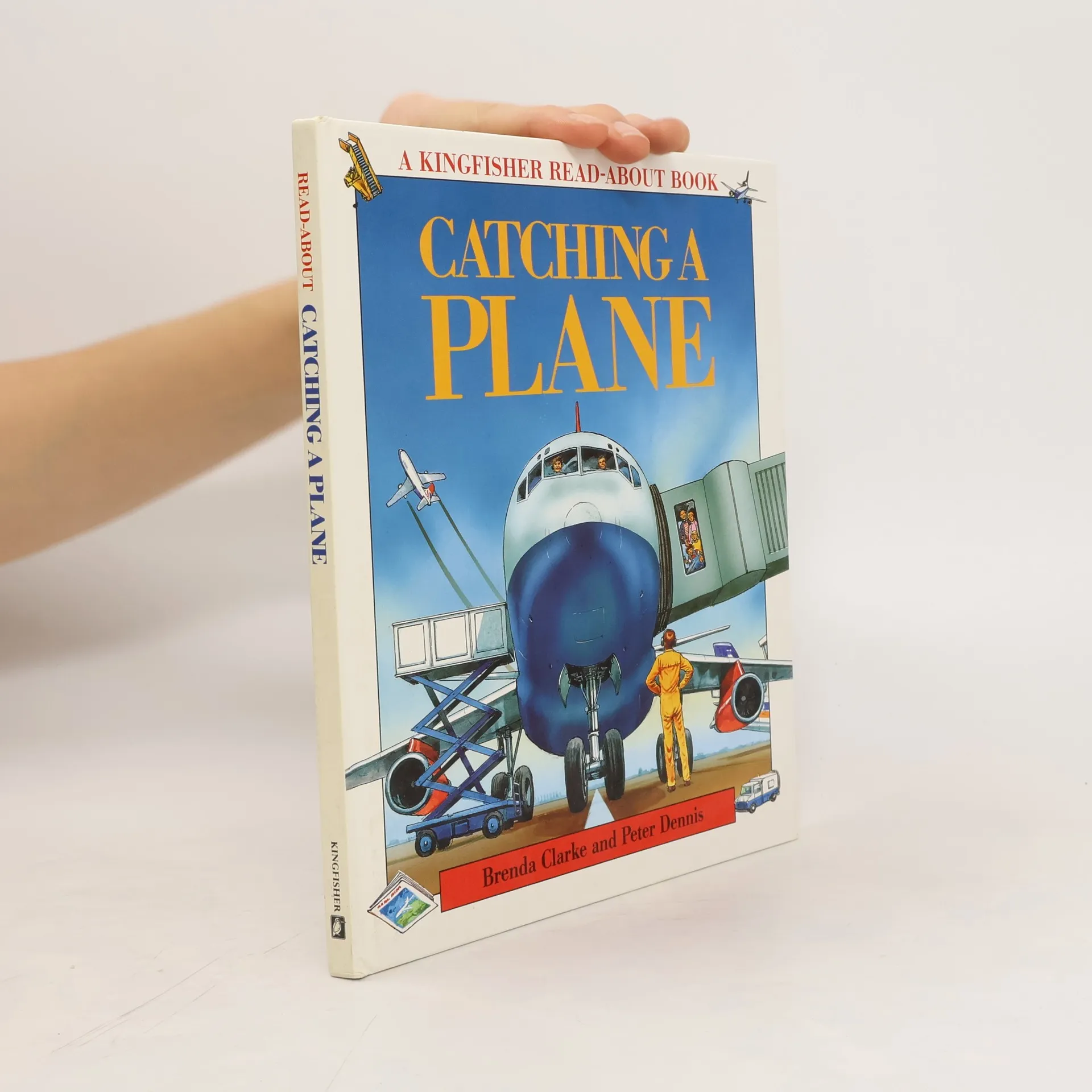
Focusing on catching a plane, this is one of a series of single-topic information books. The story-like structure is intended to bridge the gap between picture fiction and information books, and the topics have been selected on the basis of their interest to children.
Focusing on exploring a castle, this book is one of a series of single-topic information books. The story-like structure is intended to bridge the gap between picture fiction and information books, and the topics have been selected on the basis of their interest to children.
This series combines exciting and witty stories with text written for the beginner reader. Developed in consultation with Alison Kelly, this book is ideal for readers who are growing in confidence.
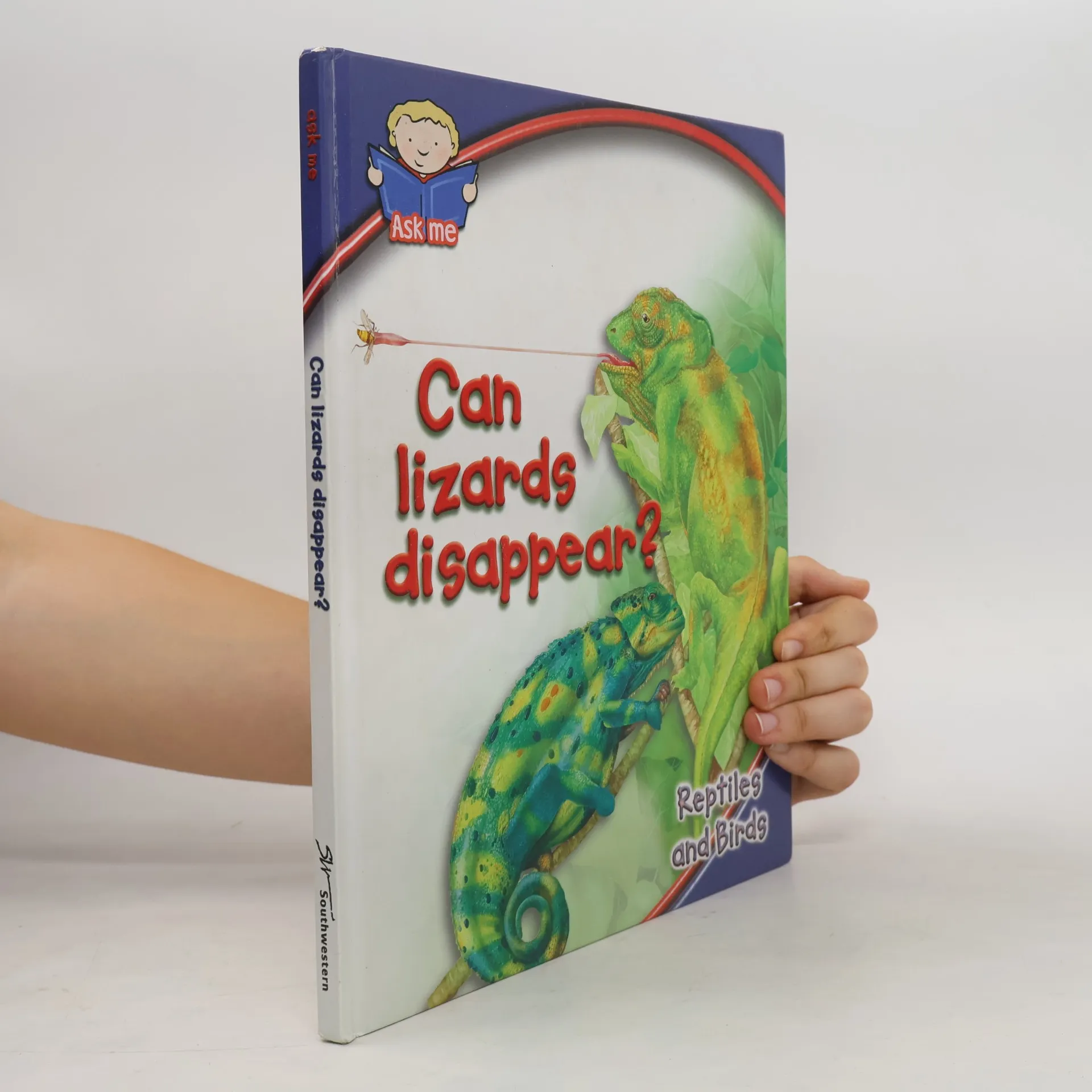
Have wonderful fun discovering Reptiles and Birds within the pages of this book. Do you know why lizards lose their skin, or which reptile has eyes that swivel, or why turkeys go red? All these exciting questions are answered within these beautifully illustrated pages. Cartoons will give young children hours of laughter. Different features will keep their minds busy. Reptile eggs are like bird eggs - penguins shut their eyes underwater. Which statement is true, which is false? Do you know? Ask Me entertains, amuses, intrigues, and helps you answer all those tricky questions. Pages of fun for you and your child to share.
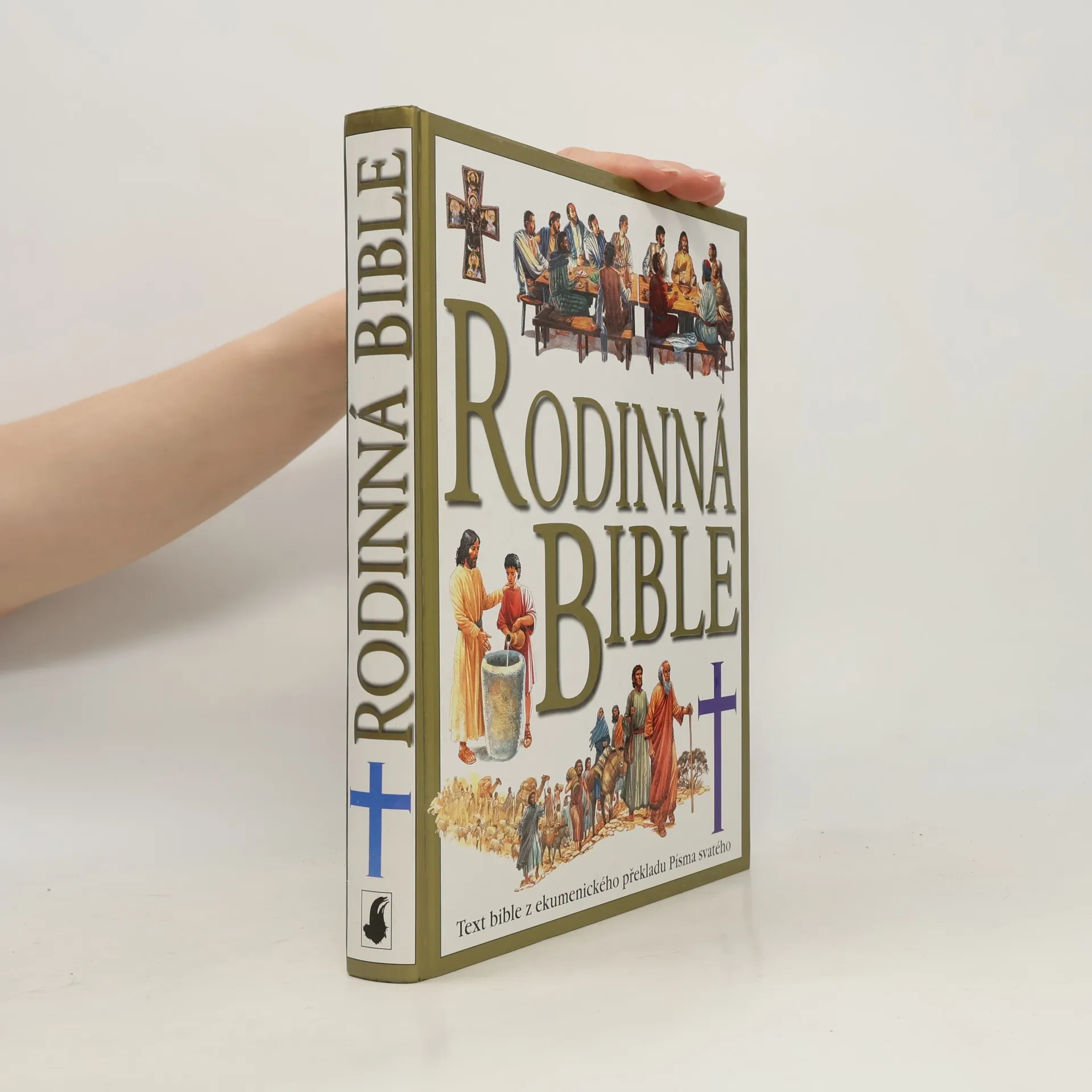
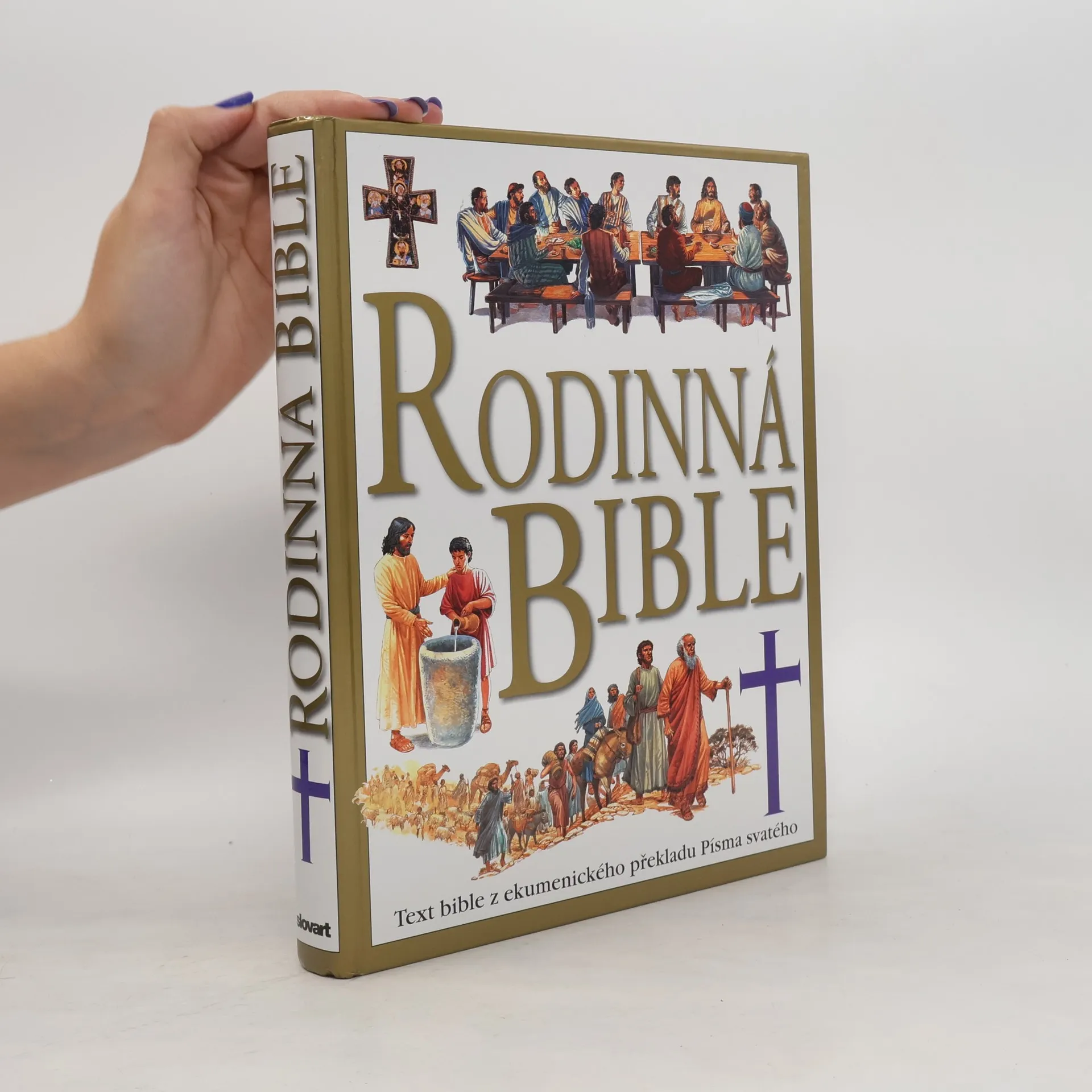
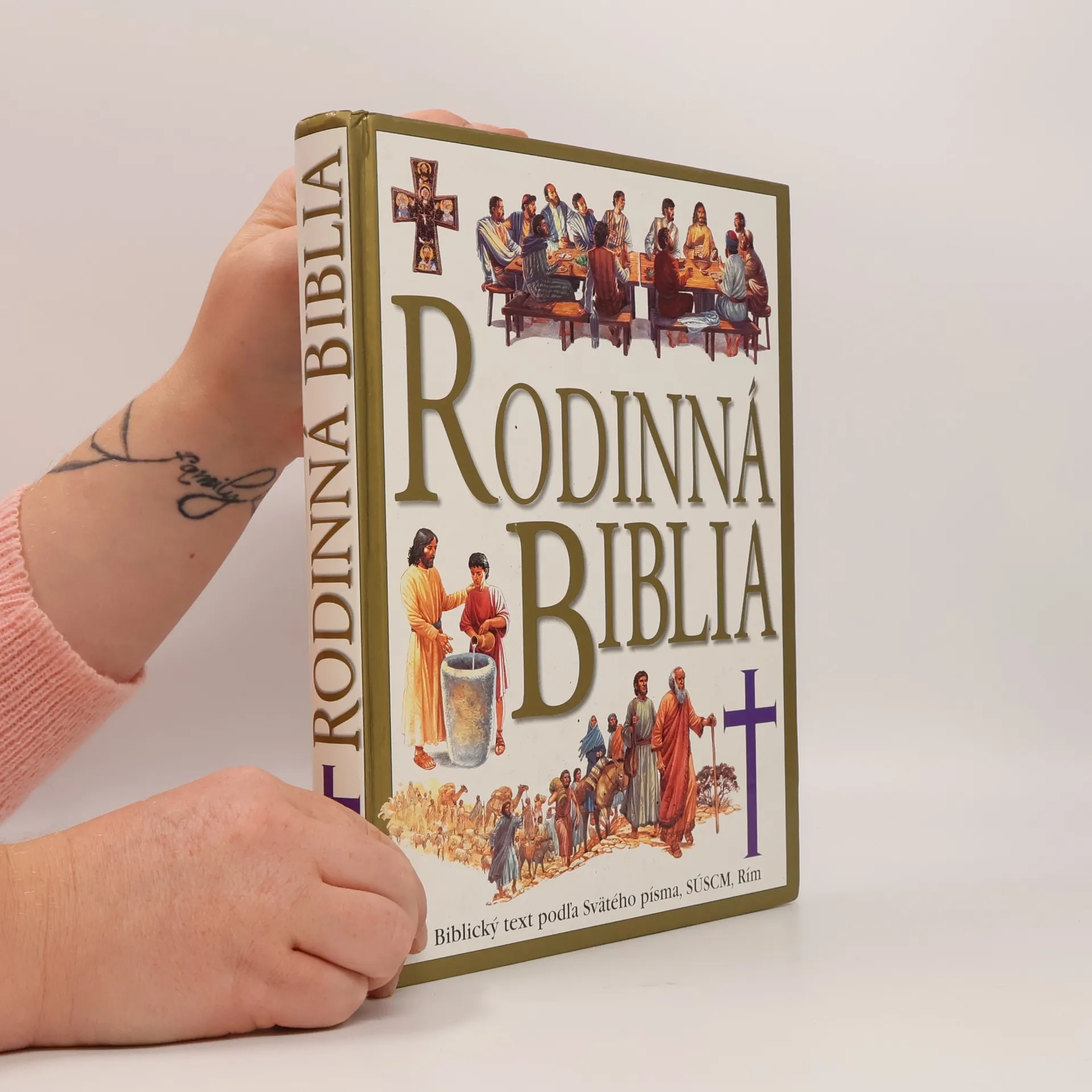
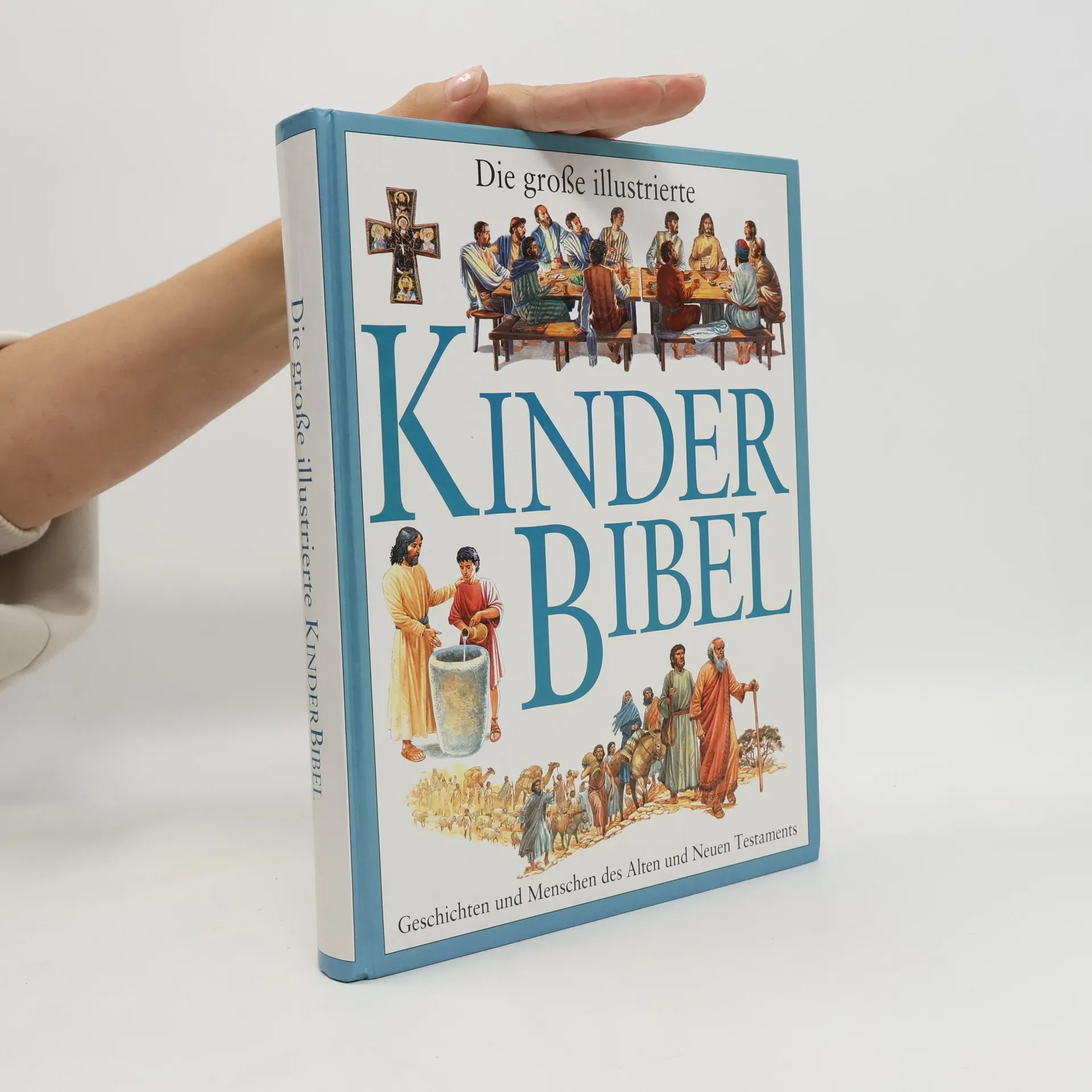
Text Bible z ekumenického překladu Písma svatého. Bohatě ilustrovaná publikace obsahuje vybrané texty z Bible a výklad hlavních příběhů Starého a Nového zákona. Klíčová slova, věty a pojmy jsou navíc plně objasněny a ilustrovány ve sloupcích po stranách.
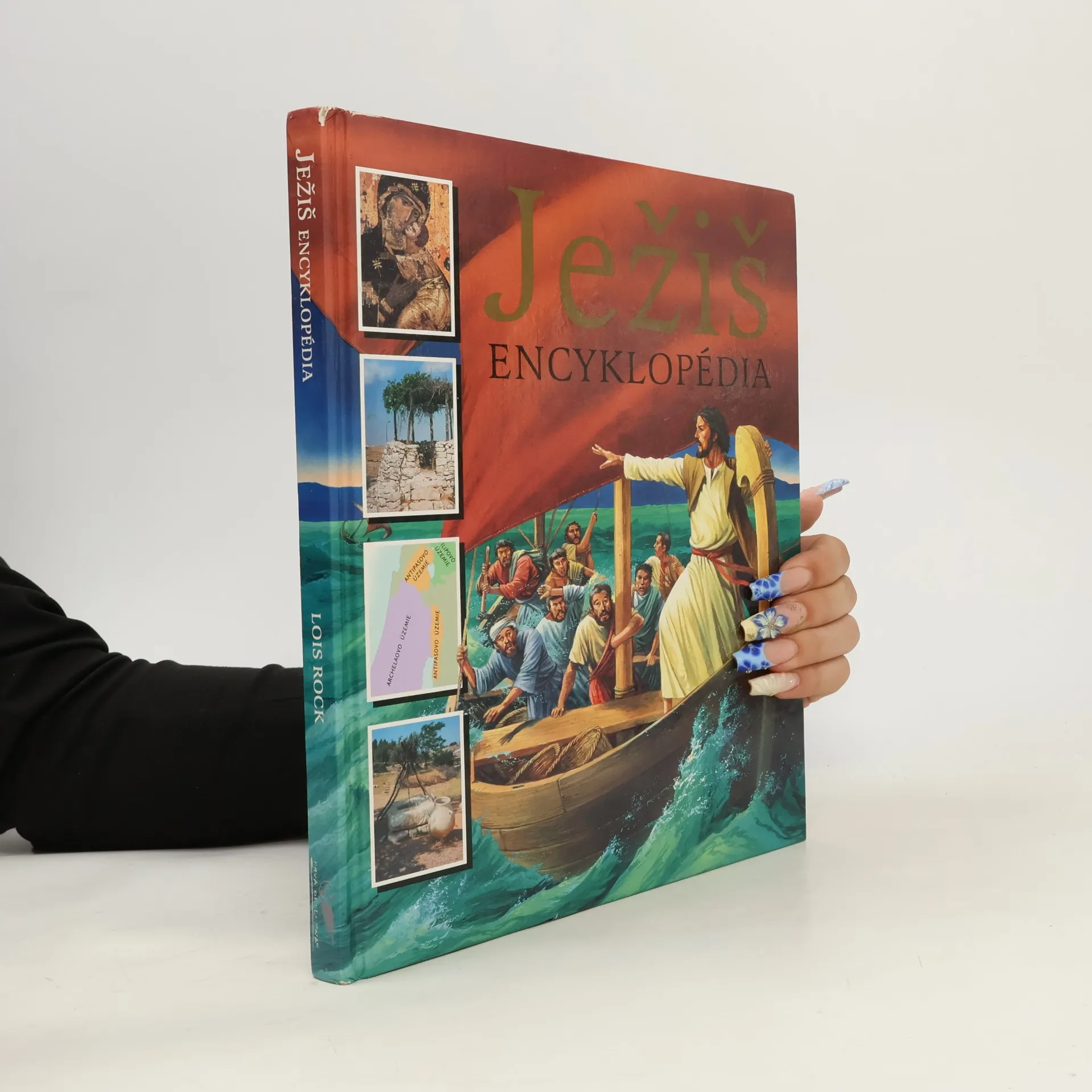
Bohatě ilustrovaná publikace obsahuje vybrané texty z Bible a výklad hlavních příběhů Starého a Nového zákona. Klíčová slova, věty a pojmy jsou navíc plně objasněny a ilustrovány ve sloupcích po stranách.
Rodinná Biblia je výnimočná tým, že do istej miery vychádza z oboch prístupov. Základom pre výklad sú vybrané autentické citácie biblického textu, doplnené o výklad biblických, historických, zemepisných, prírodovedných a ďalších pojmov. Vynikajúce, veľkoplošné ilustrácie približujú drámu biblických textov, oživujú hlavné postavy a miesta. Poznámky a farebné fotografie vysvetľujú okolnosti jednotlivých príbehov, mapy udávajú pozíciu dôležitých miest. Autorom knihy je Dr. Claude-Bernard Costecalde - magister teológie. Študoval tiež antropológiu, filozofiu a semitské jazyky na parížskej Sorbone, kde získal aj doktorát z religionistiky. Prvé slovenské vydanie 1998 Druhé slovenské vydanie 2000 Tretie slovenské vydanie 2006
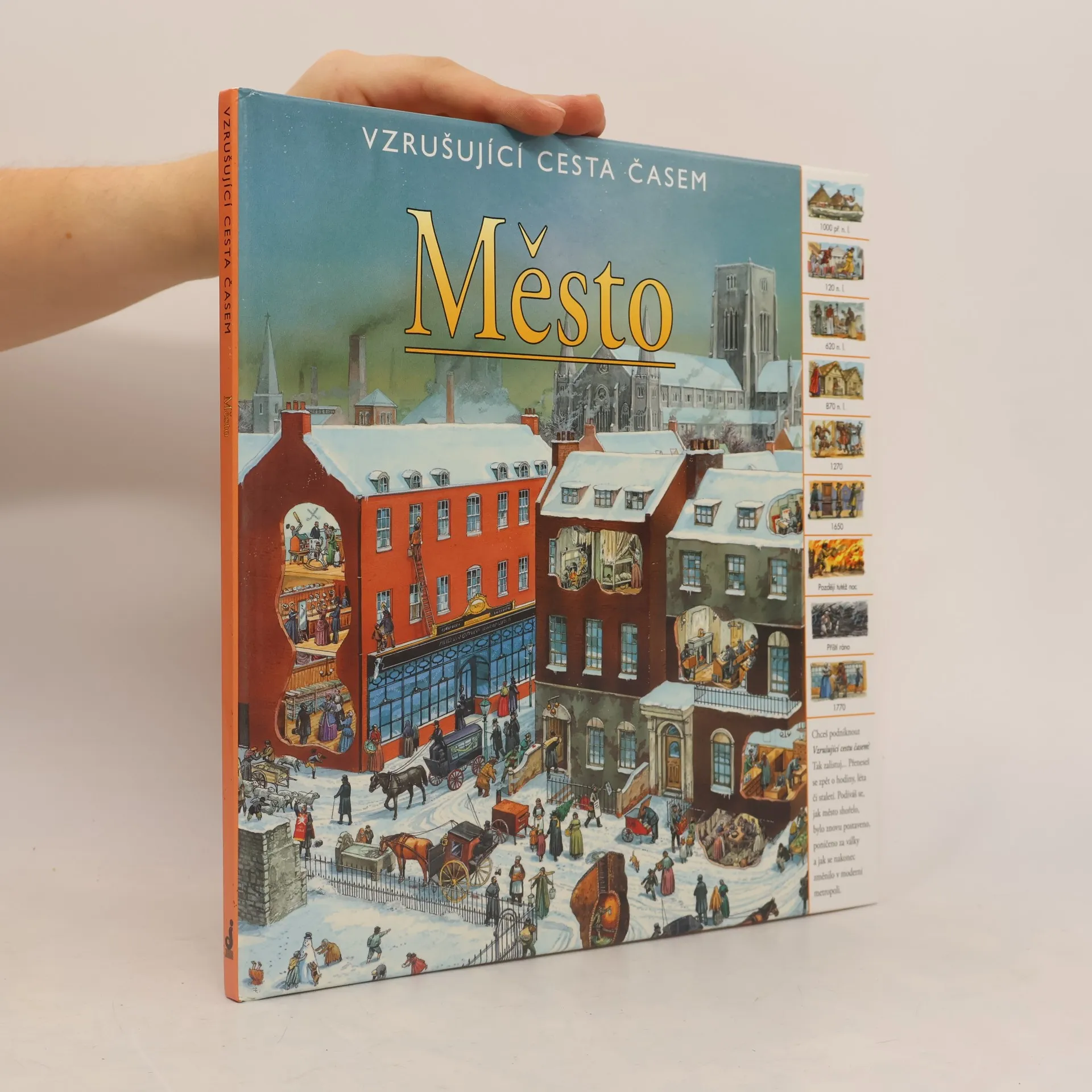
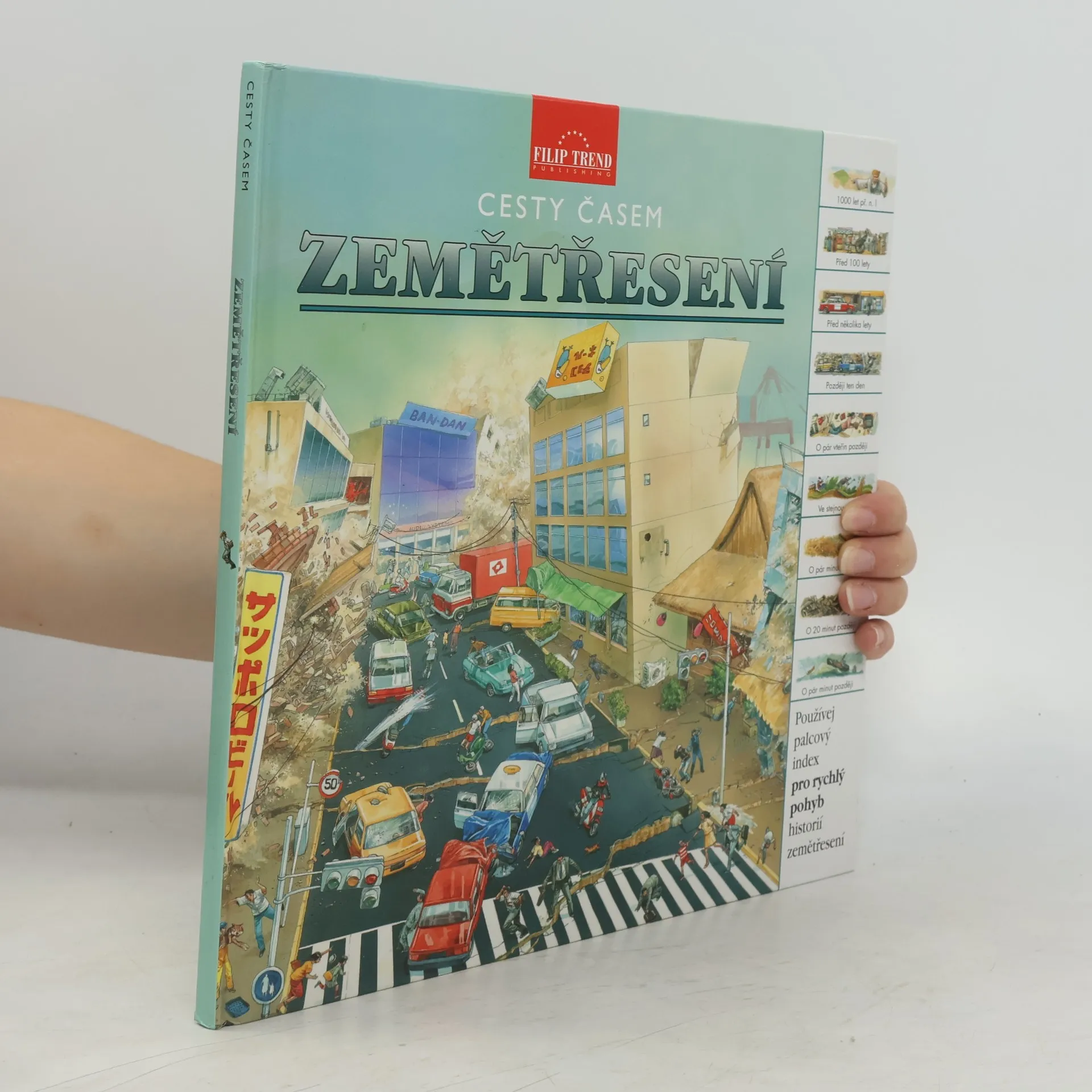
Poznej historii jednoho města. Pomocí pásku na boku každé strany můžeš cestovat časem do minulosti o dny, léta nebo staletí - přechodem z jedné strany na druhou. Je to vzrušující cesta! Sleduj od počátku vývoj malé osady rolníků, její proměnu v římskou pevnost, vikinské centrum obchodu a středověké město s katedrálou. Podívej se, jak město shořelo, jak bylo znovu postaveno, bombardováno během 2. světové války a jak se nakonec proměnilo v moderní metropoli.
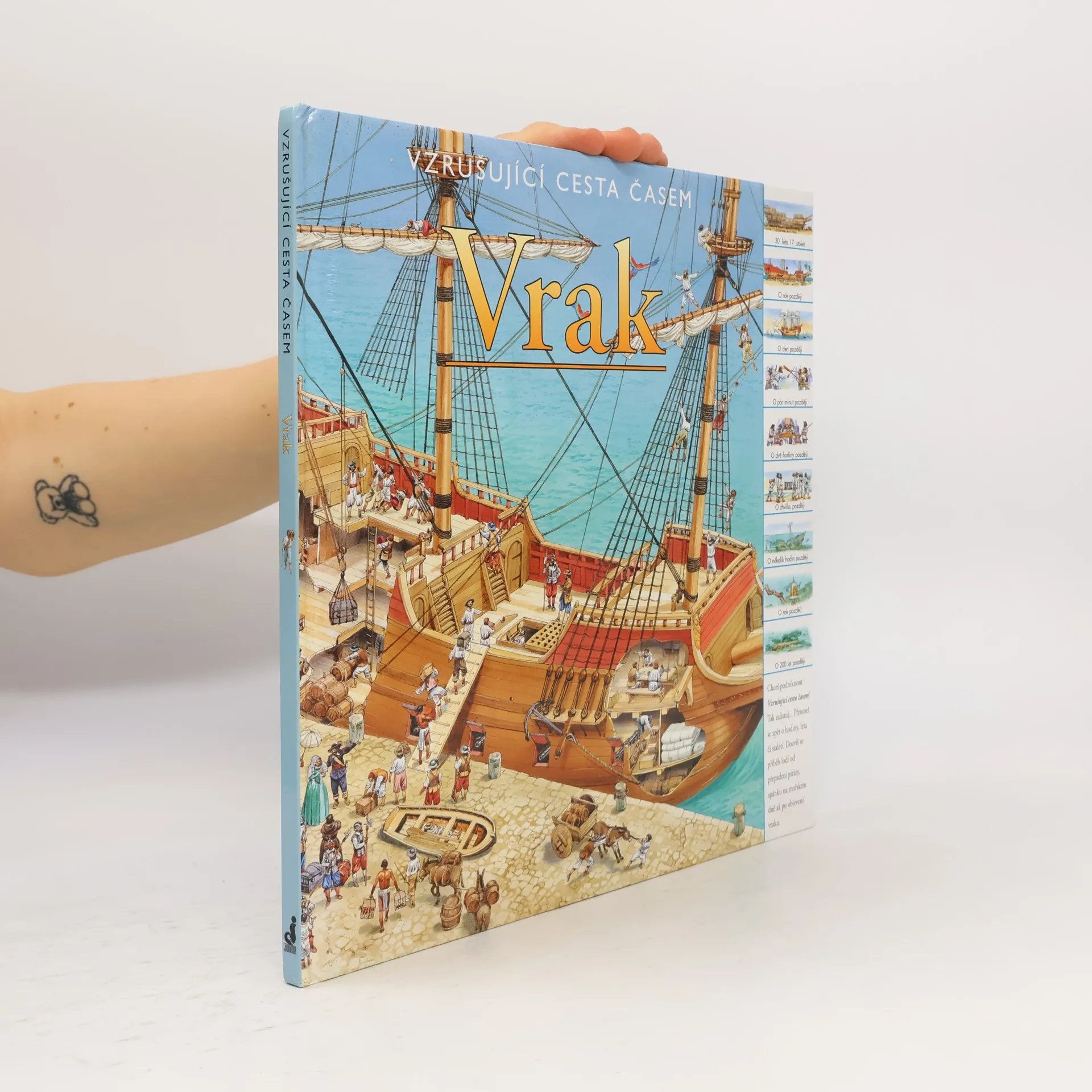
Chceš podniknout Vzrušující cestu časem? Tak zalistuj. Přeneseš se zpět o hodiny, léta či staletí.
Poznej příběh slavné lodi, ze které se stal pouhý vrak pohřbený na dně moře. Pomocí odkazů na každé dvojstránce můžeš cestovat časem po dnech, letech nebo i celých staletích. Je to vzrušující cesta! Můžeš sledovat, jak se velká galeona plavila pod španělskou vlajkou, být svědkem jejího přepadení a nakonec i potopení skupinou pirátů. Pak se můžeš přehoupnout přes několik staletí a pozorovat potápěče, kteří právě objevili její vrak.
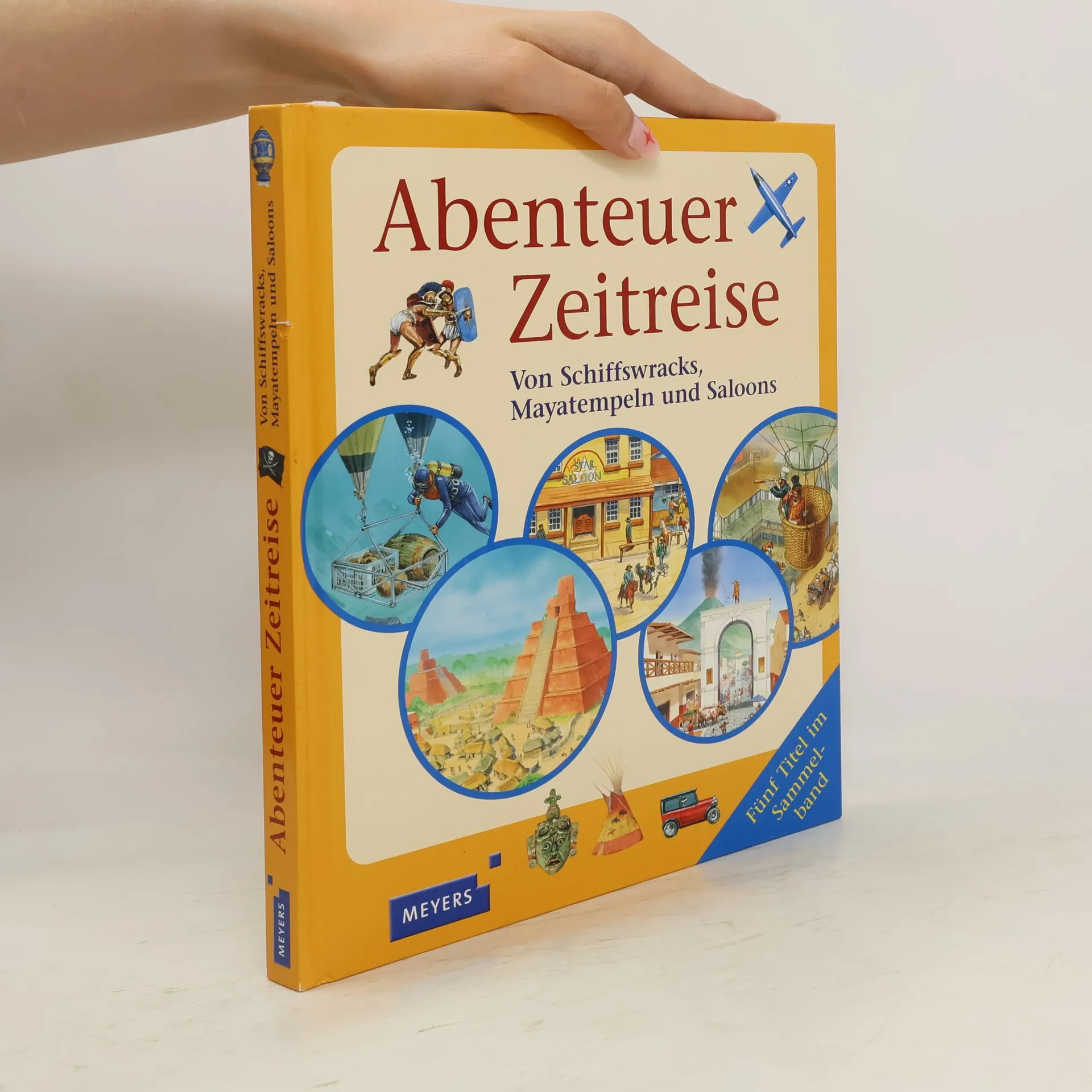
Sammelband aus fünf Einzelbänden der Reihe äAbenteuer Zeitreiseä zu den Themen Dinosaurier, Steinzeit, Pyramiden, Burg- und Stadtgeschichte für Kinder ab 7.
Ein Schatz für die ganze Familie: 165 Geschichten aus dem Alten und Neuen Testament für Kinder ab 10 Jahren. Lebendig bebildert mit über 1000 farbigen Illustrationen und Fotografien, bietet sie Erläuterungen, Kommentare und Karten, die spannendes Hintergrundwissen vermitteln. Der Originaltext der Einheitsübersetzung ist für alle christlichen Konfessionen geeignet. Mit edler Goldfolie und strukturierter Prägung ist sie das ideale Geschenk zu Ostern, zur Erstkommunion, Konfirmation oder Firmung. Die bedeutendsten Geschichten, von Adam und Eva bis zur Auferstehung Christi, werden in leicht gekürzter Fassung erzählt, sodass sie besonders gut lesbar und vorlesbar sind. Die lebendigen Illustrationen geben Kindern und Jugendlichen einen historisch korrekten Eindruck vom biblischen Orient und erleichtern das Verständnis der Texte. Kommentare, Karten, Abbildungen von Fundstücken, Zeittafeln und ein Who’s who der wichtigsten Personen vermitteln wichtiges geschichtliches und religiöses Wissen. Die Einleitung bietet einen Überblick über Bibelhandschriften und erklärt die Bedeutungen von Namen, Zahlen sowie jüdischen und christlichen Feiertagen. Mit ihren wunderschönen Illustrationen und interessanten Informationen ist diese Kinderbibel das ideale Geschenk für viele religiöse Anlässe.
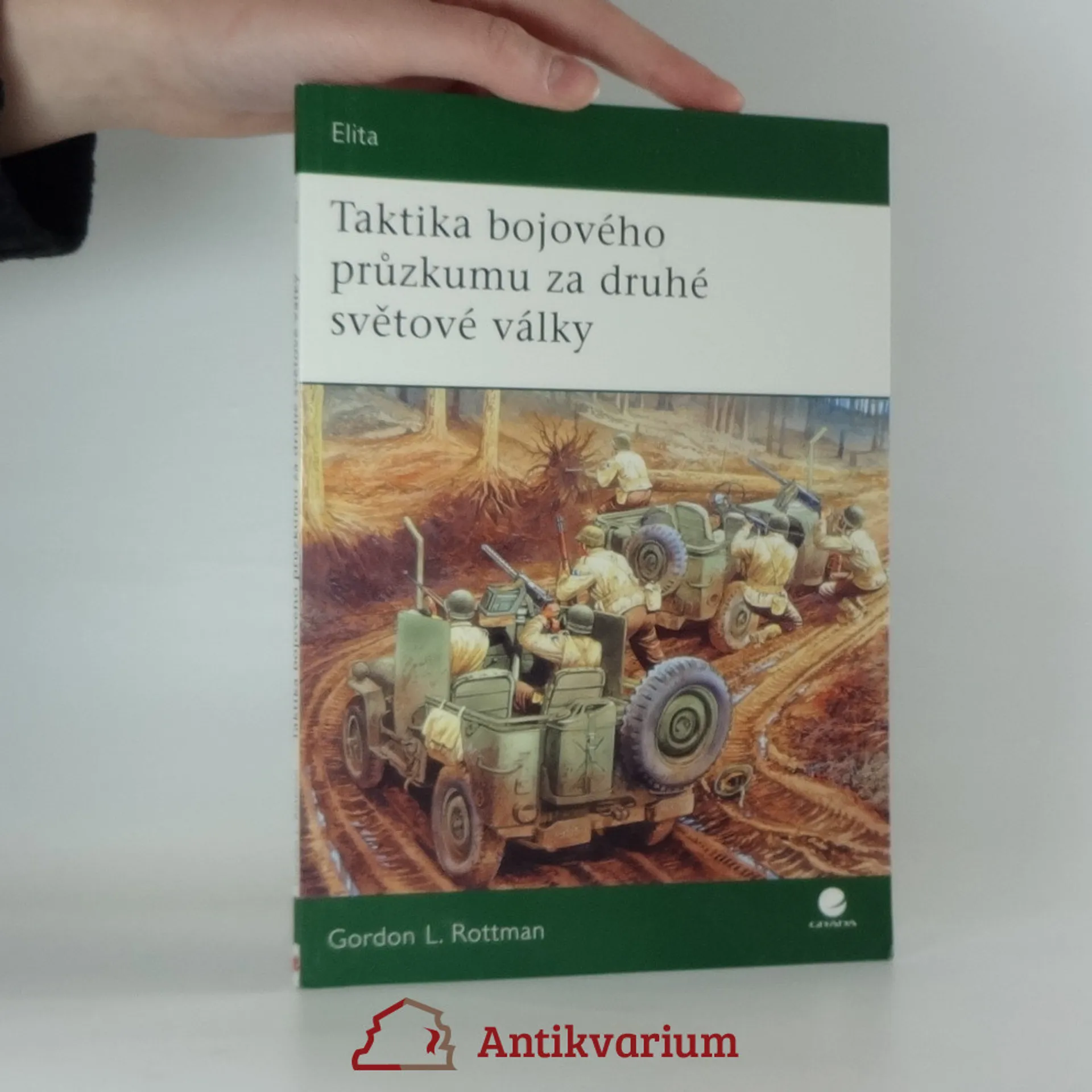
Čtenáři se v této knížce podrobně seznámí s taktikou a způsobem provádění bojového průzkumu v armádách největších válčících států, USA, Velké Británie, Sovětského svazu, Německa a Japonska. Autor popisuje vybavení, výzbroj a organizaci jejich průzkumných jednotek, a to nejen naúrovni divize, ale pozornost věnuje také malým hlídkám běžných pěších jednotek, které byly vysílány vpřed, aby propátraly terén, nalezly nepřítele a pronikly do jeho linií. Objasněny jsou úkoly hlídek, cíle a prostředky průzkumu, používání map a fotografií, speciální výbavy, jako byly buzoly a dalekohledy, způsoby pohybu hlídek, typy a hodnocení výhod a nevýhod používaných dopravních prostředků, typy maskování, spojovací technika atd. Fakty nabitá kniha obsahuje řadu dobových fotografií a barevné přílohy zachycující taktické situace.
This series of books combines good stories with easy reading text for children aged five to six years and over who have just started reading alone. The series has been developed with Alison Kelly who is an expert in early reading.
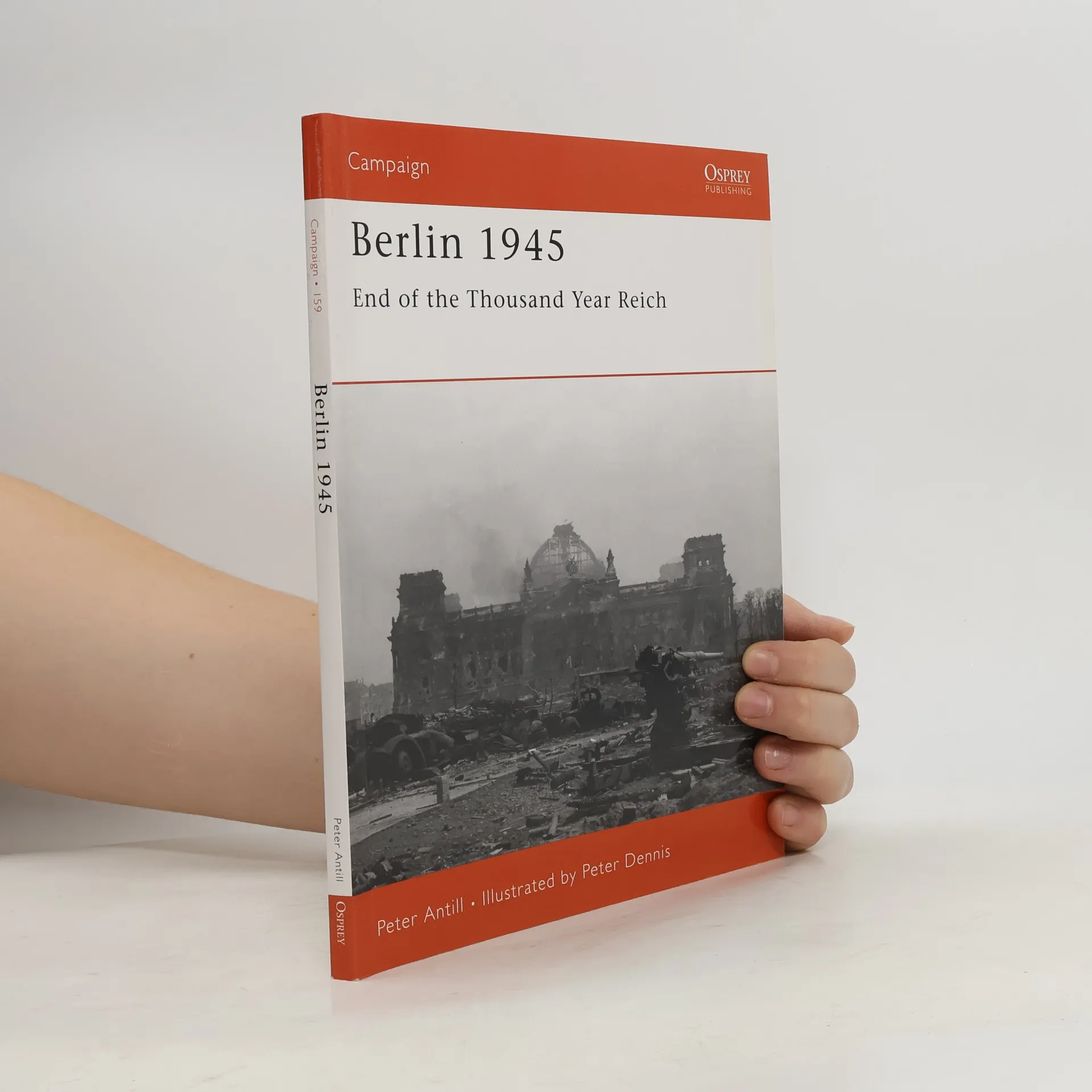
By mid-April 1945, Hitler's Third Reich was staring into the abyss. Despite
fanatical resistance and close-quarter fighting, the Red Banner was raised
over the Reichstag and Berlin; Hitler had committed suicide the same day.
Berlin surrendered unconditionally and Germany surrendered to the Allies on 7
May - the war in Europe was at an end.
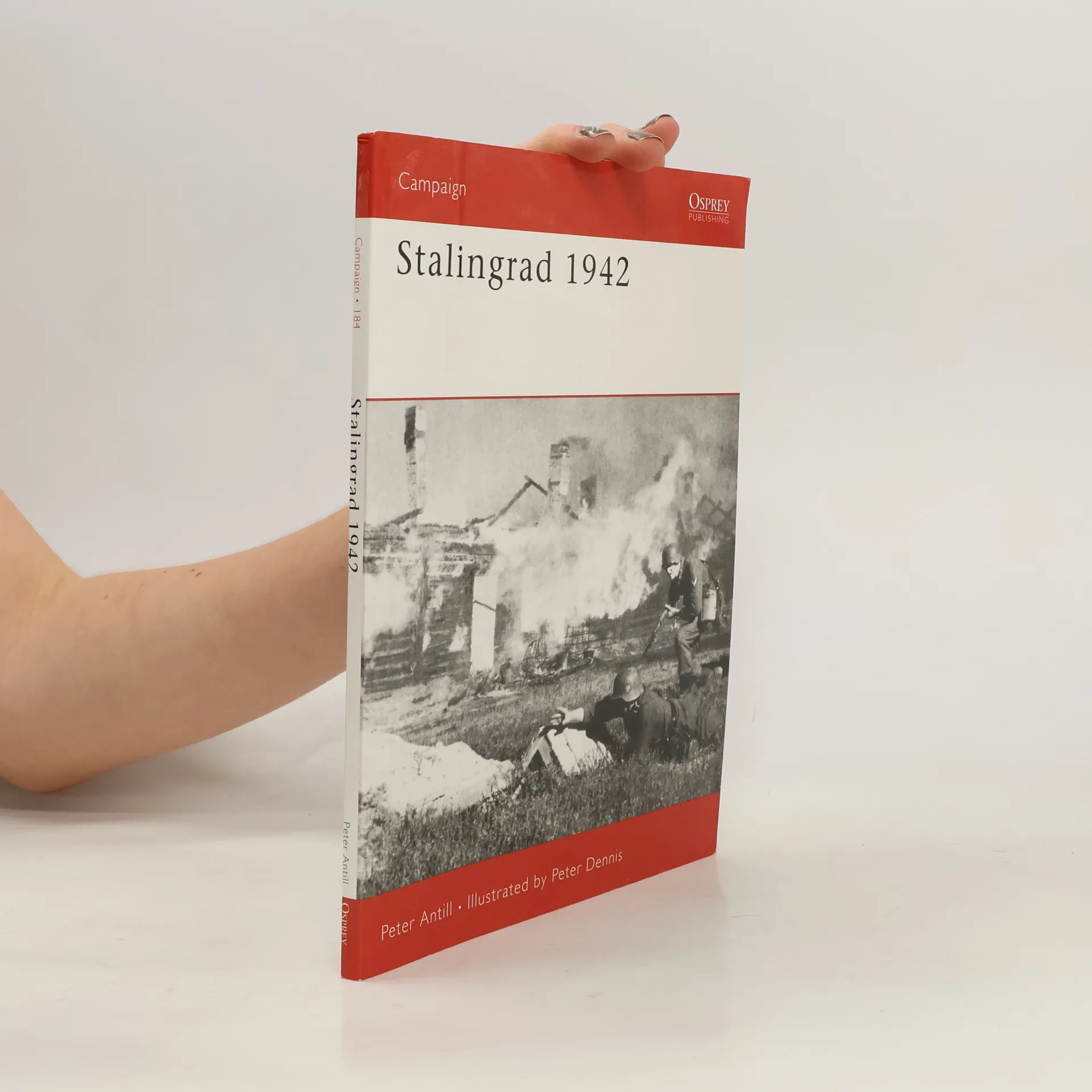
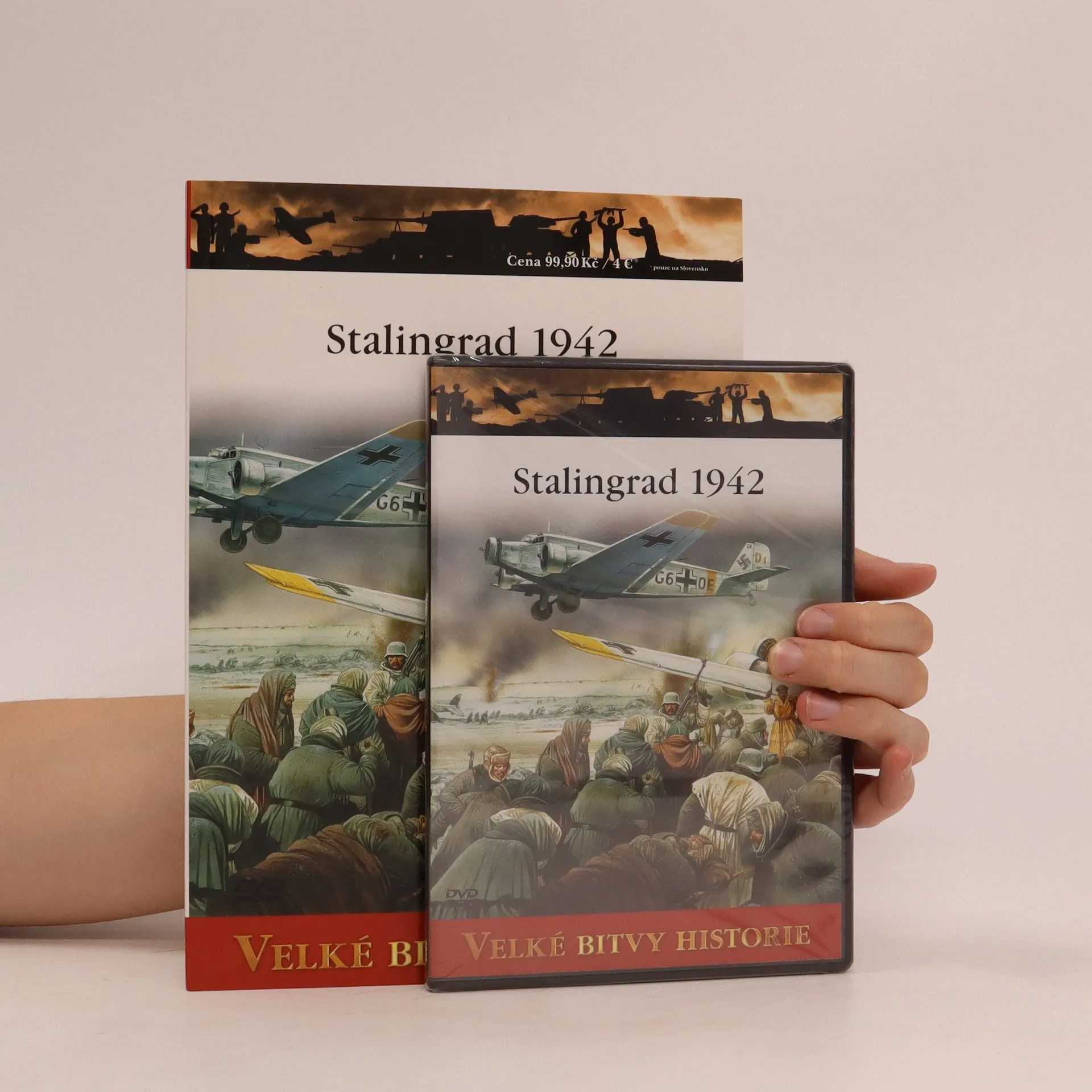
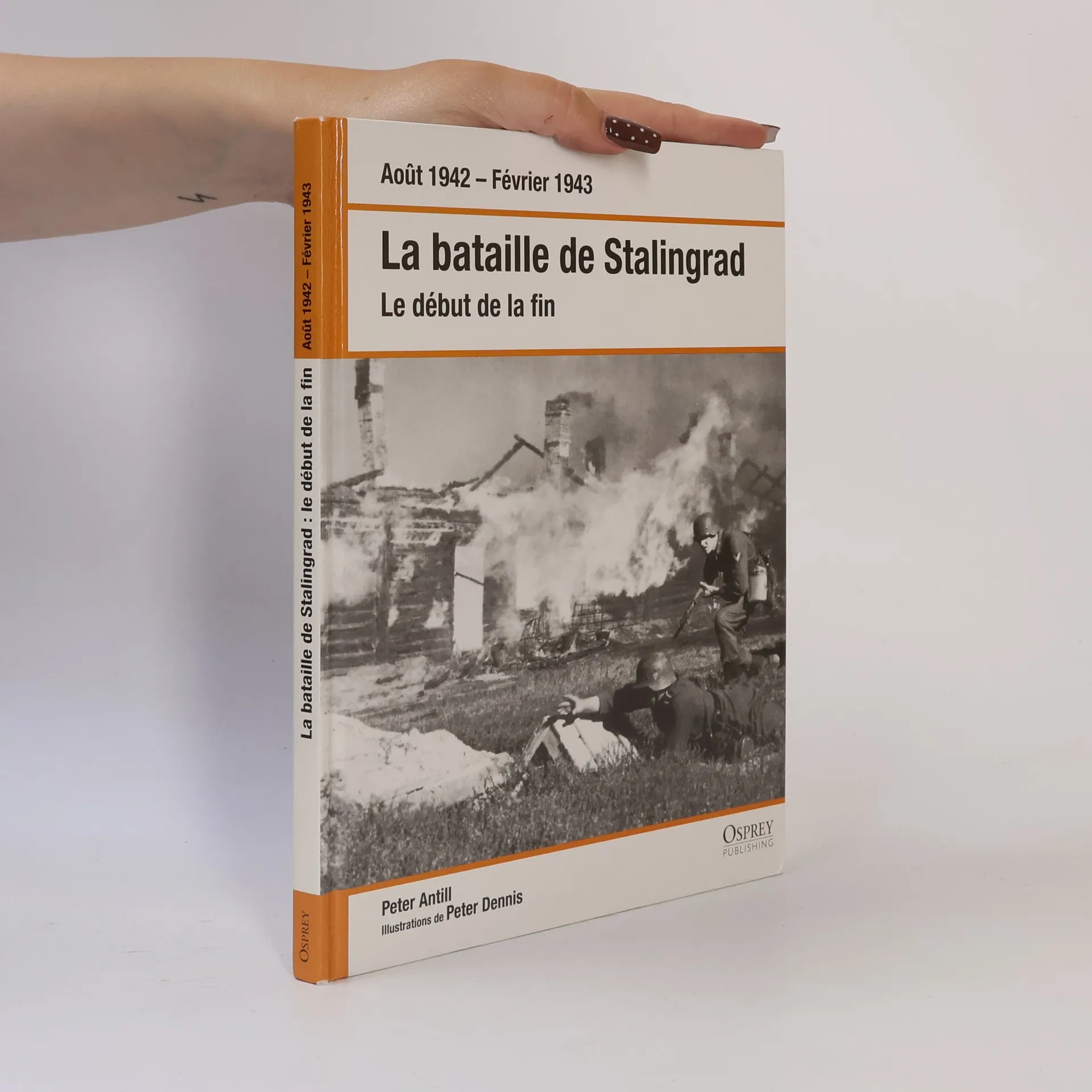
Stalingrad has become a by-word for grim endurance and tenacity; for the refusal to give up, no matter the cost. In this book, Peter Antill takes a dispassionate look at one of the most talked about battles in history. He asks why the Germans allowed themselves to be diverted from their main objective, which was to capture the oil fields of the Caucasus, and concentrate such large resources on a secondary target. He discusses the merits of the commanders on both sides and also the relationship on the German side with Hitler as well as reviewing the ways in which the command structures influenced the battle. Apart from the overall question of German objectives, this book also unpicks the detail of unit directions, priorities and deployments, leading to a vivid account of the day-by-day war of attrition that took place in Stalingrad during World War II (1939-1945), between September 14, 1942 and February 2, 1943. Stalingrad was more than a turning point, it was the anvil on which the back of German military ambitions in the east were broken and the echoes of its death knell were heard in Berlin and indeed the world over.
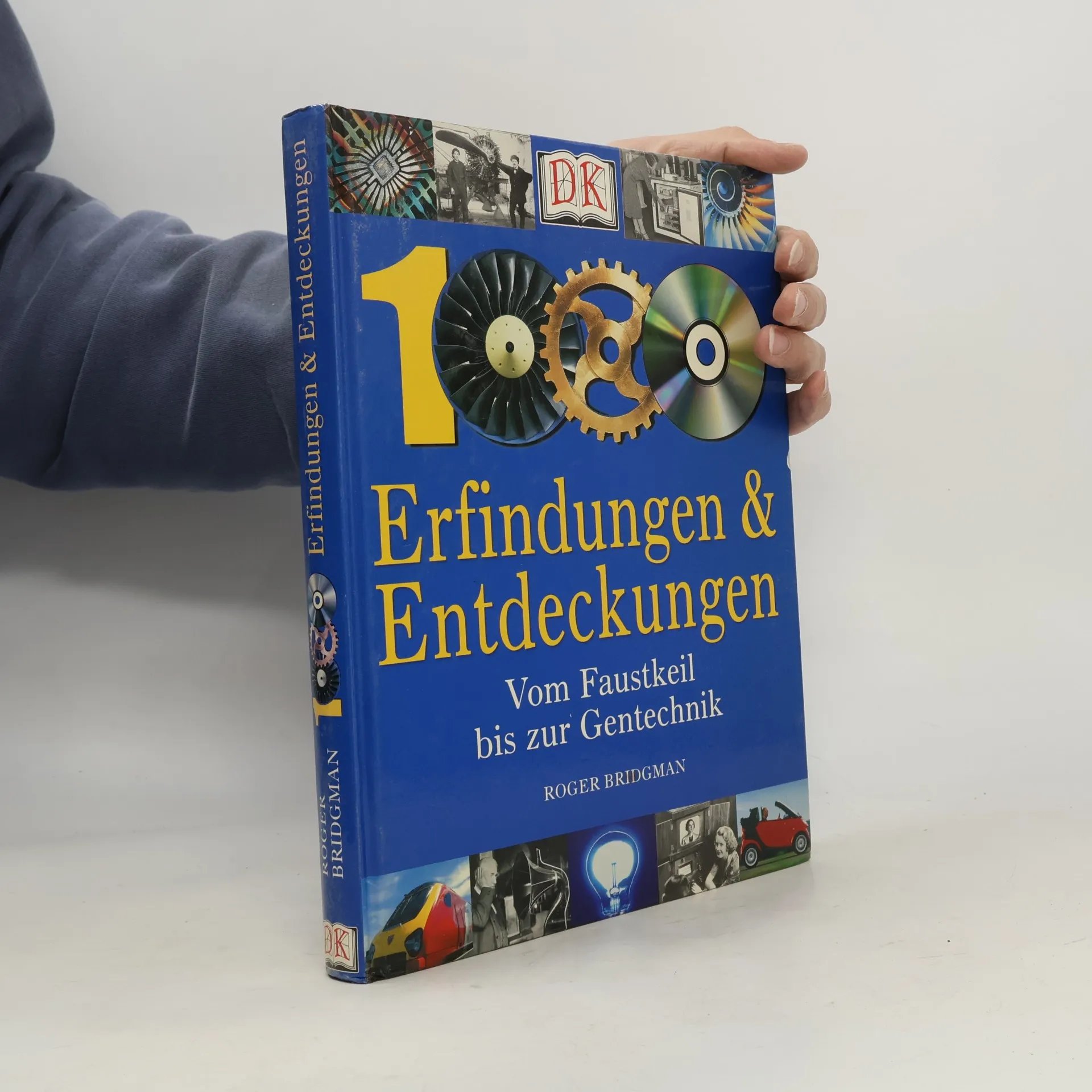
Flugzeuge, Telefon, Uhren, Rad und Feuer: All diese Dinge, die uns heute so selbstverständlich erscheinen, mussten irgendwann einmal er- oder gefunden werden. Wann wurden diese Dinge erfunden? Und welche Bedeutung hatte die Erfindung zu ihrer Zeit? Zahlreiche Fragen - die Kindern ja nie ausgehen - werden in diesem chronologisch gegliederten Nachschlagewerk beantwortet. Die Unterteilung in 7 Zeitabschnitte, von der Steinzeit bis in die Moderne, sowie die mitlaufende Zeitleiste ermöglichen eine sofortige Orientierung. Ein übersichtlich und reichlich bebildertes Buch zum Schmökern und Nachschlagen! Ab 8 Jahren
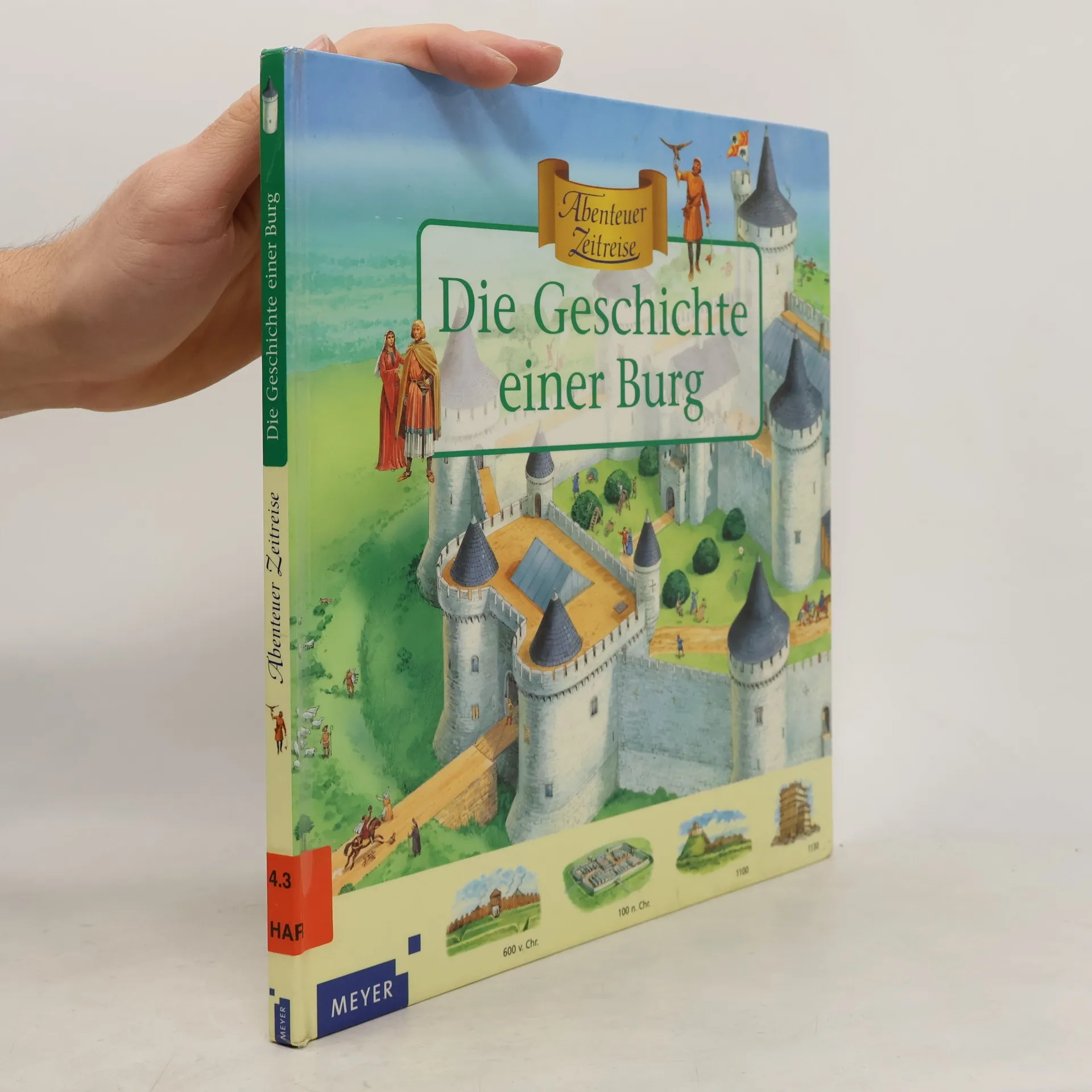
Die ereignisreiche Geschichte einer Burg erzählt von Kelten und Römern, von Rittern und Burgherren, von Belagerung, Zerstörung und Wiederaufbau.
Hier wird Geschichte lebendig! Die Reihe „Abenteuer Zeitreise“ entführt uns zu aufregenden Plätzen und packenden Ereignissen in der Vergangenheit. Die spannende Reise beginnt Jahrtausende vor unserer Zeit und endet in der Gegenwart. Großformatige Panoramabilder zeigen die unterschiedlichen Gesichter der Orte im Wandel der Zeit und laden zum Suchen und Entdecken ein. Mit der übersichtlichen Griffleiste am Rand sind gezielte Zeitsprünge ein Kinderspiel.
Kniha přináší čtenářům detailní pohled na nový způsob boje, který byl za 2. světové války zaveden do taktiky všech armád. Na příkladech z německé, britské, americké, sovětské i japonské armády ukazuje autor postupnou reorganizaci vzdušných sil, a podrobně popisuje plány operací, přípravu, výzbroj i vlastní boj. Bohatě ilustrovaná kniha je doplněna o schémata známých výsadkových operací.
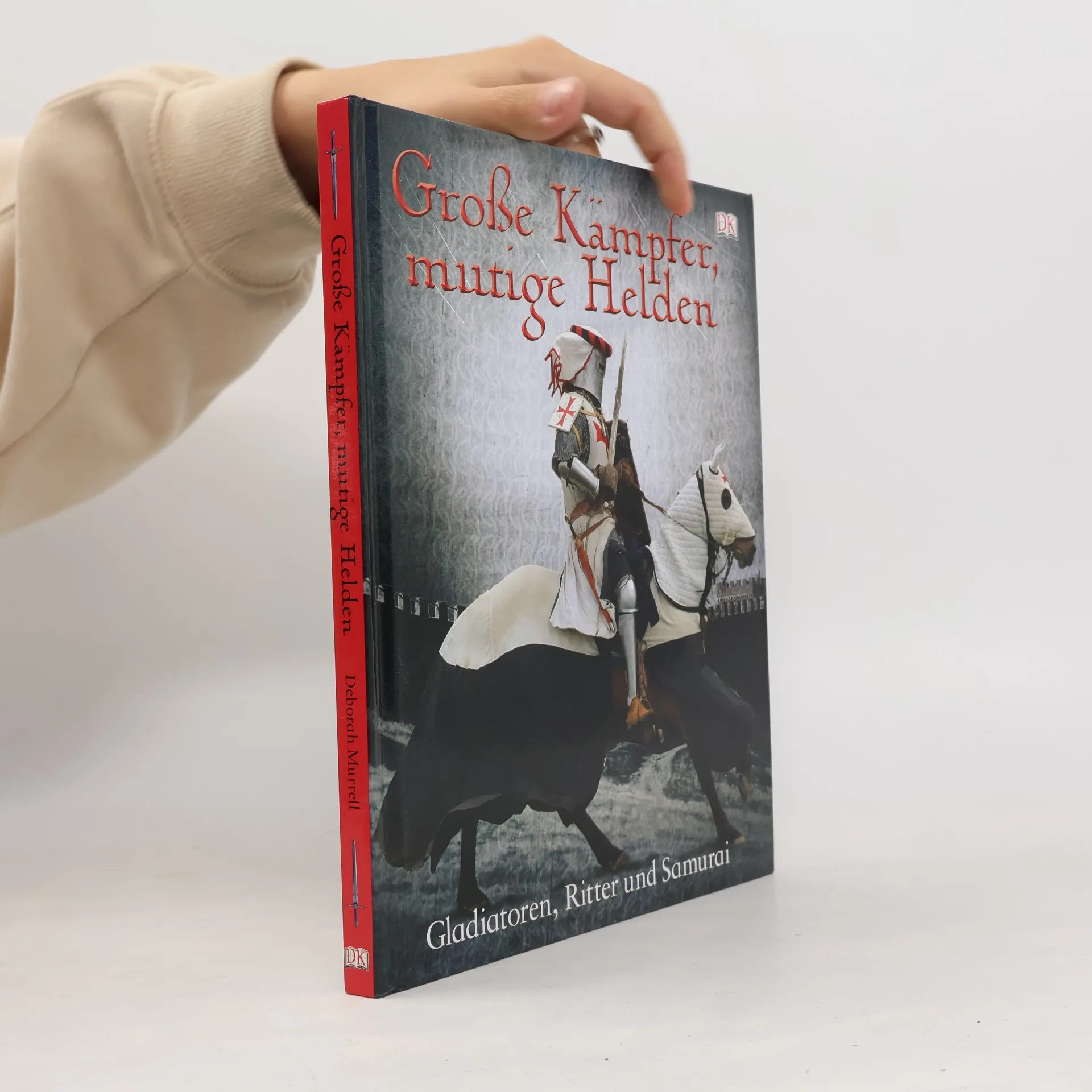
Auf in den Kampf! In diesem aufregenden Buch dreht sich alles um die berühmtesten Kämpfer aller Zeiten: die Gladiatoren, Ritter und Samurai. Ob kühne Recken zu Pferde oder legendäre Schwertmeister tapfere Krieger üben seit jeher eine besondere Faszination auf die Menschen aus. Große Kämpfer, mutige Helden begleitet diese Krieger durch die Jahrhunderte: von Hopliten im antiken Griechenland, über römische Gladiatoren, Ritter oder Samurai & Ninjas hier erfährt man alles über die verschiedenen Kämpfertypen aus vergangenen Zeiten. Detaillierte Erläuterungen zu Ausbildung, Ausrüstung und Einsatz in Kämpfen sowie die zahlreichen farbigen Abbildungen ermöglichen Kindern eine Zeitreise in die Vergangenheit. Hilfreiches Hintergrundgrundwissen zur Gesellschaft und zum alltäglichen Leben in der jeweiligen Epoche tragen darüber hinaus zum zeitgeschichtlichen Verständnis bei.