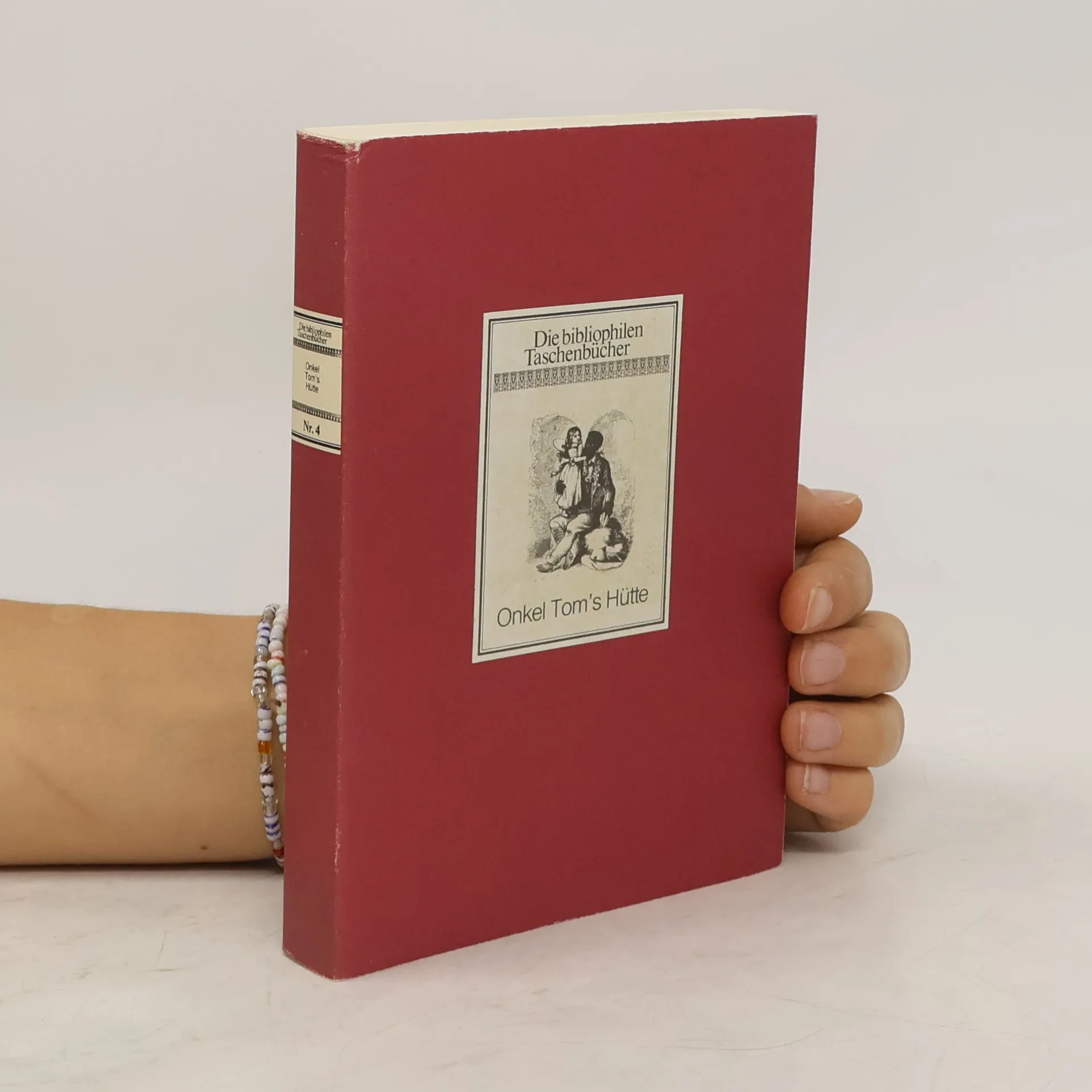
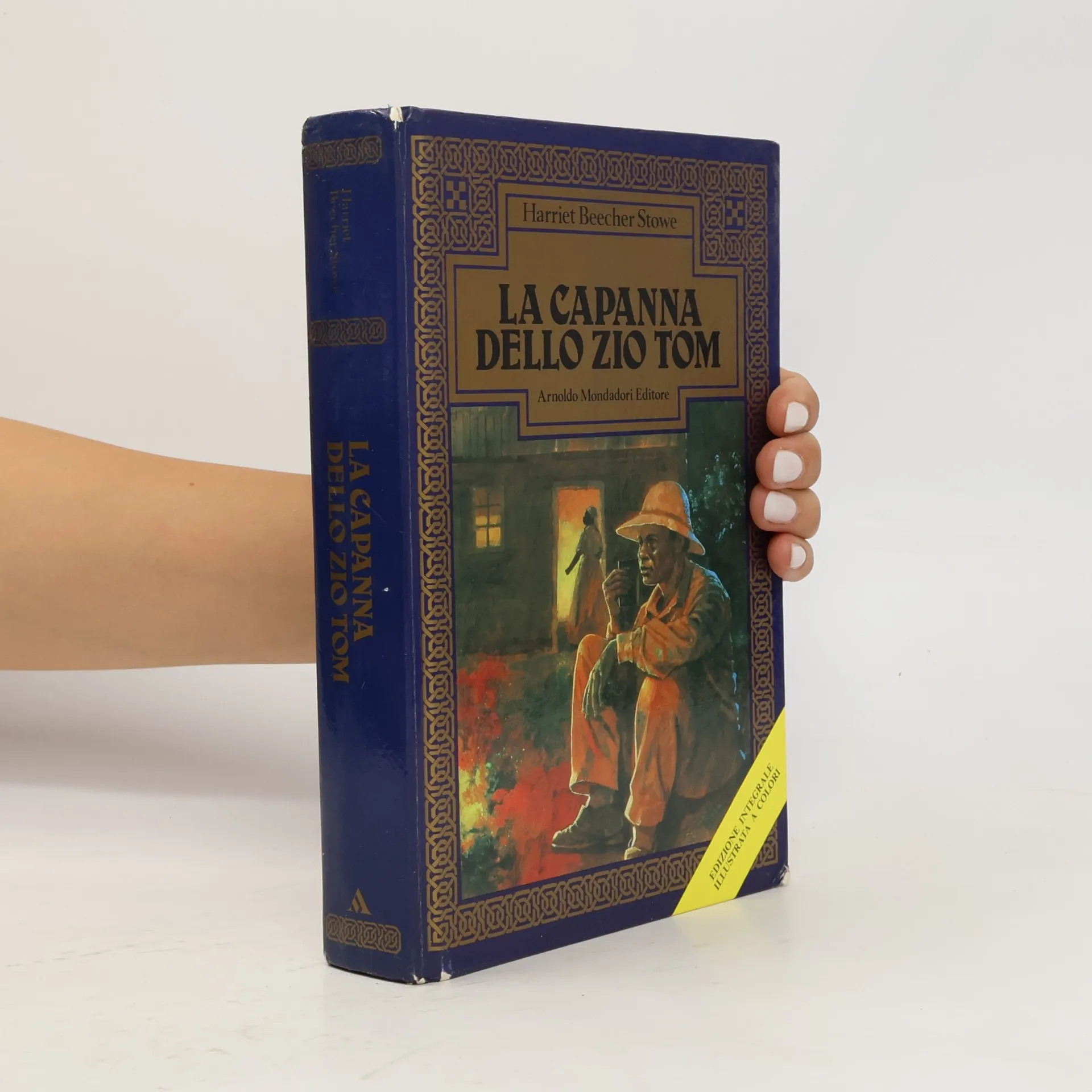
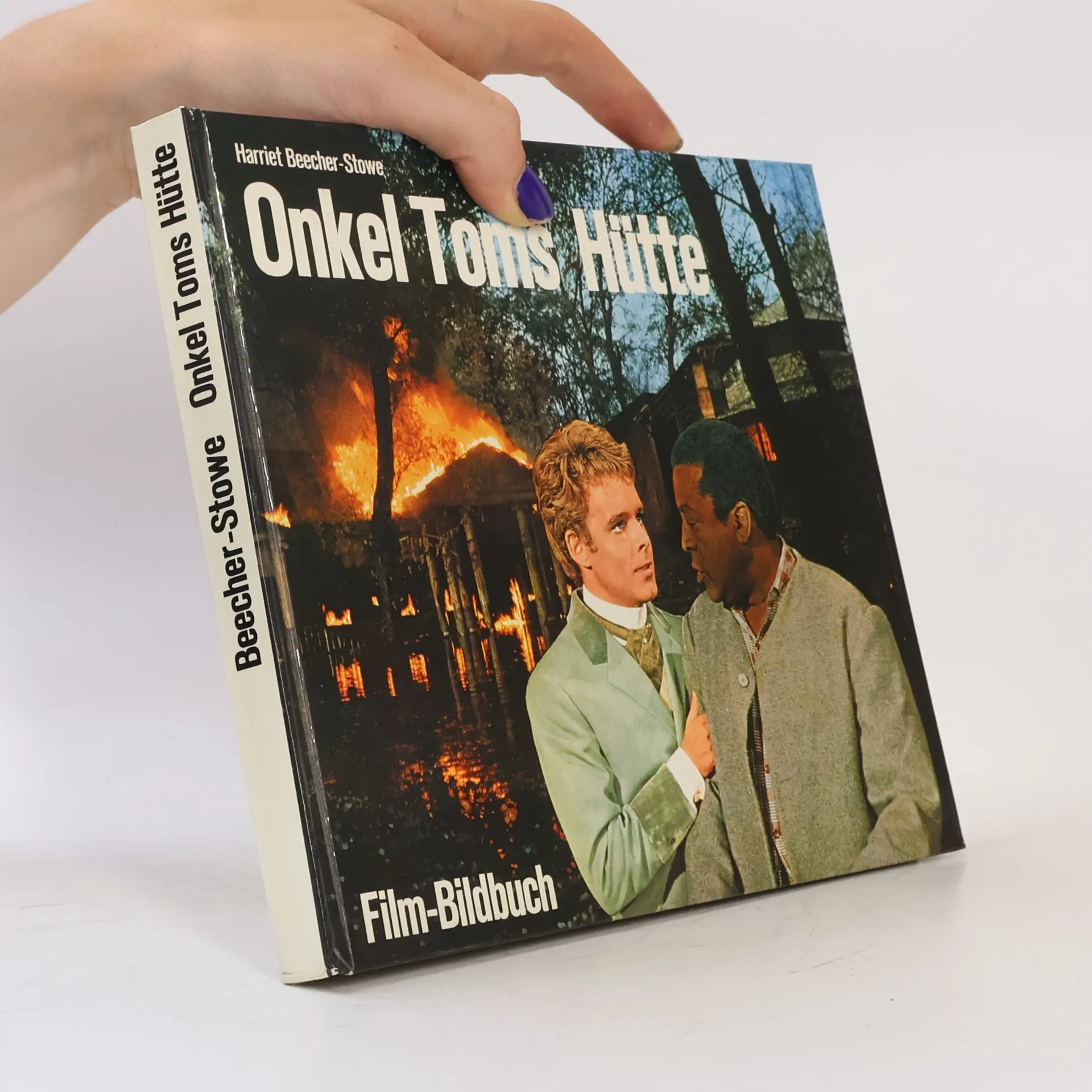
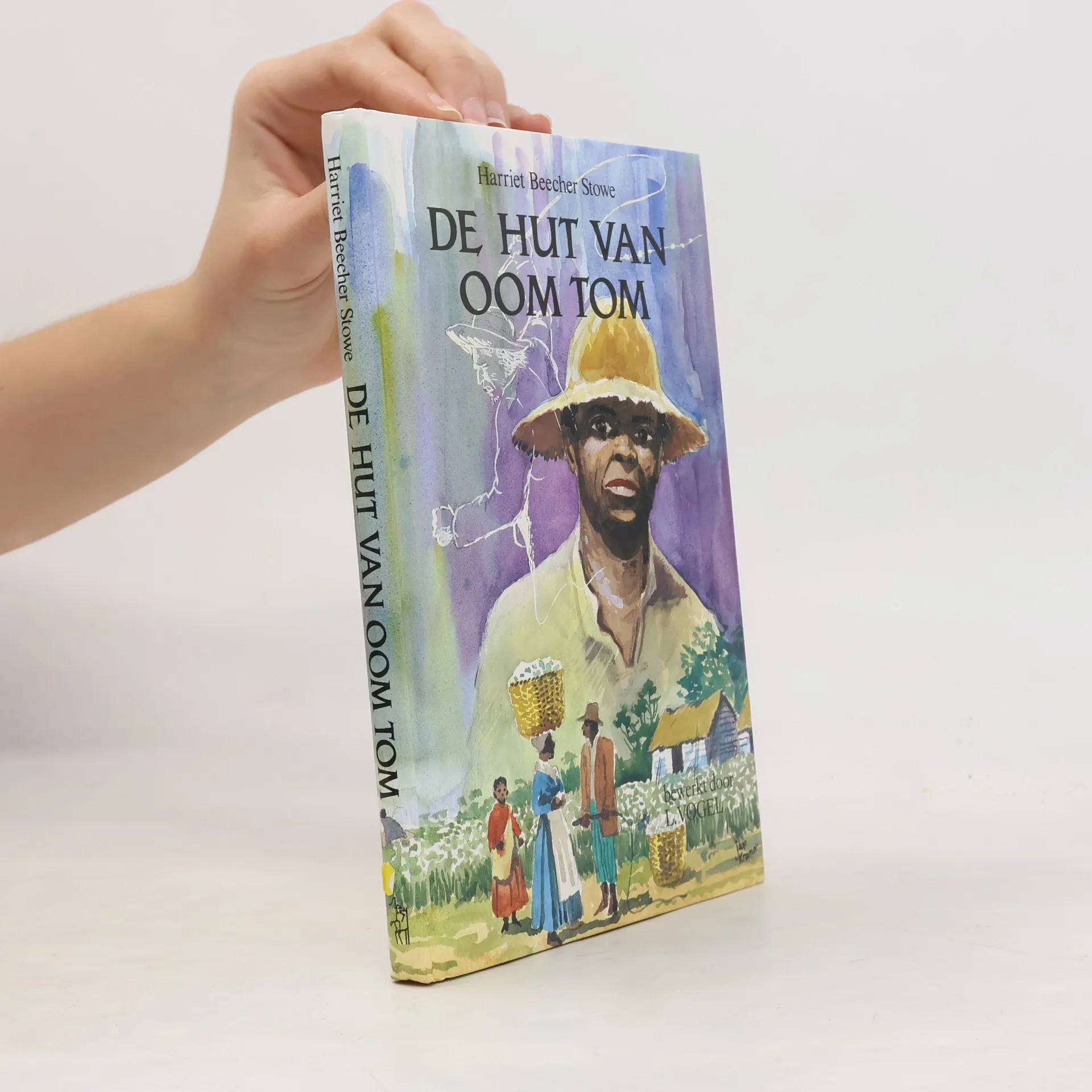
Het boek werd in 1852 geschreven en was bedoeld als felle aanklacht tegen de schandelijke slavernij van de negers. Het miste zijn uitwerking niet. Met verontwaardiging las men hoe de slaven behandeld werden. Langzamerhand ging men inzien dat er verandering moest komen. In 1863 werd de slavernij afgeschaft. De aangrijpende geschiedenis van oom Tom en zijn omgeving werd door L. Vogel op boeiende wijze naverteld voor jong en oud.
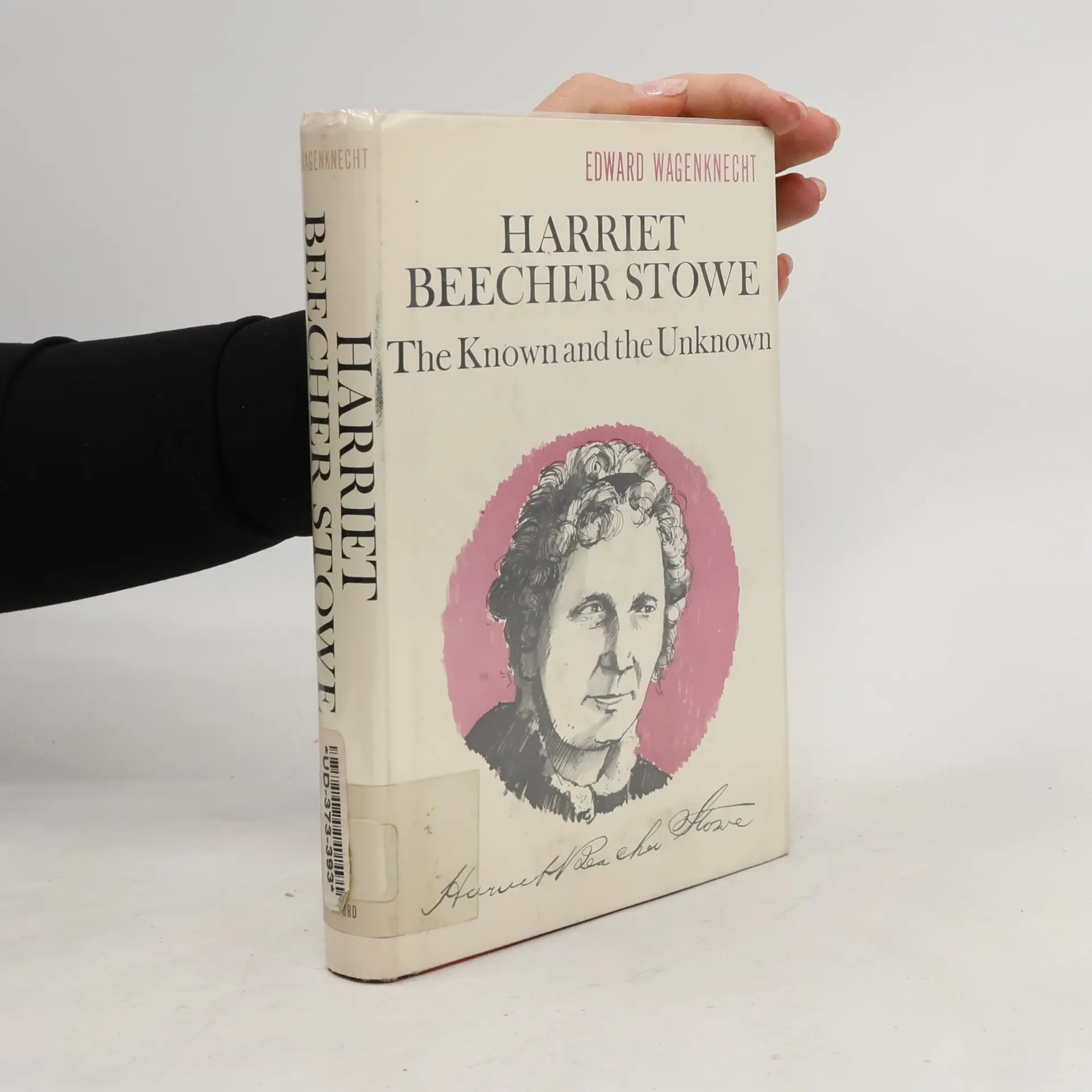
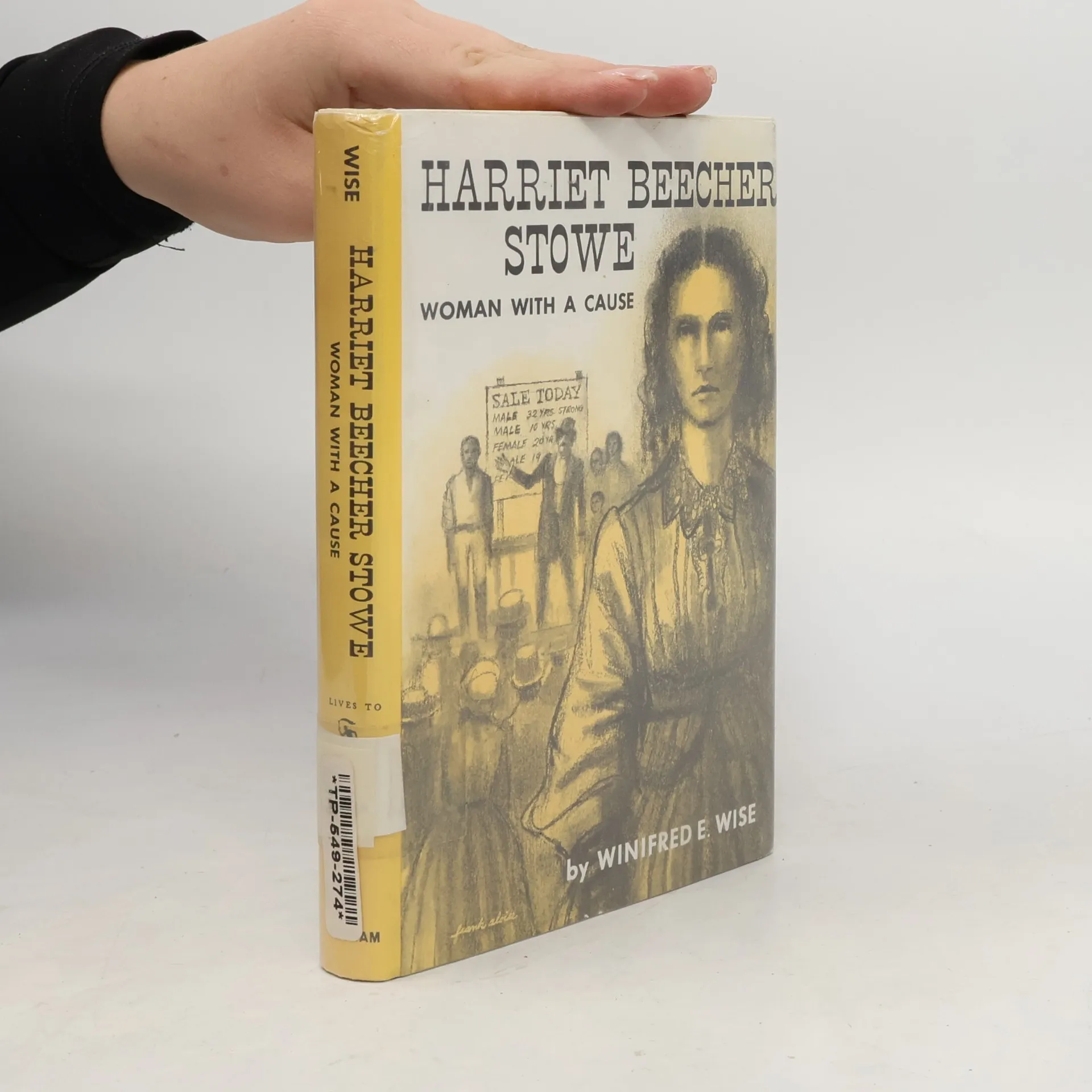
Harriet Beecher Stowe Boeken
14 juni 1811 – 1 juli 1896
Harriet Beecher Stowe was een Amerikaanse auteur en abolitionist wiens werk miljoenen bereikte en invloedrijk werd. Haar schrijven maakte de politieke kwesties van haar tijd tastbaar, waarbij het de anti-slavernij krachten in het Noorden van Amerika energie gaf en het Zuiden verbitterde. Haar unieke stem en literaire benadering maakten haar werk zowel indringend als impactvol, wat haar vestigde als een belangrijke figuur in de literaire geschiedenis die de publieke opinie vormde en bijdroeg aan diepgaande maatschappelijke veranderingen. Haar vermogen om abstracte kwesties voelbaar te maken voor een breed publiek is een bewijs van haar literaire kunstenaarschap en blijvende impact.


"We and Our Neighbors" is a sequel to Harriet Beecher Stowe's "My Wife," featuring the humorous experiences of young couple Harry and Eva Henderson as they interact with their nosy neighbors in New York. Stowe's unique portrayal of the city and her engaging characters highlight her influence as a renowned abolitionist and social commentator.
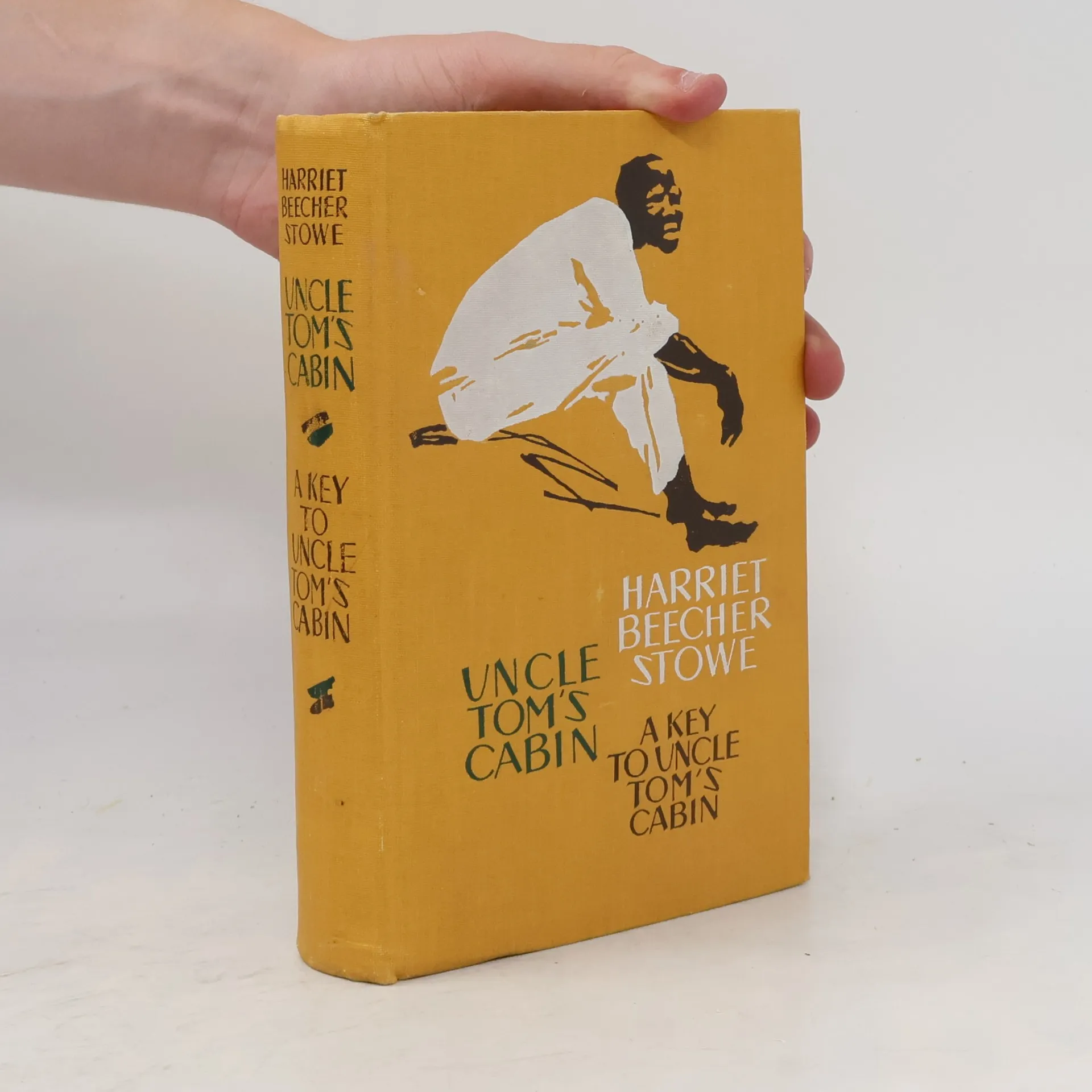
A Key to Uncle Tom's Cabin
- 650bladzijden
- 23 uur lezen
The book serves as a defense of Harriet Beecher Stowe's previous work, providing detailed explanations and research to support the depiction of institutional slavery in Uncle Tom's Cabin. It addresses criticisms from Southerners who disputed her portrayal, presenting original facts and documents that validate her narrative. Stowe, a dedicated abolitionist, reinforces her commitment to social justice and truth in this follow-up. This edition features a modern design and is professionally typeset, making it accessible for contemporary readers.
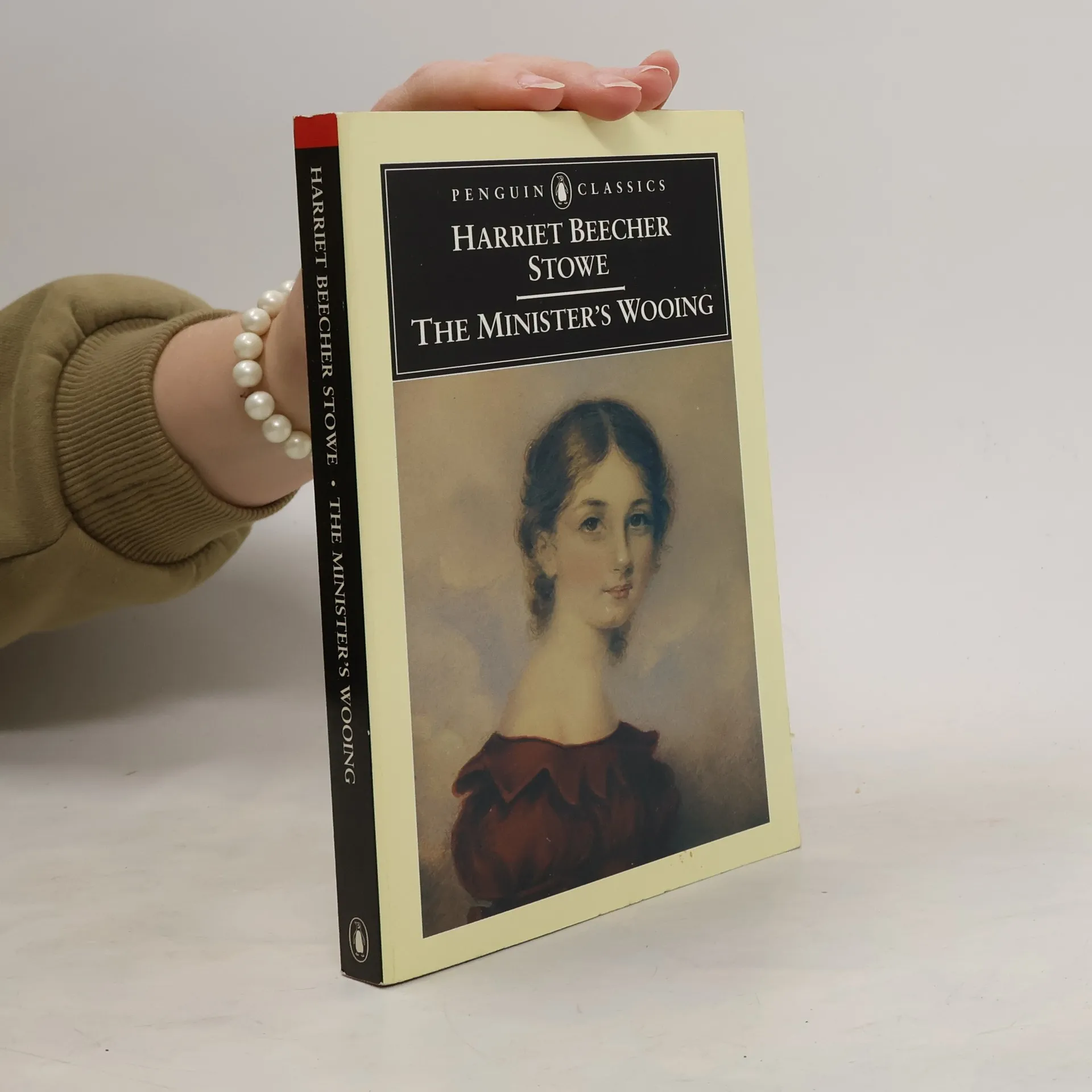
The Minister's Wooing
- 384bladzijden
- 14 uur lezen
Set in eighteenth-century Newport, Rhode Island, this domestic comedy explores themes of slavery, religion, and gender roles. Mary Scudder, living with her widowed mother and boarder Samuel Hopkins, a Calvinist theologian, faces a love dilemma. She is devoted to the skeptical James Marvyn, but her mother disapproves. After James is thought to be drowned, Mary is convinced to accept an engagement with Dr. Hopkins, leading to a complex interplay of faith, love, and social expectations in early America.
Originally published in 1869, this book is a comprehensive guide for housekeepers covering everything from cooking to cleaning to child-rearing. Beecher provides practical advice for running a household in an efficient, healthful, and Christian manner. This revised edition also includes the Handy Cookbook by Catherine Esther Beecher and a new introduction by James B. Herndon Jr.
This book is a reproduction of a historical work, published by Megali, a company dedicated to making literature accessible to individuals with impaired vision through large print formats. The focus on readability ensures that important historical texts can be enjoyed by a wider audience.
The Collected Supernatural and Weird Fiction of Harriet Beecher Stowe
Eight Short Stories of the Strange and Unusual Including 'The Ghost in the Mill,' 'How to Fight the Devil' and 'The Visit to the Haunted House'
- 112bladzijden
- 4 uur lezen
Exploring the rich tapestry of Southern folklore, this collection delves into spine-chilling tales of hauntings and ghostly encounters. Each story captures the essence of Southern culture, blending history with the supernatural. Characters range from restless spirits to those who confront them, revealing deep-rooted beliefs and traditions. The narratives offer a captivating glimpse into the region's eerie past, making it a compelling read for fans of ghost stories and Southern heritage alike.
This publication focuses on making historical works accessible by providing them in large print, catering specifically to individuals with impaired vision. Megali, the publishing house behind this initiative, emphasizes the importance of preserving original texts while enhancing readability for those who may struggle with standard print sizes.
Published in 1869 by the Beecher sisters, this influential book offers practical guidance for homemakers in a servantless home, covering essential skills and contemporary insights on home management. Its blend of philosophy and practicality makes it a significant resource for managing domestic life.
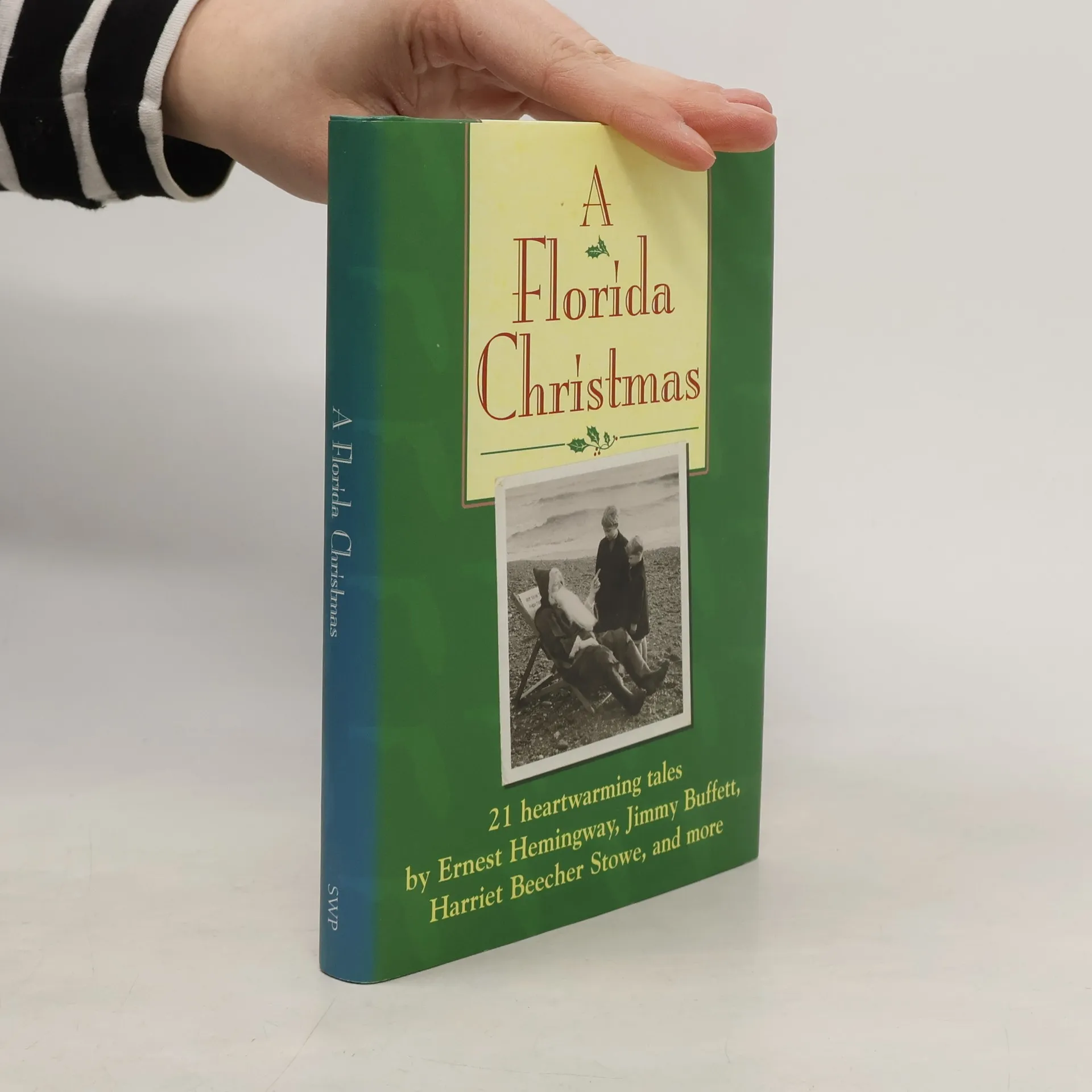
A Florida Christmas
21 Heartwarming Tales by Ernest Hemingway, Jimmy Buffett, Harriet Beecher Stowe, and More
- 191bladzijden
- 7 uur lezen
A heart-warming collection of Christmas stories evoking the authentic character of Florida. Includes stories from Jimmy Buffett, Ernest Hemingway, Harriet Beecher Stowe, Stephen Crane, and other Florida writers.
Focusing on accessibility, this publication is a reproduction of a historical work presented in large print, catering specifically to individuals with impaired vision. The Megali publishing house is dedicated to enhancing the reading experience for those who may struggle with standard text sizes, ensuring that important historical content remains available to a wider audience.
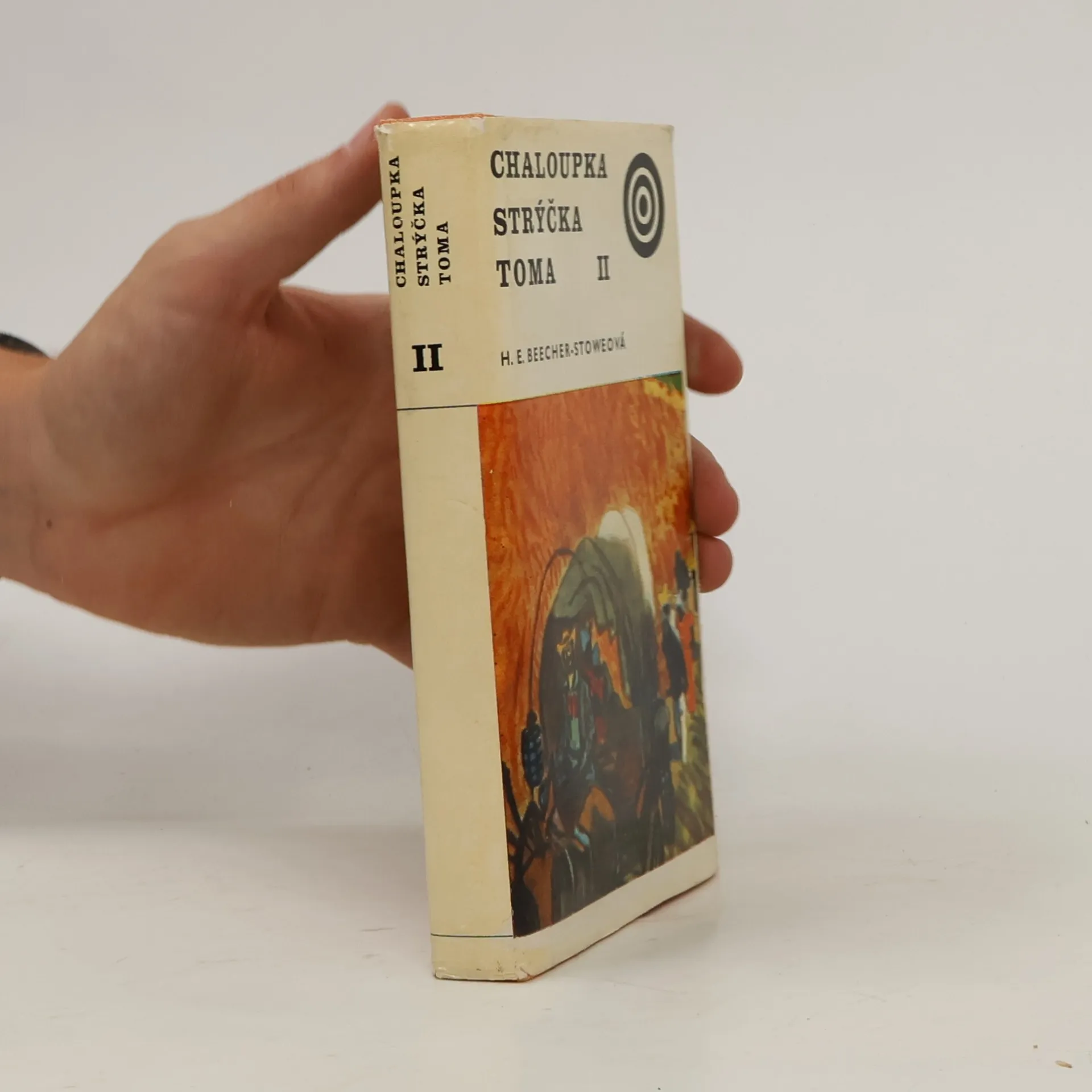
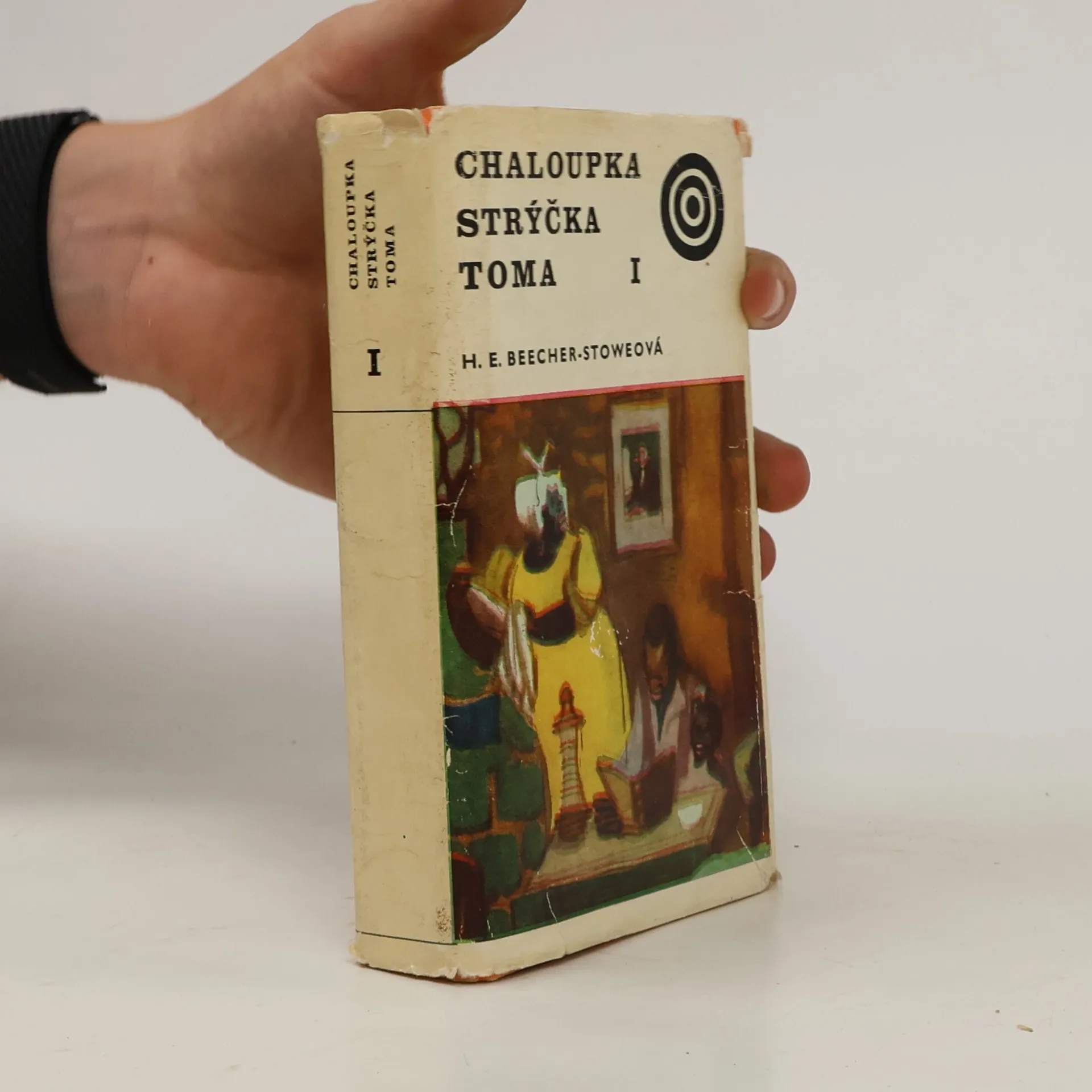
Román zobrazuje život černochů na otrokářském Jihu Ameriky v období před válkou Severu proti Jihu.
Román zobrazuje život černochů na otrokářském Jihu Ameriky v období před válkou Severu proti Jihu.
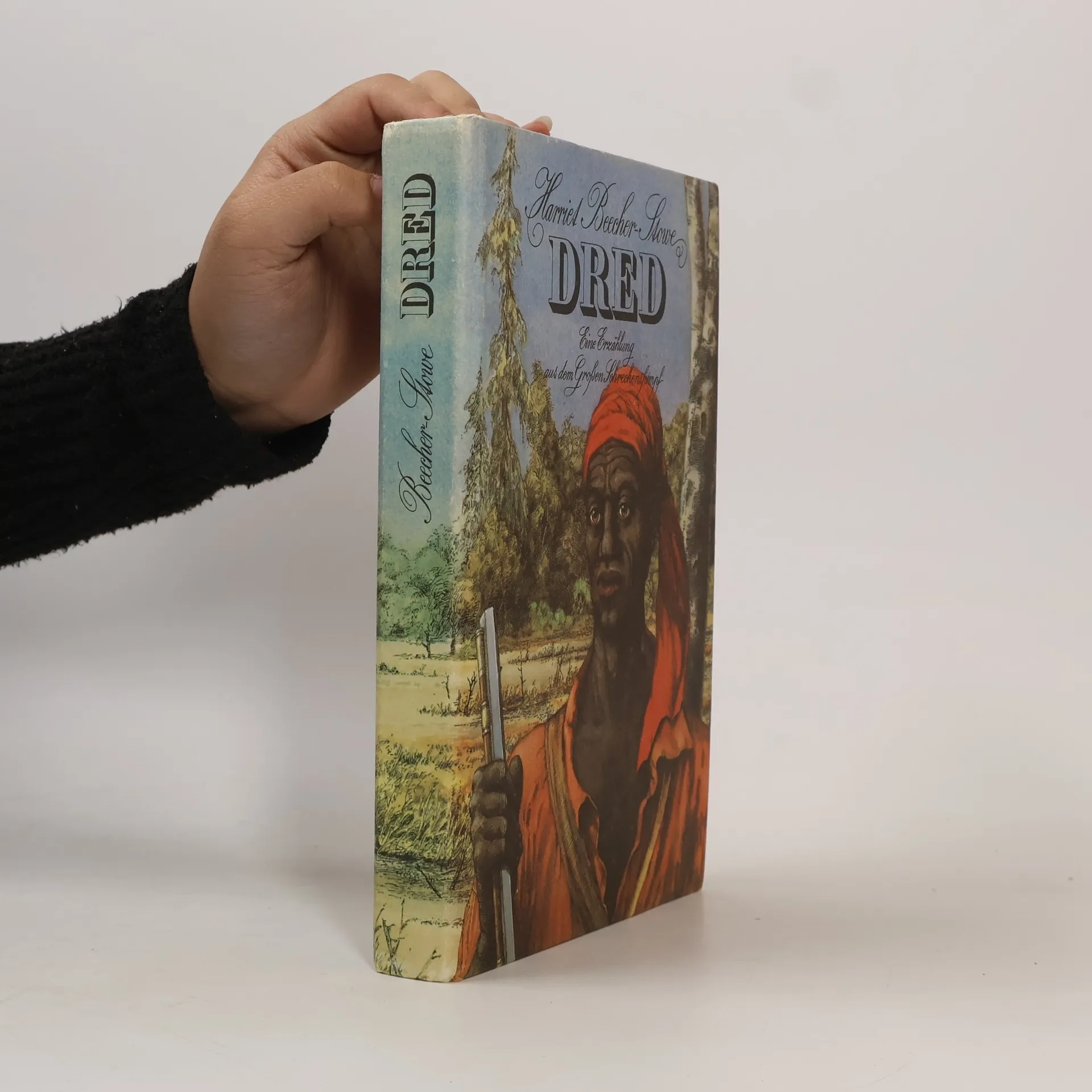
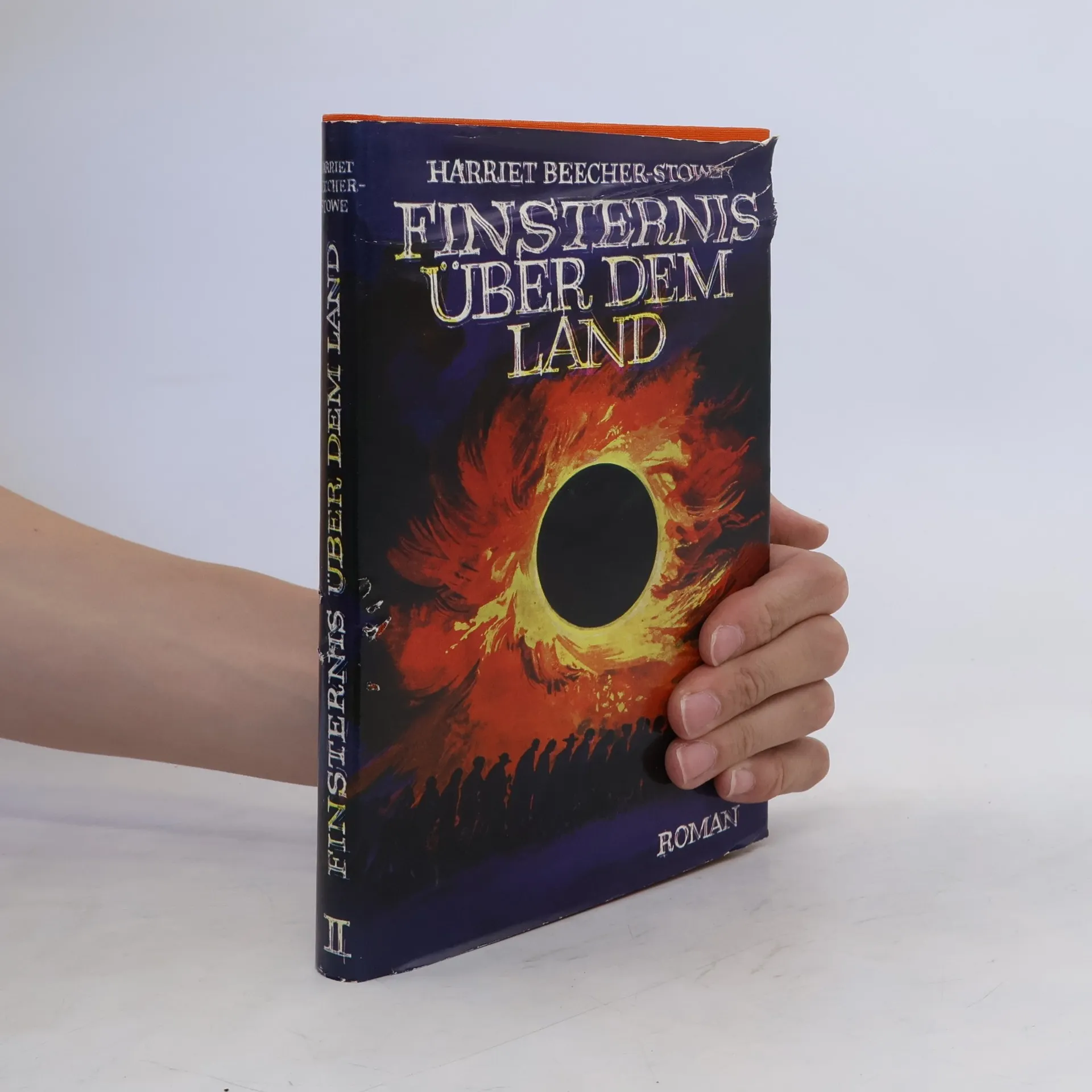
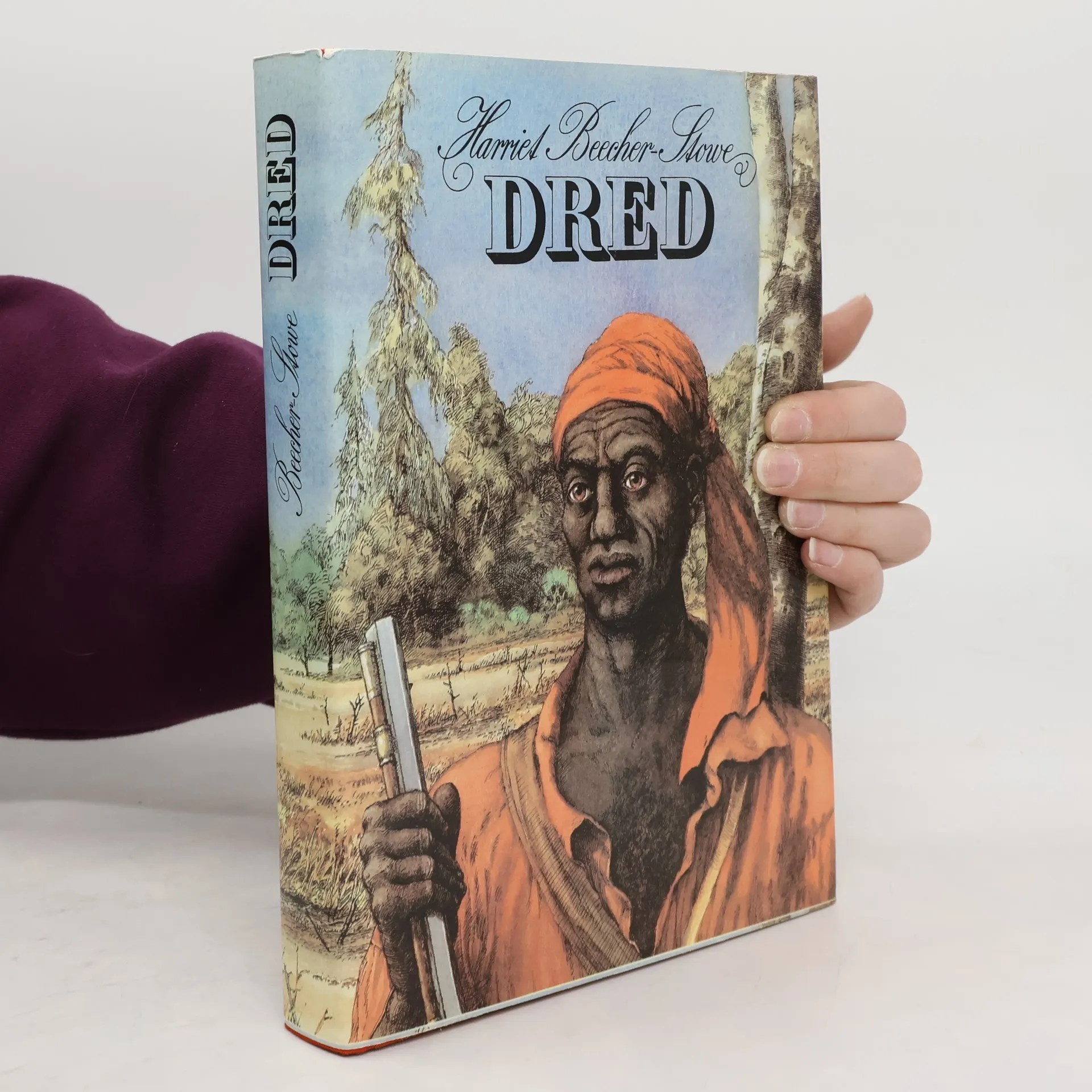
Ein Geheimnis rankt sich um den Großen Schreckenssumpf, in dem Dred, der Sohn eines getöteten aufständischen Negersklaven, Schutz und Zuflucht gefunden hat. Er konnte Freunde um sich sammeln und denkt daran, das Werk seines Vaters fortzusetzen. In weitem Umkreis flüstert man von ihm, raunt sich gegenseitig zu: "Wenn du Hilfe brauchst, geh zu Dred!" Und er, der selber ständig von den Sklavenjägern gehetzt wird, er ist immer zur Stelle, wenn er gebraucht wird, er kennt die Wege durch den Sumpf, und er scheut keine Gefahren, nicht die Jäher und nicht die Hunde, die auf seine Spur gesetzt werden. Die Herren wollen - sie müssen ihn in ihre Hände bekommen, denn solange er frei ist, laufen ihnen die Sklaven davon, zu ihm, zu Dred in den Großen Schreckenssumpf. Unter Verwendung zweier Übersetzungen aus dem Amerikanischen von Marie Heine (Leipzig, 1856) und August Kretzschmar (Wurzen 1857) bearbeitet von Jörg Hildebrandt. Gekürzte Fassung.
Velká kniha slavných dobrodružných příběhů
- 296bladzijden
- 11 uur lezen
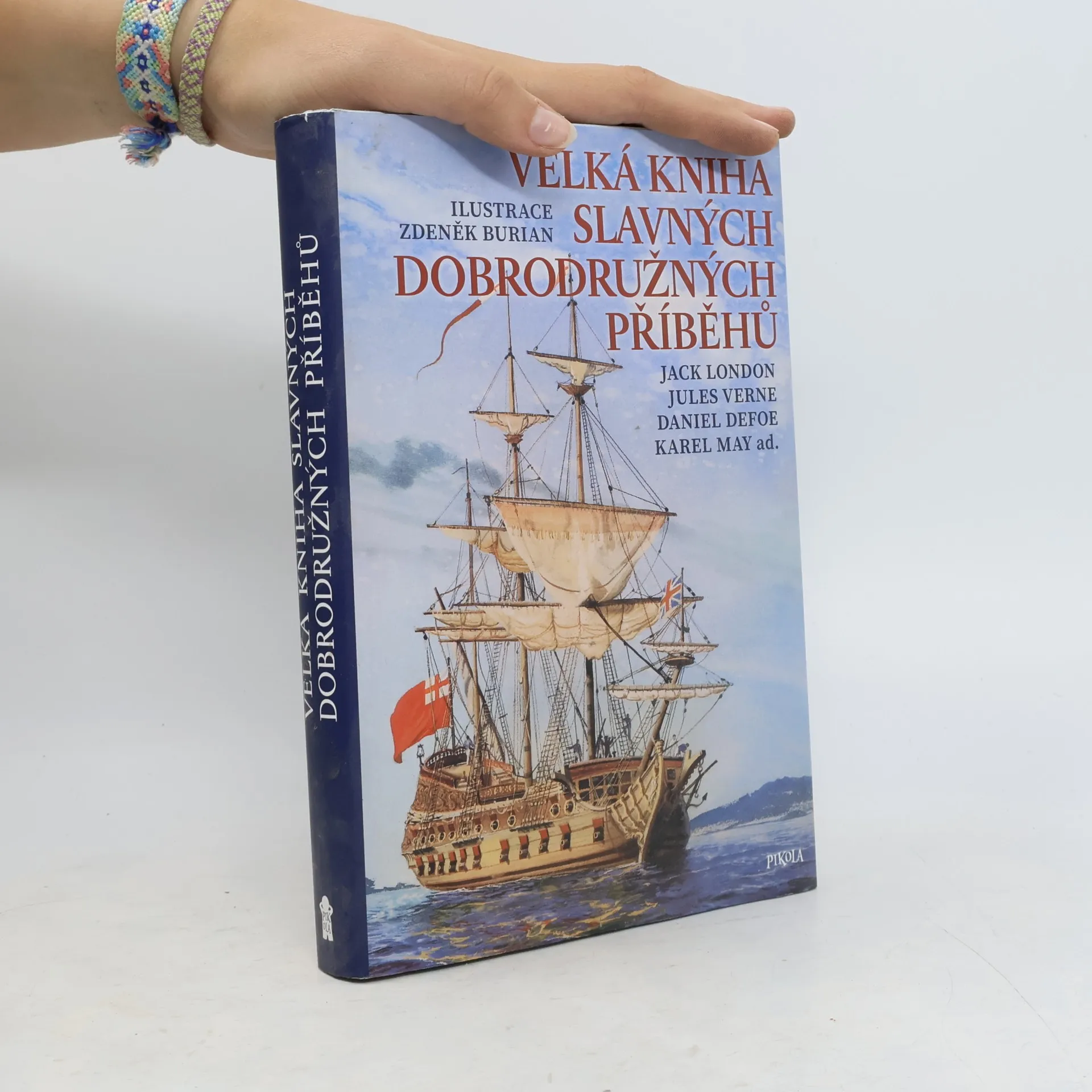
Knížka představuje antologii slavných dobrodružných příběhů klasické světové literatury, od Jacka Londona a jeho Lásky k životu, v níž autor popisuje příběh zlatokopa, bojujícího o život s hladem a nebezpečími drsného kanadského Severu, přes Chaloupku strýčka Toma americké spisovatelky Harriet Beecher Stoweová, která výrazně ovlivnila anglosaský svět v boji proti otroctví, až k notoricky známému příběhu osamělého trosečníka Robinsona Crusoea. Zastoupeno je i dílo Julesa Vernea, Breta Harteho, Karla Maye či Rudyarda Kiplinga. Texty jsou doprovázeny krásnými ilustracemi Zdeňka Buriana, jež jsou ve čtenářském povědomí s literaturou romanticky dobrodružného žánru neodmyslitelně spjaty.
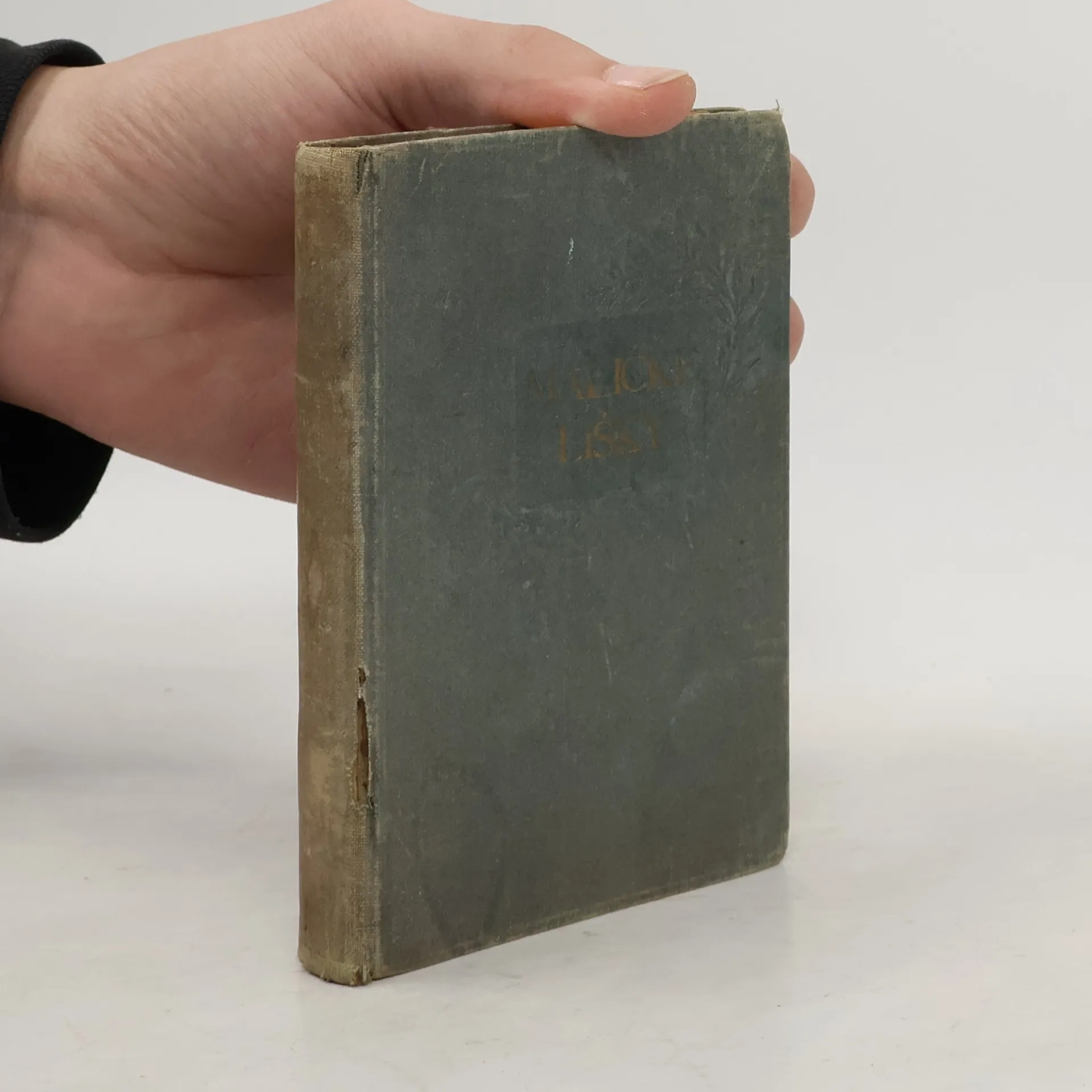
Maličké lišky
čili chybičky, které ruší domácí štěstí
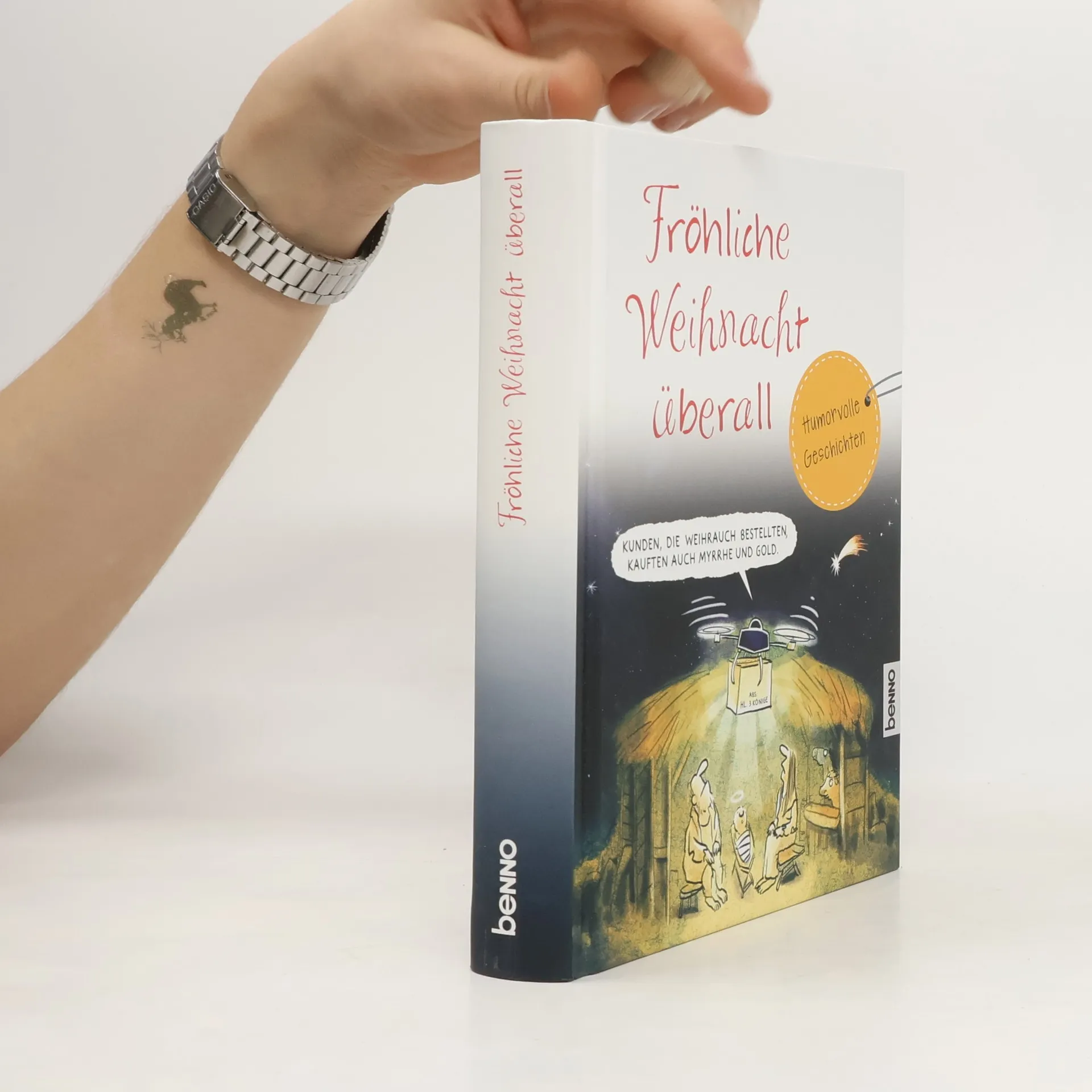
Die humorvollen Advents- und Weihnachtsgeschichten dieses Buches blicken mit einem Schmunzeln auf Weihnachten. Die Autoren wie Ephraim Kishon oder Eugen Roth sind Meister des warmherzigen Humors und erfreuen sich bei Lesern aller Altersgruppen großer Beliebtheit. Viele unserer Gewohnheiten und Erwartungen in der Weihnachtszeit werden unterhaltsam beleuchtet. Eine abwechslungsreiche Lektüre für die Zeit der Weihnachtsvorbereitungen und das Fest.
Milano, Lucchi, 1987, 16mo brossura cop. ill. col. pp. 283
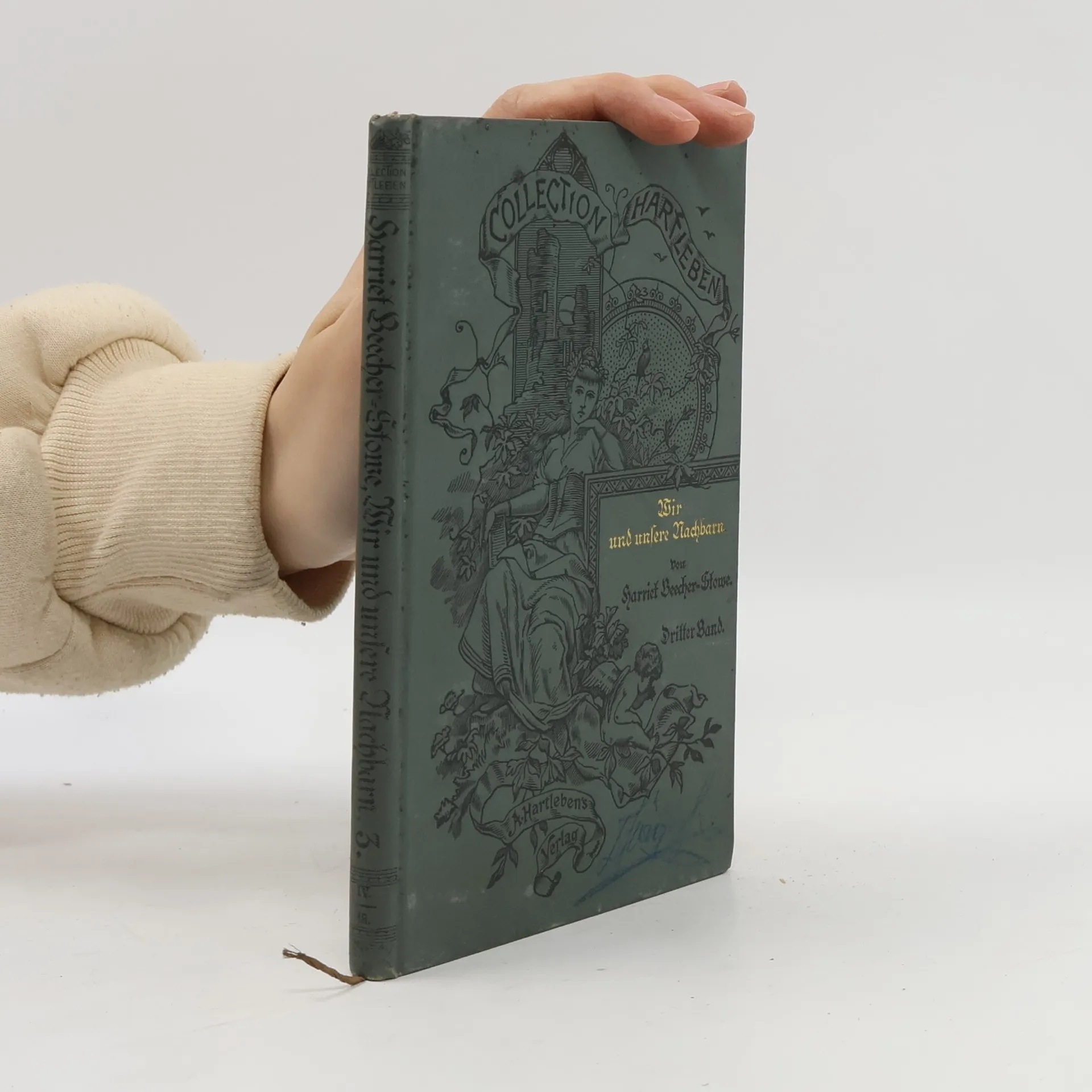
Wir und unsere Nachbarn. Band 3
Chronik einer entlegenen Straße
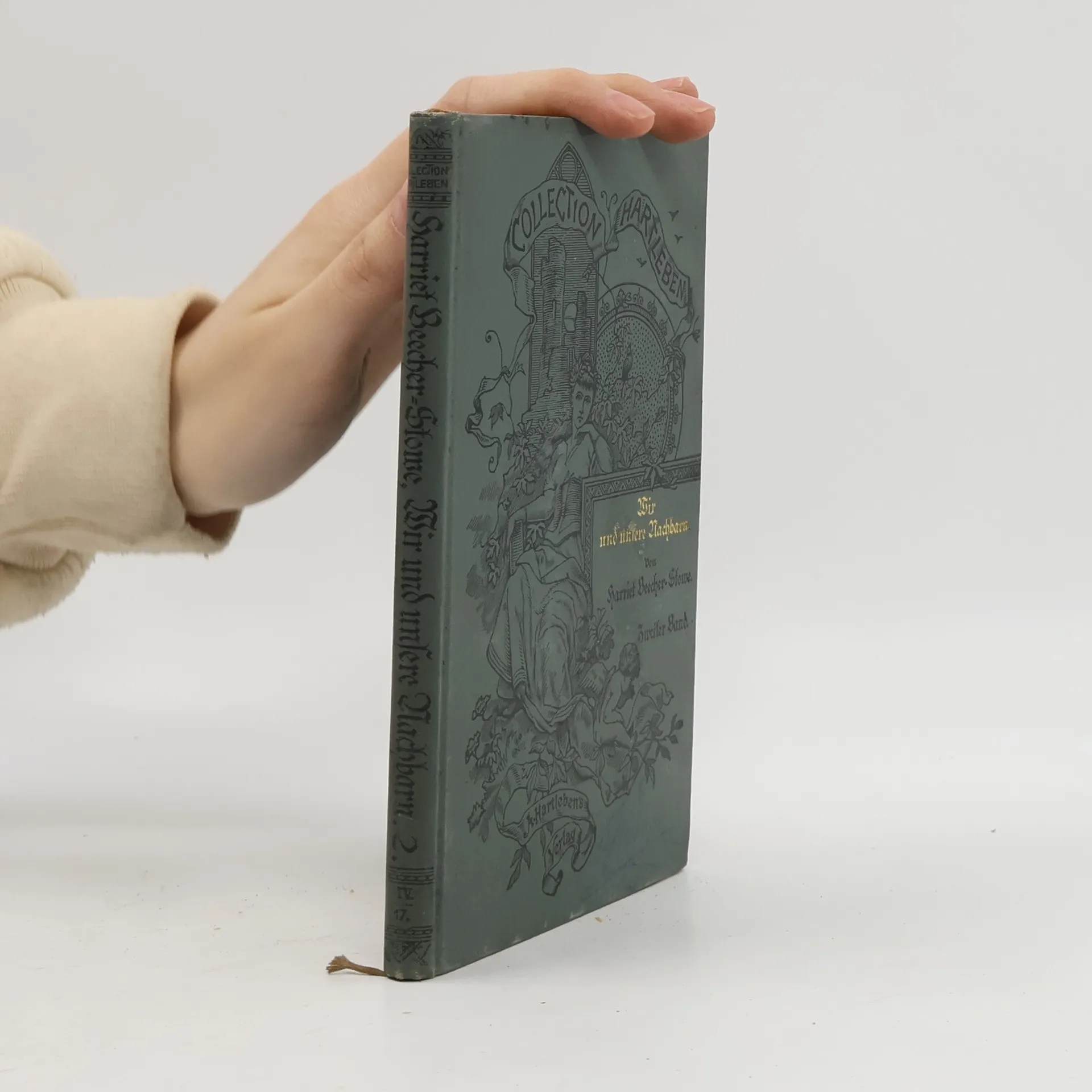
Wir und unsere Nachbarn. Band 2
Chronik einer entlegenen Straße
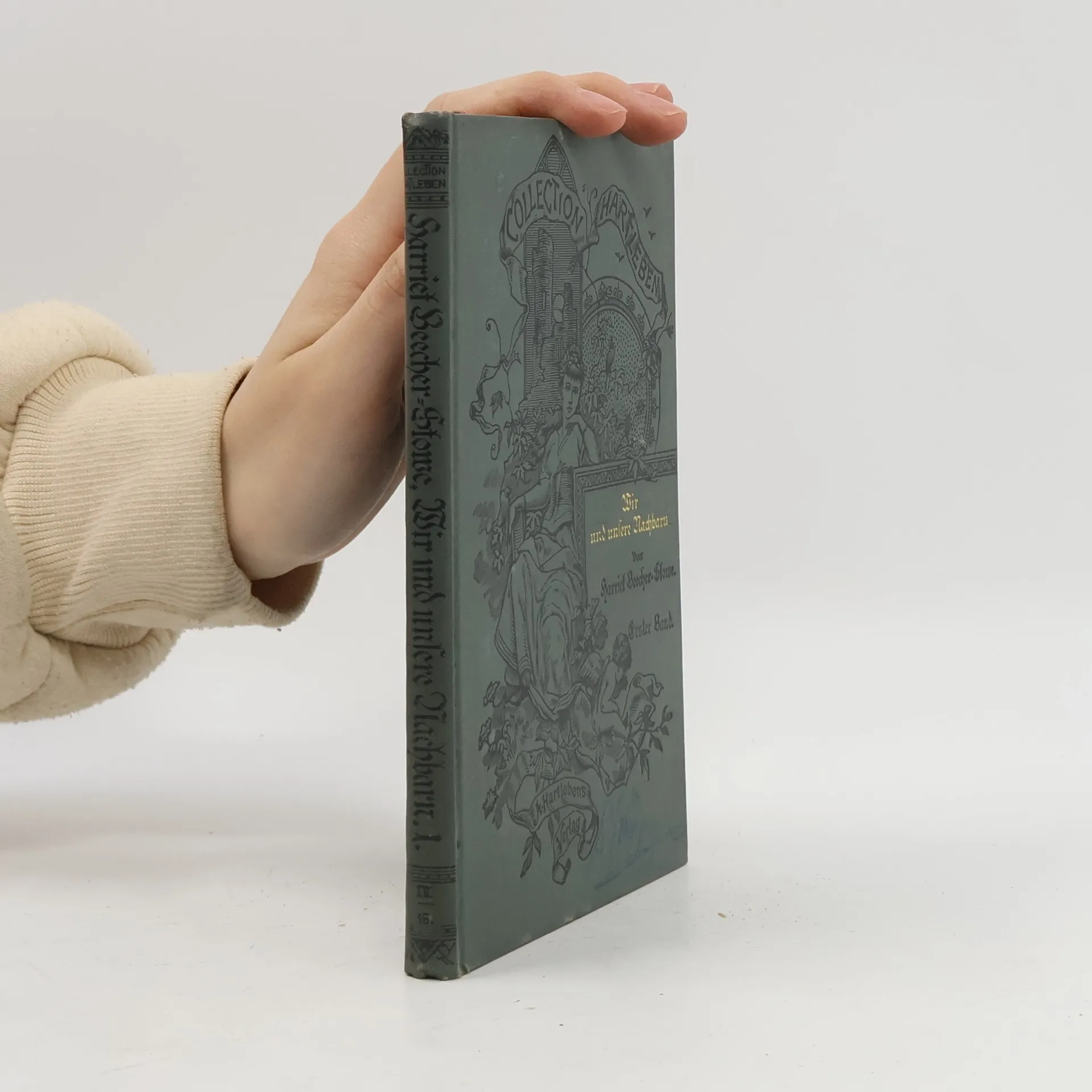
Wir und unsere Nachbarn. Band 1
Chronik einer entlegenen Straße
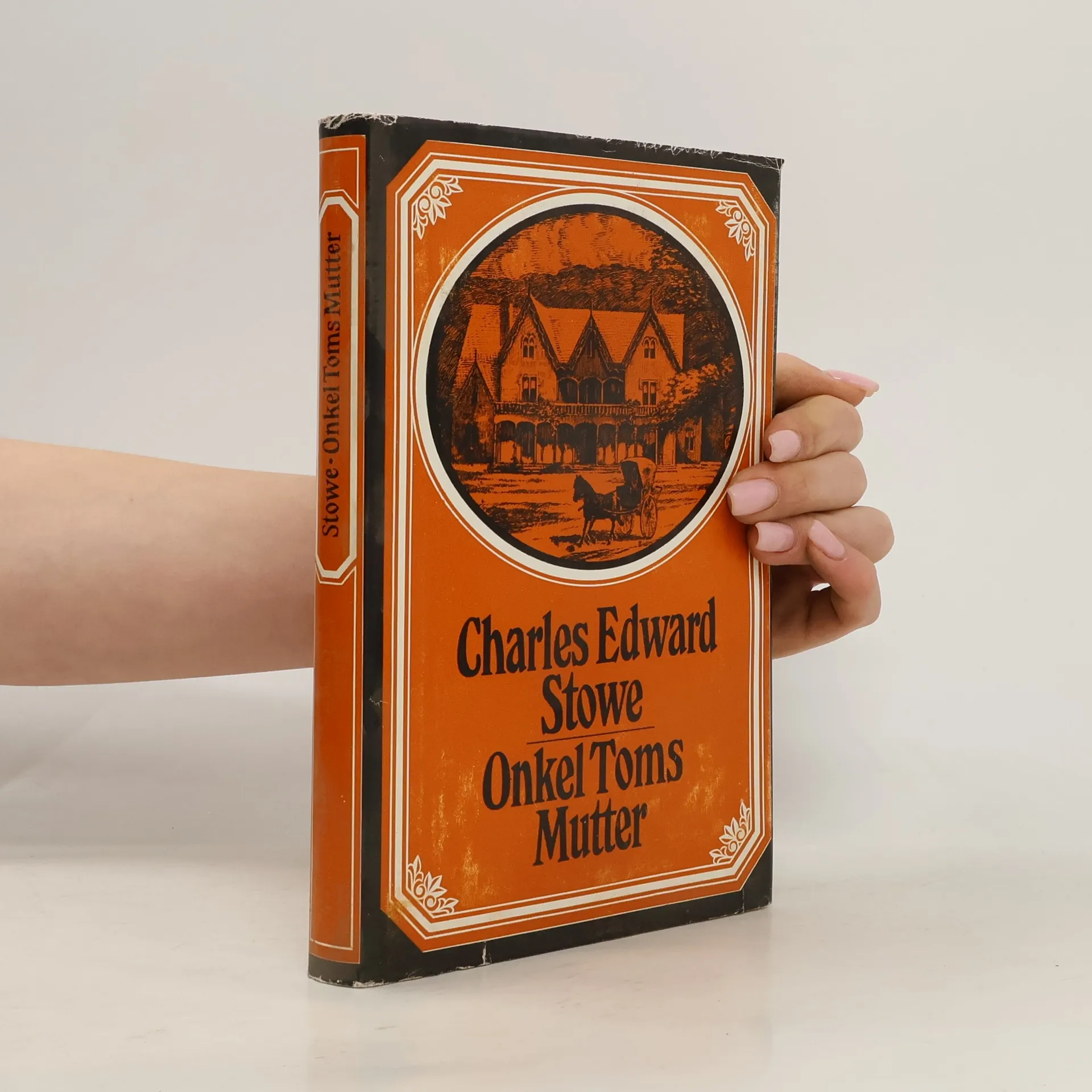
Onkel Toms Mutter
- 237bladzijden
- 9 uur lezen
Stowe's second anti-slavery novel, the sequel to Uncle Tom's Cabin, is an essential primary text for students of literature and history. This vigorous and compulsively readable story, masterfully edited by Newman, combines thought-provoking themes, rich characterization, satire, and sentiment.
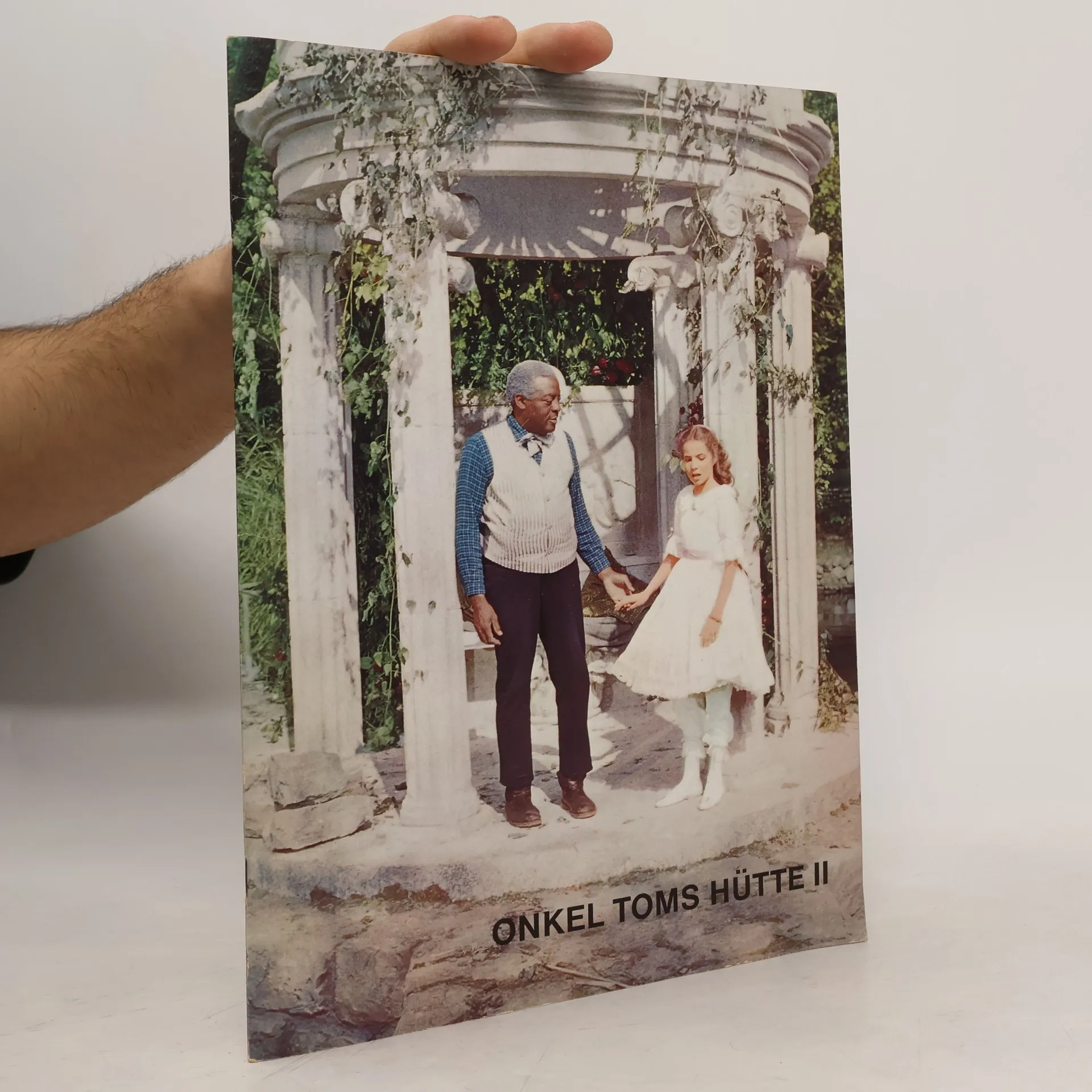
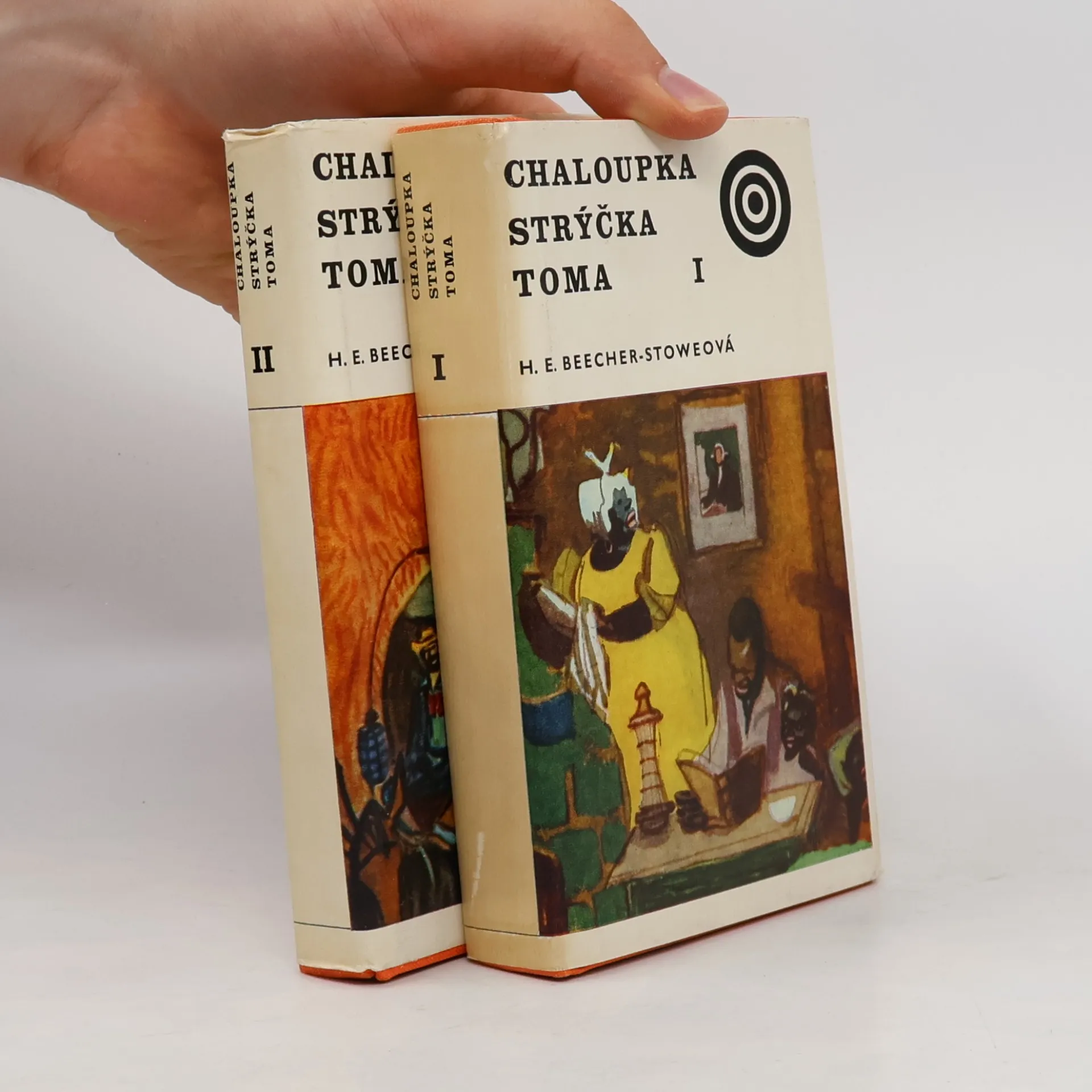
Chaloupka strýčka Toma I. a II. díl
- 2 volumes
Román zobrazuje život černochů na otrokářském Jihu Ameriky v období před válkou Severu proti Jihu.