

An illuminating work revealing the long history of xenophobia—and what it means for today’s divided world Over the last few years, it has been impossible to ignore the steady resurgence of xenophobia. The European migrant crisis and immigration from Central America to the United States have placed Western advocates of globalization on the defensive, and a “New Xenophobia” seems to have emerged out of nowhere. In this fascinating study, George Makari traces the history of xenophobia from its origins to the present day. Often perceived as an ancient word for a timeless problem, “xenophobia” was in fact coined only a century ago, tied to heated and formative Western debates over nationalism, globalization, race, and immigration. From Richard Wright to Sigmund Freud, Jean-Paul Sartre, and Simone de Beauvoir, writers and thinkers have long grappled with this most dangerous of phobias. Drawing on their work, Makari demonstrates how we can better understand the problem that is so crucial to our troubled times.
George Makari Volgorde van de boeken (chronologisch)
George Makari is een professor in de psychiatrie wiens werk ingaat op de geschiedenis van de psychoanalyse en de moderne geest. Zijn geschriften verkennen cruciale momenten in de evolutie van het psychologische denken en bieden diepgaande inzichten in hoe ons begrip van de menselijke psyche is getransformeerd. Hij analyseert de ingewikkelde creatie van psychoanalytische ideeën en de uitvinding van de moderne geest. Zijn bijdragen belichten de fascinerende reis van intellectuele en therapeutische innovatie.

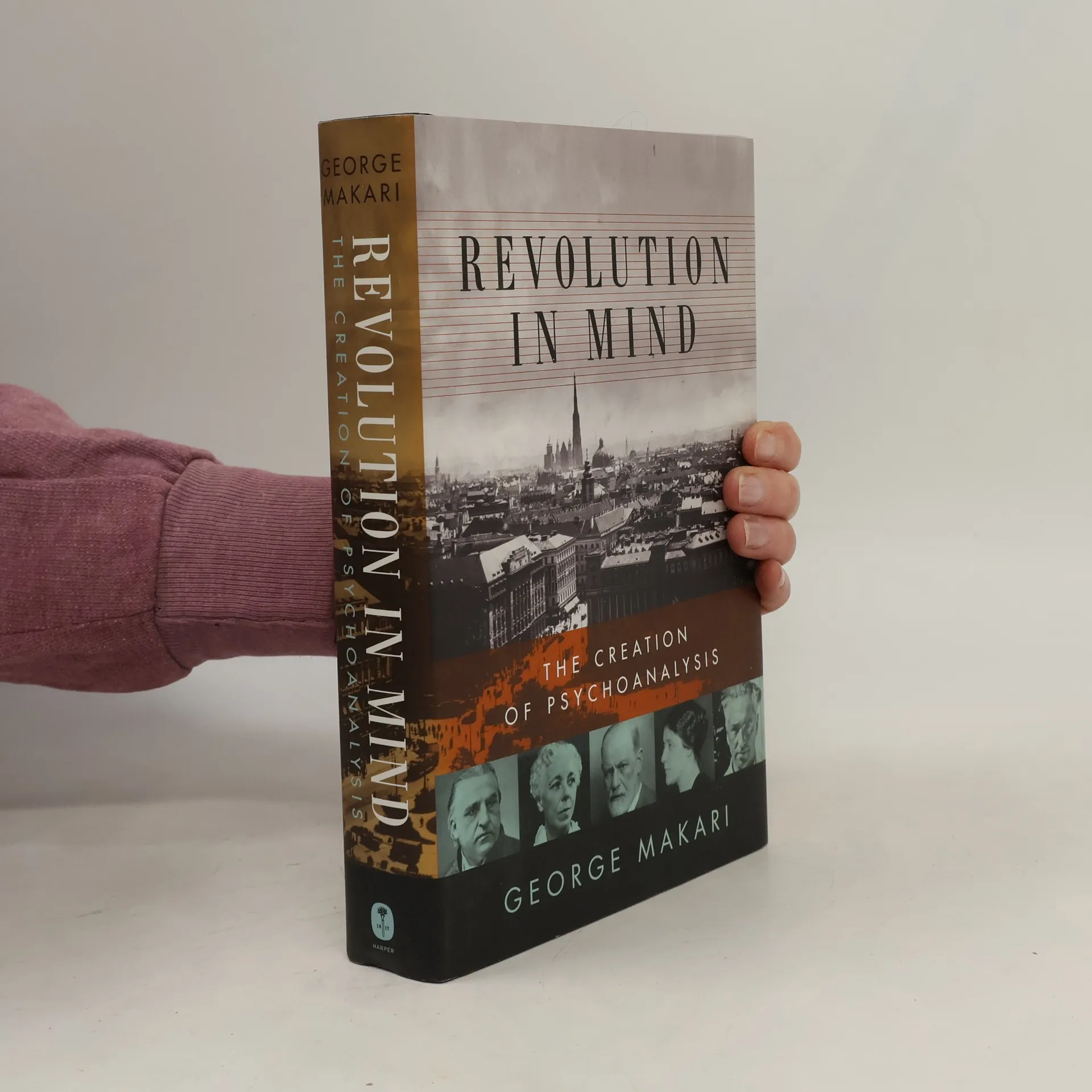
A masterful history of one of the most important movements of our time, Revolution in Mind is a brilliant, engaging, and radically new work—the first ever to fully account for the making of psychoanalysis. In a sweeping narrative, George Makari demonstrates how a new way of thinking about inner life coalesced and won followers who spread this body of thought throughout the West. Along the way he introduces the reader to a fascinating array of characters, many of whom have been long ignored or forgotten. Amid great ferment, Sigmund Freud emerged as a creative, interdisciplinary thinker who devised a riveting new theory of the mind that attracted acolytes from the very fields the Viennese doctor had mined for his synthesis. These allies included Eugen Bleuler, Carl Jung, and Alfred Adler, all of whom eventually broke away and accused the Freudian community of being unscientific. Makari reveals how in the wake of these crises, innovators like Sándor Ferenczi, Wilhelm Reich, Melanie Klein, and others reformed psychoanalysis, which began to gain wide acceptance only to be banished from the continent and sent into exile due to the rise of fascism. Groundbreaking, insightful, and compulsively readable, Revolution in Mind goes beyond myth and polemic to give us the story of one of the most controversial intellectual endeavors of the twentieth century.