

The white German graphic novelist Birgit Weyhe teaches at a US college through an academic exchange program. At a conference of American Germanists in the Midwest, she is accused of cultural expropriation. Is she exploiting her privileges as a white writer when she tells stories about Black people? She meets Priscilla Layne, an African American professor of German studies with Caribbean roots. Growing up, Priscilla is labelled an ‘Oreo’: too white for her Black classmates, and too Black for the white kids. Rebelling against everything and everyone all at once, she joins the skinhead movement and becomes a rude girl, only to discover a community where she feels valued. Music, clothes, hair, food, class, race, gender, education – her life and identity are a complex composite. But how should Birgit Weyhe tell a life story like Priscilla’s? What mistakes does she need to avoid? The act of storytelling itself becomes its own narrative layer in this unique graphic biography.
Birgit Weyhe Boeken


Madgermanes’ is what the Mozambican workers once contracted out to East Germany are called today. At the end of the 1970s, some 20,000 of them were sent from the People’s Republic of Mozambique to the GDR to labour for their socialist sister country. After the Berlin Wall fell, almost all of them lost their residency status. Decades later, they are still waiting for most of their wages to be paid. Birgit Weyhe depicts their search for belonging and a place to call home, caught between two cultures and two states that no longer exist. Based on extensive interviews, she creates three fictitious narrators and transforms their stories into a visual language that skilfully interweaves African and European narrative traditions. Winner of the Berthold Leibinger Foundation Comic Book Prize and the Max and Moritz Prize for Best German Comic ‘The book is a great document and a monument to the injustice that befell me and other contract workers in East Germany.’ Emiliano Chaimite, Dresden ‘Birgit Weyhe traces emotions and situations, translating them into overwhelming images by entering into an artistic dialogue between European and African culture.’ Max and Moritz Prize
„MADGERMANES”. Tak wołają się dziś niegdysiejsi mozambiccy robotnicy kontraktowi w NRD. Pod koniec lat 70. Ludowa Republika Mozambiku wysłała ich do pracy w bratnim socjalistycznym NRD. Po upadku muru niemal wszyscy stracili zezwolenie na pobyt i pracę. Do dziś czekają na większą część zarobionych wtedy pieniędzy. Z perspektywy trójki fikcyjnych bohaterów rozdartych między dwoma kulturami, Birgit Weyhe przedstawia opowieść o poszukiwaniu własnej tożsamości i definicji ojczyzny. Informacje zdobyte w wywiadach z prawdziwymi mozambickimi robotnikami przekształca w porywającą historię, mistrzowsko czerpiącą zarówno z afrykańskiej, jak i europejskiej tradycji obrazu. „W tym kraju można by oszaleć, gdyby nie fakt, że wciąż wydawane są lektury tak wspaniałe, wdzięczne i wartościowe, jak ta, której dziś przyznajemy komiksową nagrodę fundacji Berthold Leibinger Stiftung”. Andreas Platthaus, przewodniczący jury
Lebenslinien
- 124bladzijden
- 5 uur lezen
In ihrer Serie Lebenslinien, die im Berliner Tagesspiegel erschienen ist, spürt die preisgekrönte Autorin ganz unterschiedlichen Schicksalen und Lebenswegen nach. Aus flüchtigen Begegnungen sind so persönliche und ehrliche Geschichten entstanden, die dem Leser Einblick in die Biografien von Menschen geben, die auch genauso gut die eigenen Nachbarn sein könnten. Im Großen geht es dabei um Identitätsfragen zwischen den Kulturen. Oft genug sind es gebrochene Biografien, in denen die großen und kleinen Ereignisse der Geschichte eingreifen. Und im Kleinen vielleicht auch nur darum, den Mitmenschen zuzuhören und seine Geschichte zu teilen. Birgit Weyhe bringt mit ihrem unverwechselbaren Stil ein Plädoyer für einen offenen Umgang miteinander zu Papier, für eine Gesellschaft, die sich für ihre Mitmenschen interessiert
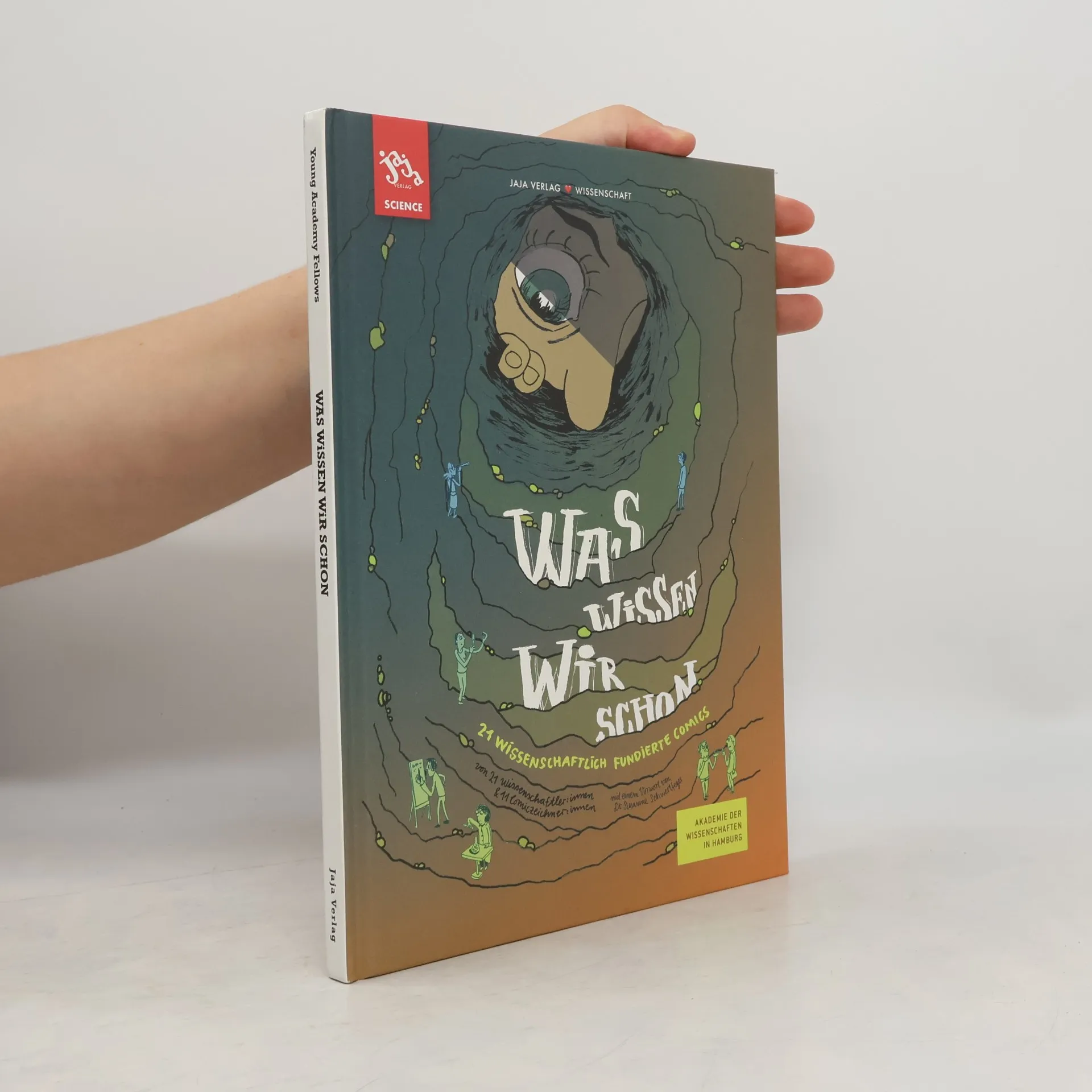
Diese Comic-Anthologie entstand aus einem interdisziplinären Projekt der Young Academy Fellows in Hamburg. 21 Wissenschaftler:innen und Comiczeichner:innen erstellen Comics, die auf anschauliche Weise verschiedene wissenschaftliche Themen wie Soziologie, Technikethik und Quantenphysik behandeln. Jeder Comic hat eine eigene Ästhetik.