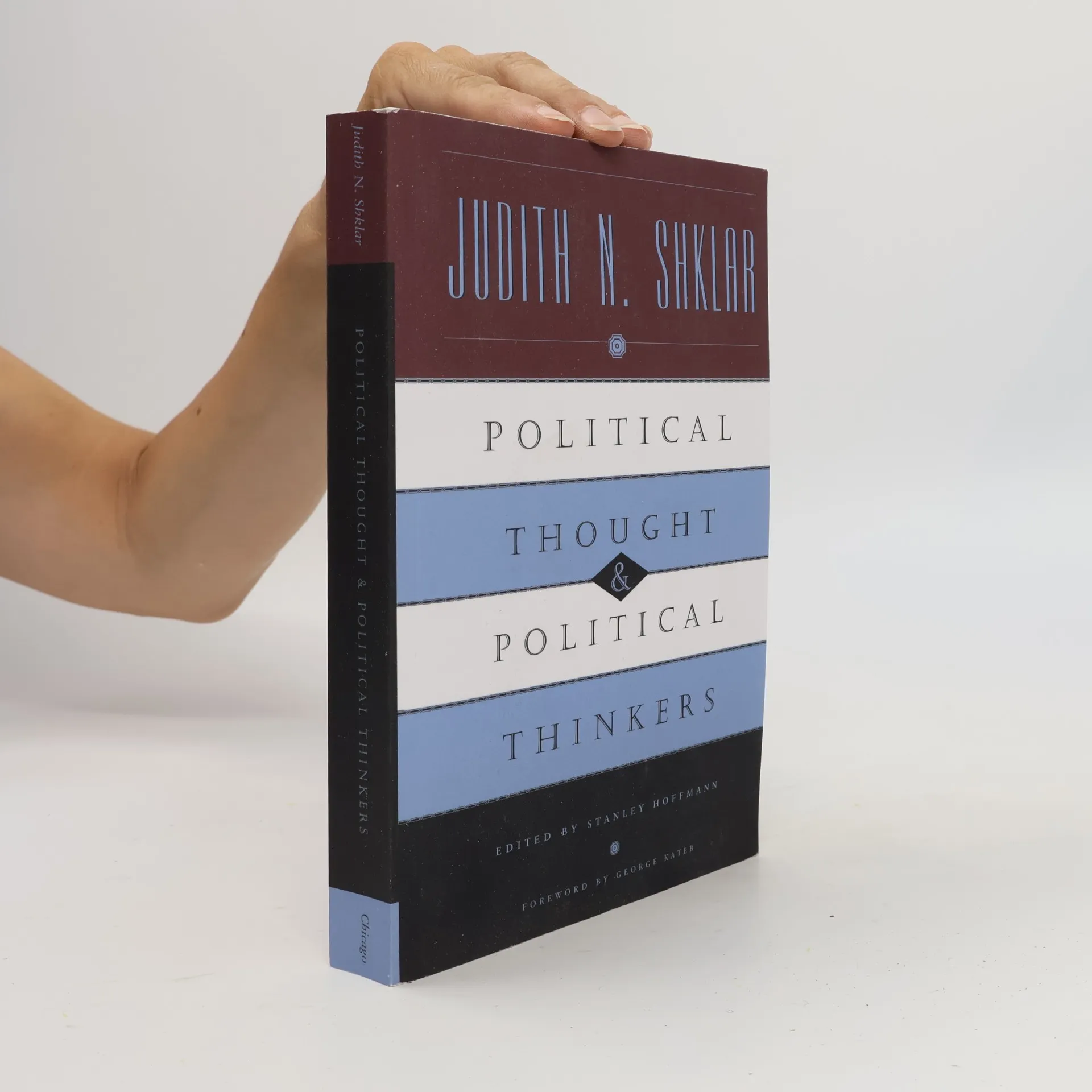
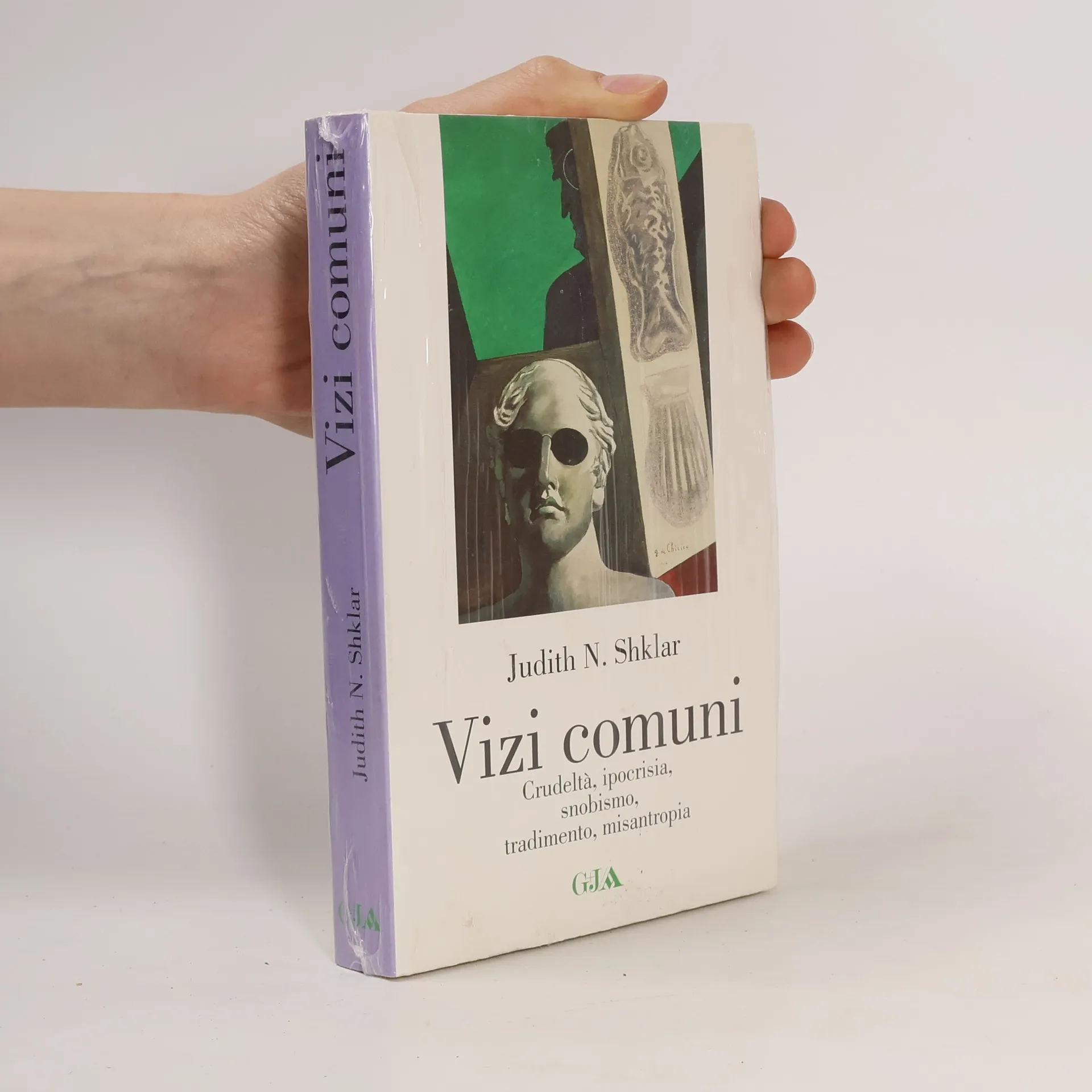
Judith Shklar draws from a brilliant array of writers--Molière and Dickens on hypocrisy, Jane Austen on snobbery, Shakespeare and Montesquieu on misanthropy, Hawthorne and Nietzsche on cruelty, Conrad and Faulkner on betrayal--to reveal the nature and effects of the vices.
Incisively and stylishly written, this book constitutes an open challenge to reconsider the fundamental question of the relationship of law to society.
In this illuminating look at what constitutes American citizenship, Judith Shklar identifies the right to vote and the right to work as the defining social rights and primary sources of public respect. She demonstrates that in recent years, although all profess their devotion to the work ethic, earning remains unavailable to many who feel and are consequently treated as less than full citizens.
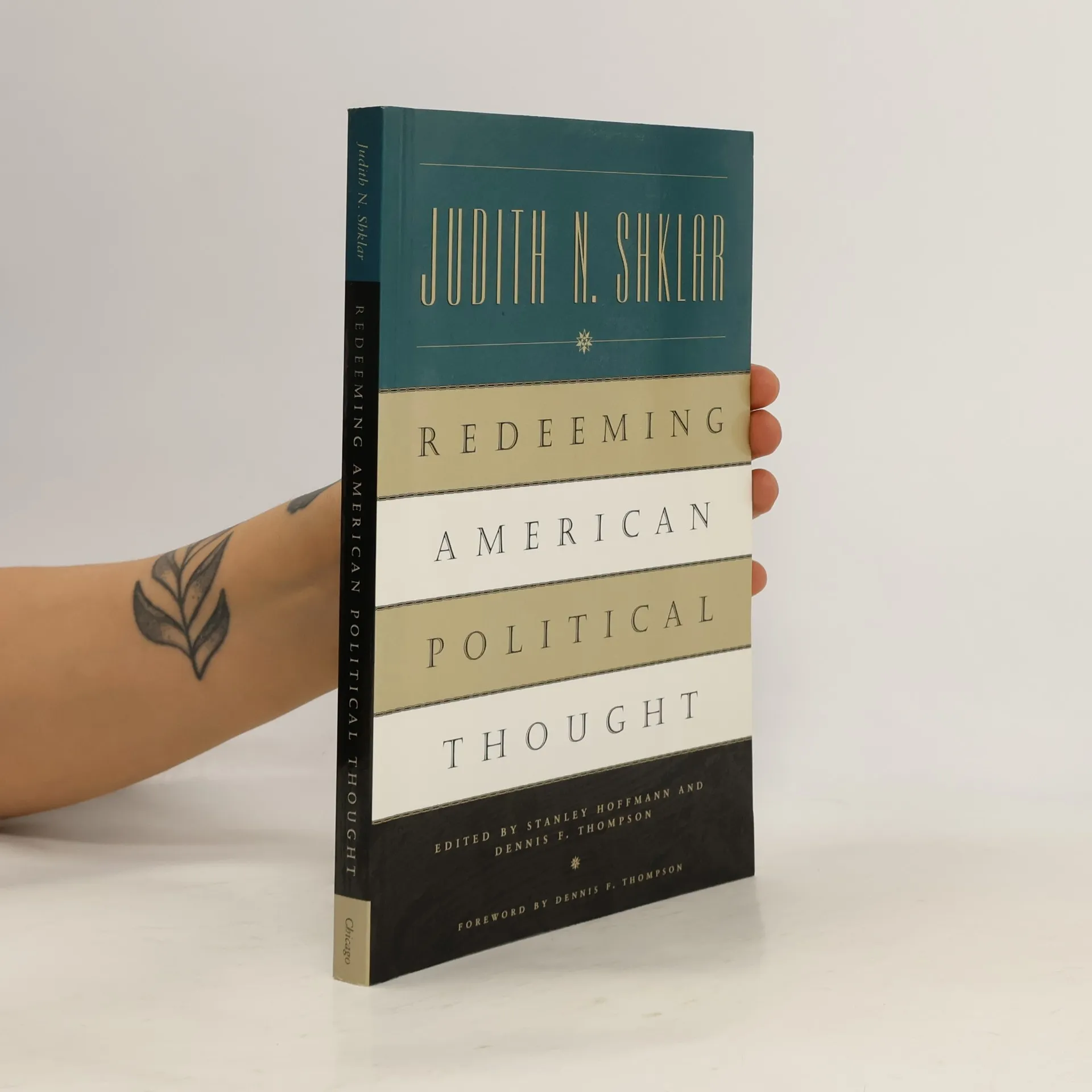
Noted political philosopher Judith Shklar declined to write a book about American political thought because, she once claimed, "the subject is too hard." She finally took on this formidable task late in her career, but her untimely death left most of the work unpublished. Now Redeeming American Political Thought makes these essays, some published here for the first time, available to readers.In these thirteen essays, Shklar explores two themes crucial to discussions of American first, what she terms the "fundamental social condition" of American life, the tension between expansive political equality and persistent social inequality; and second, "redeeming" American political thought for those who believe it lacks the complexity and depth of the European tradition. She covers issues ranging from the use of history in political discourse to the effect of skepticism on politics and thinkers from Hamilton and Jefferson to Melville. The strength and depth of this collection underscore Shklar's reputation as one of this century's most important liberal scholars.Judith N. Shklar (1928-1992) was Cowles Professor of Government at Harvard University and the author of nine books in political philosophy.
This is the second volume of Judith Shklar's work and brings together essays on a number of themes, including the place of the intellect in the modern political world and the dangers of identity politics.
Zur Präsidentschaftswahl 2016: Tiefe Einsichten in die politische Kultur der USA Bill of Rights, Civil Rights Movement, Recht auf Waffenbesitz oder freie Meinungsäußerung: Die Idee politischer Rechte nimmt in den USA eine fast sakrale Stellung ein, die kaum mit ihrer Stellung in Europa zu vergleichen ist und häufig auch zu verschiedenen politischen Einschätzungen führt. Mit ihrer Untersuchung der Idee politischer Rechte rekonstruiert Shklar die Herausbildung des eigenständigen politischen Denkens und der politischen Kultur Nordamerikas. In den Rechten offenbart sich zudem eine Institution, mit der sich ihr Konzept des Liberalismus der Furcht als Vermeidung von Übeln positiv ergänzen und gesellschaftlich verankern lässt. So ermöglicht uns Shklar nicht nur eine Lehrstunde in transatlantischem Austausch, sondern auch einen prüfenden Blick auf das Selbstverständnis unserer politischen Institutionen in Europa.
Über amerikanische Staatsbürgerschaft und das Streben nach Inklusion
120bladzijden
5 uur lezen
Judith N. Shklar beleuchtet in ihren Werken die komplexen Zusammenhänge von Moral, Politik und Gesellschaft. Sie untersucht, wie individuelle Erfahrungen und soziale Ungleichheiten die Wahrnehmung von Gerechtigkeit beeinflussen. Ihre Analysen bieten tiefgehende Einblicke in die menschliche Natur und die Herausforderungen der politischen Ethik. Mit einem scharfen Blick auf historische und zeitgenössische Themen fordert Shklar dazu auf, die oft übersehenen Dimensionen des politischen Lebens zu reflektieren und zu hinterfragen.